Isaiah 29
Bibeli Luayãtaalá · Tap a verse to see its cross-references.
Yã́ pↄ́ a Yelusalɛũdeↄ le
1Waiyoo Aliɛli!
Aliɛli wɛ̃́lɛ pↄ́ Davidi zↄ̃̀lɛu!
I dikpɛkɛ wɛ̃ ń wɛ̃o, álɛ gɛ́.
2Ń beeo má Aliɛli da taasiu.
Wa búbuapɛ, wa búbuapɛ,
Aliɛli i gↄ̃mɛɛ sa'okĩi kĩna ũ.
3Má koe'ↄpooi, mí ɛyↄ̃ liai,
mí gbà lɛsĩ dai.
4Wa ↄnaalɛwá,
á yã'oa i gↄ̃ dↄ tↄↄlɛu,
á lↄↄ i gↄ̃ wíwia bùsuu.
Á yã'oa aↄ bↄ tɛ̃́ɛnau lán gɛngbãgbãnawa,
á kĩ́i aↄ dↄ bùsutiu kpã́ikpãi.
5Ń beeo á ibɛɛ dasipiↄ gↄ̃ lán luutɛ̃waɛ,
gbɛ̃́ pãsĩpiↄ aaↄ dɛ lán ése ṹa pↄ́ ĩ́ana lɛ́ gɛ̃ò zɛ́awaɛ.
Yã́pi a ń le kpóokpoo kã́ndoɛ.
6Ma Dii Zĩgↄ̃de má mↄ ĩadamá
ń loupũnaao ń tↄↄlɛ lualuaao
ń kↄ̃fĩ zↄ̃ↄo ń zàa'ĩanao
ń zàao ń tɛ́lɛpiↄ pↄkaalɛnao.
7Bui dasi pↄ́ mↄ̀ lɛ́lɛi Aliɛliwaↄ gↄ̃ lán nana yã́wa,
gbɛ̃́ pↄ́ mↄ̀ a bĩ́i gbooi aa koezↄ̃iↄ gↄ̃ lán wɛ́pungu'ea yã́wa.
8Lá nↄandɛna ì nana'o à e álɛ pↄble,
ↄ̃ ì vu ń nↄanao,
lá imidɛna ì nana'o à e álɛ imi,
ↄ̃ ì vu yɛ̃̀ɛɛsai kòlo gagaa,
màa aↄ dɛ ń bui dasi pↄ́ lɛ́ mↄ́ Siↄna gbɛwa ń zĩopiↄ.
9Àↄ gɛ́ ń yãdiawáo,
àↄ gɛ́ ń yã́ tↄ̃awáo,
à tó á vĩ̀akɛ àↄ gɛ́!
Á kua bùubuu aↄ gɛ́,
i kɛ vɛ̃ɛ mɛ́ lɛ́ á dɛo.
Á tàlaatalaaboa aↄ gɛ́,
i kɛ í gbãa yã́i no.
10Asa Dii kpasa'i zↄ̃ↄ dàálaɛ.
Ãnabiↄ mɛ́ á wɛ́ ũ,
ↄ̃ a tò wɛ́piↄ lɛ́ gu'e lↄo.
Gu'enaↄ mɛ́ á mi ũ,
ↄ̃ à pↄkùaɛ́.
11Ãnabikɛyãɛ bee dɛɛ́ yã́ pↄ́ kú taala nanaau ũ píi. Tó á kpà kyokɛnawa aà a kyokɛ, a mɛ á fↄ̃o, asa a nanaaɛ. 12Tó á kpà kyodↄ̃nsaiwa aà a kyokɛ, a mɛ á kyó dↄ̃o.
13Ma Dii ma mɛ̀ bui bee ì sↄ̃mazi
à ma kpɛla ń lɛ́oɛ, an sↄ̃ kuao.
Aaì ma sísi gbɛ̃nazĩna yãdilɛaↄwaɛ.
14A yã́i má ɛa yãbↄnsaɛↄ kɛnɛ́,
má ↄ̃nↄdeↄ ↄ̃nↄ midɛ,
má wɛzɛ̃naↄ wɛzɛ̃ suumpa.
15Waiyoo gbɛ̃́ pↄ́ aaì yã́ pↄ́ aalɛ yáↄ ulɛmɛɛ zã̀zã,
aaì ń yã́ↄ kɛ gusiau aaì mɛ:
Démɛ lɛ́ wá ei?
Démɛ wá yã́ dↄ̃i?
16Yãfuangbanaↄ!
Álɛ e oobona dɛ lán gĩwaɛ.
Pↄ́ pↄ́ wa bò a o a bonaɛ i a booa?
Oo a o a kùunaɛ a yãe dↄ̃oa?
17À gↄ̃̀ yↄↄ kɛ́ Libã a gↄ̃ bugbɛ ũ,
mɛ́ bugbɛ a gↄ̃ likpɛ ũ.
18Gↄↄ bee swãdoↄ taalapi yãma,
vĩ̀aↄ bↄ gusia níiniiu aa gu'e.
19Taasideↄ pↄ a ɛa kɛ na Diiwa,
wɛ̃nadeↄ pↄnakɛ ń Isailiↄ Lua pↄ́ a kua adoao.
20Gbɛ̃́ pãsĩↄ gɛ̃lɛ,
gbɛ̃́laanikɛnaↄ midɛ.
Gbɛ̃́ pↄ́ an mɛ wã̀ ń vãioↄ kaalɛ,
21gbɛ̃́ pↄ́ aaì yãdↄ gbɛ̃́wa,
aaì baikpa yãnadeɛ yã́kpalɛkɛkĩi,
aaì yãda yãesaidela ń ɛɛopiↄ.
22Ayãmɛto Dii pↄ́ Ablahaũ bↄ̀ yã́ɛ bee ò Yakↄbu buiↄ musu:
Wí a Yakↄbu buiↄ kũ lↄo,
an gɛɛ a gↄ̃ kpá ń wɛ́i lↄo.
23Tó an buiↄ ma yãkɛa ń guu è,
aaↄ dↄ̃ kɛ́ ma kua adoa.
Aa ma dↄ̃ Yakↄbu Lua pↄ́ a kua adoa ũ,
an mɛ i kukɛ ma Isailiↄ Lua aɛ.
24Gbɛ̃́ pↄ́ an nↄ̀sɛ lìaaↄ ↄ̃nↄkũ,
yã́kũtɛ̃kanaↄ lɛdama ma.
Did you know?
The Siege and Restoration of Ariel
- The name Ariel is used symbolically in this passage for Jerusalem, the city where King David once encamped. The term is also associated with an altar hearth for burnt offerings, picturing the city undergoing intense siege and distress before its sudden deliverance.Sources: Ariel · David · the Bible text itself
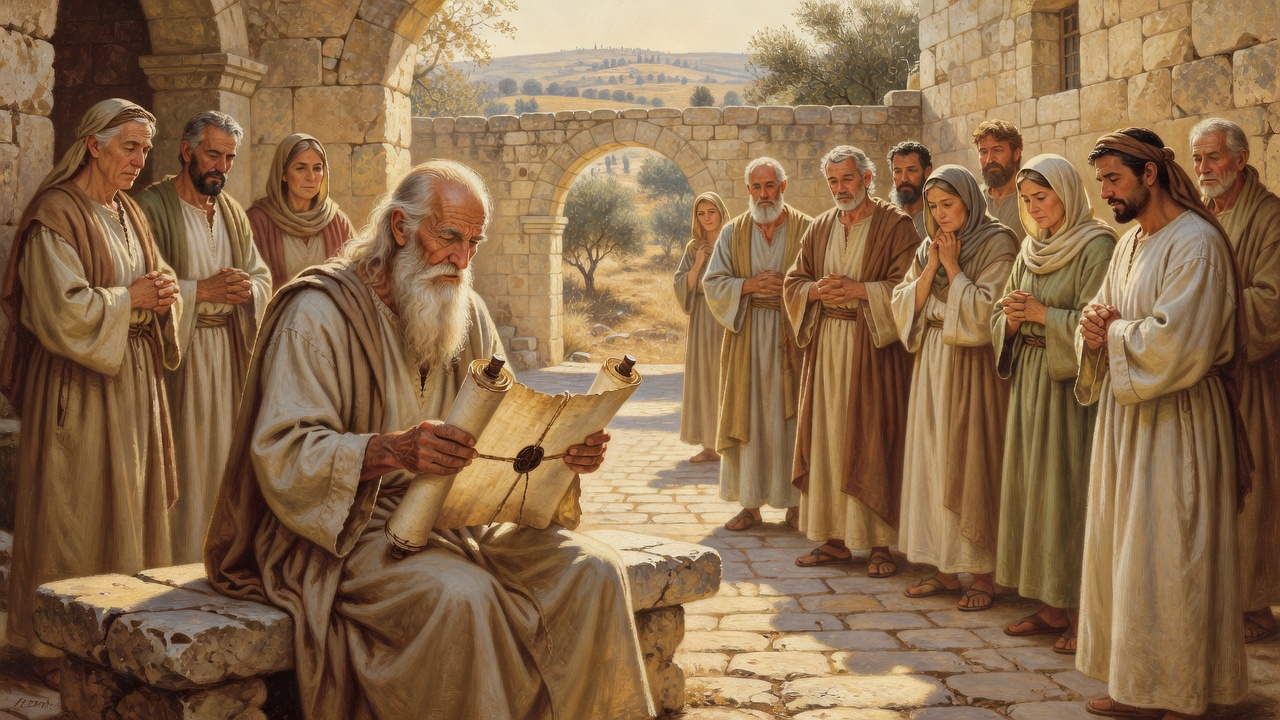
- Isaiah compares the spiritual insensibility of the people to a sealed scroll that the literate cannot open and the illiterate cannot read. He condemns those who reverse the natural order by acting as though the clay could question the potter who formed it.Sources: the Bible text itself
- The chapter promises a dramatic reversal in which the great mountain region of Lebanon becomes a fertile orchard. In that day, the descendants of Jacob and Abraham are promised understanding, joy, and justice as the blind see and the deaf hear.Sources: Lebanon · Abraham · Jacob (Israel) · the Bible text itself
Notes written with AI assistance from open sources (Theographic Bible Metadata, CC BY-SA 4.0; Easton’s Bible Dictionary, public domain) and reviewed before publishing.
Places in this chapter
- Ariel · Today: Jerusalem · 31.777, 35.234 · verses 1, 2, 7
- City of David · 31.774, 35.236 · verse 1
- Jerusalem · 31.777, 35.234 · verses 2, 3
- Mount Zion · 31.772, 35.229 · verse 8
- Lebanon · 33.540, 35.584 · verse 17
Only places identified with high confidence are shown (90% or more according to the scholarly sources compiled by OpenBible). Period map: DARE (Digital Atlas of the Roman Empire), CC BY 4.0; modern map: © OpenStreetMap contributors; places: OpenBible.info (CC BY 4.0).
Credits and license for this translation
Bibeli Luayãtaalá
The Holy Bible in the Boko language spoken in Benin and Nigeria
copyright © 2010 SIM International
Language: Boko
Translation by: SIM International
Boko Bibeli Luayãtaala
This translation, published by the SIM au Benin, was published in 2010.
If you are interested in obtaining a printed copy, please contact the SIM at ECWA/SIM H.Q., P.M.B. 2009, Jos, Plateau State, NIGERIA.
This translation text is made available to you under the
terms of the Creative Commons License: Attribution-Noncommercial-No Derivative Works.
( http://creativecommons.org/licenses/by-nc-nd/3.0/ )
In addition, you have permission to port the text to different file formats, as long as you
do not change any of the text or punctuation of the Bible.
You may share, copy, distribute, transmit, and extract portions
or quotations from this work, provided that you include the above copyright
information:
You must give Attribution to the work.
You do not sell this work for a profit.
You do not make any derivative works that change any of the actual words or punctuation of the Scriptures.
Permissions beyond the scope of this license may be
available if you contact
us with your request.
This translation is made available to you under the terms of the
Creative Commons Attribution-Noncommercial-No Derivatives license 4.0.
You may share and redistribute this Bible translation or extracts from it in any format, provided that:
You include the above copyright and source information.
You do not sell this work for a profit.
You do not change any of the words or punctuation of the Scriptures.
Pictures included with Scriptures and other documents on this site are licensed just for use with those Scriptures and documents.
For other uses, please contact the respective copyright owners.
2014-09-25
Source: http://ebible.org/bqcsim/ · eBible.org