Ephesians 4
Bibeli Luayãtaalá · Tap a verse to see its cross-references.
Mɛdoũkɛa
1Ma gbɛ̃́ pↄ́ má dɛ dakpɛuna ũ Dii yã́i, ma wabikɛ̀wá, á kua ká lá Lua á sisi àↄ dɛwa. 2À kↄ̃ fↄ̃ àↄ yekↄ̃i zĩabusaa ń nↄ̀sɛniɛo guu ń mɛnao. 3À wɛtã àↄ lɛdoũ pↄ́ bↄ̀ Lua Nisĩna kĩ́i vĩ ba pↄ́ wá dↄkↄ̃wa ũ. 4Mɛ mɛ̀ndoɛ, mɛ́ Nisĩnapi mɛ̀ndoɛ. Màa zia'ea yã́ pↄ́ Lua á káwà mɛ̀ndo lↄ. 5Dii mɛ̀ndoɛ, mɛ́ Lua zɛ́ mɛ̀ndoɛ ń da'ilɛ mɛ̀ndoo. 6Lua mɛ̀ndoɛ wápii Mae ũ, ↄ̃mɛ iko vĩ wá baadewa, ìↄ zĩkɛ wá baade píi guu, a kú ń wá baade píio.
7Kilisi gbɛ̃kɛkɛ̀ wá baadeɛ lá à gbadàwɛ̃ɛ lɛ́u. 8A yã́i a kɛ̃a láu wà mɛ̀:
Kɛ́ à dɛ̀dɛ musu ń a zĩ̀zↄↄ,
à gbadà gbɛ̃́ↄnɛ.
9Aà dɛdɛa bee mɛ̀ kpelewa ni? Bee mɛ̀ à pìla e tↄↄlɛ nↄnau gĩaɛ. 10Gbɛ̃́ pↄ́ pìlapi mɛ́ gbɛ̃́ pↄ fɛ̀lɛ mà luabɛa ũ, kɛ́ aà gupii pa. 11Aàpi mɛ́ gbɛ̃eↄ gbà zɛ́ aàↄ dɛ zĩnaↄ ũ, gbɛ̃eↄ ãnabiↄ, gbɛ̃eↄ baonakpanaↄ, gbɛ̃eↄ pàsitɛɛↄ ge yãdanɛdeↄ, 12kɛ́ Lua gbɛ̃́ↄ e wàↄ ku a zĩ sↄu guu, Kilisi mɛ i zɛdↄ, 13e wápii wàↄ ka Lua Nɛ́ náai doũ kɛawa aà dↄ̃a doũ guu, wí gↄ̃ gbɛ̃́ kàsaaↄ ũ Kilisi pↄ́ pↄ́ pɛ̀ɛwà zↄ̃ↄ lɛ́u. 14Màa wáↄ dɛ nɛ́fɛ̃nɛna pↄ́ wì ↄ̃nↄ ń kↄ̃nio kɛnɛ́ wà ń sã́sãↄ ũ lↄo. Yã́ dafu daanɛ́ ì ń sɛ́ lán ĩ́ana ge ísↄ̃wa. 15Wá sĩana'onɛ́ ń yeańzio, wí gbã́ yã́pii musu naa Kilisi pↄ́ dɛ mi ũwa. 16Naawà guu mɛgu píi ì kↄ̃'eu aa nakↄ̃wa kĩↄ zĩ sabai, ↄ̃ mɛguↄ ì zĩkɛ a zɛ́wa, mɛ iↄ gbã́, iↄ zɛdↄ ń yeakↄ̃io.
Kua zi ń kua dafuo
17Ayãmɛto málɛ yã'oɛ́ ń Dii tↄ́o, málɛ á gbaò laai. Ásu àↄ ku lán luadↄ̃nsai pↄ́ an nↄ̀sɛ yãfũna dↄaaanɛ́ↄwao. 18An làasoo sↄũkũ̀, aa kɛ̃a wɛ̃ni pↄ́ Lua ì kpámáwa, kɛ́ an wɛ́ sia mɛ́ an swã́ gbãa yã́i. 19Aa nↄ̀sɛ vĩo, aa ńzĩa kpà wisaiyãwa, aa dↄ́ɛ'ĩi bui píi kɛa bĩi vĩ. 20Ápiↄ sↄ̃ i Kilisi yãdada màao. 21A aà yã́ mà, a sĩana pↄ́ a vĩ dàda á Yesudekɛ guu. 22Wa òɛ́ à ↄkpa á dàa zi pↄ́ dↄaaaɛ́i, asa a ↄ̃̀ↄkpà á pↄnidɛa vãiↄ yã́i. 23À tó á nↄ̀sɛlilɛ, á làasoo i gↄ̃ dafu, 24í dàa dafu pↄ́ Lua kɛ̀wɛ̃ɛ kɛ́ wà e wàↄ dɛ láawa sɛ́, á kua iↄ adoa kua sĩande ũ yã́zɛdekɛa guu.
25Bee yã́i à ↄkpa mↄafiliyãi, á baade lí sĩana'o a gbɛ̃́deeɛ, asa mɛ̀ doũ guↄn wá ũ. 26Tó á pↄ pà, ásu duunakɛo. Ásu to ĩatɛ̃ gɛ̃ kpɛ́u à á pↄpaa leo, 27kɛ́ ásu Ibiisi gba gɛ̃kĩio yã́i. 28Gbɛ̃́ pↄ́ ì kpã́i'o yãa kpã́i tó. Aà wɛtã zĩ maa kɛ ń a ↄo, i pↄ́ e à dↄò taasidelɛ. 29Ásu to yãvãie bↄ á lɛ́uo, sema a zɛde pↄ́ a gbɛ̃́ kã́fĩ à àikɛ gbɛ̃́ pↄ́ lɛ́ maↄnɛ. 30Ásu Lua Nisĩna pↄ yao, asa aà kua adoaɛ. A dɛ seela pↄ́ Lua kɛ̀wá e wá bogↄↄzĩ ũ. 31Ásuli ĩ́isɛ ń gbɛ̃eoo. À pↄkũma ń pↄkpɛ̃nɛo ń palaa gbãao ń gbɛ̃́sↄ̃sↄ̃ao ń pãsĩ bui píio tó. 32Àↄ gbɛ̃kɛ vĩ ń kↄ̃o. Àↄ kↄ̃ wɛ̃na vĩ. À sùuukɛ ń kↄ̃o lá Lua sùuukɛ̀ánↄwa naa Kilisiwa guu.
Did you know?
One Body and a Worthy Life
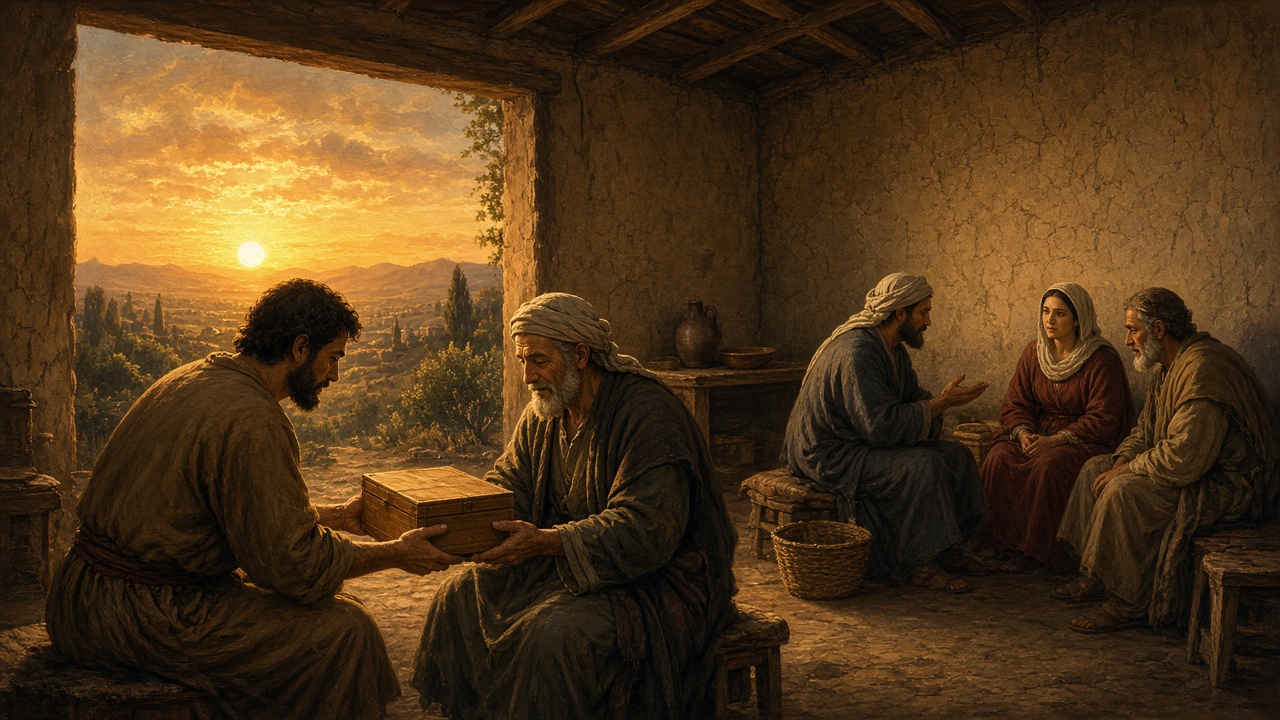
- The chapter opens with the writer calling himself a prisoner in the Lord and urging the readers to walk in a manner worthy of the calling they have received, with humility, gentleness, patience, and diligence to preserve the unity of the Spirit through the bond of peace.Sources: the Bible text itself
- That appeal rests on shared realities named in the chapter: one body, one Spirit, one hope, one Lord, one faith, one baptism, and one God and Father of all, who is over all and through all and in all. The same passage says that the one who ascended gave some to be apostles, some prophets, some evangelists, and some pastors and teachers, to equip the saints and build up the body.Sources: the Bible text itself
- The chapter then pictures a changed life as putting off the former way of life, the old self, and putting on the new self. It tells the readers to put away falsehood and speak truthfully, since they are members of one another; to be angry without sinning and not to let the sun set on their anger; and not to grieve the Holy Spirit of God, in whom they were sealed for the day of redemption.Sources: the Bible text itself
Notes written with AI assistance from open sources (Theographic Bible Metadata, CC BY-SA 4.0; Easton’s Bible Dictionary, public domain) and reviewed before publishing.
Credits and license for this translation
Bibeli Luayãtaalá
The Holy Bible in the Boko language spoken in Benin and Nigeria
copyright © 2010 SIM International
Language: Boko
Translation by: SIM International
Boko Bibeli Luayãtaala
This translation, published by the SIM au Benin, was published in 2010.
If you are interested in obtaining a printed copy, please contact the SIM at ECWA/SIM H.Q., P.M.B. 2009, Jos, Plateau State, NIGERIA.
This translation text is made available to you under the
terms of the Creative Commons License: Attribution-Noncommercial-No Derivative Works.
( http://creativecommons.org/licenses/by-nc-nd/3.0/ )
In addition, you have permission to port the text to different file formats, as long as you
do not change any of the text or punctuation of the Bible.
You may share, copy, distribute, transmit, and extract portions
or quotations from this work, provided that you include the above copyright
information:
You must give Attribution to the work.
You do not sell this work for a profit.
You do not make any derivative works that change any of the actual words or punctuation of the Scriptures.
Permissions beyond the scope of this license may be
available if you contact
us with your request.
This translation is made available to you under the terms of the
Creative Commons Attribution-Noncommercial-No Derivatives license 4.0.
You may share and redistribute this Bible translation or extracts from it in any format, provided that:
You include the above copyright and source information.
You do not sell this work for a profit.
You do not change any of the words or punctuation of the Scriptures.
Pictures included with Scriptures and other documents on this site are licensed just for use with those Scriptures and documents.
For other uses, please contact the respective copyright owners.
2014-09-25
Source: http://ebible.org/bqcsim/ · eBible.org