Deuteronomy 5
Bibeli Luayãtaalá · Tap a verse to see its cross-references.
Yãdilɛa mɛ̀n kwiↄ
1Mↄizi Isailiↄ sìsi píi, ↄ̃ a ònɛ́: Isailiↄ, à laaidↄ Dii yã́ pↄ́ málɛ dilɛɛ́ↄwa ń ikoyã pↄ́ málɛ kã́ɛ́ á swã́wa gbãↄ. À yã́piↄ dada, íↄ kũa à zĩkɛwà. 2Dii wá Lua a bàakuawanↄ yãdìlɛwɛ̃ɛ Olebu. 3I kɛ wá dezi káauↄ ↄ̃ a dìlɛnɛ́o, wámɛ, wá gbɛ̃́ pↄ́ wá kú la gbãↄ píi. 4Dii bↄ̀ mↄ̀wá, à yã'òɛ́ tɛ́ guu za gbɛ musu. 5Zĩbeezĩ má kú kↄ́ↄ ũ Dii ń ápiↄ zãnguo, ma Dii yã'òɛ́, asa vĩa á kṹ tɛ́pi yã́iɛ, á fↄ̃ dɛdɛ gbɛpiwao. Dii mɛ̀:
6Mámɛmaa Dii á Lua. Ma á bↄ́ zↄbleu Egipi. 7Ásu àↄ diie vĩo, ma bàasio.
8Ásuli pↄe taa kɛ à kúlɛ à zↄbleɛ̀o, pↄ́ pↄ́ kú musu ge tↄↄlɛ ge í guun nò, asa ma Dii á Lua, mili sí sàao. Mi mae pↄ́ yemazioↄ yãvãi wi an buiↄnɛ ń musu e à gɛ pɛ́ ń sĩ́wɛnaↄ ń ń sↄ̃kpaɛↄwa. 10Gbɛ̃́ pↄ́ yemazi aa ma yãdilɛaↄ kũaↄ sↄ̃, miↄ gbɛ̃kɛ vĩńnↄɛ e ń bui lɛ́wa.
11Ásuli ma Dii á Lua tↄ́ sí pão, asa gbɛ̃́ pↄ́ ma tↄ́ sì pã a bↄ pão.
12Àli kã́mabogↄↄzĩ dↄ̃ ma pↄ́ ũ, lá ma Dii á Lua má dìlɛɛ́wa. 13Àli á buazĩ ń á zĩ píio kɛ gↄↄ soolo, 14a soplade iↄ dɛɛ́ kã́mabozĩ ũ, asa ma Dii á Lua ma pↄ́ɛ. Ásuli zĩe kɛ gↄↄpi zĩ́o, ápiↄ ge á nɛgↄ̃ɛ ge á nɛnↄɛ ge á zĩkɛna gↄ̃ɛ ge nↄɛ, ge á zu ge á zàa'ĩna ge á pↄtuo pãle, ge nibↄ pↄ́ kú á bɛ, kɛ́ á zĩkɛna gↄ̃ɛ ge nↄɛ lí kã́mabo lááwa. 15Àↄ dↄ̃ kɛ́ zↄↄn á ũ Egipi yãa, ↄ̃ ma Dii á Lua ma a gã̀sĩ pòo, ma á bↄ́ ń ma gã̀sa gbãao. A yã́i tò ma Dii á Lua ma mɛ̀, à kã́mabogↄↄzĩ dilɛ.
16Àli á de ń á dao kpɛla, lá ma Dii á Lua má dìlɛɛ́wa, kɛ́ à e wɛ̃ni kɛ bùsu pↄ́ málɛ kpáwáu, íↄ aafia.
17Ásuli gbɛ̃dɛo.
18Ásuli wúlɛ ń gbɛ̃pãle nↄoo.
19Ásuli kpã́i'oo.
20Ásuli yãdↄ á gbɛ̃́deewao.
21Ásuli lua á gbɛ̃́dee nↄzio. Ásu à aà ua bĩikɛo ge aà bua ge aà zĩkɛna gↄ̃ɛ ge nↄɛ ge pↄ́ pↄ́ a vĩↄ píi.
22Yã́ pↄ́ Dii ò bílaɛ ń lↄↄ gbãao tɛ́ ń luabɛsianao ń guduuduuo guu za gbɛ musun we. I yãe kã́fĩ a guuo. A kɛ̃̀ gbɛ̀ pɛ̀pɛɛↄwa mɛ̀n pla, ↄ̃ a kpàa. 23Kɛ́ a lↄↄpi mà dↄ gusiau gↄↄ pↄ́ tɛ́ kulu kù gbɛpi musu, á bui dↄaanaↄ ń á gbɛ̃zↄ̃ↄↄ mↄ̀ ma kĩ́i 24aa mɛ̀: Dii wá Lua a gawi ń a zↄ̃ↄkɛo ↄ̀lↄwɛ̃ɛ, wa aà lↄↄ mà dↄ tɛ́u. Wá mà Lua yã'ò ń wá gbɛ̃nazĩnaↄ gbã, ↄ̃ wi gao. 25Ń beeo wá kú ga lɛ́zĩɛ, asa tó wa ɛa Dii wá Lua lↄↄ mà, tɛ́ zↄ̃ↄpi a kṹwáɛ, wí gaga. 26Démɛ Lua bɛ̃́ɛ yã'o mà, aà lↄↄ dↄ tɛ́u, mɛ́ i gao láwáwai? 27Gɛ ǹ yã́ pↄ́ Dii wá Lua lɛ́ o ma ndo, ní mↄ yã́ pↄ́ a ònɛ owɛ̃ɛ, wí ma wà zĩkɛwà.
28Dii yã́ pↄ́ á òmɛɛ mà, ↄ̃ a òmɛɛ a yã́ pↄ́ á òmɛɛpi mà, a maa. 29Tó á dìlɛ á sↄ̃u màa mɛ́ á aà vĩa vĩ, á aà yãdilɛaↄ kũa gↄↄpii lé, áↄ ku aafiaɛ gↄↄpii ń á buiↄ. 30A òmɛɛ mà gɛ oɛ́ à ɛa ta á zwã̀akpɛↄ guu, 31mí ɛa mↄ màↄ kuanↄ we, i a yãdilɛaↄ ń a ikoyãↄ omɛɛ, mí daɛ́, íↄ zĩkɛwà bùsu pↄ́ álɛ kpáwá à gↄ̃ vĩ guu.
32Tↄ̀ↄ, àↄ yã́ pↄ́ Dii á Lua dìlɛɛ́ↄ kũa, íↄ zĩkɛwà. Ásu pãalɛ ↄplaai ge zɛɛio. 33À zɛ́ pↄ́ Dii á Lua dàɛ́ sɛ́, íↄ ku aafia, í gɛ̃gɛ̃ bùsu pↄ́ álɛ gɛ́ síipi guu.
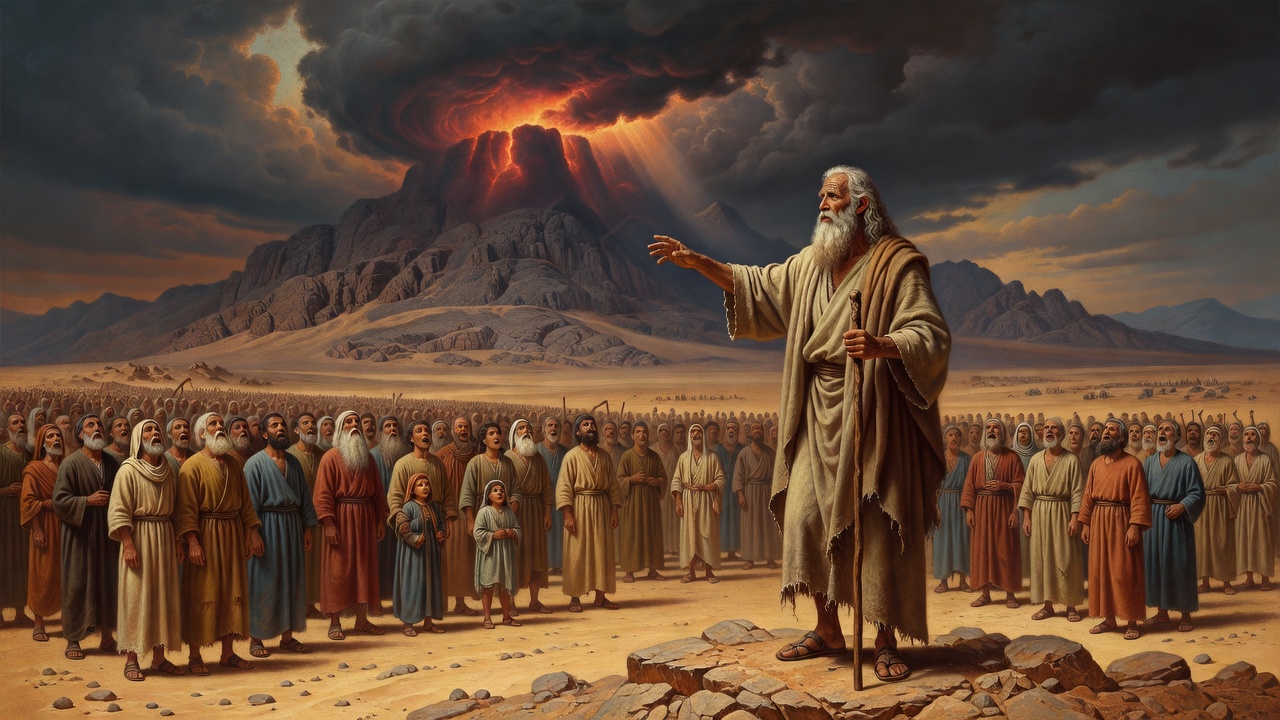
Did you know?
The Covenant and the Ten Commandments
- In Deuteronomy, the mountain where the covenant and commandments were given is called Horeb. Horeb refers to the broader mountain range of which Sinai was a peak, situated beside a spacious plain where the Israelites could camp.Sources: Horeb · the Bible text itself
- In Deuteronomy's account of the Sabbath commandment, the requirement of rest is explicitly tied to Israel's history of slavery in Egypt. Because the Israelites had been liberated from forced labor, their servants, foreigners, and working animals were also granted complete rest on the seventh day.Sources: the Bible text itself
- Moses served as an intermediary between God and the people because the tribal heads and elders feared they would die if they continued hearing the divine voice from the fire and deep darkness. They asked Moses to go near, receive the remaining statutes, and report them to the assembly.Sources: the Bible text itself
Notes written with AI assistance from open sources (Theographic Bible Metadata, CC BY-SA 4.0; Easton’s Bible Dictionary, public domain) and reviewed before publishing.
Places in this chapter
Only places identified with high confidence are shown (90% or more according to the scholarly sources compiled by OpenBible). Period map: DARE (Digital Atlas of the Roman Empire), CC BY 4.0; modern map: © OpenStreetMap contributors; places: OpenBible.info (CC BY 4.0).
Credits and license for this translation
Bibeli Luayãtaalá
The Holy Bible in the Boko language spoken in Benin and Nigeria
copyright © 2010 SIM International
Language: Boko
Translation by: SIM International
Boko Bibeli Luayãtaala
This translation, published by the SIM au Benin, was published in 2010.
If you are interested in obtaining a printed copy, please contact the SIM at ECWA/SIM H.Q., P.M.B. 2009, Jos, Plateau State, NIGERIA.
This translation text is made available to you under the
terms of the Creative Commons License: Attribution-Noncommercial-No Derivative Works.
( http://creativecommons.org/licenses/by-nc-nd/3.0/ )
In addition, you have permission to port the text to different file formats, as long as you
do not change any of the text or punctuation of the Bible.
You may share, copy, distribute, transmit, and extract portions
or quotations from this work, provided that you include the above copyright
information:
You must give Attribution to the work.
You do not sell this work for a profit.
You do not make any derivative works that change any of the actual words or punctuation of the Scriptures.
Permissions beyond the scope of this license may be
available if you contact
us with your request.
This translation is made available to you under the terms of the
Creative Commons Attribution-Noncommercial-No Derivatives license 4.0.
You may share and redistribute this Bible translation or extracts from it in any format, provided that:
You include the above copyright and source information.
You do not sell this work for a profit.
You do not change any of the words or punctuation of the Scriptures.
Pictures included with Scriptures and other documents on this site are licensed just for use with those Scriptures and documents.
For other uses, please contact the respective copyright owners.
2014-09-25
Source: http://ebible.org/bqcsim/ · eBible.org