Deuteronomy 29
Bibeli Luayãtaalá · Tap a verse to see its cross-references.
Dii bàa kua ń Isailiↄ zɛdↄa Mↄabu bùsuu
1Mↄizi Isailiↄ sìsi píi à mɛ̀: A yã́ pↄ́ Dii kɛ̀ Egipi Falaↄ̃ↄɛ ń aà ìwaↄ ń aà bùsuo è píi. 2A wɛsìɛ lá à seelaↄ ń dabudabu zↄ̃ↄↄ kɛ̀, à aà gbãa lɛgwàò. 3Kási e gbã Dii i á nↄ̀sɛ wɛ̃ɛ́ a ↄ̃nↄkũ̀o. I á wɛ́ kɛ̃́ɛ́ a gu'èo. I á swã́ wɛ̃ɛ́ a yãmào. 4Kɛ́ ma dↄaaɛ́ guwaiwaiu wɛ̃̀ bla, á pↄkasaↄ ń á kyaleↄ i yaao. 5I pɛ̃ɛ soo, i vɛ̃ɛ ge í gbãa mio. Dii á gwá, kɛ́ à e dↄ̃ ↄ̃mɛ Dii á Lua ũ. 6Kɛ́ wa ka guɛ beeu, Ɛsɛbↄ̃ kí Siↄ̃ ń Basana kí Oguo bↄ̀lɛwá ń zĩo, ↄ̃ wa zĩblèmá. 7Wa ń bùsu sì wá kpà Lubɛni buiↄ ń Gada buiↄ ń Manase bui kĩniↄwa ń pↄ́ ũ.
8Ayãmɛto àↄ Dii bàakuaánↄ yãdilɛaɛ beeↄ kũa, íↄ zĩkɛwà, yã́ pↄ́ álɛ kɛ píi i bↄ maa. 9Ápii á sĩa Dii á Lua aɛ gbã, á dↄaanaↄ ń á kíaↄ ń á gbɛ̃zↄ̃ↄↄ ń á zĩgↄ̃ badeↄ ń á gↄ̃ɛↄ píi 10ń á nɛ́ↄ ń á nↄɛↄ ń bↄ̀mↄ pↄ́ kú á bòou yàawɛnaↄ ń itↄnaↄ ũↄ. 11Á sĩa la kɛ́ à zɛ ń Dii á Lua bàakuaánↄ yã́o. Dii á Lua lɛ́ a bàakuaánↄ lɛgbɛ̃ ń a kuao gbã, 12kɛ́ à á dɛa a gbɛ̃́ↄ ũ zɛdↄ gbã. Aↄ dɛ á Lua ũ lá a òɛ́wa, lá à a lɛgbɛ̃̀ á deziↄnɛ Ablahaũ ń Izaakio ń Yakↄbuowa. 13I kɛ átɛ̃ɛ ↄ̃ málɛ yã́pi lɛgbɛ̃ɛ́o. 14I kɛ á gbɛ̃́ pↄ́ á kúwanↄ gbã Dii wá Lua aɛↄ átɛ̃ɛ no, ń wá bui pↄ́ wi ń i yãaoↄɛ.
15Á dↄ̃ ázĩawa lá á kú yãa Egipi, mɛ́ lá a bↄlɛ ń buipãleↄ bùsuↄ. 16A ń pↄ́ pↄ́ aa kɛ̀ ń lío ń gbɛo ń ã́nusuo ń vuao tã́aↄ ũ è, pↄ́ pↄ́ Dii ye a gĩyãio. 17Á gbɛ̃e su bↄ Dii wá Lua kpɛ à gɛ́ zↄblei buipãle diipiↄnɛo, á gↄ̃ɛe ge á nↄɛen nò, á buie ge á ualɛen nò. Yãvãi zĩ́na su àↄ kú á guu kona ge gↄ̃i ũo. 18Tó gbɛ̃e láai yã́ɛ beeↄ mà, asu azĩa sáaukpa à mɛ, baa tó a swã́ gbãa, áↄ ku aafiaɛo. Bee a to wà iwãa tↄ́tↄ káɛ́ á í niɛuɛ. 19Dii a we sùuukɛaànↄo. Aↄ pↄkũma ń pↄfɛ̃o bↄbↄwà gↄↄpiiɛ. Láai yã́ pↄ́ kú láɛ bee guu a aà le píiɛ, Dii i aà tↄ́ dɛ dṹniau. 20Dii a aà bↄ Isaili buiↄ guuɛ, i láaipↄ wà a yãkɛ̃̀ ikoyã láɛ bee guuↄ zĩwà píi ĩadaawà yã́i.
21Á bui pↄ́ aa mↄ á kpɛↄ ń buipãle gbɛ̃́ pↄ́ bↄ̀ bùsu zã̀zãuↄ aa gaga pↄ́ kà bùsuɛ beeuↄ e ń gyã pↄ́ Dii kàáguↄ. 22Ĩatɛ̃gbↄ̃ ń wisio a bùsuɛ bee tɛ́kũ píiɛ. Wa pↄ́tↄ̃ weo, pↄe a bↄlɛo, baa sɛ̃. Aↄ dɛ lán Sↄdↄũ ń Gↄmↄↄo ń Adamao ń Zeboiũ pↄ́ Dii ń suumpà ń pↄkũma pãsĩoↄwaɛ. 23Bui píi a mɛ: Bↄ́yãi Dii yã́ bee taa kɛ̀ bùsuɛ beeɛi? Aà pↄfɛ̃ zↄ̃ↄ bee taa dɛa ni? 24Wi wemá wà mɛ: Kɛ́ aa pãkpà Dii ń deziↄ Luapi bàakuańnↄ yã́zi an bↄa Egipi gbɛa yã́iɛ. 25Aa gɛ̀ zↄblè dii pãleↄnɛ, aa kùlɛ dii pↄ́ aa dↄ̃ yãaoↄnɛ, i kɛ Dii mɛ́ dìlɛnɛ́o. 26Ɔ̃ Dii pↄkũmabↄ̀bↄ bùsupiwa, à láaipↄ kú láɛ bee guuↄ zĩ̀wà píi. 27À ń wó ń bùsuu à ↄzↄ̃̀ńzi e bùsu pãleu, lá aa ku tiaɛwa.
28Yã́ pↄ́ ulɛaↄ dɛ Dii wá Lua yã́ ũɛ. A pↄ́ pↄ́ à bↄ̀ò gupuau sↄ̃, wápiↄ ń wá nɛ́ↄ yã́ɛ gↄↄpii, kɛ́ wà e wàↄ zĩkɛwà.
Did you know?
The Covenant Renewed in Moab
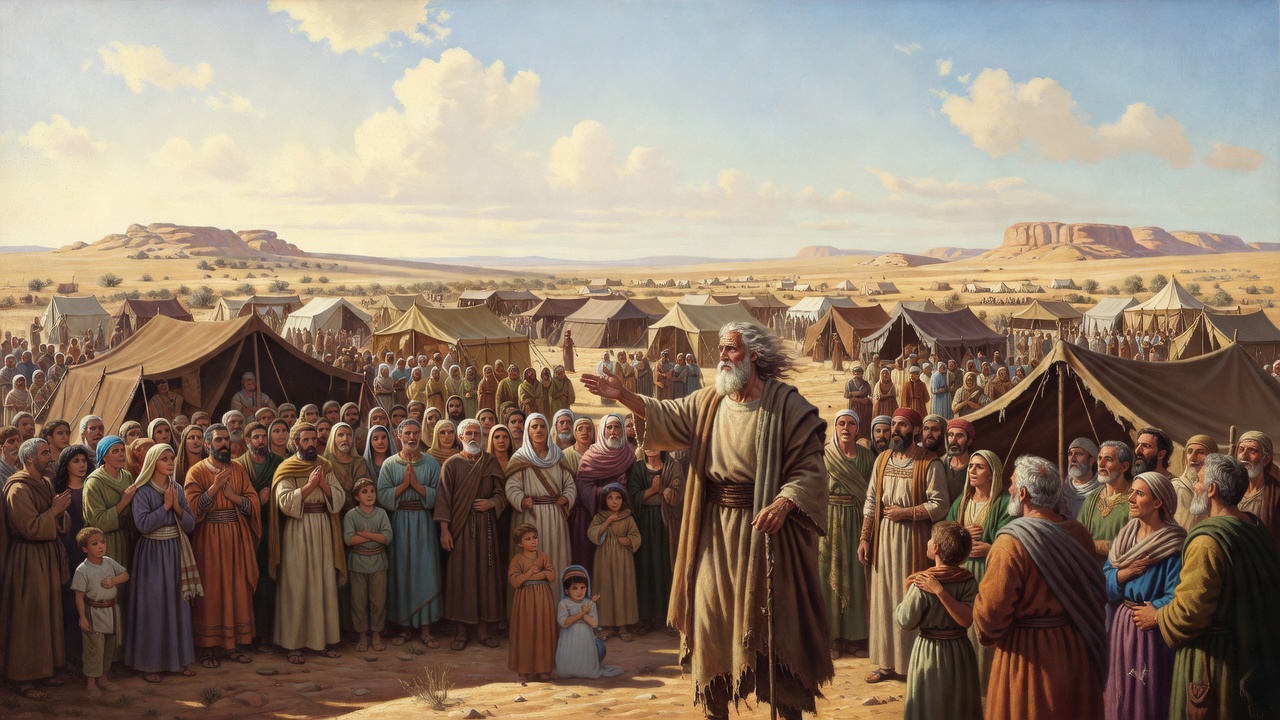
- The covenant in the land of Moab is presented as an agreement in addition to the one established at Mount Horeb. To encourage faithfulness, Moses recalled their forty years in the wilderness and their victories over King Sihon of Heshbon and King Og of Bashan.Sources: the Bible text itself · Horeb · Sihon · Og
- The covenant gathering included the entire community, from tribal leaders, elders, and men to women, children, and resident foreigners who gathered wood and drew water. Moses emphasized that the oath bound not only those standing there that day, but also future generations.Sources: the Bible text itself
- Moses warned the people against turning away to worship idols made of wood, stone, silver, and gold. Breaking the covenant would bring severe judgment, leaving the soil a barren waste of sulfur and salt like the overthrow of Sodom and Gomorrah.Sources: the Bible text itself · Sodom
Notes written with AI assistance from open sources (Theographic Bible Metadata, CC BY-SA 4.0; Easton’s Bible Dictionary, public domain) and reviewed before publishing.
Places in this chapter
- Moab · Today: Moab 1 · 31.181, 35.701 · verse 1
- Mount Horeb · Today: Jebel Musa · 28.540, 33.973 · verse 1
- Egypt · 30.129, 31.308 · verses 2, 16, 25
- Bashan · 32.781, 35.935 · verse 7
Only places identified with high confidence are shown (90% or more according to the scholarly sources compiled by OpenBible). Period map: DARE (Digital Atlas of the Roman Empire), CC BY 4.0; modern map: © OpenStreetMap contributors; places: OpenBible.info (CC BY 4.0).
Credits and license for this translation
Bibeli Luayãtaalá
The Holy Bible in the Boko language spoken in Benin and Nigeria
copyright © 2010 SIM International
Language: Boko
Translation by: SIM International
Boko Bibeli Luayãtaala
This translation, published by the SIM au Benin, was published in 2010.
If you are interested in obtaining a printed copy, please contact the SIM at ECWA/SIM H.Q., P.M.B. 2009, Jos, Plateau State, NIGERIA.
This translation text is made available to you under the
terms of the Creative Commons License: Attribution-Noncommercial-No Derivative Works.
( http://creativecommons.org/licenses/by-nc-nd/3.0/ )
In addition, you have permission to port the text to different file formats, as long as you
do not change any of the text or punctuation of the Bible.
You may share, copy, distribute, transmit, and extract portions
or quotations from this work, provided that you include the above copyright
information:
You must give Attribution to the work.
You do not sell this work for a profit.
You do not make any derivative works that change any of the actual words or punctuation of the Scriptures.
Permissions beyond the scope of this license may be
available if you contact
us with your request.
This translation is made available to you under the terms of the
Creative Commons Attribution-Noncommercial-No Derivatives license 4.0.
You may share and redistribute this Bible translation or extracts from it in any format, provided that:
You include the above copyright and source information.
You do not sell this work for a profit.
You do not change any of the words or punctuation of the Scriptures.
Pictures included with Scriptures and other documents on this site are licensed just for use with those Scriptures and documents.
For other uses, please contact the respective copyright owners.
2014-09-25
Source: http://ebible.org/bqcsim/ · eBible.org