Daniel 4
Bibeli Luayãtaalá · Tap a verse to see its cross-references.
1Ma Nɛbukanɛza kɛ́ má kú ma bɛ kílikili yãkelesai, 2ↄ̃ ma nana'ò, a tò vĩa ma kũ. Kua ma liiwa yã́ pↄ́ má è ń làasoo pↄ́ má kɛ̀o tò sↄ̃ kɛ̃̀magu. 3Má dìlɛ wà mↄmɛɛ ń Babɛli ↄ̃nↄnaↄ píi aa nanapi bↄↄlɛkɛmɛɛ. 4Kɛ́ àsi'onaↄ ń dabudabukɛnaↄ ń saanyãdↄ̃naↄ ń màsokɛnaↄ mↄ̀, ma nanapi yã'ònɛ́, aai fↄ̃ aa a bↄↄlɛkɛ̀mɛɛo. 5Gbɛzã ↄ̃ Daniɛli pↄ́ wà ma tã́a tↄ́ kpàɛ̀, wì mɛɛ̀ Bɛlasaa, mↄ̀ ma kĩ́i, ↄ̃ ma nanapi òɛ̀. A Lua pↄ́ a kua adoa Nisĩna vĩ. 6Ma mɛ̀: Bɛlasaa, ↄ̃nↄnaↄ gbɛ̃zↄ̃ↄ, má dↄ̃ kɛ́ ń Lua pↄ́ a kua adoa Nisĩna vĩ, asiiyã líↄ zĩ'ũ nɛo. Yã́ pↄ́ má è nana guun kɛ. Ǹ a bↄↄlɛkɛmɛɛ. 7Yã́ pↄ́ má è ma làasoo guu gↄↄ pↄ́ má wúlɛa ma liiwan kɛ: Málɛ gugwa ↄ̃ ma lí è zɛ tↄↄlɛ guoguo, a lɛsĩ kɛ̀ zài. 8Lípi zↄ̃ↄkũ̀ à gbã̀akũ̀ e a misona gɛ̀ zↄ̃̀ luawa. Wì lípi e za dṹnia lɛ́ lɛ́u píi. 9A láↄ kɛfɛũ, mɛ́ a nɛ'i kɛ̀ zài, a pↄblea mↄ̀ gbɛ̃́piiwa. Sɛ̃̀a nↄ̀bↄↄ ue è a gbáu, mɛ́ bãↄ ì mↄ́ pɛ́pɛ a gↄ̃naↄwa. Pↄ́ wɛ̃nide píi ì blɛ ewà.
10Málɛ yã́pi e ma làasoo guu gↄↄ pↄ́ má wúlɛa ma liiwa, ↄ̃ ma malaika è à bↄ̀ luabɛ. 11À lɛzù gbã́ugbãu à mɛ̀: À lípi zↄ̃ à nɛ́, í a gↄ̃naↄ boɛboɛ. À a láↄ wolo, í a bɛↄ fãaa. À to nↄ̀bↄↄ bàalɛ kɛ̃wà, à to bãↄ bↄlɛ a láu. 12Ãma à lípi miↄna ń a zĩ́naↄ to tↄↄlɛu, í mↄsi gala kpaɛ̀ ń mↄgotɛ̃ pↄ́o sɛ̃u we. Fíi a kpawà, iↄ ku sɛ̃u we ń nↄ̀bↄↄ. 13Aà mi a liaa, aà làasoo i gↄ̃ lán nↄ̀bↄↄ pↄ́wa e wɛ̃̀ sopla. 14Malaikaↄ mɛ́ yã́ pↄ́ Lua dìlɛpi ò, aà gbɛ̃́piↄ mɛ́ yã́ pↄ́ Lua zɛ̀o kpàwakɛ̀, kɛ́ gbɛ̃́ pↄ́ kúↄ e dↄ̃ Musude mɛ́ iko vĩ gbɛ̃nazĩna kpalaↄwa. Ì gbɛ̃́ kpá kpalau lá a yeiwa, baa gbɛ̃́ kpɛɛna se. 15Ma kí Nɛbukanɛza, nana pↄ́ má òn we. Bɛlasaa, ǹ a bↄↄlɛkɛmɛɛ sa, asa ma kpala ↄ̃nↄnae i fↄ̃ a bↄↄlɛkɛ̀mɛɛo. Ńyↄ̃ fↄ̃́, asa ń Lua pↄ́ a kua adoa Nisĩna vĩɛ.
Daniɛli Nɛbukanɛza nana bↄↄlɛkɛa
16Ɔ̃ yã́pi dì Daniɛli pↄ́ wì mɛɛ̀ lↄ Bɛlasaawa. Làasoo pↄ́ àlɛ kɛ tò sↄ̃ kɛ̃̀aàgu. Ɔ̃ kía mɛ̀: Bɛlasaa, ńsu to nanapi yã́ ń a bↄↄlɛo n vĩakũo. Ɔ̃ Bɛlasaa òɛ̀: Ma dii, Lua to nanapi àↄ dɛ n zangudeↄ yã́ ũ. Lua to a bↄↄlɛ àↄ dɛ n ibɛɛↄ yã́ ũ. 17Lí pↄ́ ń è, a zↄ̃ↄ mɛ́ a gbã̀a, a misona zↄ̃̀ luawa, wì e za dṹnia lɛ́ lɛ́u. 18A láↄ kɛfɛũ, a nɛ'i kɛ̀ zài, a pↄblea mↄ̀ gbɛ̃́piiwa. Sɛ̃̀a nↄ̀bↄↄ ku a gbáu, mɛ́ bãↄ ì mↄ́ pɛ́pɛ a gↄ̃naↄwa. 19Kí, ḿmɛ ń lípi ũ. N iko zↄ̃ↄ mɛ́ ń gbãa vĩ. N zↄ̃ↄkɛ gbã̀ zↄ̃̀ luawa, n kpala ↄtà e dṹnia lɛ́wa. 20Kí, n malaikae è à bↄ̀ luabɛ à mɛ̀: À lípi zↄ̃, i lípi kɛ kɛ́lɛkɛlɛ, ãma à a miↄna ń a zĩ́naↄ to tↄↄlɛu. À mↄsi gala kpaɛ̀ ń mↄgotɛ̃ pↄ́o sɛ̃u we, fíi i kpawà, iↄ kú ń sɛ̃̀anↄbↄↄ e wɛ̃̀ sopla.
21Kí, a bↄↄlɛn kɛ. Yã́ pↄ́ Musude dìlɛ ma dii kía yã́ musun kɛ: 22Wa n ya wà n bↄ gbɛ̃nazĩnaↄ guuɛ, níↄ kú ń sɛ̃̀anↄbↄↄ, níↄ sɛ̃ ble lán zuwa, fíi i n gbɛ̃. Ńyↄ̃ↄ ku màa wɛ̃̀ sopla e ǹ gɛ ǹ dↄ̃ kɛ́ Musude mɛ́ iko vĩ gbɛ̃nazĩna kpalaↄwa, mɛ́ ì gbɛ̃́ kpá kpalau lá a yeiwa. 23Lá à mɛ̀ wà limiↄna ń a zĩ́naↄ tó, bee mɛ̀ tó n Lua dↄ̃̀ ikode ũ, a ɛa n kpa kpalau. 24Ayãmɛto kí, ma lɛdamaɛ bee ma. Kɛ̃ n duunawa, níↄ yãkɛ a zɛ́wa. Ǹ n yãvãikɛa tó, níↄ gbɛ̃kɛkɛ taasideↄnɛ, n namablea i gↄↄ ga yↄↄ.
25Yã́piↄ kí Nɛbukanɛza lè píi. 26Mↄ kuɛpla gbɛa àlɛ bɛbɛ a bɛ kpɛ́ zↄ̃ↄ musu Babɛli. 27Ɔ̃ à mɛ̀: Babɛli zↄ̃ↄ pↄ́ má kàlɛ ma kiblekĩi ũn kɛo lò? Má kàlɛ ń ma iko gbãao ma kíakɛ gawi yã́iɛ. 28E yã́pi àↄ gɛ́ bↄi kía lɛ́u, lↄↄe bↄ̀ luabɛ à mɛ̀: Kí Nɛbukanɛza, yã́ pↄ́ wa ò n musun kɛ: Wà n bↄ kpalauɛ. 29Wa n ya wà n bↄ gbɛ̃nazĩnaↄ guuɛ, níↄ kú ń sɛ̃̀anↄbↄↄ, níↄ sɛ̃ ble lán zuwa. Ńyↄ̃ↄ ku màa wɛ̃̀ sopla e ǹ gɛ ǹ dↄ̃ kɛ́ Musude mɛ́ iko vĩ gbɛ̃nazĩna kpalaↄwa, mɛ́ ì gbɛ̃́ kpá kpalau lá á yeiwa. 30Wegↄ̃ↄ yã́ pↄ́ wa ò Nɛbukanɛza musu kɛ̀. Wà aà yà wa bↄ̀ gbɛ̃nazĩnaↄ guu, à sɛ̃ blè lán zuwa, mɛ́ fíi aà gbɛ̃̀. Aà mikã gɛ̀ gbã̀ lán kúu kã́wa, aà ↄkↄↄ gbã̀ lán bã ↄkↄↄwa.
31Kɛ́ wɛ̃̀ soplapi pà, ma Nɛbukanɛza ma wɛsɛ̀ ma musu gwà, ↄ̃ ma su ma laaiwa. Ɔ̃ ma Musude sáaukpà, ma Gↄↄpiide tↄbↄ̀, ma bɛɛɛ dↄ̃̀ɛ̀. Asa aà kíakɛ láaa vĩo mɛ́ aà kpala ìↄ ku gↄↄpiiɛ. 32Gbɛ̃́ pↄ́ kú dṹnia guuↄ píi dɛɛ̀ pↄe ũo. Ì kɛ lá á yeiwa ń gbãade pↄ́ kú musuↄ ń gbɛ̃nazĩna pↄ́ kú tↄↄlɛↄ. Gbɛ̃e lí fↄ̃ kpàɛ̀o, gbɛ̃e lí fↄ̃ òɛ̀: Bↄ́ ńlɛ kɛ weio.
33Gↄↄ pↄ́ ma su ma laaiwa, ↄ̃ ma ɛa su ma kíakɛgawiu ń bɛɛɛo ń zↄ̃ↄkɛo. Ma ìwaↄ ń ma bùsu gbãadeↄ ma gbɛa, aa ma kpa kpalau, ↄ̃ ma iko dɛ̀ a káaua. 34Ma Nɛbukanɛza málɛ musu Kía sáaukpasa, málɛ aà kpɛla, málɛ aà tↄbↄ, asa aà yãkɛaↄ maa píiɛ, ìↄ yãkɛ a zɛ́wa. A fↄ̃ gbɛ̃́ pↄ́ ì azĩa sɛ lɛsĩ busa.
Did you know?
The King's Dream and Humbling
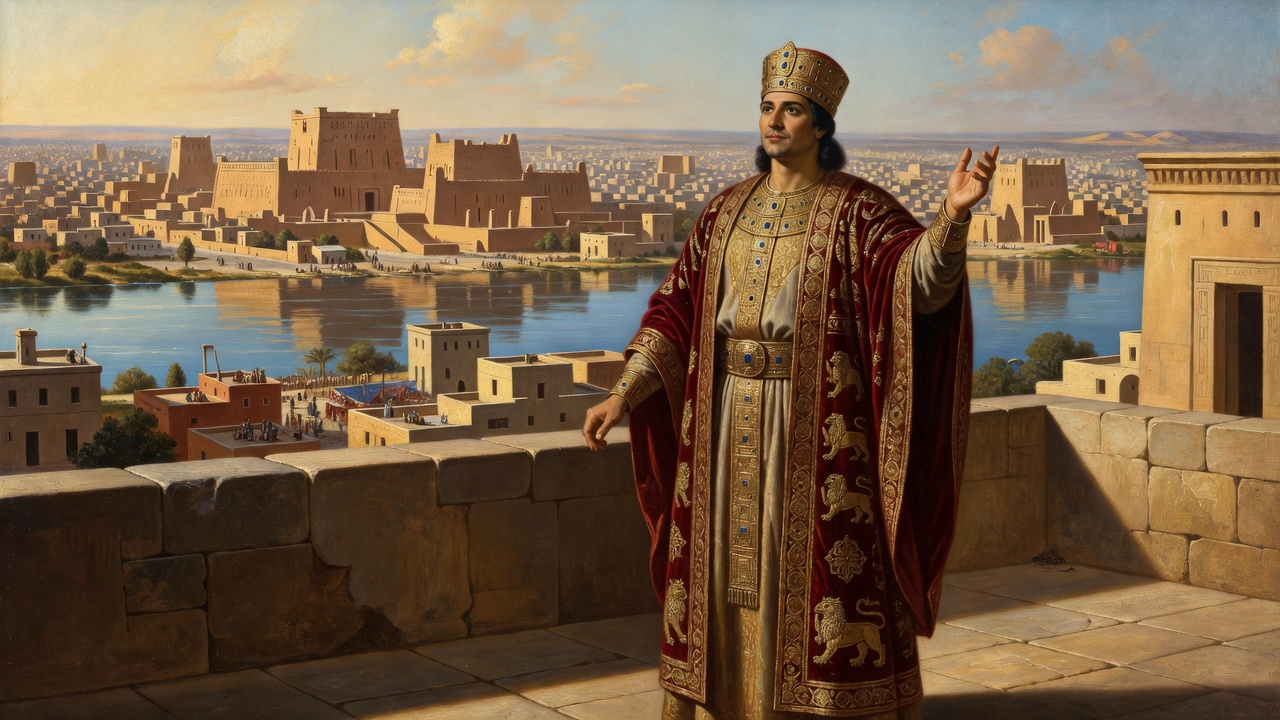
- Daniel chapter 4 is written in the form of an imperial decree or open letter addressed by King Nebuchadnezzar to all nations and languages across the earth. In it, the king personally recounts his disturbing dream, his subsequent season of madness among the beasts, and his ultimate praise of the Most High God.Sources: the Bible text itself
- Nebuchadnezzar was the most powerful king of the Babylonian empire, centered on the ancient city of Babylon on the Euphrates River. The narrative depicts his sudden humiliation taking place just as he paced his royal palace roof, boasting that he had built Babylon the Great by his own power and majesty.Sources: Nebuchadnezzar · Babylon · the Bible text itself
- At the royal court, Daniel was addressed by his Chaldean name Belteshazzar, which means 'Beltis protect the king.' Nebuchadnezzar summoned him after the Babylonian magicians, enchanters, and astrologers were unable to interpret the vision of the great tree.Sources: Daniel · the Bible text itself
Notes written with AI assistance from open sources (Theographic Bible Metadata, CC BY-SA 4.0; Easton’s Bible Dictionary, public domain) and reviewed before publishing.
Places in this chapter
Only places identified with high confidence are shown (90% or more according to the scholarly sources compiled by OpenBible). Period map: DARE (Digital Atlas of the Roman Empire), CC BY 4.0; modern map: © OpenStreetMap contributors; places: OpenBible.info (CC BY 4.0).
Credits and license for this translation
Bibeli Luayãtaalá
The Holy Bible in the Boko language spoken in Benin and Nigeria
copyright © 2010 SIM International
Language: Boko
Translation by: SIM International
Boko Bibeli Luayãtaala
This translation, published by the SIM au Benin, was published in 2010.
If you are interested in obtaining a printed copy, please contact the SIM at ECWA/SIM H.Q., P.M.B. 2009, Jos, Plateau State, NIGERIA.
This translation text is made available to you under the
terms of the Creative Commons License: Attribution-Noncommercial-No Derivative Works.
( http://creativecommons.org/licenses/by-nc-nd/3.0/ )
In addition, you have permission to port the text to different file formats, as long as you
do not change any of the text or punctuation of the Bible.
You may share, copy, distribute, transmit, and extract portions
or quotations from this work, provided that you include the above copyright
information:
You must give Attribution to the work.
You do not sell this work for a profit.
You do not make any derivative works that change any of the actual words or punctuation of the Scriptures.
Permissions beyond the scope of this license may be
available if you contact
us with your request.
This translation is made available to you under the terms of the
Creative Commons Attribution-Noncommercial-No Derivatives license 4.0.
You may share and redistribute this Bible translation or extracts from it in any format, provided that:
You include the above copyright and source information.
You do not sell this work for a profit.
You do not change any of the words or punctuation of the Scriptures.
Pictures included with Scriptures and other documents on this site are licensed just for use with those Scriptures and documents.
For other uses, please contact the respective copyright owners.
2014-09-25
Source: http://ebible.org/bqcsim/ · eBible.org