2 Kings 4
Bibeli Luayãtaalá · Tap a verse to see its cross-references.
Gyaa nísi tùu yã́
1Ãnabiↄ gãli gbɛ̃e na wiilɛ̀ Ɛliziwa à mɛ̀: Ma zã́ pↄ́ dɛ n gbɛ̃́ ũ gà. Ń dↄ̃ kɛ́ n gbɛ̃́pi Dii vĩa vĩ. Aà fĩade lɛ́ mↄ́ ma nɛgↄ̃ɛ gbɛ̃ↄn plaↄ sɛ́lɛi a zↄↄ ũɛ. 2Ɔ̃ Ɛlizi òɛ̀: Bↄ́ ń ye mà kɛnɛi? Bↄ́ ń vĩ n kpɛ́ui? À mɛ̀: Mapi n zↄ̀blena, nísi pↄ́ kú tùu guu we bàasio má pↄe vĩo. 3Ɔ̃ Ɛlizi mɛ̀: Bↄ gãaɛ, ní ta giiↄ gbɛagbɛa n gbɛ̃́deeↄwa píi, i kɛ yↄↄnnↄ no, 4ní gɛ̃ kpɛ́u ǹ zɛtaálɛ ń n nɛ́ↄ, níↄ nísika tapiↄ guu, ta pↄ́ pà niↄ dilɛ saalo.
5Ɔ̃ nↄɛpi fɛ̀lɛ bↄ̀ aà kĩ́i, à gɛ̀ lɛ́ kɛ màa. À gɛ̃̀ kpɛ́u ń a nɛ́ↄ à zɛtà, aalɛ ta dↄɛ̀, ↄ̃ àlɛ nísikakau. 6Kɛ́ tapiↄ pà píi, a ò a nɛ́ doɛ aà ta dↄ, ↄ̃ a òɛ̀ ta ku lↄo, ↄ̃ nísipi zɛ̀ kyó. 7À gɛ̀ a ò Lua gbɛ̃́piɛ, ↄ̃ Lua gbɛ̃́pi mɛ̀: Gɛ ǹ nísipi yía, ní fĩaboò, mpi ń n nɛ́ↄ íↄ pↄble ń a kĩni pↄ́ gↄ̃̀o.
Ɛlizi Sunɛũ nↄɛ nɛ́ vua
8Gↄↄewa Ɛlizi gɛ̀ Sunɛũ. Nↄɛ tↄdee ku we, à nàɛwà aà pↄble a bɛ, ↄ̃ a blè. Za gↄↄ bee tó àlɛ gɛ̃ we, ì bↄlɛ pↄble weɛ. 9Ɔ̃ nↄɛ tↄdepi ò a zã́ɛ: Má dↄ̃ kɛ́ gbɛ̃́ pↄ́ ìↄ gɛ̃ la mↄ̀ↄmↄↄpiá Lua gbɛ̃́ zálalaɛ. 10Wà kpɛ́ nɛ́na di wá kpɛ́ musu, wí lii dilɛɛ̀ we ń táabũnuo ń kìlao ń filiao. Tó à mↄ̀ wá gwai, ìli pila we.
11Gↄↄewa kɛ Ɛlizi mↄ̀ we, à pìla a kpɛ́piu, a wúlɛau. 12Ɔ̃ a ò a zĩkɛna Geaziɛ. Sunɛũ nↄɛpi sísi. Kɛ́ à aà sìsi, ↄ̃ à mↄ̀ zɛ̀ Ɛlizi aɛ. 13Ɔ̃ Ɛlizi ò Geaziɛ: Oɛ̀ à dɛ̃ɛkà à pↄ́ɛ beeↄ kɛ̀wɛ̃ɛ píi. Bↄ́ a ye wà kɛɛ sↄ̃i? A ye wà a yã'o kí ge zĩgↄ̃ↄ dↄaanaɛa? Ɔ̃ nↄɛpi mɛ̀: Kua ma ua pↄe lɛ́ kɛ̃́sãao. 14Kɛ́ nↄɛpi bↄ̀, ↄ̃ Ɛlizi mɛ̀: Bↄ́ wà kɛɛ̀i? Ɔ̃ Geazi wèwà à mɛ̀: A nɛgↄ̃ɛe vĩo, mɛ́ aà zã́ zikũ̀. 15Ɔ̃ Ɛlizi mɛ̀: Ǹ aà sísi. Kɛ́ à aà sìsi, ↄ̃ à mↄ̀ zɛ̀ kpɛɛlɛ. 16Ɔ̃ Ɛlizi òɛ̀: Zii maa'i ńyↄ̃ↄ nɛgↄ̃ɛ kpaa n kùɛ. Ɔ̃ nↄɛpi mɛ̀: Aawo Lua gbɛ̃́ ma dii, ńsu ɛɛto mapi n zↄ̀blenaɛo.
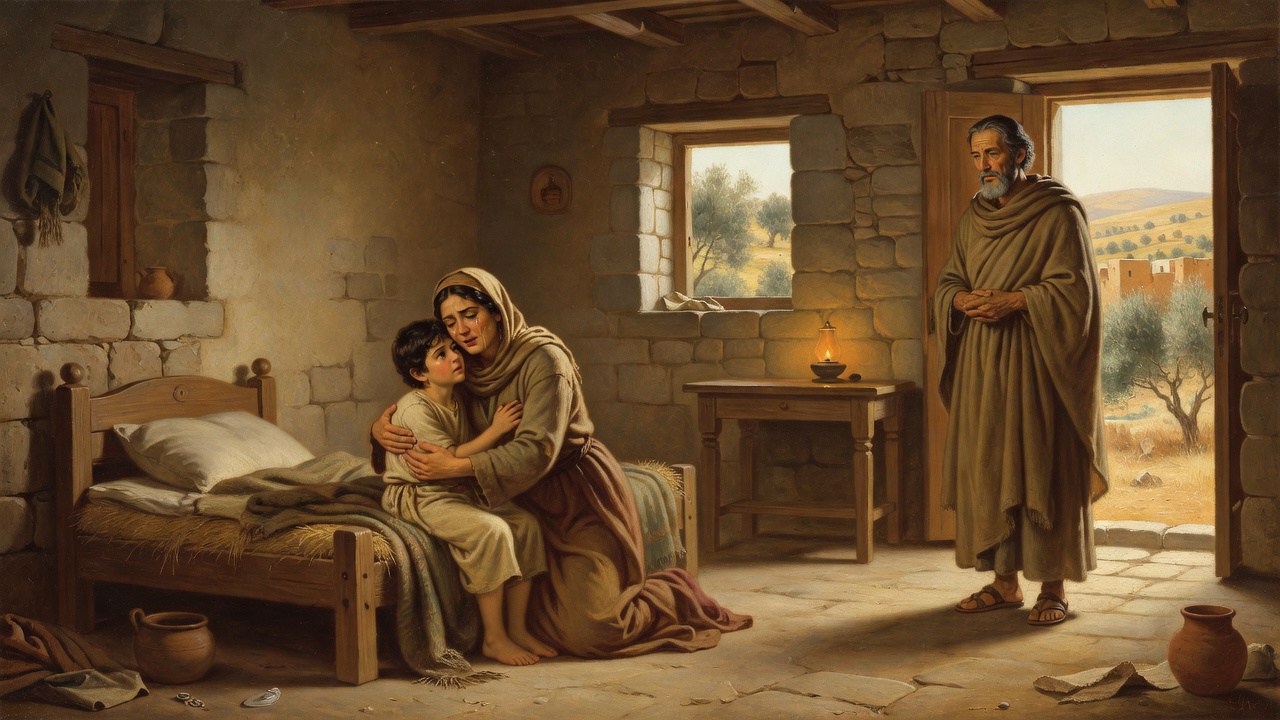
17Ɔ̃ nↄɛpi nↄsì. Kɛ́ wɛ̃ sù, à nɛ'ì gↄ̃ɛ ũ lá Ɛlizi òɛwa. 18Nɛ́pi gbãakũ̀. Gↄↄewa à gɛ̀ a mae lè bua pↄkɛkɛnaↄ kĩ́i. 19Ɔ̃ a ò a maepiɛ: Ma miɛ! Ma miɛ! Ɔ̃ aà maepi ò a zĩkɛnaɛ: Nɛ́pi sɛ taò a daɛ. 20Kɛ́ à aà sɛ̀ tàò a daɛ, ↄ̃ aà dapi aà sɛ kpà a gbáa. Kɛ́ ĩatɛ̃ kà minanguo, ↄ̃ à gà. 21À dɛ̀dɛaànↄ Lua gbɛ̃́pi kpɛ́u, à aà wùlɛ aà liiwa, ↄ̃ à bↄ̀ à zɛtàaàlɛ. 22À a zã́ sìsi, ↄ̃ a òɛ̀: Zĩkɛnaↄ do gbaɛmɛɛ ń zàa'ĩnao. Má ye gɛ́ Lua gbɛ̃́pi kĩ́i kpakpaɛ. Má su tia. 23Ɔ̃ à aà là à mɛ̀: Bↄ́yãi ńlɛ gɛ́ aà kĩ́i gbãi? Mↄ dafu ge kã́mabogↄↄzĩn gbão. Ɔ̃ nↄɛpi mɛ̀: Yãe kuo. 24À káoyè zàa'ĩnaɛ à dìkpɛ, ↄ̃ a ò a zĩkɛnaɛ: Ǹ a lɛ́ kṹ wà gɛ́. Ńsu zɛo, sema má ònɛ bàasio. 25Aa dàzɛu aa gɛ̀ Lua gbɛ̃́pi kĩ́i Kaamɛli gbɛ̀sĩsĩ musu. Kɛ́ Lua gbɛ̃́pi aà è kãaa, a ò a zĩkɛna Geaziɛ: Sunɛũ nↄɛ gwa, àlɛ mↄ́ kee! 26Bàalɛ gɛ́ daiaàlɛ, ní aà la, tó a aafia ń a zã́o ń a nɛ́o. Ɔ̃ nↄɛpi wèwà à mɛ̀: Aafiaɛ! 27Kɛ́ à kà Lua gbɛ̃́pi kĩ́i gbɛ̀sĩsĩpi musu, ↄ̃ à aà kũ̀ a gbáwa. Kɛ́ Geazi mↄ̀ ↄzↄ̃iaàzi, ↄ̃ Lua gbɛ̃́pi mɛ̀: Ǹ aà to we. Aà nↄ̀sɛ ↄ̃̀ↄkpàɛ, ↄ̃ Dii ùlɛmɛɛ, i a yã'omɛɛo. 28Ɔ̃ nↄɛpi mɛ̀: Ma dii, ma nɛgↄ̃ɛ gbɛ̀ama yã̀? Mi mɛ ńsu ma wɛtotonkɛoo lé?
29Ɔ̃ Ɛlizi ò Geaziɛ: Ǹ n ula kãaa ǹ kṹ. Ma lípana sɛ bàalɛ. Tó n kpaaũ ń gbɛ̃eo, ńsu fↄkpawào. Tó gbɛ̃e fↄkpàma sↄ̃, ńsu weo. Gɛ ǹ ma lípanapi di nɛ́pi oaa. 30Ɔ̃ nɛ́pi da mɛ̀: Ń Dii kuao ń n kuao má tá n saio. Ɔ̃ à bↄ̀ tɛaàzi. 31Geazi dↄ̀aanɛ́ à gɛ̀ lípanapi dì nɛ́pi oaa, ãma i kĩ́ikɛo, i yãe kɛo. Ɔ̃ Geazi ɛ̀a gɛ̀ dà Ɛlizilɛ, a òɛ̀: Nɛ́pi i vuo. 32Kɛ́ Ɛlizi kà kpɛ́pi kĩ́i, à nɛ́pi è wúlɛa a liiwa gɛ̀. 33Ɔ̃ à gɛ̃̀ à zɛtà, à wabikɛ̀ Diiwa. 34Ɔ̃ à wùlɛ nɛ́piwa. À lɛpɛ̀ aà lɛ́wa, à wɛpɛ̀ aà wɛ́u, à ↄdàda aà ↄↄu, à kùa kã́ màmawà e aà mɛ gɛ̀ wãa kũ̀. 35Ɛlizi fɛ̀lɛwà, àlɛ táa'o kpɛ́piu, à gɛ́ le à su la, ↄ̃ à ɛ̀a gbɛsɛdì nɛ́piwa lↄ. Ɔ̃ nɛ́pi nisã̀ gɛ̃n sopla à a wɛ́ wɛ̃̀. 36Ɔ̃ Ɛlizi Geazi sìsi a òɛ̀: Sunɛũ nↄɛpi sísi. Kɛ́ à mↄ̀, ↄ̃ Ɛlizi òɛ̀: Ǹ n nɛ́ sɛ́. 37À gɛ̃̀ kùlɛ aà gbázĩ à wùlɛɛ̀, ↄ̃ à a nɛ́pi sɛ̀ bↄ̀ò.
Ãnabiↄ gãli blɛ yã́
38Ɛlizi tà Giligali. Gↄↄ bee imina kà bùsupiu. Ãnabiↄ kãaaa aà aɛ, ↄ̃ a ò a zĩkɛnapiɛ: Dàa ditɛ. Do kuu ãnabipiↄnɛ. 39Kɛ́ an gbɛ̃e gɛ̀ dopↄↄ wɛɛlɛi bua, ↄ̃ à bↄ̀ bòbo sɛ̃̀ pↄ́wa. À a bɛ bòbo kà a ula pai. Kɛ́ à sùò, ↄ̃ wa pàapaa wa kà dou, gbɛ̃e dↄ̃ lá a dɛo. 40Kɛ́ wà dopi dã̀ gbɛ̃́piↄnɛ aa pↄbleò, kɛ́ aa ìɛ, aa wiilɛ̀ aa mɛ̀: Lua gbɛ̃́, ga ku dàapiuɛ. Ɔ̃ aai fↄ̃ blèo. 41Ɔ̃ Ɛlizi mɛ̀: À pɛ̃ɛti sɛ́ mↄò. Ɔ̃ a dã kà dàapiu à mɛ̀: Dãnɛ́ aa ble. Ɔ̃ pↄvãipi làa dàapiu.
42Gbɛ̃e bↄ̀ Baali Salisa à mↄ̀ Lua gbɛ̃́piɛ ń pɛ̃ɛ pↄ́ wa kɛ̀ ń pↄ́wɛn sɛ̃́iao mɛ̀n bao ń mase dafuo. Ɔ̃ Ɛlizi mɛ̀: Kpa gbɛ̃́piↄwa aa só. 43Ɔ̃ aà zĩkɛna aà là à mɛ̀: Gbɛ̃́piↄ gbɛ̃ↄn basↄoɛ, kpelewa má bee dilɛnɛ́i? A wèwà à mɛ̀: Kpámá aa só, asa Dii mɛ̀ aa soɛ, a kĩni i ɛa gↄ̃. 44Ɔ̃ a dìlɛnɛ́ aa sò a kĩni gↄ̃̀ lá Dii òwa.
Did you know?
Miracles and Provision of Elisha
- Shunem was a village in the territory of Issachar, north of Jezreel and south of Mount Gilboa. When her son died suddenly, the Shunammite woman traveled about twenty miles across the plain to seek Elisha at Mount Carmel.Sources: Shunem · the Bible text itself
- In the ancient legal setting reflected in the text, creditors could take the children of a deceased debtor as enslaved laborers to recover unpaid debts, prompting the widow of a prophet to plead with Elisha for help.Sources: the Bible text itself
- During a famine at Gilgal, a man from Baal-shalishah brought Elisha twenty loaves of barley bread from the first ripe grain, which miraculously fed one hundred men with leftovers remaining.Sources: Baal-shalishah · the Bible text itself
Notes written with AI assistance from open sources (Theographic Bible Metadata, CC BY-SA 4.0; Easton’s Bible Dictionary, public domain) and reviewed before publishing.
Places in this chapter
- Shunem · Today: Sulam · 32.606, 35.334 · verses 8, 11, 12, 25
- Mount Carmel · 32.672, 35.023 · verse 25
Only places identified with high confidence are shown (90% or more according to the scholarly sources compiled by OpenBible). Period map: DARE (Digital Atlas of the Roman Empire), CC BY 4.0; modern map: © OpenStreetMap contributors; places: OpenBible.info (CC BY 4.0).
Credits and license for this translation
Bibeli Luayãtaalá
The Holy Bible in the Boko language spoken in Benin and Nigeria
copyright © 2010 SIM International
Language: Boko
Translation by: SIM International
Boko Bibeli Luayãtaala
This translation, published by the SIM au Benin, was published in 2010.
If you are interested in obtaining a printed copy, please contact the SIM at ECWA/SIM H.Q., P.M.B. 2009, Jos, Plateau State, NIGERIA.
This translation text is made available to you under the
terms of the Creative Commons License: Attribution-Noncommercial-No Derivative Works.
( http://creativecommons.org/licenses/by-nc-nd/3.0/ )
In addition, you have permission to port the text to different file formats, as long as you
do not change any of the text or punctuation of the Bible.
You may share, copy, distribute, transmit, and extract portions
or quotations from this work, provided that you include the above copyright
information:
You must give Attribution to the work.
You do not sell this work for a profit.
You do not make any derivative works that change any of the actual words or punctuation of the Scriptures.
Permissions beyond the scope of this license may be
available if you contact
us with your request.
This translation is made available to you under the terms of the
Creative Commons Attribution-Noncommercial-No Derivatives license 4.0.
You may share and redistribute this Bible translation or extracts from it in any format, provided that:
You include the above copyright and source information.
You do not sell this work for a profit.
You do not change any of the words or punctuation of the Scriptures.
Pictures included with Scriptures and other documents on this site are licensed just for use with those Scriptures and documents.
For other uses, please contact the respective copyright owners.
2014-09-25
Source: http://ebible.org/bqcsim/ · eBible.org