2 Kings 19
Bibeli Luayãtaalá · Tap a verse to see its cross-references.
Ezekia wabikɛa Diiwa
1Kɛ́ kí Ezekia yã́pi mà, à a ula ga kɛ̃̀, ↄ̃ à zwã̀nkasa kàkaala, à gɛ̀ Dii kpɛ́u. 2À a bɛ ziia Ɛliakiũ ń a lakɛ̃na Sɛbenao ń sa'onkiaↄ zĩ̀ ãnabi Isaia, Amↄzu nɛ́wa, zwã̀nkasaↄ kákaańla. 3Aa òɛ̀: Ezekia mɛ̀ yã́ gì gbãɛ, wà wá da taasiu wà wá lele wà widàdawá. Wa gↄ̃ lán nↄɛ pↄ́ a nɛ́ kà bↄa, mɛ́ yɛ̃̀ɛɛ ku a fↄ̃ iowaɛ. 4Asiliↄ kía a zĩgↄ̃ↄ gbɛ̃zↄ̃ↄ zĩ̀, à mↄ̀ Lua bɛ̃́ɛ láanikɛ̀. Dii n Lua yã́pi mà, a aà lele yã́pi oa yã́ia, wá dↄ̃o. Wabikɛwà wá gbɛ̃́ kↄ̃na pↄ́ wa gↄ̃ↄnɛ.
5Kɛ́ kí Ezekia zĩnapiↄ gɛ̀ Isaia lè màa, 6a ònɛ́: À gɛ o á diiɛ, Dii mɛ̀ asu to vĩa a kũ Asiliↄ kía ìwaↄ dↄ́ɛaanↄ yã́ pↄ́ a màpi yã́io. 7À ma! Tó Asiliↄ kía baoe mà, Dii a to làasoo gɛ̃aàgu, i ta a bùsuu, Dii i to wà aà dɛ ń fɛ̃ndao we.
8Kɛ́ zĩgↄ̃ↄ gbɛ̃zↄ̃ↄ mà Asiliↄ kía fɛ̀lɛ Lakisi, ↄ̃ à ɛ̀a tà à aà lè, àlɛ zĩka ń Libenadeↄ. 9Kɛ́ Asiliↄ kía mà Etiopiↄ kí Tilaka lɛ́ mↄ́ zĩkaianↄ, ↄ̃ à ɛ̀a zĩnaↄ gbàɛ Ezekiawa à mɛ̀: 10À o Yudaↄ kí Ezekiaɛ, dii pↄ́ àlɛ a náaikɛ à gbàsa mɛ̀ á Yelusalɛũ namɛɛ ma ↄzĩo, asu to diipi a sã́são. 11I ma lá Asiliↄ kíaↄ kɛ̀ bùsuↄnɛ à ń kɛ́ kɛ́lɛkɛlɛ píio lé? Ɔ̃mɛ a bↄ ado saa? 12Wɛ̃́lɛ pↄ́ ma deziↄ kàalɛↄ, Gozã ń Halanao ń Lɛzɛfio ń Edɛni pↄ́ kú Telasaaↄ, an tã́aↄ fↄ̃̀ ń bↄ́e? 13Amata kía kú mái? Aapadaɛ kía kú máɛ? Sefavaiũ ge Ena ge Iva kíaↄ ku mái?
14Zĩnapiↄ Asiliↄ lá kpà Ezekiawa. Kɛ́ à a kyokɛ̀, ↄ̃ à gɛ̀ Dii kpɛ́u a pòo aà aɛ, 15à wabikɛ̀wà à mɛ̀: Dii Isailiↄ Lua, ń kú malaika gã̀sĩadeↄ zãnguo, ḿmɛ ń Lua ũ bùsu pↄ́ kú dṹnia guu píiɛ. Ḿmɛ ń musu kɛ̀ ń tↄↄlɛo. 16Swã́kpa ǹ yãma, Dii. Wɛ́sɛ ǹ gugwa, Dii. Dↄ́ɛa ń Lua bɛ̃́ɛo lɛ́kpãsã pↄ́ Sɛnakelibu kɛ̀ ma fá! 17Sĩanaɛ Dii, Asili kíaↄ buipiↄ kàalɛ píiɛ, an bùsuↄ gↄ̃̀ bɛzia ũ. 18Aa ń diiↄ kàtɛu aa ń kpasa, asa pↄ́piↄá Lua no, pↄ́ pↄ́ gbɛ̃nazĩna kɛ̀ ń lío ń gbɛoↄnɛ. 19Dii wá Lua, wá bↄ aà ↄzĩ, bùsu pↄ́ kú dṹnia guu píi iↄ dↄ̃ kɛ́ n Dii, ḿmɛ ń Lua ũ ndo.
Sɛnakelibu gaa
20Ɔ̃ Amↄzu nɛ́ Isaia lɛ́kpãsãkɛ̀ Ezekiaɛ à mɛ̀: Dii Isailiↄ Lua mɛ̀ a wabi pↄ́ ń kɛ̀ Asiliↄ kí Sɛnakelibu yã́ musu mà, 21ↄ̃ à àsiɛ bee ò aà musu:
Siↄna nɛnↄɛ lɛ́so lɛ́ sakangu,
àlɛ n láanikɛ n kpɛ.
Gbɛ̃e i zĩble Yelusalɛũwa yãao
ↄ̃ àlɛ a mi dada a gã̀u.
22Dé n dↄɛwà ń sↄ̃̀sↄ̃i?
Dé n kãaɛ, n n mi dàɛ̀ íai?
Isailiↄ Lua pↄ́ a kua adoa n bee kɛ̀ɛ.
23Ń dà n zĩnaↄnɛ aa Dii sↄ̃̀sↄ̃,
n mɛ̀ n dɛdɛ sĩ̀sĩↄ musu
ń n zĩkasↄ̃goↄ dasidasi
e Libã bùsu gbɛ̀sĩsĩ misonau.
N sɛdɛ lí gbã̀aↄ zↄ̃̀zↄ̃,
n pɛ̃li zↄ̃ↄↄ kwɛ̀,
n ka a lɛ́wa musu e a líkpɛ sisiu.
24N lↄ̀ↄ yↄ̃̀ buipãleↄ bùsuu,
n a imì,
n kɛ̀sɛ Egipi swaↄ í bà.
25Kɛ́ ma Dii má dìlɛ màa za zi,
ni mao lé?
Ma zɛò à gɛ̃̀gɛ̃, ↄ̃ má tò à kɛ̀.
Má tò n ń wɛ̃́lɛ bĩ́ideↄ kwɛ̀ wìliũ,
aa gↄ̃̀ daaĩa.
26Wɛ̃́lɛpideↄ gbãa kɛ̃̀sã,
aa gↄ̃̀ suuu, wí ń kṹ,
aa dɛ lán sɛ̃saowa,
lán sɛ̃la bↄlↄwa,
lán sɛ̃ pↄ́ bↄ̀lɛ kpɛ́wa à gàga gↄ̃̀ↄwa.
27Má n kúkĩi dↄ̃,
má n gɛa ń n suao dↄ̃,
má n kãaamazi dↄ̃.
28N kãamazi,
n kàamai pↄ́ ń vĩ yã́ gɛ̃̀ ma swã́u.
Má bakanɛ n níuɛ,
má ã̀asĩna kanɛ n lɛ́uɛ,
mí tó ǹ ɛa tá ń zɛ́ pↄ́ n mↄòo.
29Ezekia, yã́ɛ bee aↄ dɛnɛ seela ũ:
Á pↄzã blɛ ble wɛ̃a, zii lↄ í ble we.
Zii kee sa à pↄ́tↄ̃ í pↄkɛkɛ,
à vɛ̃ɛli pɛ́pɛ í a bɛ ble.
30Yuda kↄ̃na pↄ́ bↄ̀ↄ zĩ́na a ɛa gɛ̃ tíu,
an nɛ́ iↄ kpa musu.
31Asa gbɛ̃́ kↄ̃naↄ bↄ Yelusalɛũ,
Siↄna gbɛ̀sĩsĩdepiↄ gↄ̃.
Ma Dii Zĩgↄ̃de ma ãia mɛ́ a bee kɛ.
32Ayãmɛto ma yã́ɛ bee ò Asiliↄ kía musu:
A gɛ̃ wɛ̃́lɛɛ beeuo,
a kazuuo,
a a sɛ̀ngbao dↄɛ̀o,
a koezↄ̃i à gbà lɛsĩ daio.
33A ɛa tá ń zɛ́ pↄ́ à mↄ̀òo,
a gɛ̃ wɛ̃́lɛɛ beeuo.
Ma Dii mámɛ má ò.
34Má gí ń wɛ̃́lɛpioɛ,
mí a suaba mazĩa yã́i
ń ma zↄ̀blena Davidi yã́io.
35Gwã́ bee Dii Malaika bↄ̀ gɛ̀ Asiliↄ bòou, à gbɛ̃́ↄ dɛ̀dɛ ↄ̀aasↄsↄo lɛɛ ↄ̀aa do gɛ̃osai (185.000). Kɛ́ aa fɛ̀lɛ kↄↄ, aa gɛↄ è kálɛa gupiiu. 36Ɔ̃ Asiliↄ kí Sɛnakelibu fɛ̀lɛ a bòopiu à ɛ̀a tà Niniva, a ku we. 37Gↄↄ pↄ́ a kúlɛa a tã́a Nisoki kpɛ́u, ↄ̃ aà nɛ́ↄ Adamɛlɛki ń Salɛzɛɛo aà dɛ̀ ń fɛ̃ndao. Aa bàasi tà Alalata bùsuu, ↄ̃ aà nɛ́ Esaadↄ̃ zↄ̃̀lɛ aà gbɛu.
Did you know?
Jerusalem Delivered from Assyria
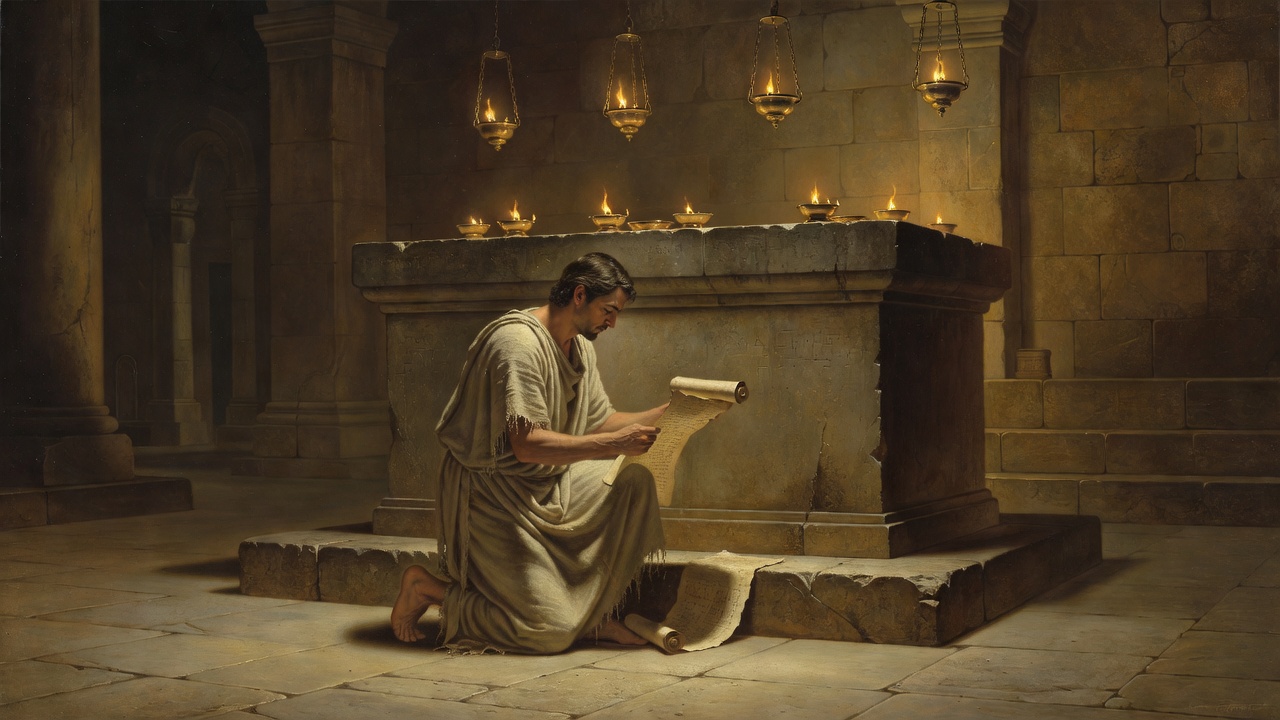
- When Hezekiah received Sennacherib's threatening letter, he entered the temple and spread it out before God, affirming that while the gods of other conquered nations were merely wood and stone, the God of Israel is the maker of heaven and earth.Sources: the Bible text itself · Hezekiah
- Sennacherib sent his second threatening message to Jerusalem while fighting against Libnah after departing Lachish, prompted by reports that Tirhakah, the king of Cush, was marching out to oppose him.Sources: the Bible text itself · Tirhakah · Libnah · Lachish
- After the angel of the Lord struck 185,000 soldiers in the Assyrian camp, Sennacherib retreated to Nineveh, where his own sons later assassinated him with swords inside the temple of his god Nisroch.Sources: the Bible text itself · Sennacherib
Notes written with AI assistance from open sources (Theographic Bible Metadata, CC BY-SA 4.0; Easton’s Bible Dictionary, public domain) and reviewed before publishing.
Places in this chapter
- Assyria · 36.359, 43.153 · verses 4, 6, 8, 10, 11, 17, 20, 32, 35, 36, 37
- Jerusalem · 31.777, 35.234 · verses 8, 9, 10, 21, 31, 32
- Lachish · Today: Tell ed Duweir · 31.565, 34.849 · verse 8
- Cush · Today: Cush 1 · 16.935, 33.751 · verse 9
- Eden · Today: Beth-eden · 36.701, 38.087 · verse 12
- Haran · Today: Harran · 36.864, 39.033 · verse 12
- Hamath · Today: Hama · 35.136, 36.750 · verse 13
- Zion · Today: Jerusalem · 31.777, 35.234 · verse 21
- Lebanon · 33.540, 35.584 · verse 23
- Mount Carmel · 32.672, 35.023 · verse 23
- Egypt · 30.129, 31.308 · verse 24
- Mount Zion · 31.772, 35.229 · verse 31
- Nineveh · 36.359, 43.153 · verse 36
- Ararat · Today: Urartu · 39.703, 44.300 · verse 37
Only places identified with high confidence are shown (90% or more according to the scholarly sources compiled by OpenBible). Period map: DARE (Digital Atlas of the Roman Empire), CC BY 4.0; modern map: © OpenStreetMap contributors; places: OpenBible.info (CC BY 4.0).
Credits and license for this translation
Bibeli Luayãtaalá
The Holy Bible in the Boko language spoken in Benin and Nigeria
copyright © 2010 SIM International
Language: Boko
Translation by: SIM International
Boko Bibeli Luayãtaala
This translation, published by the SIM au Benin, was published in 2010.
If you are interested in obtaining a printed copy, please contact the SIM at ECWA/SIM H.Q., P.M.B. 2009, Jos, Plateau State, NIGERIA.
This translation text is made available to you under the
terms of the Creative Commons License: Attribution-Noncommercial-No Derivative Works.
( http://creativecommons.org/licenses/by-nc-nd/3.0/ )
In addition, you have permission to port the text to different file formats, as long as you
do not change any of the text or punctuation of the Bible.
You may share, copy, distribute, transmit, and extract portions
or quotations from this work, provided that you include the above copyright
information:
You must give Attribution to the work.
You do not sell this work for a profit.
You do not make any derivative works that change any of the actual words or punctuation of the Scriptures.
Permissions beyond the scope of this license may be
available if you contact
us with your request.
This translation is made available to you under the terms of the
Creative Commons Attribution-Noncommercial-No Derivatives license 4.0.
You may share and redistribute this Bible translation or extracts from it in any format, provided that:
You include the above copyright and source information.
You do not sell this work for a profit.
You do not change any of the words or punctuation of the Scriptures.
Pictures included with Scriptures and other documents on this site are licensed just for use with those Scriptures and documents.
For other uses, please contact the respective copyright owners.
2014-09-25
Source: http://ebible.org/bqcsim/ · eBible.org