1 Kings 1
Bibeli Luayãtaalá · Tap a verse to see its cross-references.
About this book
About 1 Kings
- Easton's Bible Dictionary (1897) treats the authorship of the books of Kings as uncertain. A tradition that Jeremiah wrote them is, in Easton's view, supported by passages almost identical with parts of Jeremiah and by events Jeremiah knew personally, yet Easton thinks it more probable that Ezra, after the Captivity, compiled the books from earlier documents, perhaps written by David, Solomon, Nathan, Gad, and Iddo. Easton dates the composition between 561 B.C., when Jehoiachin was released from captivity by Evil-merodach, and 538 B.C., the decree of Cyrus.Sources: Easton: Kings, The Books of
- Easton says these books contain the annals of the kingdom from Solomon's accession until Nebuchadnezzar and the Babylonians subdued it, a period he estimates at about 453 years. 1 Kings opens while David is dying: Adonijah, his fourth son, who had become heir-apparent to the throne after the deaths of Amnon and Absalom, has himself proclaimed king, but Nathan and Bathsheba persuade David to enthrone Solomon at once. Solomon, David's son by Bathsheba, whose history is recorded in 1 Kings 1-11, came to the throne, Easton suggests, at about sixteen or eighteen.Sources: Easton: Kings, The Books of · Adonijah · Solomon
- In the Hebrew Scriptures the two books of Kings originally formed one book; the Septuagint first divided them and, with the Vulgate, numbers them as the third and fourth books of Kings, the books of Samuel being the first and second. Easton notes that Chronicles gives greater prominence to the priestly or Levitical office, while Kings gives greater prominence to the royal office, and that in the threefold division of the Scriptures by the Jews these books are ranked among the Prophets. The narrative points to earlier sources: the book of the acts of Solomon and the chronicles of the kings of Judah and of Israel.Sources: Easton: Kings, The Books of
- After Solomon's death the ten tribes revolted and invited Jeroboam, son of Nebat, to be their king; Easton calls him the first king of those tribes and dates his reign from 976 to 945 B.C. He had fled to Egypt under the protection of Shishak I, and later moved his residence from Shechem, his first capital, to Tirzah, which remained the chief residence of Israel's kings until Omri bought the hill of Shomeron from Shemer for two talents of silver and built Samaria. The later narrative includes Ahab, Omri's son and the seventh king of Israel, whose wife was Jezebel: to the calf worship introduced by Jeroboam he added the worship of Baal, and he was severely admonished by the prophet Elijah.Sources: Jeroboam · Tirzah · Samaria · Ahab
Notes written with AI assistance from open sources (Theographic Bible Metadata, CC BY-SA 4.0; Easton’s Bible Dictionary, public domain) and reviewed before publishing.
Adonia azĩa dilɛa kía ũ
1Kí Davidi zikũ̀ táotao. Baa tó wà zwãa kùaàla, ĩ́ana ì gi àↄ aà dɛɛ. 2Ɔ̃ aà ìwaↄ òɛ̀: Wá dii kí, to wà wɛ̃́ndia wɛɛlɛnɛ, aàↄ zĩkɛnɛ, iↄ n gwa, iↄ wúlɛ n saɛ, kɛ́ ĩ́ana su n dɛ lↄo yã́i. 3Ɔ̃ wà gɛ̀ kpálɛkɛ̀ wɛ̃́ndia kɛfɛnai Isaili bùsuu píi, ↄ̃ wà bↄ̀ Sunɛũ nↄɛ Abisagawa, wa sɛ̀ sùò kíɛ. 4Wɛ̃́ndiapiá nↄanaɛ. Ìↄ kí gwa àↄ zĩkɛɛ̀, ãma kí i aà dↄ̃ nↄɛ ũo.
5Agita nɛ́ Adonia azĩa dìlɛ a ka, à mɛ̀ ámɛ á kpalable tia. Ɔ̃ à sↄ̃́goↄ sɛ̀ ń sↄ̃deↄ ń gↄ̃ɛ gbɛ̃ↄn blakwi pↄ́ aaↄ bàalɛ aaↄ dↄaaɛↄ. 6Zaa a ku, aà mae i aà lele à mɛ bↄ́yãi ńlɛ kɛ màaio. Aàpi sↄ̃ gↄ̃ kɛfɛnaɛ. Abisaloũ mɛ́ yↄ̃́ mì a kpàwà. 7Ɔ̃ à lɛkpàaĩ ń Zeluia nɛ́ Yoabuo ń sa'ona Abiataao, ↄ̃ aa zɛ̀aànↄ. 8Kási sa'ona Zadoki ń Yoiada nɛ́ Benaiao ń ãnabi Natão ń Simɛio ń Davidi gbɛ̃naↄ ń aà dↄai nɛgↄ̃naↄ aai zɛaànↄo. 9Adonia sa'ò ń sãↄ ń zuↄ ń zunɛ mɛkpaaↄ Gbɛ̀mlɛ̃ pↄ́ kú Logɛli nibↄna saɛwa. À a dãuna kíanɛↄ sìsi píi ń Yuda pↄ́ dɛ kía ìwa ũↄ píi. 10I ãnabi Natã sísio ge Benaia ge Davidi dↄai nɛgↄ̃naↄ ge azĩa dãuna Salomↄↄ.
11Ɔ̃ Natã gɛ̀ Salomↄↄ da Basɛba là à mɛ̀: Ni ma Agita nɛ́ Adonia kpalablè wá dii kí Davidi dↄ̃a saio lé? 12To mà lɛdama, lá ńyↄ̃ kɛ, ǹ nzĩa misi ń n nɛ́ Salomↄↄ pↄ́o. 13Fɛlɛ gɛ́ kí Davidi kĩ́i, ní oɛ̀, kɛ́ à lɛgbɛ̃̀nɛ yãa sↄ̃ à mɛ̀ n nɛ́ Salomↄↄ mɛ́ a kpalable a gbɛu a gɛ̃ɛ ũ sↄ̃ bɛ? Àkɛa Adonia mɛ́ kpalablèi? 14Gↄↄ pↄ́ ńlɛ yã́pi oɛ̀ ↄ̃ má mↄ́ sↄ̃, mí yã́'idia. 15Ɔ̃ Basɛba gɛ̀ kí lè aà kpɛa, asa kí zikũ̀ɛ. Sunɛũ nↄɛ Abisaga kuaànↄ we. 16Basɛba kùlɛ mipɛ̀lɛɛ̀, ↄ̃ kí aà là à mɛ̀: Bↄ́ ń yeii? 17A wèwà à mɛ̀: Baa, ḿmɛ n lɛgbɛ̃̀ mapi n zↄ̀blenaɛ ń Dii n Lua tↄ́o n mɛ̀ ma nɛ́ Salomↄↄ mɛ́ a kpalable, iↄ dɛ kía ũ n gɛ̃ɛ ũo lò? 18Gwa ma dii kí, Adonia mɛ́ kpalablè tia, mɛ́ ń a yã́ dↄ̃o. 19À sa'ò ń zuↄ ń zunɛ mɛkpaaↄ ń sãↄ dasidasi, à n nɛ́ↄ sìsi píi ń sa'ona Abiataao ń zĩgↄ̃ↄ dↄaana Yoabuo, ↄ̃ i n zↄ̀blena Salomↄↄ sísio. 20Ma dii kí, ḿmɛ Isailiↄ sↄ̃́anzi ḿpii, wà e ma gbɛ̃́ pↄ́ a gↄ̃ kía ũ n gbɛu. 21Ma dii kí, tó n ta n deziↄ guu, mapi ń ma nɛ́ Salomↄↄo, waↄ wá gwa tàaedeↄ ũɛ.
22Kɛ́ àlɛ yã'o ń kío màa, ↄ̃ ãnabi Natã kà. 23Wa ò kíɛ wà mɛ̀, ãnabi Natã kɛ́. Ɔ̃ Natãpi mↄ̀ kùlɛ kíɛ, à wùlɛ a gbɛɛu 24à mɛ̀: Ma dii kí, ḿmɛ n mɛ̀ Adonia kpalable, iↄ dɛ kía ũ n gɛ̃ɛ ũa? 25Asa à gɛ̀ sa'ò gbã ń zuↄ ń zunɛ mɛkpaaↄ ń sãↄ dasidasi. À n nɛ́ↄ sìsi píi ń n zĩgↄ̃ↄ dↄaanao ń sa'ona Abiataao. Aalɛ pↄble, aalɛ imiaànↄ tia, aalɛ mɛ: Lua kí Adonia dↄ̃ ń aafiao! 26Ãma i mapi n zↄ̀blena sísio ge sa'ona Zadoki ge Yoiada nɛ́ Benaia ge n zↄ̀blena Salomↄↄ. 27Ma dii kí, asi ḿmɛ n yã́pi kɛ̀, ↄ̃ n gi gbɛ̃́ pↄ́ a zↄ̃lɛ kpalau n gɛ̃ɛ ũ oi wápiↄ n zↄ̀blenaↄnɛa?
Salomↄↄ kpaa kpalau
28Ɔ̃ kí Davidi mɛ̀: À Basɛba sísimɛɛ. Kɛ́ Basɛba mↄ̀ gɛ̃̀, à mↄ̀ zɛ̀ kí aɛ. 29Ɔ̃ kí lɛgbɛ̃̀ɛ̀ à mɛ̀: Dii ku! À ma bↄ taasi píi guu. 30Lɛ́ pↄ́ má gbɛ̃̀nɛ ń Dii Isailiↄ Lua tↄ́o, ma mɛ̀ n nɛ́ Salomↄↄ mɛ́ a kpalable ma gbɛu, iↄ dɛ kía ũ ma gɛ̃ɛ ũ, má kɛ gbã kã́ukãu. 31Ɔ̃ Basɛba kùlɛ mipɛ̀lɛ tↄↄlɛ kíɛ à mɛ̀: Ma dii kí Davidi, Lua n dↄ̃ ń aafiao gↄↄpii!
32Ɔ̃ kí Davidi mɛ̀: À sa'ona Zadoki sísimɛɛ ń ãnabi Natão ń Yoiada nɛ́ Benaiao. Kɛ́ aa kà kí kĩ́i, 33a ònɛ́: À ma ìwaↄ naaa à gɛ́ ma nɛ́ Salomↄↄ dii ma sↄ̃baona kpɛ, í gɛaànↄ Giↄ̃. 34Wekĩi sa'ona Zadoki ń ãnabi Natão aa nísikauwà, aai aà dilɛ Isailiↄ kía ũ, í kuupɛ à wiilɛ à mɛ: Lua kí Salomↄↄ dↄ̃ ń aafiao! 35Bee kpɛ í suaànↄ, i zↄ̃lɛ kpalau, iↄ dɛ kía ũ ma gbɛu. Aàpi má dìlɛ Isailiↄ ń Yudaↄ dↄaana ũ. 36Ɔ̃ Yoiada nɛ́ Benaia ò kíɛ: A kɛ màa! Dii n Lua n lɛ́si, ma dii kí! 37Lá Dii kunnↄ ma dii kí, aàↄ kú ń Salomↄↄo màa sↄ̃, i aà kíakɛ kã́fĩ dɛ n pↄ́a.
38Ɔ̃ sa'ona Zadoki ń ãnabi Natão ń Yoiada nɛ́ Benaiao ń dↄaiↄ gɛ̀ Salomↄↄ dì kí Davidi sↄ̃baona kpɛ, aa gɛ̀aànↄ Giↄ̃. 39Ɔ̃ sa'ona Zadoki nísi tùu sɛ̀ Dii zwã̀akpɛu, à nísipi kà Salomↄↄwa. Kɛ́ wà kuupɛ̀, ↄ̃ gbɛ̃́pii wiilɛ̀ aa mɛ̀: Lua kí Salomↄↄ dↄ̃ ń aafiao! 40Ɔ̃ gbɛ̃́pii bↄ̀ tɛaàzi, aalɛ su, aalɛ kulɛpɛ, aalɛ pↄnakɛ maamaa, ↄ̃ tↄↄlɛ lùa kↄ̃fĩ pↄ́ aalɛ kɛpi yã́i.
41Kɛ́ Adonia ń gbɛ̃́ pↄ́ à ń sisiↄ pↄblè aa làa, aalɛ fɛlɛ, aa kↄ̃fĩpi mà. Kɛ́ Yoabu kuu'ↄpi mà, ↄ̃ à mɛ̀: Bↄ́ zↄa mɛ́ dↄ wɛ̃́lɛ guu màai? 42I yã́pi o a làao, ↄ̃ sa'ona Abiataa nɛ́ Yonatãa kàò gↄ̃̀ↄ. Ɔ̃ Adonia mɛ̀: Mↄ ǹ gɛ̃. Bɛɛɛden n ũ, baona n mↄò. 43Ɔ̃ Yonatãa ò Adoniaɛ: Aawo! Wá dii kí Davidi mɛ́ Salomↄↄ kpà kpalau. 44À sa'ona Zadoki ń ãnabi Natão ń Yoiada nɛ́ Benaiao ń a dↄaiↄ gbàɛ aa gɛaànↄ, ↄ̃ aa gɛ̀ aà dì kí sↄ̃baona kpɛ. 45Ɔ̃ sa'ona Zadoki ń ãnabi Natão nísikàwà, aa aà kpà kía ũ Giↄ̃. Bↄa we aa sù ń pↄnakɛao, ↄ̃ wɛ̃́lɛ lòo. Kↄ̃fĩ pↄ́ á màn we. 46Salomↄↄ zↄ̃lɛa kpalau kↄ̀. 47Ɔ̃ wá dii kí Davidi ìwaↄ mↄ̀ fↄkpàwà sↄ̃, aa mɛ̀ Lua Salomↄↄ tↄbↄ dɛ aà pↄ́a! Lua aà kíakɛ gba gbãa dɛ aà pↄ́a! Ɔ̃ Davidi misìilɛ Diiɛ a liiwa, 48à mɛ̀: Wà gbãakpa Dii Isailiↄ Luazi! Asa a tò ma wɛsì ma gɛ̃ɛ kpaa ma kpalaulɛ gbã.
49Kɛ́ vĩa gbɛ̃́ pↄ́ Adonia ń sisiↄ kũ̀, ↄ̃ aa tilɛ̀, baade a taa kɛ̀. 50Kɛ́ Adonia lɛ́ vĩakɛ Salomↄↄɛ, à fɛ̀lɛ gɛ̀ nà Dii gbagbakĩizi, à a kↄ́ba kũ̀. 51Ɔ̃ wa ò Salomↄↄɛ wà mɛ̀: Gwa, Adonia lɛ́ vĩakɛnɛɛ, à gɛ̀ nà Dii gbagbakĩizi a a kↄ́ba kũa, àlɛ mɛ ǹ lɛgbɛ̃ n zↄ̀blenaɛ gbã, kɛ́ ńyↄ̃ a dɛo. 52Ɔ̃ Salomↄↄ mɛ̀: Tó a azĩa kũa dↄ̃ gbɛ̃́ bɛɛɛde ũ, baa aà mikãe a lɛ́lɛ zĩ́lɛo. Tó wà sù vãie èwà sↄ̃, à gàɛ. 53Ɔ̃ kí Salomↄↄ gbɛ̃́ↄ zĩ̀ aa Adonia gò Dii gbagbakĩiwa. Kɛ́ Adoniapi mↄ̀ kùlɛɛ̀, ↄ̃ Salomↄↄ òɛ̀: Ta n bɛ.
Did you know?
The Succession to David's Throne
- As David's oldest surviving son after the deaths of Amnon and Absalom, Adonijah claimed the royal succession, backed by the military commander Joab and the high priest Abiathar. However, David chose his younger son Solomon, who was supported by the prophet Nathan, the priest Zadok, and the royal bodyguard under Benaiah.Sources: Adonijah · Solomon · the Bible text itself
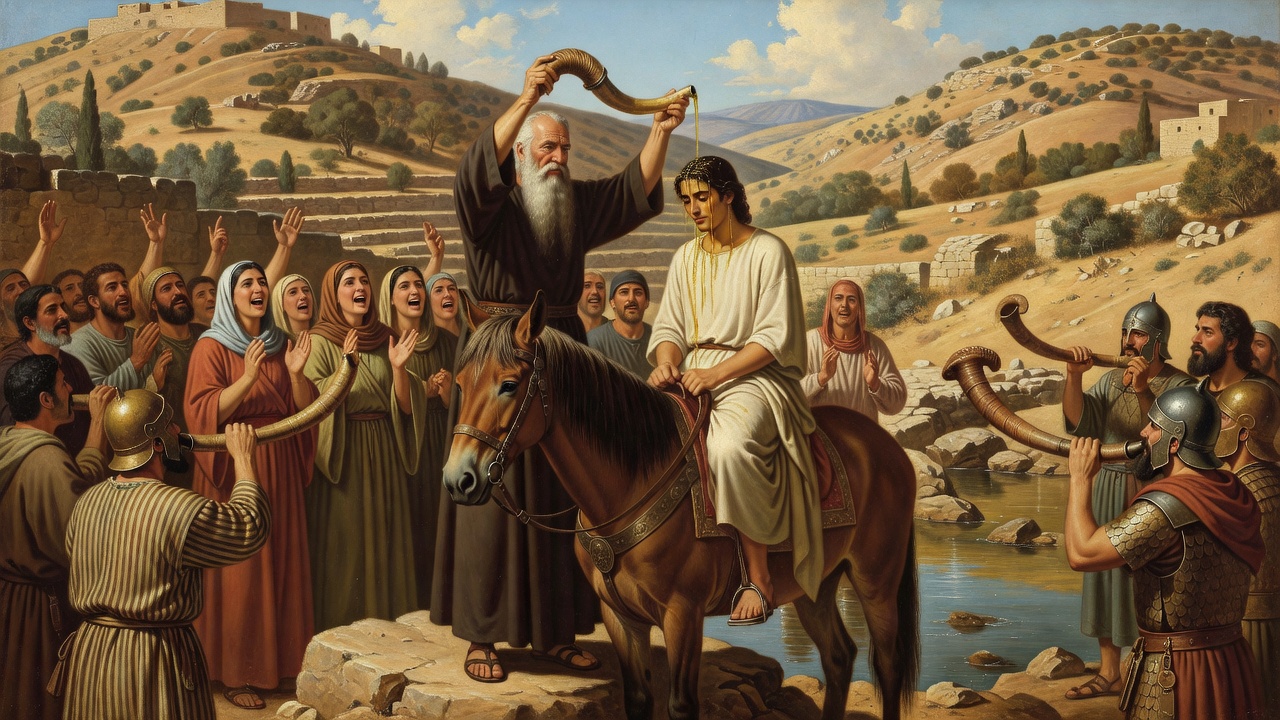
- Riding the king's own mule was a decisive public declaration of royal authority. By David's explicit instruction, Solomon was escorted down to the spring of Gihon, where Zadok anointed him king with oil taken from the tabernacle to the sound of ram's horns and popular celebration.Sources: Gihon · Zadok · the Bible text itself
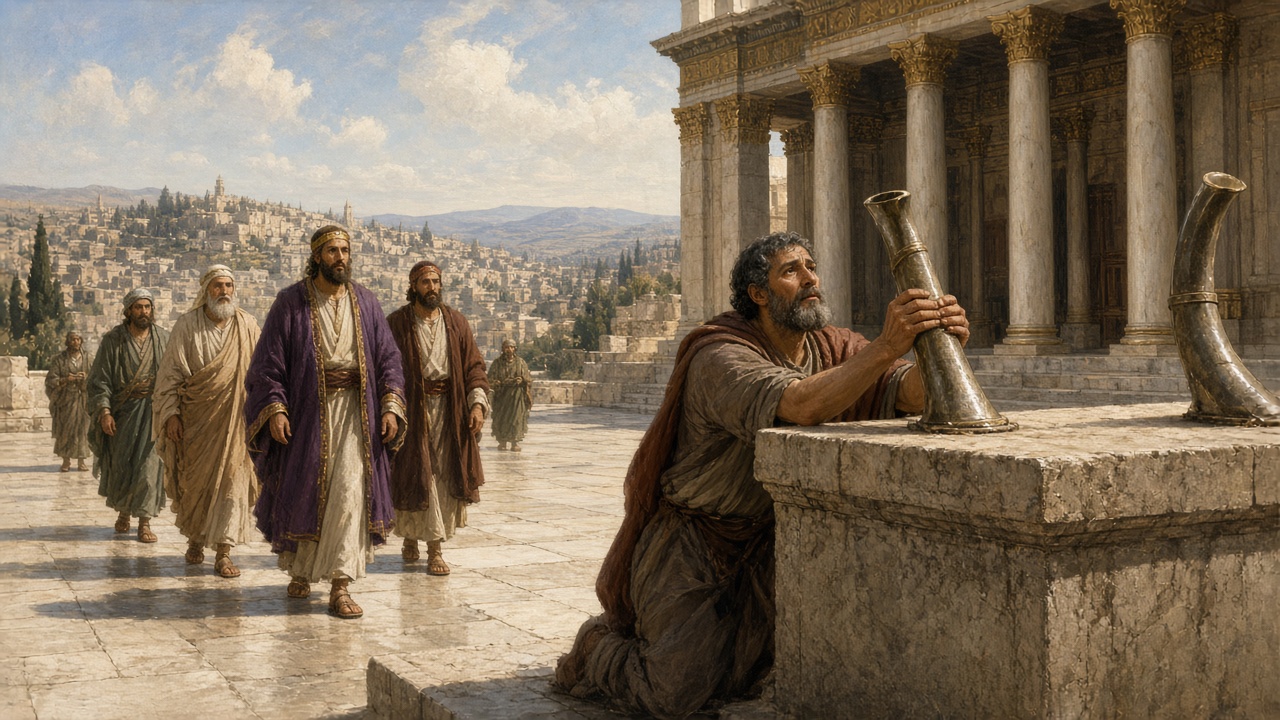
- Upon hearing of Solomon's public coronation, Adonijah fled in terror and sought asylum by taking hold of the horns of the sacrificial altar. Solomon granted him conditional clemency, sparing his life so long as he proved himself a worthy man.Sources: Adonijah · the Bible text itself
Notes written with AI assistance from open sources (Theographic Bible Metadata, CC BY-SA 4.0; Easton’s Bible Dictionary, public domain) and reviewed before publishing.
Places in this chapter
- Shunem · Today: Sulam · 32.606, 35.334 · verse 3
- Serpent’s Stone · Today: within 100 m of Bir Ayub · 31.767, 35.236 · verse 9
- Gihon · Today: Gihon Spring · 31.773, 35.236 · verses 33, 38, 44, 45
- Jerusalem · 31.777, 35.234 · verse 40
Only places identified with high confidence are shown (90% or more according to the scholarly sources compiled by OpenBible). Period map: DARE (Digital Atlas of the Roman Empire), CC BY 4.0; modern map: © OpenStreetMap contributors; places: OpenBible.info (CC BY 4.0).
Credits and license for this translation
Bibeli Luayãtaalá
The Holy Bible in the Boko language spoken in Benin and Nigeria
copyright © 2010 SIM International
Language: Boko
Translation by: SIM International
Boko Bibeli Luayãtaala
This translation, published by the SIM au Benin, was published in 2010.
If you are interested in obtaining a printed copy, please contact the SIM at ECWA/SIM H.Q., P.M.B. 2009, Jos, Plateau State, NIGERIA.
This translation text is made available to you under the
terms of the Creative Commons License: Attribution-Noncommercial-No Derivative Works.
( http://creativecommons.org/licenses/by-nc-nd/3.0/ )
In addition, you have permission to port the text to different file formats, as long as you
do not change any of the text or punctuation of the Bible.
You may share, copy, distribute, transmit, and extract portions
or quotations from this work, provided that you include the above copyright
information:
You must give Attribution to the work.
You do not sell this work for a profit.
You do not make any derivative works that change any of the actual words or punctuation of the Scriptures.
Permissions beyond the scope of this license may be
available if you contact
us with your request.
This translation is made available to you under the terms of the
Creative Commons Attribution-Noncommercial-No Derivatives license 4.0.
You may share and redistribute this Bible translation or extracts from it in any format, provided that:
You include the above copyright and source information.
You do not sell this work for a profit.
You do not change any of the words or punctuation of the Scriptures.
Pictures included with Scriptures and other documents on this site are licensed just for use with those Scriptures and documents.
For other uses, please contact the respective copyright owners.
2014-09-25
Source: http://ebible.org/bqcsim/ · eBible.org