1 Corinthians 7
Bibeli Luayãtaalá · Tap a verse to see its cross-references.
Nↄsɛa
1Lá pↄ́ á kɛ̃̀ yã́ musu, tó gↄ̃ɛ kú ↄnanↄɛwa sai, a maaɛ. 2Ãma kɛ́ nↄdãakpaa di yã́i, gↄ̃ɛ píi aàↄ azĩa na vĩ, nↄɛ píi aàↄ azĩa gↄ̃ vĩ. 3Gↄ̃ɛ lí wei a naɛ a zɛ́wa. Nↄɛ lí wei a gↄ̃ɛ màa lↄ. 4Nↄɛ mɛ dɛ azĩa pↄ́ ũo, sema aà gↄ̃. Màa lↄ gↄ̃ɛ mɛ dɛ azĩa pↄ́ ũo, sema aà na. 5Ásu gikↄ̃ɛo, sema á màkↄ̃ɛ kɛ́ à laaidↄ wabikɛawa gĩa, í gbasa á kɛa kɛ, kɛ́ Setãu su ↄ̃nↄkɛɛ́ à fu mɛnawao yã́i. 6Lɛ́ má dàwá, i kɛ teasi no. 7Má ye gbɛ̃́pii àↄ dɛmawa, ãma baade ń a gba pↄ́ Lua dàɛoɛ, gbɛ̃́ɛ bee ń a pↄ́o, gbɛ̃́ kee ń a pↄ́o.
8Málɛ yã́ɛ bee o pↄsɛↄ ń gyaaↄnɛ. A maa aaↄ kú ńdo lamawaɛ, 9ãma tó aa fↄ̃ ńzĩa kũo, aa nↄsɛ, aa zãkɛ, asa kↄ̃sɛa maa dɛ kua ń kↄ̃ nidɛaola.
10Málɛ yãdilɛ nↄdeↄ ń gↄ̃deↄnɛ, i kɛ mámɛo, Diiɛ. Nↄɛ su gi a zã́zio, 11gↄ̃ɛ su a na yao. Tó nↄɛ sù gì a zã́zi, aà zↄ̃lɛ ge aà ɛa kɛaànↄ na.
12Málɛ o gbɛ̃́ kĩniↄnɛ, i kɛ Dii mɛ́ òo. Tó á gbɛ̃e nↄ luanaaikɛnsai vĩ, mɛ́ nↄpi ye àↄ kuaànↄ, asu yao. 13Màa lↄ tó nↄɛe gↄ̃ luanaaikɛnsai vĩ, mɛ́ gↄ̃pi ye aàↄ kuanↄ, asu gio. 14Asa Lua ì gↄ̃ luanaaikɛnsai sí a na yã́i, mɛ́ ì nↄ luanaaikɛnsai sí a zã́ yã́i. Tó màa no, an nɛ́ↄ aaↄ gbãlɛaɛ. Sĩana guu an kua adoa. 15Tó a luanaaikɛnsai gì, aà gí. Yã́ bee taa guu an kua ń kↄ̃oá teasi no. Lua á sisi à á sɛ́ àↄ ku aafiaɛ. 16Nↄɛ, ńyↄ̃ n zã́ suaban lò, ń dↄ̃a? Gↄ̃ɛ, ńyↄ̃ n na suaban lò, ń dↄ̃a?
17Lá baade kú ń Lua kpaalɛo e Dii àↄ aà sisi, aà zɛò màa. Màa mi da Yesudeↄnɛ wɛ̃́lɛ ń wɛ̃́lɛo píi. 18Lua gbɛ̃́ sìsi tↄ̃zↄ̃an lò? Asu gyafↄↄdekɛ wɛɛlɛo. Lua gbɛ̃́ sìsi gyafↄↄde ũn lò? Asu tↄ̃zↄ̃o. 19Tↄ̃zↄ̃a yãe vĩo mɛ́ gyafↄↄ yãe vĩo, sema yã́ pↄ́ Lua dìlɛↄ kũa. 20Lá baade kú Lua aà sìsi à aà sɛ̀ò, aà zɛò màa. 21Lua n sisi zↄ ũn lò? Ńsu bílikɛo. Ãma tó ńsu n gↄ̃a wɛ̃́ɛ ũ zɛ́ è, bↄ zↄbleu. 22Zↄ pↄ́ Dii aà sìsi gↄ̃̀ wɛ̃́ɛ ũ Diipi guuɛ. Màa lↄ wɛ̃́ɛ pↄ́ Dii aà sìsi gↄ̃̀ zↄ ũ naa Kilisiwaɛ. 23Lua á lú à fĩabò. Ásu gↄ̃ gbɛ̃nazĩna zↄ ũo. 24Gbɛ̃́ↄ, lá baade kú Lua aà sìsiò, aà zɛ ń Luao màa.
Pↄsɛↄ ń gyaaↄ
25Pↄsɛↄ yã́ musu mi yãe ma Dii kĩ́io, ãma lá má náai vĩ Dii sùuu guu, lá ma làasoo dɛ má oɛ́. 26Taasi pↄ́ kú tia mɛ́ tò málɛ e a maa kɛ́ gbɛ̃́ zɛ ń a kuao. 27Tó ń nↄ vĩ, ńsu wɛɛlɛ ǹ gbaɛo. Tó ń vĩ sↄ̃o, ńsu wɛɛlɛo. 28Tó ń sɛ̀, ni duunakɛ no. Tó wɛ̃́ndia zãkɛ̀ sↄ̃, i duunakɛo. Gbɛ̃́ beeↄ yã'e dṹniau, mɛ́ má ye bee á leo. 29Ma gbɛ̃́ↄ, yã́ pↄ́ málɛ on kɛ: Gↄↄ i gↄ̃ zã̀o. Za tia nↄdeↄ gↄ̃ lá aa vĩowa. 30Ɔↄlↄnaↄ gↄ̃ lá aalɛ ↄ́ↄlↄowa. Pↄnadeↄ gↄ̃ lá an pↄ naowa. Pↄlunaↄ gↄ̃ lá aa pↄe vĩowa. 31Dṹnia pↄ́ mↄaokɛnaↄ gↄ̃ lá aalɛ kɛowa, asa dṹnia tiaɛ bee lɛ́ gɛ̃zɛaɛ.
32Má ye àↄ ku yãkãakɛsaiɛ. Pↄsɛ ì laaidↄ Dii yã́ↄwa, ì lá a ka Diigu kɛ. 33Nↄde ì laaidↄ dṹnia yã́ↄwa, ì lá a ka a nagu kɛ, 34ↄ̃ ìↄ kú ń làasoo plao. Nↄɛ pↄsɛ ge nↄɛ lɛ́so ì laaidↄ Dii yã́ↄwa, ì a mɛ ń a nisĩnao kpawà. Nↄzãe sↄ̃ ì laaidↄ dṹnia yã́ↄwa, ì lá a ka a zã́gu kɛ. 35I kɛ málɛ galakpaɛ́ no. Ma bee ò á aafia yã́iɛ, kɛ́ à yãkɛ a zɛ́wa, í ázĩa kpa Diiwa gupãle gwasai.
36Tó gbɛ̃́ nↄkpama vĩ, tó àlɛ gɛ̃ sɛaa mɛ́ à kɛ̀ɛ̀ wí ũ, tó à aà kàka beewa, aà aà sɛ́, lá à kɛ̀ɛ̀wa, àlɛ duunakɛo. Aa kↄ̃sɛ. 37Ãma tó à yã́pi bↄ̀ a nↄ̀sɛɛɛ, mɛ́ teasi lɛ́ aà kakao, mɛ́ a azĩa kũa dↄ̃, tó a dà a sↄ̃u á a wɛ̃́ndiapi sɛo, a kɛ̀ maaɛ. 38Beewa gbɛ̃́ pↄ́ a pↄ́ sɛ̀ a kɛ̀ maaɛ, ãma gbɛ̃́ pↄ́ i a pↄ́ sɛo maa dɛ beea.
39Nↄɛá a zã́ pↄ́ɛ gↄↄ pↄ́ aà zã́ kú píi. Tó aà zã́ sù ã́nuatò, a zɛvĩ à zãkɛ ń gↄ̃ pↄ́ a yeio, sema gↄ̃pi aàↄ dɛ Dii pↄ́ ũ. 40Ń beeo tó à gↄ̃̀ pↄsɛ, málɛ e aà pↄ àↄ na dɛ tó à zãkɛ̀la. Málɛ e mapi, má Lua Nisĩna vĩ sↄ̃.
Did you know?
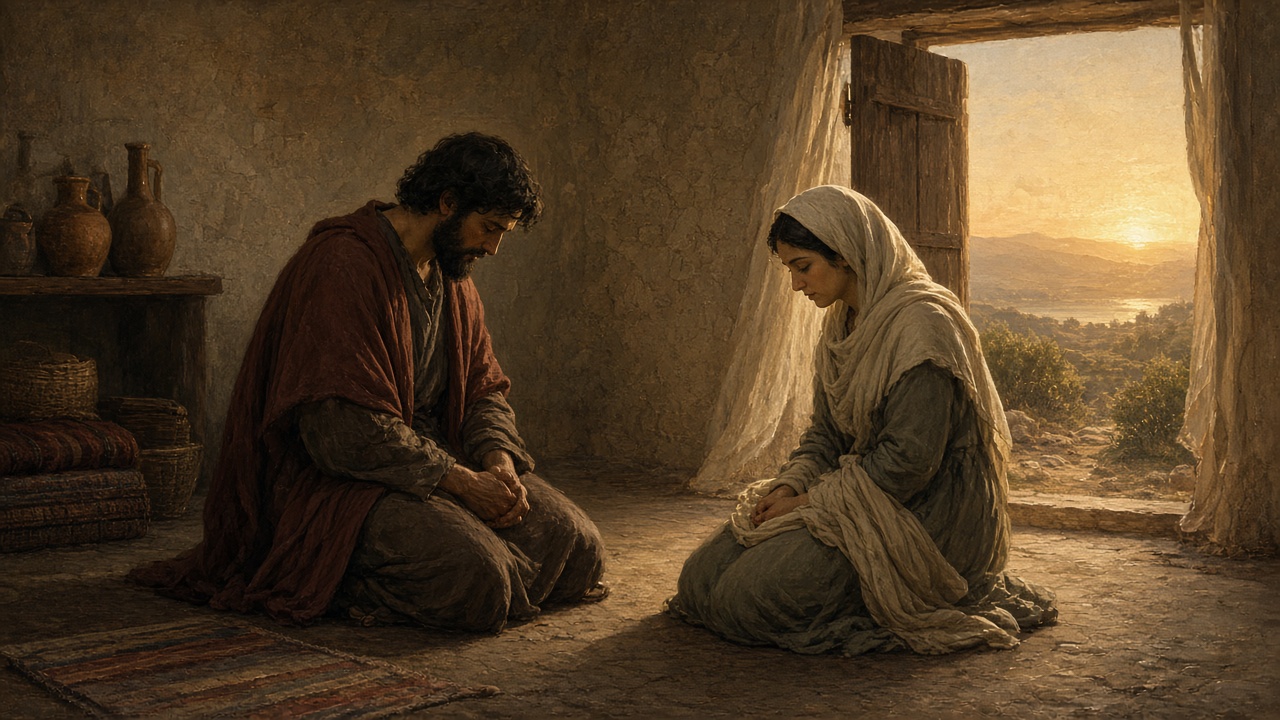
Counsel on marriage and the present crisis
- The chapter opens as a reply to matters the readers had written about. The writer says it is good to abstain from sexual relations, yet, because there is so much sexual immorality, each man should have his own wife and each woman her own husband. He presents this as a concession, not as a command, and says that each person has their own gift from God.Sources: the Bible text itself
- In marriage, the writer says the wife does not have authority over her own body, but the husband does, and likewise the husband does not have authority over his own body, but the wife does. They should not deprive each other except by mutual consent and for a time, so they may devote themselves to prayer, and then come together again, so that Satan will not tempt them through lack of self-control. Easton's Bible Dictionary (1897) presents the name Satan as “adversary” or “accuser,” and notes that he tempted Jesus in the wilderness.Sources: the Bible text itself · Satan
- The writer distinguishes a command he attributes to the Lord—a wife must not separate from her husband, and a husband must not divorce his wife—from his own judgment where he says he, not the Lord, is speaking, including marriages with an unbeliever and questions about virgins. Because of what he calls the present crisis, and because he says the time is short and this world in its present form is passing away, he thinks it good to remain as one is. He adds that to marry is not to sin, though those who marry will face troubles in this life.Sources: the Bible text itself
Notes written with AI assistance from open sources (Theographic Bible Metadata, CC BY-SA 4.0; Easton’s Bible Dictionary, public domain) and reviewed before publishing.
Credits and license for this translation
Bibeli Luayãtaalá
The Holy Bible in the Boko language spoken in Benin and Nigeria
copyright © 2010 SIM International
Language: Boko
Translation by: SIM International
Boko Bibeli Luayãtaala
This translation, published by the SIM au Benin, was published in 2010.
If you are interested in obtaining a printed copy, please contact the SIM at ECWA/SIM H.Q., P.M.B. 2009, Jos, Plateau State, NIGERIA.
This translation text is made available to you under the
terms of the Creative Commons License: Attribution-Noncommercial-No Derivative Works.
( http://creativecommons.org/licenses/by-nc-nd/3.0/ )
In addition, you have permission to port the text to different file formats, as long as you
do not change any of the text or punctuation of the Bible.
You may share, copy, distribute, transmit, and extract portions
or quotations from this work, provided that you include the above copyright
information:
You must give Attribution to the work.
You do not sell this work for a profit.
You do not make any derivative works that change any of the actual words or punctuation of the Scriptures.
Permissions beyond the scope of this license may be
available if you contact
us with your request.
This translation is made available to you under the terms of the
Creative Commons Attribution-Noncommercial-No Derivatives license 4.0.
You may share and redistribute this Bible translation or extracts from it in any format, provided that:
You include the above copyright and source information.
You do not sell this work for a profit.
You do not change any of the words or punctuation of the Scriptures.
Pictures included with Scriptures and other documents on this site are licensed just for use with those Scriptures and documents.
For other uses, please contact the respective copyright owners.
2014-09-25
Source: http://ebible.org/bqcsim/ · eBible.org