1 Chronicles 17
Bibeli Luayãtaalá · Tap a verse to see its cross-references.
Lua lɛgbɛ̃a Davidiɛ
1Kɛ́ kí zↄ̃̀lɛ a bɛ, a ò ãnabi Natãɛ: Ée! Kpɛ́ pↄ́ wa dↄ̀ ń sɛdɛ lío ↄ̃ máↄ zↄ̃lɛu, Dii bàakuawanↄ kpagolo iↄ dilɛa zwã̀akpɛua? 2Natã wèwà à mɛ̀: Lá à n pↄ gbàn kɛ, asa Lua kunnↄɛ. 3Gwãasĩna bee Dii yã'ò Natãɛ à mɛ̀: 4Gɛ ǹ o ma zↄ̀blena Davidiɛ ma mɛ̀ ↄ̃mɛ a bɛ pↄ́ máↄ ku a guu kpamɛɛo. 5Za gↄↄ pↄ́ ma bↄ ń Isailiↄ Egipi e gbã mi bɛkpao. Miↄ sↄ̃kĩikpakpaɛ, zwã̀akpɛ mɛ́ ma zↄ̃lɛkĩi ũ. 6Gu pↄ́ ma sↄ̃kĩikpàu ń ma gbɛ̃́ Isailiↄ píi mi dↄaanaↄ dilɛ aa dↄaanɛ́ɛ, kási mi o ń gbɛ̃eɛ, bↄ́yãi i kpɛdↄmɛɛ ń sɛdɛ líoo nio. 7Gɛ ǹ o ma zↄ̀blena Davidipiɛ, ma Dii Zĩgↄ̃de ma mɛ̀ ma aà sɛ̀ sãdãdãkĩi, kɛ́ aàↄ dɛ ma gbɛ̃́ Isailiↄ dↄaana ũɛ. 8Gu pↄ́ à gɛ̀u píi miↄ kuaànↄɛ, ↄ̃ ma aà ibɛɛↄ dɛ̀dɛɛ̀. Má aà tↄbↄ maamaa saɛ, iↄ dɛ dṹnia tↄdeↄ do ũ. 9Ma bùsu kpà ma gbɛ̃́ Isailiↄwa ma ń kálɛu, ↄ̃ aa zↄ̃̀lɛu aa gↄ̃̀ vĩ. Aa sↄ̃̀deedeekɛ lↄo. Gbɛ̃vãiↄ e ń wɛtã lá aa ń wɛtã̀ káau 10gↄↄ pↄ́ ma dↄaanaↄ dìlɛnɛ́wa lↄo. Má aà ibɛɛpiↄ busaɛ̀ píiɛ.
Ma Dii málɛ oɛ̀, mámɛ má bɛkpaɛ̀ aà buiↄ gbãa'ekĩi ũ. 11Tó aà gↄↄ pà à gà, má aà nɛgↄ̃ɛ mɛ̀ndo sɛ lɛsĩɛ, mí aà kpa kpalau. 12Aàpi mɛ́ a kpɛdↄmɛɛ, iↄ ku kpalau e gↄↄpii. 13Mámɛ máↄ dɛ aà mae ũ, aàpi iↄ dɛ ma nɛ́ ũ. Má gbɛ̃kɛ bↄaaaànↄ lá má bↄ̀aa ń gbɛ̃́ pↄ́ kú aà ãawao. 14Má aà buipi kpa kpala pↄ́ bↄ̀ ma kĩ́iu, iↄ ku we e gↄↄpii, iↄ dɛ ma gbɛ̃́ↄ kía ũ, mɛ́ aà kpalapi aↄ láaa vĩo.
15Ɔ̃ Natã yã́pi dàu a sìu Davidiɛ lá Dii òɛwa píi.
Davidi wabikɛa Diiwa
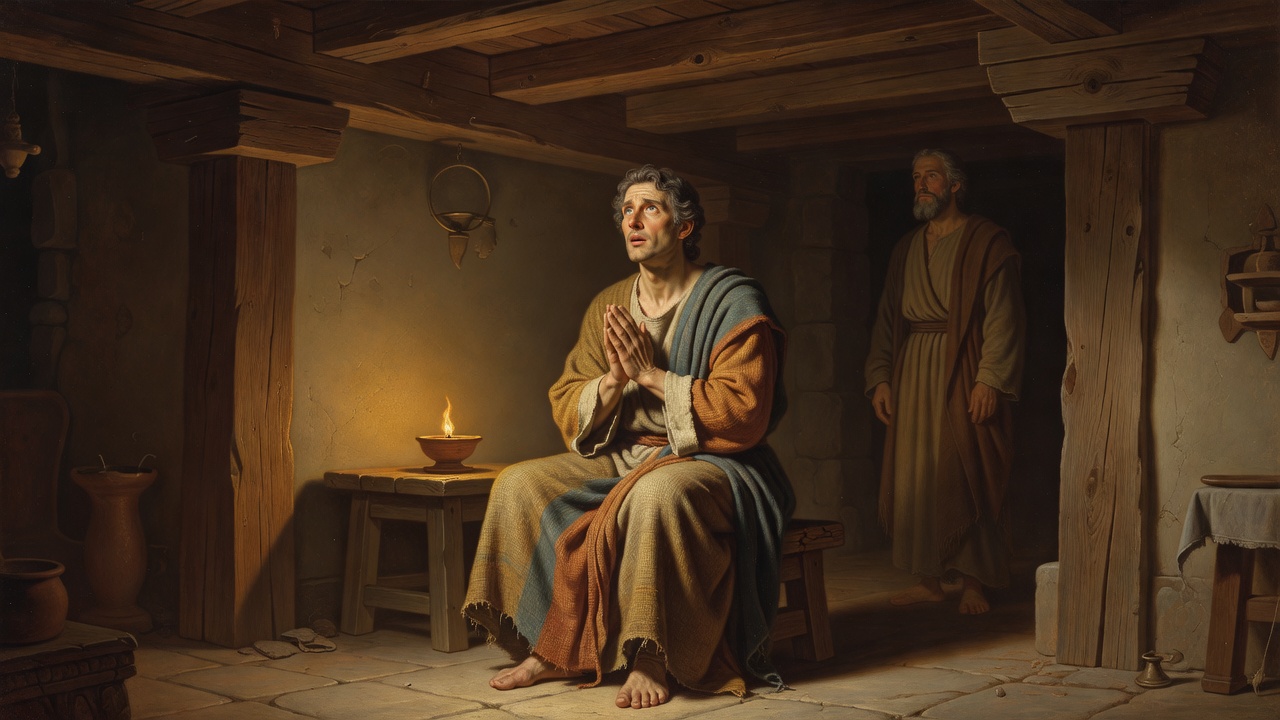
16Ɔ̃ kí Davidi gɛ̃̀ zↄ̃̀lɛ Dii aɛ à mɛ̀: Dii Lua, bↄ́n ma ũi? Deↄn ma bɛdeↄ ũ ↄ̃ n ma ka gweaɛ taawai? 17Lua, bee kɛ̀nɛ fɛ̃́nɛũ e tia, ↄ̃ n mapi n zↄ̀blena bui pↄ́ aↄ ku zia yã'ò lↄ. Dii Lua, ↄ̃ n ma dilɛ lándↄ̃ má dɛ gbɛ̃́piilawaa? 18Dii Lua, kpelewa má o sa mapi n zↄ̀blena kã́fĩa yã́ musu lↄi? Ń ma dↄ̃. 19Dii, n yãzↄ̃ↄpi kɛ̀ lá ń yeiwa ma yã́iɛ, ↄ̃ ń tò mapi n zↄ̀blena má yãzↄ̃ↄpiↄ dↄ̃ píi. 20Dii, gbɛ̃e muaannↄo. Diie kuo, n bàasio, lá wá màwa. 21Démɛ muaa ń n gbɛ̃́ Isailiↄi? Dṹnia buiↄ guu bui mɛ̀ndopi ↄ̃ ń bò n gbɛ̃́ↄ ũ. N nzĩa tↄbↄ̀, n yãzↄ̃ↄ bↄnsaɛↄ kɛ̀ n gbɛ̃́piↄnɛ, n buieↄ yà n gbɛ̃́ pↄ́ n ń bó Egipiↄnɛ. 22N Isailiↄ dìlɛ aaↄ dɛ n gbɛ̃́ↄ ũ e gↄↄpiiɛ. Dii, n gↄ̃ ń Lua ũ. 23Dii, to lɛ́ pↄ́ ń gbɛ̃̀ mapi n zↄ̀blena ń ma buiↄ yã́ musu àↄ ku gↄↄpii. Kɛ lá ń òwa, 24ní tↄbↄ maamaa e gↄↄpii, wi mɛ Dii Zĩgↄ̃deá Isailiↄ Luaɛ, mɛ́ mapi n zↄ̀blena Davidi, ńyↄ̃ ma buiↄ zĩ́napɛlɛ, 25asa mpi ma Lua, ń òmɛɛ n mɛ̀ ńyↄ̃ bɛkpamɛɛ ma buiↄ gbãa'ekĩi ũɛ. A yã́i tò mapi n zↄ̀blena ma sↄ̃dìlɛ ma wabiɛ bee kɛ̀ma. 26Dii, ḿmɛnn Lua, ↄ̃ n yãmaapi ò mapi n zↄ̀blenaɛ. 27Báaada mapi n zↄ̀blena ma buiↄgu sa, níↄ wɛ́tɛńzi gↄↄpii. Dii, ḿmɛ n báaadàńgu, aaↄ báaa vĩ e gↄↄpiiɛ.
Did you know?
God's Promise to David
- When David considered that he lived in a palace of cedar while the ark of the covenant remained under a tent, he intended to build a temple for God. Instead, God responded by promising that rather than David building a house for Him, God would establish an enduring royal house and dynasty for David.Sources: the Bible text itself
- Nathan was an influential prophet during the reigns of David and Solomon, appearing here to deliver God's covenant concerning the future dynasty and temple. Biblical records note that Nathan also participated in Solomon's coronation and authored historical accounts of both monarchs' reigns.Sources: Nathan · the Bible text itself
- In the divine message delivered by Nathan, the Lord recalled taking David from following sheep in the pastures to lead Israel. This humble background as a young shepherd on the uplands of Judah highlighted the dramatic elevation of his family to royal rule.Sources: David · the Bible text itself
Notes written with AI assistance from open sources (Theographic Bible Metadata, CC BY-SA 4.0; Easton’s Bible Dictionary, public domain) and reviewed before publishing.
Places in this chapter
Only places identified with high confidence are shown (90% or more according to the scholarly sources compiled by OpenBible). Period map: DARE (Digital Atlas of the Roman Empire), CC BY 4.0; modern map: © OpenStreetMap contributors; places: OpenBible.info (CC BY 4.0).
Credits and license for this translation
Bibeli Luayãtaalá
The Holy Bible in the Boko language spoken in Benin and Nigeria
copyright © 2010 SIM International
Language: Boko
Translation by: SIM International
Boko Bibeli Luayãtaala
This translation, published by the SIM au Benin, was published in 2010.
If you are interested in obtaining a printed copy, please contact the SIM at ECWA/SIM H.Q., P.M.B. 2009, Jos, Plateau State, NIGERIA.
This translation text is made available to you under the
terms of the Creative Commons License: Attribution-Noncommercial-No Derivative Works.
( http://creativecommons.org/licenses/by-nc-nd/3.0/ )
In addition, you have permission to port the text to different file formats, as long as you
do not change any of the text or punctuation of the Bible.
You may share, copy, distribute, transmit, and extract portions
or quotations from this work, provided that you include the above copyright
information:
You must give Attribution to the work.
You do not sell this work for a profit.
You do not make any derivative works that change any of the actual words or punctuation of the Scriptures.
Permissions beyond the scope of this license may be
available if you contact
us with your request.
This translation is made available to you under the terms of the
Creative Commons Attribution-Noncommercial-No Derivatives license 4.0.
You may share and redistribute this Bible translation or extracts from it in any format, provided that:
You include the above copyright and source information.
You do not sell this work for a profit.
You do not change any of the words or punctuation of the Scriptures.
Pictures included with Scriptures and other documents on this site are licensed just for use with those Scriptures and documents.
For other uses, please contact the respective copyright owners.
2014-09-25
Source: http://ebible.org/bqcsim/ · eBible.org