Revelation 3
I tnalù dwata · Tap a verse to see its cross-references.
I fgadè Dyisas di dad to faglut di banwe Sardis
1Na ani man Dyisas di deg, “Ani sulatam di kasaligan Dwata mifat i dad faglut di banwe Sardis. Manam di dad to faglut, ‘Nun man i to too mtulus na galan fite i ktulusan di fitu kfagu na magot i fitu blatik. Na ani sa i manan di gamu. Gadègu i kdee dad nimòyu. I gal man i dad to nun falami nawayu, bay i kaglutan gambet gamu mati. 2Mukat gamu nan, na tangalyu i kafaglutyu du fye là fles mati. Hae, du là sikof i dad nimòyu di kite Màgu Dwata. 3Taman fandamyu i gatdò di gamu talingeyu na tadnawatyu, na tooyu fkah di nawayu. Knagolyu i dad sasè nimòyu, du ku là gamu flinge i gmangu ani, salu agu di gamu gambet i to tmaku, du làyu gadè i kakelgu, na fanlayamta gamu.
4“ ‘Kabay gadègu nun dademe di gamu di Sardis là fagsik i klawehla, du là ale magin di sasè nimò i dad to én, taman gablà ale lamsak i bukay klaweh na magin deg. 5Na i dad to gamfisan i dad sasè mkel di dale di klalòla deg, ale kadang lamsak i klaweh bukay. Na làgu nifu i dagitla di libru gugsulat dagit i dad to gamdawat nawa landè sen, bay nfungu ale kadang di muna i Màgu na i dad kasaliganan. 6Ku nun klingeyu, flinge gamu i gman Tulus Dwata di dad to faglut.’ ” Ani man Dyisas di dad to faglut di banwe Sardis.
I fgadè Dyisas di dad to faglut di banwe Filadélfya
7Na lêman man Dyisas di deg, “Ani sulatam di kasaligan Dwata mifat i dad to faglut di banwe Filadélfya. Manam di dad to faglut, ‘Nun man i to landè salà, na too gsalig, na too nun glal di kagotan gambet i kagot Harì Dabid, hae, du ku lanwan i takab, du fye fafusukan i to di kagotan, landè to gmagan tmakab dun. Kabay ku tnakaban landè gmagan lamwa dun.
8“ ‘Na ani sa i manan di gamu. Gadègu i nimòyu. Gadègu là dee gamu faglut, bay knean tafkahyu i tnalùgu di nawayu na là gamu kmagol deg. Taman lanwagu gamu i takab di kagotgu, na landè to gmagan tmakab dun. 9Fanlingeyu agu. Ku simto di dad to Dyu nfun Satanas flingu na ale glut Dyu, bay tmulen ale kéng, ani kibògu dale. Fdanàgu ale kadang di gamu, du fye gadèla gamu i kanbonggu nawa. 10Hae, du nimenyu i tdògu gamu gablà di ktayud di dad kaflayam kel di gamu, kanlunggu gamu du fye làyu gnagu i kaflayam fan kel di klamang banwe, du tnilewgu i kdee dad to di tah tanà. 11I kasfulêgu tamdadong. Na du tamdadong tooyu fkah di nawayu i kaglut fnaglutyu, du fye landè fakay mwè di gamu i untungyu tatagà Dwata gamu.
12“ ‘Na i dad to gamfisan i dad sasè mkel di dale di klalòla deg, fbalinggu ale mdatah déén di gumnè Màgu Dwata na mnè ale déén landè gusenan. Na sulatgu di dale i dagit Màgu Dwata, na dagit i banwe Màgu Dwata, dunan falami Dyérusalém i fdanà fdu di langit mdà di Màgu Dwata. Na sulatgu di dale i falami dagitgu.
13“ ‘Ku nun klingeyu, flinge gamu i gman Tulus Dwata di gamu dad to faglut.’ ” Ani man Dyisas di dad to faglut di banwe Filadélfya.
I fgadè Dyisas di dad to faglut di banwe Lawdisya
14Na ani man Dyisas di deg, “Ani sulatam di kasaligan Dwata mifat i dad faglut di banwe Lawdisya. Manam di dad to faglut, ‘Nun man i to too gsalig du kdee manan slame glut, na kenen i gumdà i kdee dad tanimò Dwata. 15Na ani sa manan di gamu. Gadègu i nimòyu. Gadègu là tno na là minit i kafaglutyu di deg. Too fye moon ku minit i nawayu di deg, bay ku là, fye ku tno, du là agu mayè sa ku alò mduf i init i kafaglutyu di deg. 16Na taman du alò mduf i kafaglutyu di deg, laan tno na laan minit, fangu gamu lwà. 17Na galyu man, nun bong knunyu, na landè sa gukulangyu, bay làyu gadè i kaglutan, too sasè i kagkahyu, na magakdo gamu, du mbaling gamu dad to landè, na butè i fandamyu, na sadi gamu flaweh.
18“ ‘Taman ani fanngeweta gamu, di deg gumwèyu too glut blawen i gagu di lifoh, du fye nun bong knunyu. Na di deg gumwèyu bukay klaweh du lsakyu, du fye landè kyàyu di kaflawehyu. Na lêman di deg gumwèyu bulung i matayu, du fye mgulê i kbutèyu na baling gamu too mite. 19Nngakgu na bnadasgu i kdee dad to kanbonggu nawa, du fye matdò. Taman tooyu finit i kafaglutyu, na knagolyu i sasè nimòyu.
20“ ‘Tooyu agu fanlinge. Déén agu di bà i gufusuk i gumnèyu na mbal agu myak. Na ku nun mlinge na tmimel i kbalgu, myak agu di gumnean, na song gami kmaan. 21Na i dad to gamfisan i dad sasè mkel di dale di klalòla deg banlégu ale kadang glal sudeng di safédgu du magot kdee salngad di kafsudeng i Màgu deg di safédan di kfisangu i kdee dad sasè mkel di deg.
22“ ‘Ku nun klingeyu flinge gamu i gman Tulus Dwata di dad to faglut.’ ” Ani man Dyisas di dad to faglut di banwe Lawdisya.
Did you know?
Letters to Sardis, Philadelphia, and Laodicea
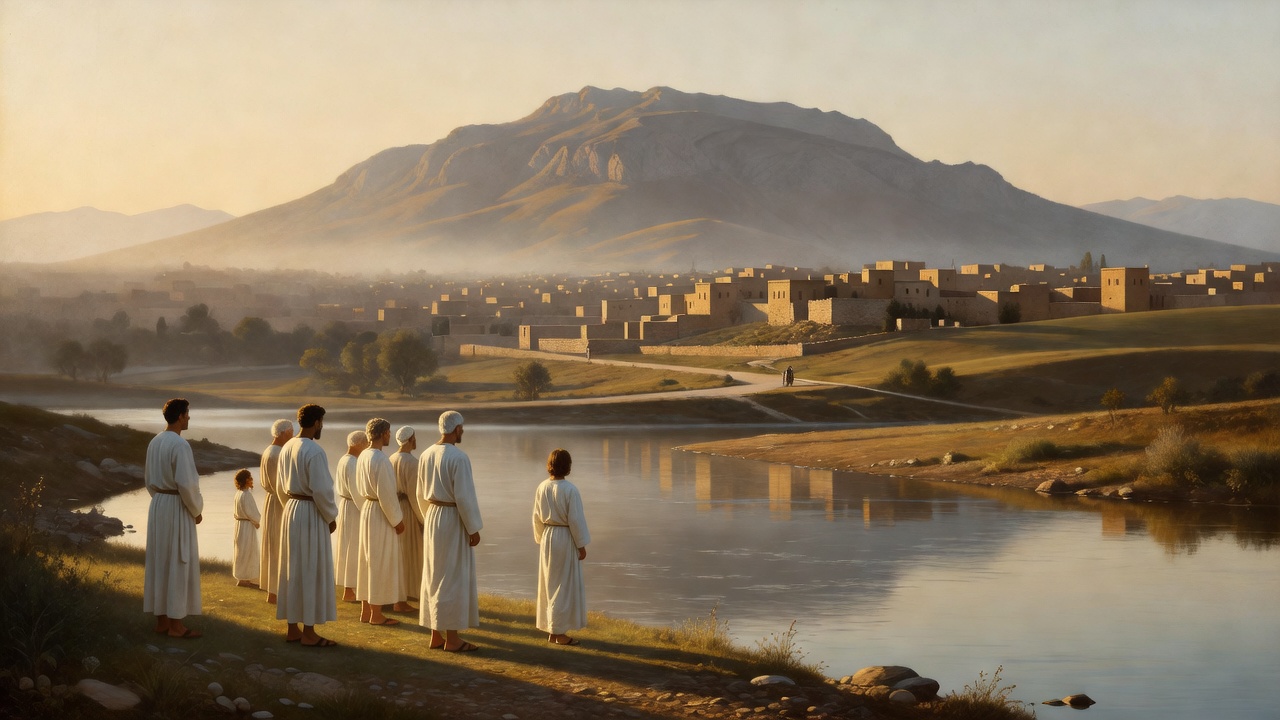
- Revelation 3 is a set of letters to churches in three cities of Asia Minor. Sardis, the metropolis of Lydia, stood on the river Pactolus at the foot of Mount Tmolus. Philadelphia, a name that means “brotherly love,” lay about twenty-five miles southeast of Sardis, while Laodicea stood on the Lycus, where Phrygia and Lydia meet, about forty miles east of Ephesus.Sources: Sardis · Philadelphia · Laodicea · the Bible text itself
- Laodicea was first called Diospolis and then Rhoas. It was later named Laodicea after Laodice, the wife of Antiochus II, king of Syria, who rebuilt it. Easton's Bible Dictionary (1897) calls it one of the most important and flourishing cities of Asia Minor and an early leading center of Christianity; in the letter, that church is said to claim that it is rich, has grown wealthy, and needs nothing.Sources: Laodicea · the Bible text itself
- The letter to Philadelphia speaks of a “synagogue of Satan” and of people who claim to be Jews but whom it calls liars. Satan means “adversary” or “accuser,” and in the New Testament the name is used interchangeably with the devil.Sources: Satan · the Bible text itself
Notes written with AI assistance from open sources (Theographic Bible Metadata, CC BY-SA 4.0; Easton’s Bible Dictionary, public domain) and reviewed before publishing.
Places in this chapter
- Sardis · 38.488, 28.040 · verses 1, 4
- Philadelphia · Today: Alaşehir · 38.350, 28.517 · verse 7
- Jerusalem · 31.777, 35.234 · verse 12
- Laodicea · Today: Laodicea on the Lycus · 37.836, 29.108 · verse 14
Only places identified with high confidence are shown (90% or more according to the scholarly sources compiled by OpenBible). Period map: DARE (Digital Atlas of the Roman Empire), CC BY 4.0; modern map: © OpenStreetMap contributors; places: OpenBible.info (CC BY 4.0).
Credits and license for this translation
I tnalù dwata
New Testament in Blaan, Sarangani
copyright © 1998 Wycliffe Bible Translators, Inc.
Language: Sarangani Blaan (Blaan, Sarangani)
Translation by: Wycliffe Bible Translators
Contributor: Wycliffe Bible Translators, Inc.
Copyright Information
© 1998, Wycliffe Bible Translators, Inc. All rights reserved.
This translation text is made available to you under the
terms of the Creative Commons License: Attribution-Noncommercial-No Derivative Works.
( http://creativecommons.org/licenses/by-nc-nd/3.0/ )
In addition, you have permission to port the text to different file formats, as long as you
do not change any of the text or punctuation of the Bible.
You may share, copy, distribute, transmit, and extract portions
or quotations from this work, provided that you include the above copyright
information:
You must give Attribution to the work.
You do not sell this work for a profit.
You do not make any derivative works that change any of the actual words or punctuation of the Scriptures.
Permissions beyond the scope of this license may be
available if you contact
us with your request.
The New Testament
in Blaan, Sarangani
© 1998, Wycliffe Bible Translators, Inc. All rights reserved.
This translation is made available to you under the terms of the
Creative Commons Attribution-Noncommercial-No Derivatives license 4.0.
You may share and redistribute this Bible translation or extracts from it in any format, provided that:
You include the above copyright and source information.
You do not sell this work for a profit.
You do not change any of the words or punctuation of the Scriptures.
Pictures included with Scriptures and other documents on this site are licensed just for use with those Scriptures and documents.
For other uses, please contact the respective copyright owners.
2015-03-17
Source: http://ebible.org/bps/ · eBible.org