Psalms 37
I tnalù dwata · Tap a verse to see its cross-references.
Salmo 37
I gukel dad fye na sasè to
Ani satu lingag Dabid.
1Nangyu fsamuk i nawayu gablà di dad to sasè,
na nang mingà nawayu i dee gwè i dad to mimò sasè;
2hae, du mlal ale lana di mata salngad i bnas mlal kafag;
na mlal mati salngad di dad fule mlanas.
3Kabay én nimòyu, too gamu smalig di Amuito Dwata na mimò fye,
du fye nun fye knèyu na landè sasè kel di gamu.
4Én nimòyu klehewyu Amuito Dwata,
na blén di gamu dad knayè i nawayu.
5Fagotyu i ktoyu na kdee nimòyu di Amuito Dwata;
smalig gamu di kenen na tnabengan gamu.
6Na ku én nimòyu, fite Dwata i katluyu di kdee to;
na i kfiten i klandè salàyu salngad i kfiten kneng i duh di kaltu i duh.
7Fanak gamu na fantahàyu i nawayu fatan i ktabeng Amuito Dwata gamu;
na nangyu fsamuk i nawayu gablà di bong gwè i dad to sasè,
na gablà di to too fulung dmohò i sasè fandaman.
8Nang gamu flabè, tagakyu i kalbut nawayu!
Na nangyu fsamuk i nawayu du én i gamgebe gamu di sasè.
9Ani gmangu du nun duh kadang maklang i nimò dad to sasè,
bay i dad to smalig di Amuito Dwata gfunla i banwe fakangan dale.
10Di là mlo ani, i dad to sasè, là ale teen dini di tah tanà ani;
balù ku tooyu ale fanngabal, làyu teen.
11Kabay dad to nun kafdanà nawala i baling mfun kadang i banwe,
na too nun klehewla na ktanak nawala di fye knèla ditù.
12I dad to sasè galla fandam ku tan i kibòla mlayam i dad to matlu;
nkabla i beengla mdà di knang nawala dale.
13Kabay nulé ale Dwata,
du gadean sa na là mlo malmo ale.
14Nsò i dad to sasè i dad faisla,
na bantulla i boholla du fye fnatila i dad to landè na i dad to matlu;
15bay di ksòla i faisla tabaling dale i mati du dale sa baling i gugtibe i faisla,
na i bohol i tabantulla baling tfò.
16I tukay nfun i to matlu
too mabtas fa di bong knun i dee to sasè,
17du i gal i dad to mimò sasè nwè Dwata,
bay tangalan i dad to matlu.
18Klit i duh gadè i Amuito Dwata kagkah i dad to matlu,
na nfunla i banwe fakangan di dale kel di landè sen.
19Na di bang i klandè, là ale madlà di ksaligla di Dwata,
du balù kel i bong kbitil nun lukas i knaanla.
20Kabay dad to sasè mati ale;
i dad dmuen Amuito Dwata mlal mati salngad i dad bulek di bnas,
na mlal ale lana gambet i buk.
21I dad to sasè gal mdem bay là gmagan tamlas i ndemla,
bay i to fye too mayè mlé.
22Du dad to gumlé Dwata i kafye, dale gamfun i banwe fakang Dwata dale;
bay i dad to knangan nawa, falwaan ale di banwe én.
23I Amuito Dwata malak i satu to di kagun na di nimoan,
na i dad to gaflehew kenen fgalan i klafàla di kdee nimòla;
24du balù gsindul kenen laan tì gafles fugen,
du i magot kenen i Amuito Dwata.
25Ani tatua agu nan, bay mdà fa di tingà agu kel ani,
landè fa teengu i to matlu ku tatì fbayà Dwata,
na landè fa teengu ku i dad ngaan gal mni kakaanla mdà di klandèla.
26I satu to matlu too mayè mlé na fdem di dademen to;
na i dad ngaan mablé kafye.
27Taman knagolyu i sasè nimò na baling gamu mimò fye,
du fye mnè gamu di banwe fakang Dwata kel di landè sen.
28Hae, du én alò kayè Amuito Dwata i katlu,
na laan sa fbayà i dad to faglut di kenen kel di landè gusenan;
bay i bel dad to mimò sasè falmon ale.
29Gfun i dad to matlu i banwe fakang Dwata dale,
na én i gumnèla kel di landè sen.
30I to matlu too nun gukmamu i galan man,
na ku mukum kenen too glut i kukuman;
31du i flalò Dwata déén di lam i nawan,
na laan nlafà.
32I to sasè toon neye i to matlu,
du mngabal kfagun mati kenen.
33Kabay là fbayà Amuito Dwata i to fye di falel i dad to dmuen kenen;
balù nebela kenen di kasfala là faloh Dwata ku nukumla kenen di salà.
34Smalig gamu di Amuito Dwata di kfatanyu kenen,
na nimenyu i dad flaloan;
na toon gamu fdatah fagu di kablén gamu i banwe fakangan di gamu,
na teenyu kadang i kalmo dad to sasè.
35Talmengu mite satu sasè to too fdatahan i kton;
salngad kenen di satu mdatah kayu sidar di banwe Lébanon.
36Kabay di là mlo mlius agu lêman di gumnean na talaan déén,
balù tan i kibògu mngabal kenen làgu nan teen.
37Tooyu neye i to landè salà, i to too matlu;
i to mebe ktanak nawa nun belan.
38Kabay mahal kagkah i dad to mimò sasè du nun too falmo dale kadang,
na balù i bella falmo.
39Én kagalwà i dad to matlu mdà di Amuito Dwata,
na kenen i guflidungla di bang i samuk.
40Kenen i tmabeng dale na falwà dale mdà di falel i dad to sasè;
falwaan ale du kenen i gusmaligla.
Did you know?
Wisdom on the Fate of the Righteous and the Wicked
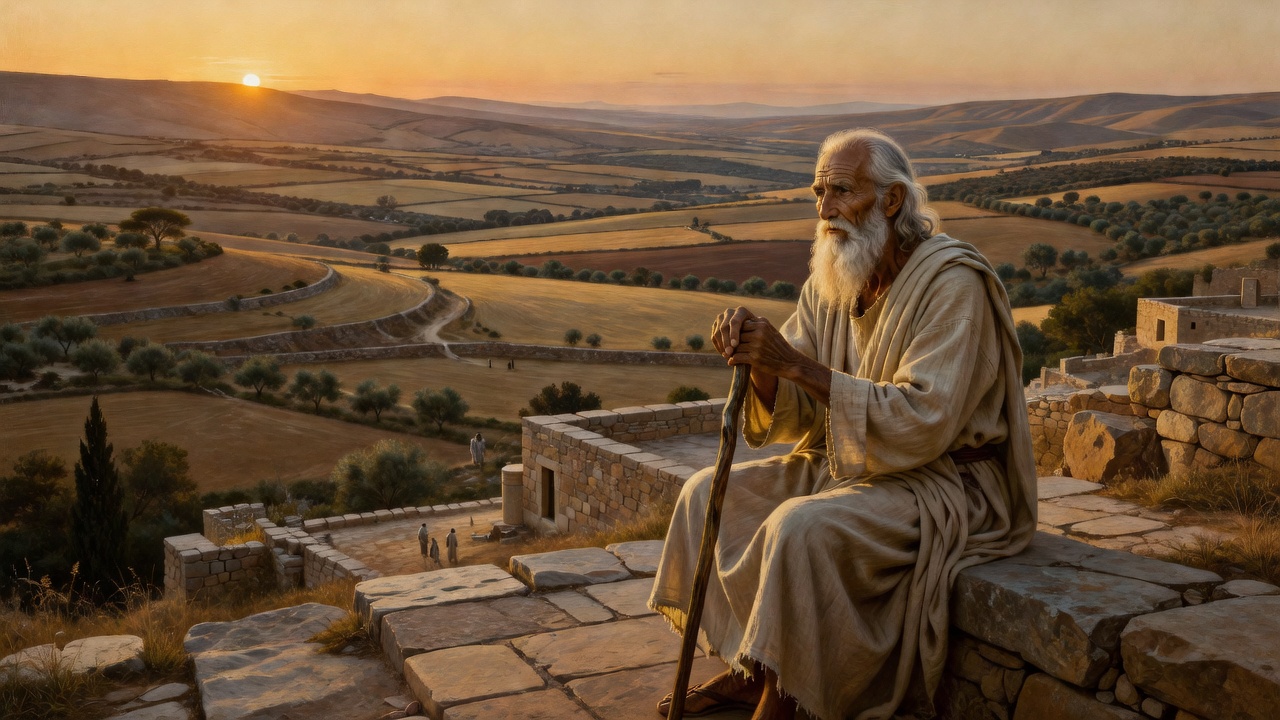
- The psalm is framed as reflection from a lifetime of observation, with the speaker noting that from youth to old age he has watched how the righteous and the wicked fare. Rather than a direct prayer or lament, it functions as wisdom poetry offering counsel to remain patient and avoid fretting over the temporary success of evil.Sources: the Bible text itself
- Throughout the poem, the promise of inheriting and dwelling securely in the land is repeated as the lasting outcome for the humble and righteous. By contrast, the transient prosperity of the wicked is illustrated through agricultural imagery, such as grass that withers quickly, vanishing smoke, and a flourishing tree that abruptly disappears.Sources: the Bible text itself
Notes written with AI assistance from open sources (Theographic Bible Metadata, CC BY-SA 4.0; Easton’s Bible Dictionary, public domain) and reviewed before publishing.
Places in this chapter
- Lebanon · 33.540, 35.584 · verse 35
Only places identified with high confidence are shown (90% or more according to the scholarly sources compiled by OpenBible). Period map: DARE (Digital Atlas of the Roman Empire), CC BY 4.0; modern map: © OpenStreetMap contributors; places: OpenBible.info (CC BY 4.0).
Credits and license for this translation
I tnalù dwata
New Testament in Blaan, Sarangani
copyright © 1998 Wycliffe Bible Translators, Inc.
Language: Sarangani Blaan (Blaan, Sarangani)
Translation by: Wycliffe Bible Translators
Contributor: Wycliffe Bible Translators, Inc.
Copyright Information
© 1998, Wycliffe Bible Translators, Inc. All rights reserved.
This translation text is made available to you under the
terms of the Creative Commons License: Attribution-Noncommercial-No Derivative Works.
( http://creativecommons.org/licenses/by-nc-nd/3.0/ )
In addition, you have permission to port the text to different file formats, as long as you
do not change any of the text or punctuation of the Bible.
You may share, copy, distribute, transmit, and extract portions
or quotations from this work, provided that you include the above copyright
information:
You must give Attribution to the work.
You do not sell this work for a profit.
You do not make any derivative works that change any of the actual words or punctuation of the Scriptures.
Permissions beyond the scope of this license may be
available if you contact
us with your request.
The New Testament
in Blaan, Sarangani
© 1998, Wycliffe Bible Translators, Inc. All rights reserved.
This translation is made available to you under the terms of the
Creative Commons Attribution-Noncommercial-No Derivatives license 4.0.
You may share and redistribute this Bible translation or extracts from it in any format, provided that:
You include the above copyright and source information.
You do not sell this work for a profit.
You do not change any of the words or punctuation of the Scriptures.
Pictures included with Scriptures and other documents on this site are licensed just for use with those Scriptures and documents.
For other uses, please contact the respective copyright owners.
2015-03-17
Source: http://ebible.org/bps/ · eBible.org