Psalms 16
I tnalù dwata · Tap a verse to see its cross-references.
Salmo 16
I alel dad to Dwata
Ani satu lingag Dabid.
1Dwata, kanlungam agu du ge i guflidunggu.
2Mangu di Amugu Dwata,
“Ge i gumdatahgu;
landè fye gfungu ku ise mdà di ge.”
3I dad to Dwata mnè di tah tanà ani, too ale fye;
na too nun klehewgu samnagin dale.
4I dad to ftabeng di dad ise glut dwata,
matnù baling i kaflayamla.
Là agu makuf di dad kadsùla,
na balù dagit i dad dwatala làgu tlo du ftabeng agu.
5Amugu Dwata, alò ge i amu tanalékgu,
na ge i gumdà kdee kanlidùgu;
i ktogu déén di falelam.
6I alel gablém deg too fye di deg.
Tay, kafye i gdawatgu mdà di ge.
7Dnayengu i Amugu Dwata du kenen i mngewe deg;
na ku butang balù di lam i nawagu nun tamdò deg.
8Làgu tlag fdatah i Amugu Dwata di fandamgu,
na du déén kenen di safédgu là agu galwà di ifatan.
9Taman too mlaan i nawagu, Amu, na too agu lehew;
na balù i lawehgu saliggu di ifatam,
10du balù mnè agu di agot i fati laam agu bayà;
laam tnagak i to toom kando di lbang.
11Ge i tamdò deg i dalan mfun falami nawa;
i kafdadongam, én gumdà ksikof i klehewgu,
na i dad tabengam gumdà i kafye landè gusenan.
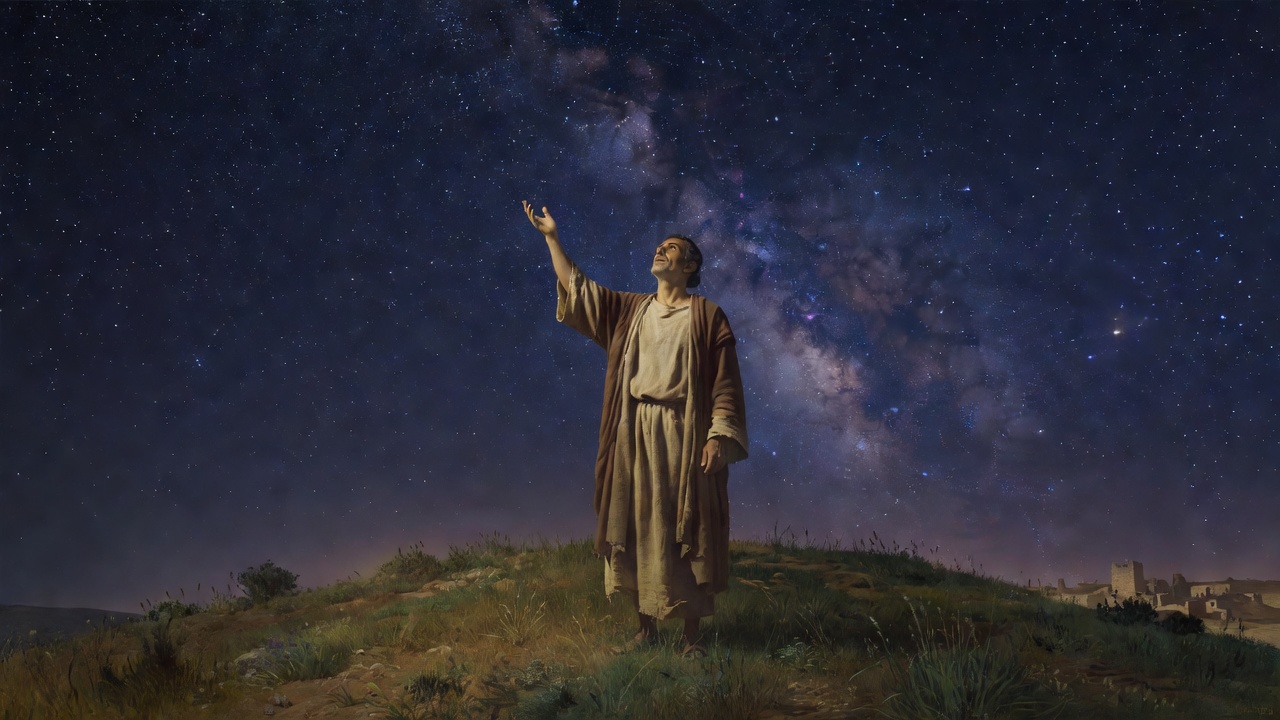
Did you know?
The Lord as Inheritance and Refuge
- The psalmist uses the imagery of measuring lines and land distribution to describe God as an inheritance. By stating that the boundary lines have fallen in pleasant places, the text portrays devotion to the Lord through the metaphor of a secure and delightful plot of land.Sources: the Bible text itself
- The text contrasts loyalty to God with the practices of those pursuing other deities. The speaker explicitly refuses to participate in foreign rituals involving libations of blood or even speak the names of those gods.Sources: the Bible text itself
- The psalm closes with confidence regarding mortality, affirming that God will not abandon the speaker's soul to Sheol or allow His devoted one to experience decay, but instead will show the path of life and joyful presence.Sources: the Bible text itself
Notes written with AI assistance from open sources (Theographic Bible Metadata, CC BY-SA 4.0; Easton’s Bible Dictionary, public domain) and reviewed before publishing.
Credits and license for this translation
I tnalù dwata
New Testament in Blaan, Sarangani
copyright © 1998 Wycliffe Bible Translators, Inc.
Language: Sarangani Blaan (Blaan, Sarangani)
Translation by: Wycliffe Bible Translators
Contributor: Wycliffe Bible Translators, Inc.
Copyright Information
© 1998, Wycliffe Bible Translators, Inc. All rights reserved.
This translation text is made available to you under the
terms of the Creative Commons License: Attribution-Noncommercial-No Derivative Works.
( http://creativecommons.org/licenses/by-nc-nd/3.0/ )
In addition, you have permission to port the text to different file formats, as long as you
do not change any of the text or punctuation of the Bible.
You may share, copy, distribute, transmit, and extract portions
or quotations from this work, provided that you include the above copyright
information:
You must give Attribution to the work.
You do not sell this work for a profit.
You do not make any derivative works that change any of the actual words or punctuation of the Scriptures.
Permissions beyond the scope of this license may be
available if you contact
us with your request.
The New Testament
in Blaan, Sarangani
© 1998, Wycliffe Bible Translators, Inc. All rights reserved.
This translation is made available to you under the terms of the
Creative Commons Attribution-Noncommercial-No Derivatives license 4.0.
You may share and redistribute this Bible translation or extracts from it in any format, provided that:
You include the above copyright and source information.
You do not sell this work for a profit.
You do not change any of the words or punctuation of the Scriptures.
Pictures included with Scriptures and other documents on this site are licensed just for use with those Scriptures and documents.
For other uses, please contact the respective copyright owners.
2015-03-17
Source: http://ebible.org/bps/ · eBible.org