Proverbs 14
I tnalù dwata · Tap a verse to see its cross-references.
1I libun fulung faldam, too fye kifatan i malayan, taman toofye knèla,
bay i libun là fulung faldam, falmon i malayan.
2I to mimò matlu, nun klikoan di Dwata,
bay i to gal mgaw toon fite landè klikoan di Dwata.
3I kafdag i to là fulung faldam, gambet i bunalan i demen to nabalù kenen kto,
bay i dad gman i to fulung faldam, én i klungan.
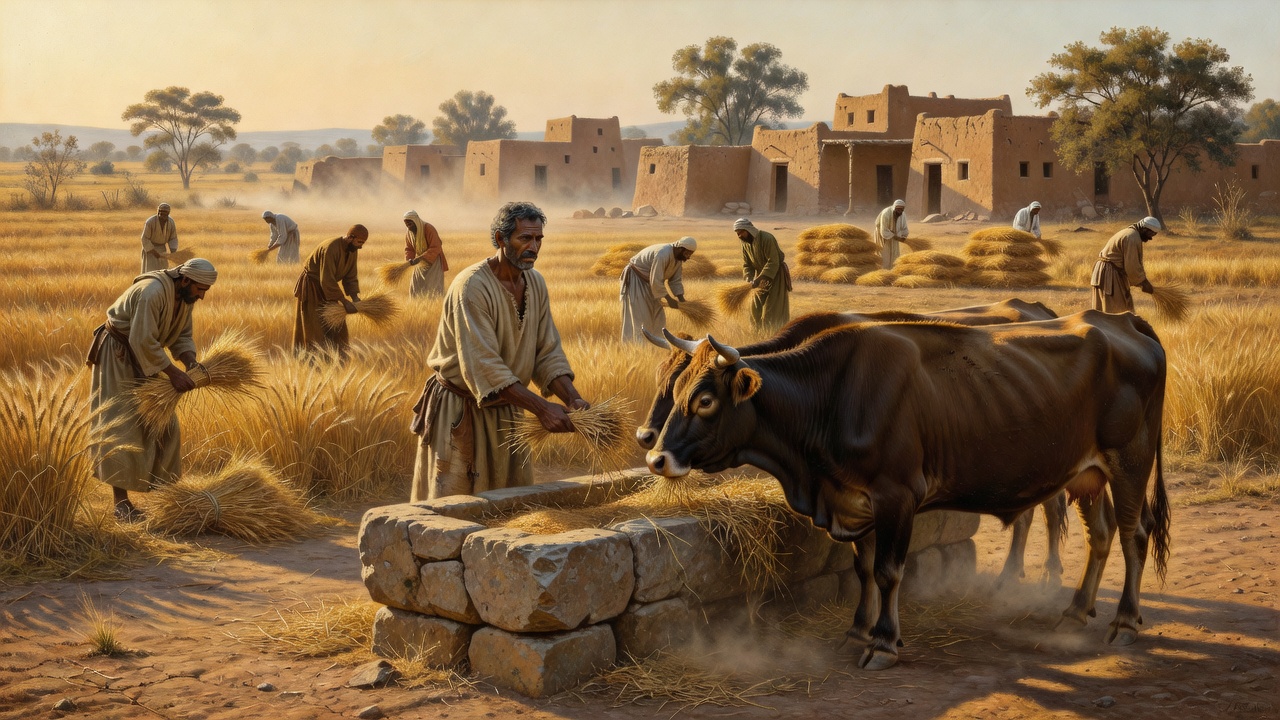
4Ku landè lmanaf damyol i daru, landè lam i lawigam,
bay fagu di tabeng i lmanaf bong i kantum.
5I to gsalig tmulen di gususay too tmulen i kaglut,
bay i to là gsalig alò tmulen kakakéng.
6I to gal madoy, mngabal i kfulung, bay landè teenan,
bay i to nun kaglabatan, mlal kenen gambet.
7Fawag ge di to là fulung faldam,
du landè fye gagbetam di kenen.
8I kfulung i to fulung mebe i kton, gmadè sa kenen ku tan inimoan,
bay i to là fulung faldam, én fandaman gmadè kenen ku tan inimoan, bay fangawan i kton.
9I dad to là fulung faldam ku gamsalà tatì landè di dale,
bay i dad to fye, mngabal ale kfagu klifet i dad salà.
10Landè to fakay too magin ge di sasè klidù nawam,
na landè to fakay too magin ge di too klehew nawam.
11I gumnè i to fye, sana ktadagan,
balù tamlo nan malbà gumnè i to sasè.
12Nun dalan fandam i to too matlu,
bay gusen i dalan ani di fati.
13I klidù i to fakay bunin fagu di ulén,
bay kafngen mulé déén fa i kliduan di nawan.
14I to kmagol i fye nimò too gamdawat i balas di sasè mgimoan,
bay i to mimò fye, mdà di fye mgimoan, nun kafye gdawatan.
15I to kulang i kfulungan faldam, fnaglutan balù tan i lingen,
bay i to fulung mebe i kton, toon fanlinge ku nun kaglutan.
16I to fulung faldam, nun klikoan di Dwata na fawag di ksamuk,
bay i to là fulung faldam, tatì mimò na là fgeye na sasè igukelan.
17I to mlal malbut mlal gsalà,
na knang i dad to i to mgaw i demen to.
18I dad to kulang i kfulungla faldam, gamdawat i balas di klandèkfulungla,
bay i dad to fulung mebe i ktola, matnù i gnadèla.
19Satu duh, i dad to sasè, lkuad di muna i dad to matlu,
du fdanà ale na too ale fakdo mni tabeng.
20I to landè, knang i dad to balù fa i demen saldan,
bay i to nun bong knun, too dee samgalak kenen.
21Na balù simto mnang i to landè, gamsalà kenen,
bay ku simto kamdo kenen nun kafyen.
22Ku falam fandam kimò sasè gsalà ge,
bay ku falam fandam kimò fye nun dad to kamdo ge na smalig ge.
23Ku too ge mimò nun fye kneam,
bay ku én nimoam alò tì stulen, mbaling ge to landè.
24I to fulung faldam, i untungan dunan i kfulungan,
bay i to là fulung faldam, i untungan dunan i klandè kfulungan.
25Ku i to tmulen i kaglut di gumusay, gafalwà kenen dee to difati,
bay ku i to tmulen kéng dee to nangkalan.
26I klikò di Dwata gamlé di to ksalig,
na kamlung i dad ngaan.
27I klikò di Dwata gamtabeng ge, gambet yéél mdà di sfuten,
na gafalwaan ge di ksasè gamgebe ge di fati.
28I eneg i satu harì fdu sa di nun dee dad ton,
bay ku landè dad ton, landè sa enegan.
29I to là mlal falbut, nun bong kaglabatan,
bay i to mlal falbut, fdilean i klandè kaglabatan.
30I to nun ktanak i nawan, én gafye i lawehan du gafgulê,
bay i to nun kingà nawan, én gamsasè i lawehan du falmon.
31Ku bankutam i to landè, knangam Dwata i mimò kenen,
bay ku tnabengam i to landè, mafè ge Dwata.
32I falmo i to sasè i sasè nimoan,
bay i kamlung i to matlu i kafyen.
33Nun kfulung mnè di nawa i to nun kaglabat,
bay i to là fulung faldam, landè gnadean gablà di kfulung.
34I katlu nimò i dad to, én fdatah i banwela,
bay i ksasè nimò i dad to, én gafyà i banwela.
35Too lehew i harì i saligan fulung faldam,
bay fanlayaman i saligan mimò magagyà nimò.
Did you know?
Wisdom, Labor, and Justice
- Proverbs 14 uses practical agricultural life to illustrate that meaningful productivity requires labor and investment. While an empty manger stays clean without oxen, an abundant harvest depends directly on the strength and work of draft animals.Sources: the Bible text itself
- The chapter directly links social justice to reverence for God. Mistreating or despising the poor and needy is described as an insult to their Maker, whereas showing kindness and generosity to them honors God.Sources: the Bible text itself
- The proverbs extend moral guidance to governance and national health, stating that a king's glory depends on a thriving population and that moral righteousness exalts an entire nation, while sin brings collective disgrace.Sources: the Bible text itself
Notes written with AI assistance from open sources (Theographic Bible Metadata, CC BY-SA 4.0; Easton’s Bible Dictionary, public domain) and reviewed before publishing.
Credits and license for this translation
I tnalù dwata
New Testament in Blaan, Sarangani
copyright © 1998 Wycliffe Bible Translators, Inc.
Language: Sarangani Blaan (Blaan, Sarangani)
Translation by: Wycliffe Bible Translators
Contributor: Wycliffe Bible Translators, Inc.
Copyright Information
© 1998, Wycliffe Bible Translators, Inc. All rights reserved.
This translation text is made available to you under the
terms of the Creative Commons License: Attribution-Noncommercial-No Derivative Works.
( http://creativecommons.org/licenses/by-nc-nd/3.0/ )
In addition, you have permission to port the text to different file formats, as long as you
do not change any of the text or punctuation of the Bible.
You may share, copy, distribute, transmit, and extract portions
or quotations from this work, provided that you include the above copyright
information:
You must give Attribution to the work.
You do not sell this work for a profit.
You do not make any derivative works that change any of the actual words or punctuation of the Scriptures.
Permissions beyond the scope of this license may be
available if you contact
us with your request.
The New Testament
in Blaan, Sarangani
© 1998, Wycliffe Bible Translators, Inc. All rights reserved.
This translation is made available to you under the terms of the
Creative Commons Attribution-Noncommercial-No Derivatives license 4.0.
You may share and redistribute this Bible translation or extracts from it in any format, provided that:
You include the above copyright and source information.
You do not sell this work for a profit.
You do not change any of the words or punctuation of the Scriptures.
Pictures included with Scriptures and other documents on this site are licensed just for use with those Scriptures and documents.
For other uses, please contact the respective copyright owners.
2015-03-17
Source: http://ebible.org/bps/ · eBible.org