Luke 24
I tnalù dwata · Tap a verse to see its cross-references.
I kték Dyisas mdà di fati
1Kabay too flafus di duh Linggu, nwè i dad libun i dad fangbun tafatlagadla, na salu ale di gulambang ku Dyisas. 2Di kakella ditù, teenla tamgukà i lbang, du i batu sangla dun, tamlulid. 3Kabay di kfusukla déén, làla teen i laweh Dyisas. 4Na msamuk i nawala, bay di lamla faldam ani, nun lwe to msut tadag di safédla kamlaweh bukay too samfilà. 5Kitela i lwe to ani, too ale likò na lkuad ale kudung di tanà. Na man i lwe to di dale, “Kan ku mngabal gamu i to mto di gulambang i dad to mati? 6Talaan dini, du tamték. Fandamyu i manan gamu di klon ditù fa di Galili, 7du manan, ‘Agu, i dnagit Tingà To, là fakay ku là blé di agot i dad to gamsalà du nlansang di krus, bay di gatlun duh mték agu mdà di fati.’ ”
8Kaklinge i dad libun ani, gafaldamla i gman Dyisas di laan fa mati. 9Na mulê ale na tulenla i kdee teenla di dad sfalò satu gal mlalò ku Dyisas na di kdee dademe dad to déén. 10Na i dad libun tmulen ani di dad sfalò satu gal dek Dyisas, dunan Méri Magdalin, Dyoana, na Méri i yê Dyém, na i dademe magin dale. 11Kabay i dad sfalò satu, man nawala i santulen i dad libun ani tatì talù là man, taman là ale faglut i manla. 12Kabay di kaklinge Fiter i manla, tadag kenen na sadlu salu di lbang. Di kakelan, fkagò kenen du smalil di lam, na teenan alò i safut fungas i laweh Dyisas, na mulê kenen, na too tikeng gablà di mkel ani.
I kfite Dyisas i kton di lwe to salu di Imaus
13Na di duh én, nun lwe di dad mlalò ku Dyisas salu di banwe Imaus, nun kè sfalò satu kilumitru mdà di Dyérusalém. 14Na di slengla magu, stulen ale gablà di kdee tamkel. 15Di lamla stulen gablà ani, fdadong Dyisas na fles magin dale. 16Kabay balù teenla, làla kenen dilè du nun smafang i fandamla.
17Na snalekan ale, manan, “Tan i santulenyu gine kloyu magu?”
Na fanak ale, na too mlidù bawehla. 18Na talù satu di dale dnagit ku Klifas, manan, “Alò ge kè di kdee dad to mnè di Dyérusalém i là gmadè ku tan i mkel déén falami ani.”
19Na manan di dale, “Tan i mkel kè?”
Na tmimel ale, manla, “I mkel di ku Dyisas mdà di Nasarét. Kenen satu tugad Dwata, too mtulus di kdee nimoan na manan, balù di fandam Dwata na lêman i dad to. 20Kabay i dad ulu i dad bà di Dwata na i tua gal mebe gito, bléla kenen di dad ganlal fye nukum di fati, na nlansangla kenen di krus. 21Én imen nawami ku kenen i msò gito dad bel Israél, bay tatlu butang klo i mkel kdee ani. 22Na nun fa teen i dademe libun gal magin gami i too gamtikeng. Gine too flafus, mdà ale salu di gulambang, 23bay làla teen i lawehan. Na di kasfulêla, manla nun kanteenla dad kasaligan Dwata fite di dale na tmulen dale tamték Dyisas. 24Taman nun dadememi déén salu di lbang, na teenla too glut gman i dad libun, bay làla teen Dyisas.”
25Na man Dyisas di dale, “Tay, là gamu fulung faldam, na too gamu léét faglut i kdee gman dad tugad Dwata! 26Làla kè man, na là fakay ku là maflayam i Mgalék Dwata di kdee ani, di là fa kenen banlé i kdatahan?” 27Na tambù kenen di sulat Mosis na i dademe dad tugad Dwata, na nubadan di dale i kdee man di Tnalù Dwata gablà di kenen.
28Na di kagdadongla di tukay banwe gusalula, fan fadlug Dyisas magu. 29Kabay klenla kenen, manla, “Mnè ge di safédmi, du taflabi sa nan, tafan sdaf i duh.” Taman fusuk kenen di gumnèla na mnè di safédla.
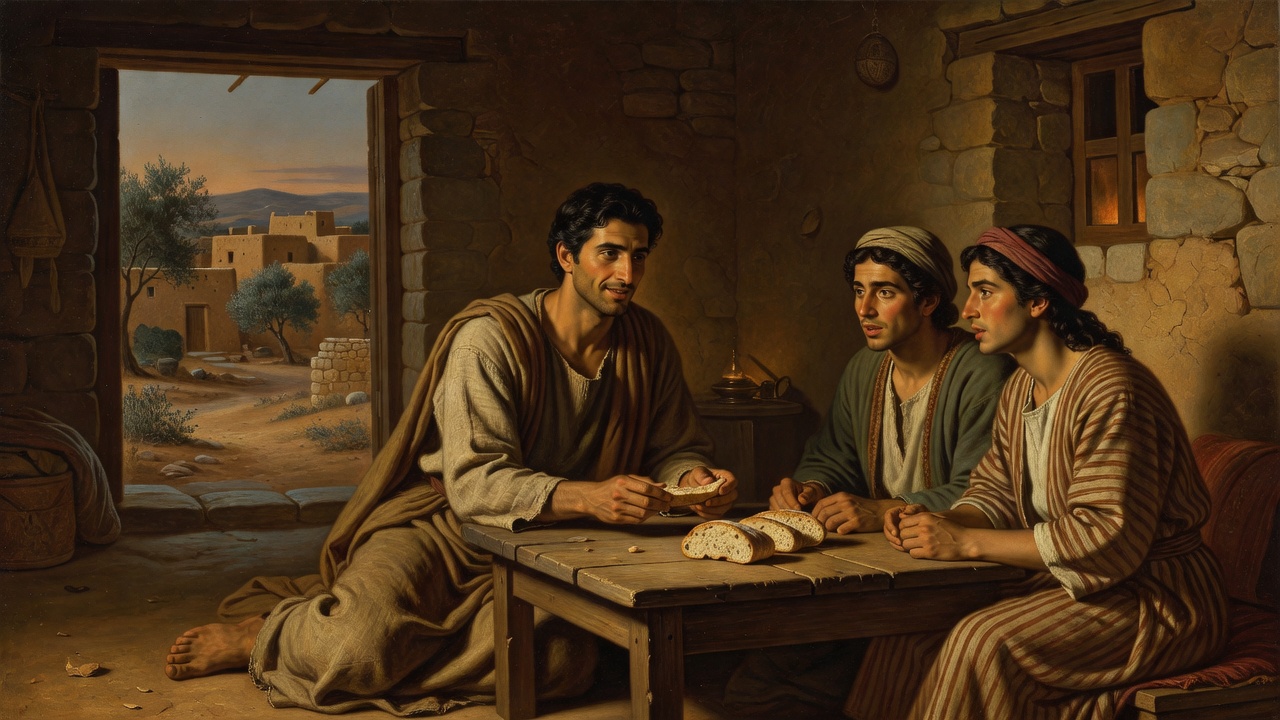
30Na sudeng ale du kmaan. Na nwè Dyisas i fan, na dmasal kenen mlé fye di Dwata, na snatngaan i fan na blén di dale. 31Na dilèla kenen du malwa nan i fandamla. Kafnge én, tatì lana kenen di matala. 32Na stulen ale, manla, “Én kadì duen too minit nawata di laman stulen di gite di dalan, na di kubadan di gite i Tnalù Dwata.”
33Na gasil ale tadag du samfulê di Dyérusalém, na teenla ditù i dad sfalò satu gal mlalò ku Dyisas na i dademe stifun di safédla. 34Na man i dad to stifun déén, “Too sa. Tamték i Amuito, na tafiten i kton di ku Simon Fiter!” 35Na santulen i lwe to gine i kdee teenla di dalan, na i kagkah kdilèla ku Dyisas fagu di kasatngaan i fan.
I kfite Dyisas i kton di dad mlalò kenen
36Na di klola fa samtulen ani, msut Dyisas na tadag déén di blengla, na manan, “I ktanak nawa mnè di gamu.”
37Kabay taknal ale na too likò, du fandamla lmagol i teenla. 38Taman man Dyisas di dale, “Kan ku msamuk i fandamyu? Na kan ku lwe nawayu? 39Neyeyu i dad kmalgu na blìgu! Agu sa ani. Nagotyu agu na neyeyu, fye gadèyu ise agu lmagol. Landè ungad na tulan i lmagol kenen, gambet i teenyu di deg.”
40Di kmanan dun ani, fiten dale i dad kmalan na blian. 41Kabay knean, gambet là ale faglut du too ale lehew na tikeng, taman snalekan ale, “Nun knaanyu dini kè?” 42Na banléla kenen nalaf tnatê, 43na nwean na knaanan di munala.
44Kafnge én, manan di dale, “Ani sa dad gmangu di gamu di lamgu fa di safédyu, du tafgadègu di gamu, na là fakay ku là gdohò i kdee sulat gablà di deg di Tnalù Dwata, dunan di dad flalò sulat Mosis na sulat i dademe dad tugad Dwata, na sulat fa di Salmo.”
45Na lanwan nan i fandamla du fye glabatla i Tnalù Dwata. 46Na manan di dale, “Nun tagsulat di Tnalù Dwata i gman, too maflayam i Mgalék Dwata, na fles mati, na lêman mték di gatlun duh, 47na gsulat fa, mdà di glal i dagitgu, tdò kadang di dad to di kdee dad banwe di tah tanà, na ku msal ale mdà di dad sasè nimòla, nlifet Dwata i dad salàla. Na dini di Dyérusalém i munayu gutamdò dun. 48Na gamu sa i tmulen ani du gamu i mite dun. 49Na dekgu dini i Mtiu Tulus tafakang Mà di gamu, bay fanak gamu dini di Dyérusalém, na fatan kenen du fye dnawatyu i gnagan blén gamu.”
I kagket Dyisas di langit
50Na faginan ale lamwà di Dyérusalém. Na di kagdadongla di Bétani, kayangan i dad sigalan na banlén ale kafye. 51Di slengan mlé dale kafye, mdà kenen, na magket kenen di langit. 52Na lkuad ale dmayen kenen, na kafnge én, samfulê ale di Dyérusalém, na too ale lehew. 53Na gal ale salu di Bong Gumnè Dwata, du mlé ale fye di kenen.
Did you know?
Resurrection morning and the road to Emmaus
- Luke describes Emmaus as a village about seven miles from Jerusalem. Easton's Bible Dictionary (1897) quotes that distance as three-score furlongs and records two identifications: el-Kubeibeh, over seven miles northwest of Jerusalem, whose name, 'little dome,' comes from the remains of a Crusaders' church still found there, and Khurbet Khamasa, 'the ruins of Khamasa,' about eight miles southwest, where Crusader ruins are also found.Sources: Emmaus · the Bible text itself
- Mary Magdalene, Joanna, Mary the mother of James, and other women with them were the ones who told the apostles what had happened at the tomb. Mary Magdalene takes her name from Magdala, her birthplace, and Easton's Bible Dictionary (1897) calls it a mistake to identify her with the woman called 'a sinner' in Luke 7. Joanna, the wife of Chuza, steward of Herod Antipas, tetrarch of Galilee, was one of the women who ministered to Jesus, and the same dictionary says he appeared to her after the resurrection.Sources: Mary Magdalene · Joanna · the Bible text itself
- One of the two disciples on the road is named Cleopas, a shortened form of Cleopatros. Easton's Bible Dictionary (1897) says that nothing definite is known about him, and that it is not certain he was the Clopas of John 19:25 or the Alphaeus of Matthew 10:3, although he may have been.Sources: Cleophas · the Bible text itself
Notes written with AI assistance from open sources (Theographic Bible Metadata, CC BY-SA 4.0; Easton’s Bible Dictionary, public domain) and reviewed before publishing.
Places in this chapter
- Galilee · 32.760, 35.527 · verse 6
- Jerusalem · 31.777, 35.234 · verses 13, 18, 33, 47, 49, 52
- Nazareth · 32.702, 35.298 · verse 19
Only places identified with high confidence are shown (90% or more according to the scholarly sources compiled by OpenBible). Period map: DARE (Digital Atlas of the Roman Empire), CC BY 4.0; modern map: © OpenStreetMap contributors; places: OpenBible.info (CC BY 4.0).
Credits and license for this translation
I tnalù dwata
New Testament in Blaan, Sarangani
copyright © 1998 Wycliffe Bible Translators, Inc.
Language: Sarangani Blaan (Blaan, Sarangani)
Translation by: Wycliffe Bible Translators
Contributor: Wycliffe Bible Translators, Inc.
Copyright Information
© 1998, Wycliffe Bible Translators, Inc. All rights reserved.
This translation text is made available to you under the
terms of the Creative Commons License: Attribution-Noncommercial-No Derivative Works.
( http://creativecommons.org/licenses/by-nc-nd/3.0/ )
In addition, you have permission to port the text to different file formats, as long as you
do not change any of the text or punctuation of the Bible.
You may share, copy, distribute, transmit, and extract portions
or quotations from this work, provided that you include the above copyright
information:
You must give Attribution to the work.
You do not sell this work for a profit.
You do not make any derivative works that change any of the actual words or punctuation of the Scriptures.
Permissions beyond the scope of this license may be
available if you contact
us with your request.
The New Testament
in Blaan, Sarangani
© 1998, Wycliffe Bible Translators, Inc. All rights reserved.
This translation is made available to you under the terms of the
Creative Commons Attribution-Noncommercial-No Derivatives license 4.0.
You may share and redistribute this Bible translation or extracts from it in any format, provided that:
You include the above copyright and source information.
You do not sell this work for a profit.
You do not change any of the words or punctuation of the Scriptures.
Pictures included with Scriptures and other documents on this site are licensed just for use with those Scriptures and documents.
For other uses, please contact the respective copyright owners.
2015-03-17
Source: http://ebible.org/bps/ · eBible.org