John 3
I tnalù dwata · Tap a verse to see its cross-references.
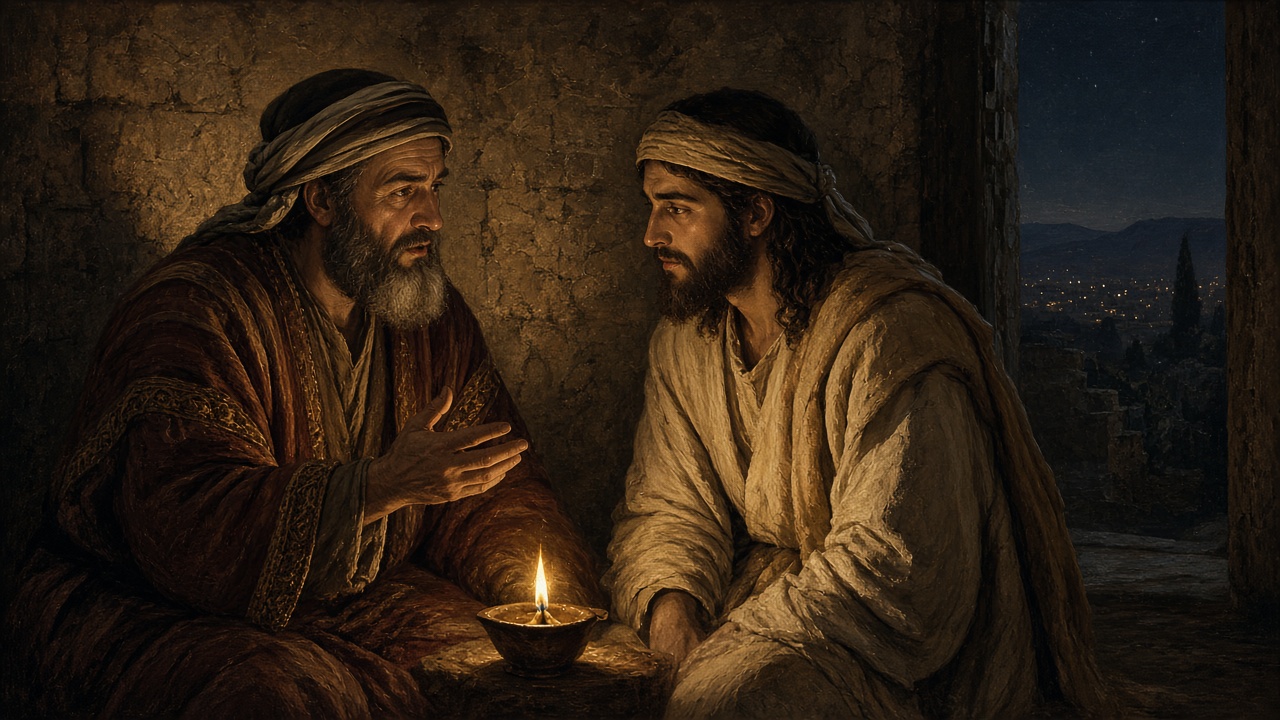
I kastulen Dyisas na Nikodimus
1Nun satu lagi dnagit ku Nikodimus mdà di fnaglut dad Dyu dnagit Farisi. Na kenen satu ganlal i dad Dyu. 2Di satu butang, salu Nikodimus di ku Dyisas, na manan di kenen, “Rabay, gadèmi ge i satu to tamdò dek Dwata, du landè to gmagan mimò i tnikeng nimoam ku là déén di kenen Dwata.”
3Na tmimel Dyisas, manan, “Tulengu ge i kaglutan, silang gakuf i to di kagot Dwata ku sut kenen lêman.”
4Na man Nikodimus, “Kabay tan kibò i satu to lêman sut ku tatua? Fakay kenen kè samfulê di tien yéan na lêman sut?”
5Na tmimel Dyisas, manan, “Tulengu ge i kaglutan, landè to gfusuk di kagot Dwata ku laan funa sut fagu di yéél na lêman fagu di Tulus Dwata. 6Ku alò to gusutan, alò to sa kenen, ku Tulus Dwata i gusutan, tingà Dwata kenen. 7Taman nang ge tikeng du tagmangu di ge, ‘Là fakay ku là ge lêman sut.’ 8Ku fkahta di nus tatian salu tanè kayean gusalu. Lingem i lukan, bay laam gadè i gufdun na i gusalun. Salngad én i kaglabatito i ksut dad to fagu di Tulus Dwata.”
9Na smalek Nikodimus, manan, “Tan i kibò kgimò ani?”
10Na tmimel Dyisas, manan, “Ge i satu tamdò i dademem bel Israél, na kan ku laam glabat ani? 11Tulengu ge i kaglutan, én manmi i toomi gadè na i tulenmi i tatoomi sa teen, bay knean làyu sa fnaglut dun. 12Ku là gamu faglut i mangu gablà di mgimò dini di tah tanà, tan sa kibòyu faglut ku tulengu gamu gablà di dad mgimò di langit. 13Landè to lmen salu di langit galwà di deg, i dnagit Tingà To, du én gumdàgu.
14“Di muna fa, nimò Mosis i ulad tabaga na tlawéngan di kayu, na nketan fdatah déén di banwe landè to mnè déén fye mgulê i dad to meye dun. Na là fakay ku là salngad én mgimò kadang di deg, i dnagit Tingà To, du fatlawéngla agu di kayu, na nketla fdatah, 15du fye kdee dad to faglut di deg nun nawala landè sen.
16“Du Dwata toon kanbong nawa kdee dad to di tah tanà, taman blén i sen Tingaan du fye balù simto faglut di kenen là malmo di salà, bay nun nawan landè sen. 17Du ise én duen Dwata mdek i Tingaan dini di tah tanà du mlayam i dad to, bay dekan dini du fye falwaan dad to di dad salàla.
18“Na balù simto to faglut di Tingà Dwata là fanlayam, bay ku simto là faglut tagnè nukum di kaflayam, du laan faglut di sen Tingà Dwata. 19I duen Dwata mlayam i dad to ani, du tasalu agu, i salò, dini di tah tanà, bay én balingla too knayè i kifu, na knangla i kalwa, du sasè i nimòla. 20Du i kdee dad to mimò sasè knangla i kalwa, na là ale mayè fdadong di salò ken gadè i dad sasè nimòla. 21Kabay balù simto to matlu i nimoan fdadong kenen di salò du fye too teen i kdee nimoan mdà di Dwata.”
I man Dyan Gal Munyag gablà ku Dyisas
22Kafnge kdee ani salu Dyisas na dad mlalò kenen di dad banwe glam di Dyudiya. Mnè ale ditù na munyag ale i dad to. 23Na Dyan gal munyag di satu banwe dnagit Anon mdadong di Salim du nun bong yéél ditù. Na salu dad to di kenen du fbunyag ale, 24du di bang én, là fa bnilanggù Dyan.
25Na nun dad mlalò ku Dyan, sdal ale satu Dyu gablà di kafbunyag. 26Taman salu ale di ku Dyan, na manla di kenen, “Rabay, gafaldamam i demem sgalak di faltù i yéél Dyordan, i to tulenam di gami. Gal kenen munyag, na tadee dad to salu baling di kenen.”
27Na tmimel Dyan, manan, “Landè gnagan i to ku là gablé Dwata dun di kenen. 28Gamu sa i mlinge i gmangu ise agu Krayst, i Mgalék Dwata. Kabay alò agu i to dek Dwata muna du fatlagad i kakelan. 29Ku fkahta di kasdeme, gablà ku i lagi sandeme i gufikit i libun nfunan, na i to fatlagad i kasdeme fatanan i kakel i lagi sandeme na di kaklingen i taluan too kenen lehew. Salngad én deg, na too sikof nan i klehewgu du takel nan. 30Na là fakay ku là kenen mbaling mdatah na agu mbaling mdanà.
31“I to mdà di langit mdatah kenen di balù simto, bay i to mdà di tanà alò kenen to di tanà, na i manan alò mdà di tah tanà. I to mdà di langit, kenen i too mdatah di kdee. 32I tulenan, dunan i teenan na talingen di langit, bay knean landè alì to faglut di manan. 33Kabay ku simto dmawat i manan, fiten fagu di kdawatan kdee man Dwata too glut. 34Du Dyisas i to dek Dwata, na i gumdà dad taluan di Dwata du sdulê blé Dwata i Tulusan di kenen. 35Too bong nawa Maan i Tingaan, taman fagotan di kenen i kdee. 36Na balù simto faglut di Tingà Dwata gamdawat nawan landè sen, bay ku simto là mimen i Tingà Dwata là gamdawat nawan landè sen, bay mnè kenen di kalbut Dwata kel di landè gusenan.”
Did you know?
New birth and John's witness
- Nicodemus, whose name means "the people is victor," was a Pharisee and a member of the Sanhedrin. He came to Jesus at night to learn more of his teaching, and the Gospel calls him a leader of the Jews; Jesus addresses him as Israel's teacher.Sources: Nicodemus · the Bible text itself
- After this conversation, Jesus and his disciples went into the Judean countryside, under the Romans the southernmost of the three divisions of Palestine. John was also baptizing at Aenon near Salim, because water was plentiful there; Salim, whose name means "peaceful," lay west of the Jordan. Aenon means "springs," and Easton's Bible Dictionary (1897) places it probably near the upper source of the Wady Far'ah, an open valley full of springs running from Mount Ebal to the Jordan.Sources: the Bible text itself · Judea · Aenon · Salim
- In this chapter John tells his disciples that he is not the Christ but was sent ahead of him, and the narrative notes that he had not yet been thrown into prison. Easton's Bible Dictionary (1897) describes him as the forerunner of Jesus, of priestly descent, and says that his mission was the subject of prophecy.Sources: the Bible text itself · John the Baptist
Notes written with AI assistance from open sources (Theographic Bible Metadata, CC BY-SA 4.0; Easton’s Bible Dictionary, public domain) and reviewed before publishing.
Places in this chapter
- Jerusalem · 31.777, 35.234 · verse 22
- Judea · Today: Judea 1 · 31.777, 35.234 · verse 22
- Jordan · Today: Jordan River · 31.761, 35.558 · verse 26
Only places identified with high confidence are shown (90% or more according to the scholarly sources compiled by OpenBible). Period map: DARE (Digital Atlas of the Roman Empire), CC BY 4.0; modern map: © OpenStreetMap contributors; places: OpenBible.info (CC BY 4.0).
Credits and license for this translation
I tnalù dwata
New Testament in Blaan, Sarangani
copyright © 1998 Wycliffe Bible Translators, Inc.
Language: Sarangani Blaan (Blaan, Sarangani)
Translation by: Wycliffe Bible Translators
Contributor: Wycliffe Bible Translators, Inc.
Copyright Information
© 1998, Wycliffe Bible Translators, Inc. All rights reserved.
This translation text is made available to you under the
terms of the Creative Commons License: Attribution-Noncommercial-No Derivative Works.
( http://creativecommons.org/licenses/by-nc-nd/3.0/ )
In addition, you have permission to port the text to different file formats, as long as you
do not change any of the text or punctuation of the Bible.
You may share, copy, distribute, transmit, and extract portions
or quotations from this work, provided that you include the above copyright
information:
You must give Attribution to the work.
You do not sell this work for a profit.
You do not make any derivative works that change any of the actual words or punctuation of the Scriptures.
Permissions beyond the scope of this license may be
available if you contact
us with your request.
The New Testament
in Blaan, Sarangani
© 1998, Wycliffe Bible Translators, Inc. All rights reserved.
This translation is made available to you under the terms of the
Creative Commons Attribution-Noncommercial-No Derivatives license 4.0.
You may share and redistribute this Bible translation or extracts from it in any format, provided that:
You include the above copyright and source information.
You do not sell this work for a profit.
You do not change any of the words or punctuation of the Scriptures.
Pictures included with Scriptures and other documents on this site are licensed just for use with those Scriptures and documents.
For other uses, please contact the respective copyright owners.
2015-03-17
Source: http://ebible.org/bps/ · eBible.org