John 12
I tnalù dwata · Tap a verse to see its cross-references.
I kafkah Méri i fangbun di blì Dyisas
1Nam butang di là fa kel i fista Duh Kaglius salu Dyisas di tukay banwe Bétani di gumnè Lasarus, dunan i to ntékan mdà di fati. 2Na déén gukmaan Dyisas di flabi én du nimòla kakaan afèla kenen. Marta i malel, na Lasarus satu di dad kmaan di saféd Dyisas. 3Na nwè Méri i tngà kilu fangbun dnagit nardo too mabtas du landè bolan, na kokan di dad blì Dyisas, na én ifun dun i wakan. Na langub i fye bun klamang gumnèla.
4Kabay talù Dyudas Iskariyot, satu di dad mlalò ku Dyisas, (dunan i fan mangkal kenen di fati,) manan, 5“Tay, too bong btas i fangbun ani! Nun kè tlu latu denari. Fye fa ku fablin na blén i bayadan di dad to landè.” 6I duenan man ani, ise ku mdà di kakdon i dad to landè, bay du to tmaku kenen, du kenen i magot i gufkah filak ale Dyisas na galan nwè i dademe filak déén.
7Kabay man Dyisas, “Bayàyu kenen. Falohyu du fye fatlagadan i fangbun ani di kalbang deg. 8Gal nun dad to landè mdadong di gamu fakayyu tnabeng, bay deg, là agu mlo mnè di safédyu.”
I fan kfatila ku Lasarus
9Di kaklinge i dee dad Dyu ditù Dyisas di banwe Bétani, salu ale ditù du neyela kenen. Na ise ku alò kenen kayèla teen, bay kayèla teen Lasarus, i to ntékan mdà di fati. 10Na ani duen dad ulu i dad bà di Dwata mayè mati ku Lasarus, 11du i kték Lasarus i gumdà dee dad Dyu tmagak i tdò dad ulula na baling faglut di ku Dyisas.
I kfusuk Dyisas di syudad Dyérusalém
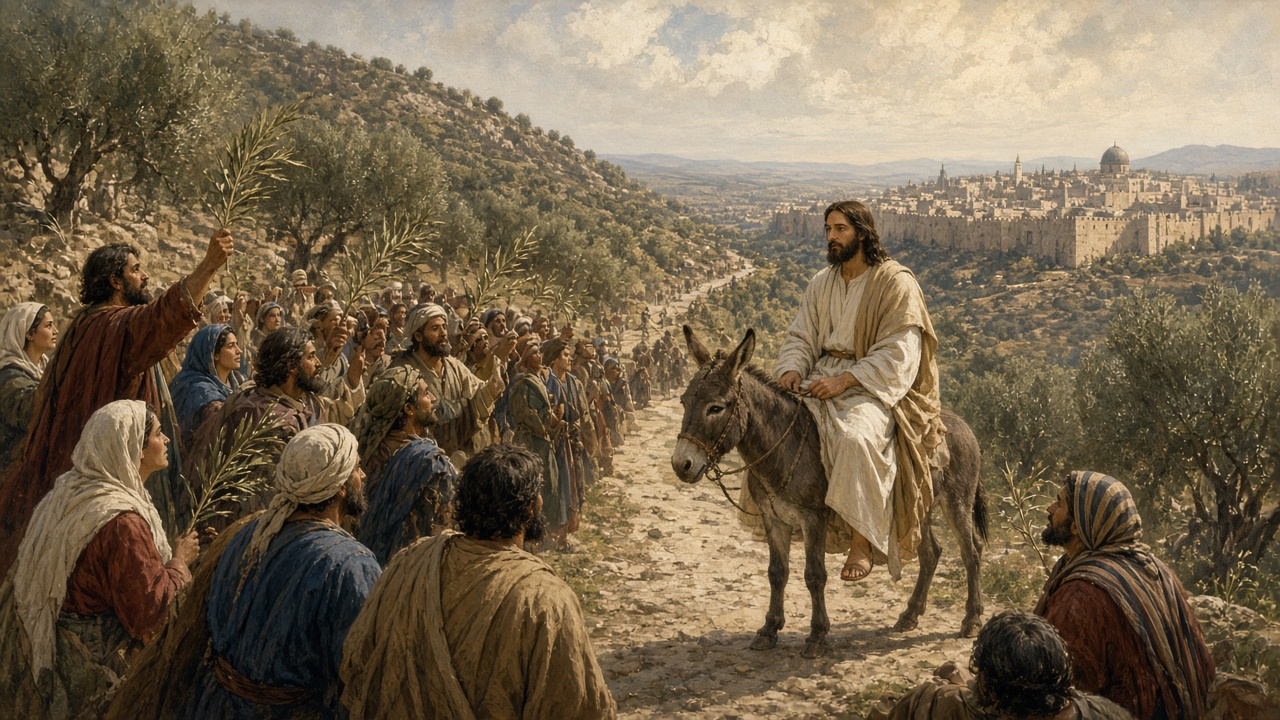
12Di tmadol duh linge i dee dad to di Dyérusalém malò i fista Duh Kaglius tafan salu Dyisas déén. 13Na nwèla dad taglang falmira, na lamwà ale smitong kenen, na tamlo ale, manla,
“Dnayenito Dwata!
Too nun kafye i to salu dini mebe i glal Amuito Dwata.
Kenen i Harì dad bel Israél.”
14Na nun teen Dyisas satu tingà dongki, na én i snakayan, taman gdohò i tafsulat Dwata di Tnaluan, manan,
15“Gamu dad to di Sion, nang gamu likò.
Neyeyu, du fan kel i harìyu.
Smakay kenen di tingà dongki.”
16Na di duh atù là glabat i dad mlalò ku Dyisas, na i ksalun di Dyérusalém i kagdohò i sulat dad tugad Dwata, bay kafnge i ktékan na kasfuléan di langit gafaldamla i sulat dad tugad Dwata, na glabatla kdee sulatla gablà ku Dyisas tagdohò.
17Na i dee dad to magin di ku Dyisas di katlon ku Lasarus mdà di lbang di ktékan kenen mdà di fati, tatmulen ale i tateenla. 18Taman dee dad to smitong kenen, du talingela gablà di tnikeng tanimoan. 19Taman stulen i dad Farisi, na manla, “Neyeyu talandè kiboito du i kdee dad to mlalò kenen nan.”
I dad to ise Dyu mayè smite ku Dyisas
20Na nun dad to Grik malò i fista di Dyérusalém du mangamfù ale di Dwata balù ise Dyu ale. 21Na salu ale di ku Filif, satu mlalò ku Dyisas mdà di banwe Bétsayda déén di Galili, na manla, “Kayèmi smite ku Dyisas.”
22Taman salu Filif di ku Andru, na tnulenan, na lwe ale salu di ku Dyisas du tmulen kenen. 23Na tmimel Dyisas, manan, “Takel nan i bang kafdatah Dwata deg, i dnagit Tingà To. 24Tulengu gamu i kaglutan, i lawehgu salngad i bnê du ku là lbang di tanà laan gambunge. Kabay ku talbang di tanà dee bungen. 25Nè i to too kmabas i kton na knean di tah tanà ani, knean mati, bay nè i to là kmabas i kton na knè di tah tanà, nun nawan landè sen. 26Ku nun to mayè mbaling saliggu, too kenen mlalò deg, du fye balù nè gumnègu déén i saliggu di safédgu. Na ku nun to mimen i knayègu fdatah kenen i Màgu.”
I kafgadè Dyisas gablà di kfatin
27Na man Dyisas, “Too msamuk i nawagu! Tan i fye mangu? Ku fnigu di ku Mà, fye falwaan agu di kaflayam fan kel, là sa fye, du i kaflayam ani i duengu salu dini.” 28Na man Dyisas di Maan, “Mà, fitem i kdataham fagu di kaflayamgu ani.”
Na nun talù mdà di langit tmimel, manan, “Tafitegu i kdatahgu, na lêmangu fite.” 29Dee dad to déén, na di kaklingela i talù ani, manla, “Takmilet!” Na man i dademe, “Nun kè kasaligan Dwata talù di kenen.”
30Kabay man Dyisas di dale, “Ise ku deg duen i nun talù gine, bay gamu du fye faglut gamu. 31Takel nan i duh kukum Dwata i dad to dmuen kenen, na kfisan ku Satanas, to magot i tanà ani. 32Na agu, ku tanketla agu kadang mdà di tanà ani, fsalugu di deg kdee dad to.” 33I duenan man ani du faglabatan dale i kfagu kfatin di krus.
34Na tmimel i dad to, manla, “Tanun gatdò di gami mdà di Tnalù Dwata na Krayst i Mgalék Dwata mto kel di landè sen. Na kan ku manam, nket i dnagit Tingà To di krus! Simto kè i Tingà To manam ani?”
35Na tmimel Dyisas fagu di fléd, manan, “I salò lamwa i fandamyu là mlo fa di safédyu. Taman di slengan fa dini, tooyu lalò i knengan ken gnumah gamu i kifu, du i to magu di gukmifun là sa gmadè i gusalun. 36Na di klon fa mnè di safédyu nun kalwa, taman faglut gamu di salò du fye mbaling gamu dad ngà i kalwa.”
I dad Dyu là faglut di ku Dyisas
Di kafnge Dyisas mangman i kdee ani gine, tnagakan i dad to déén na salbuni. 37Kabay balù tadee dad tnikeng nimò Dyisas di munala knean là ale faglut di kenen, 38taman gdohò i man i tugad Dwata Isaya, manan,
“Amu, landè alì to faglut i tulenmi.
Landè alì to gamlabat i bong kaltulusam tafitem di dale?”
39Na tulen Isaya i duenla là faglut, manan,
40“Gambet tabnutè Dwata i matala,
na snafangan i fandamla,
du fye là ale mite,
na là ale gamlabat,
du ku mite ale na gamlabat ale,
tmagak ale dad sasè nimòla
na fangulêgu ale di dad salàla.”
41I duen Isaya gman ani du tateenan i kdatah Dyisas, na tulenan gablà di kenen.
42Kabay balù fa ani, dee dad ganlal i dad Dyu faglut di ku Dyisas, bay knean làla tulen gablà di kafaglutla du likò ale i dad Farisi, du ken falwàla ale mdà di dad gal gusatdòla, na là ale nan fakay fakuf di dale. 43Hae, landè manla, du i toola kayè i kdayen dad to mdatah fa di kdayen Dwata dale.
I tnalù Dyisas i mukum dad là dmawat dun
44Na fangal Dyisas i taluan, manan, “Nè i to faglut di deg, ise ku alò deg i fnaglutan, bay léan faglut di Dwata, i mdek deg. 45Na nè i to mite deg léan teen i mdek deg. 46Agu i salò salu di tah tanà du lamwa fandam i dad to, du fye i kdee dad to faglut di deg là nan fadlug mnè di kifu.
47“Na ku nun to mlinge i tnalùgu, na laan nimen dun, làgu kenen nukum, du ise én duengu salu di tanà du mukum dad to, bay du fye falwàgu i dad to di kaflayam. 48Kabay nè i to là dmawat deg, na là mimen i dad tnalùgu nukum kadang di sangal duh. Na i mukum kenen dunan dad tnalùgu i laan nimen, 49du i mangu ise mdà di deg knayè, bay mdà di knayè Màgu i mdek deg na fgadè deg i mangu na tdògu. 50Na gadègu i dek Màgu gumdà nawa landè sen, taman kdee fgadè Màgu, én alògu man.”
Did you know?
The Anointing at Bethany and the Entry into Jerusalem
- Bethany, where Jesus arrived six days before the Passover, lay about two miles east of Jerusalem on the southeastern slope of the Mount of Olives, along the road to Jericho, and took its name from the palm trees that grew there. It was the home of Lazarus, whom Jesus had raised from the dead after four days in the tomb, and of his sisters Martha and Mary; the chief priests planned to kill Lazarus as well, because on his account many people were believing in Jesus.Sources: the Bible text itself · Bethany · Lazarus
- At a dinner where Martha served and Lazarus reclined at the table, Mary anointed Jesus' feet with about a pint of expensive perfume made of pure nard and wiped them with her hair, so the house was filled with the fragrance. Judas Iscariot, son of Simon, whose surname means a man of Kerioth, asked why it was not sold for three hundred denarii for the poor; he was a thief who, as keeper of the money bag, used to take from what was put into it, and he was going to betray Jesus.Sources: the Bible text itself · Judas Iscariot · Simon
- The next day the great crowd that had come for the feast took palm branches and went out to meet Jesus as he came to Jerusalem, seated on a young donkey, shouting praise to the King of Israel, as it is written of the Daughter of Zion. Zion was the southeastern hill of Jerusalem, where David built a citadel and a palace after taking it, so that it became the city of David. At first his disciples did not understand these things, but after Jesus was glorified they remembered that they had also been written about him.Sources: the Bible text itself · Zion
Notes written with AI assistance from open sources (Theographic Bible Metadata, CC BY-SA 4.0; Easton’s Bible Dictionary, public domain) and reviewed before publishing.
Places in this chapter
- Jerusalem · 31.777, 35.234 · verses 11, 12, 20
- Zion · Today: Jerusalem · 31.777, 35.234 · verse 15
- Galilee · 32.760, 35.527 · verse 21
Only places identified with high confidence are shown (90% or more according to the scholarly sources compiled by OpenBible). Period map: DARE (Digital Atlas of the Roman Empire), CC BY 4.0; modern map: © OpenStreetMap contributors; places: OpenBible.info (CC BY 4.0).
Credits and license for this translation
I tnalù dwata
New Testament in Blaan, Sarangani
copyright © 1998 Wycliffe Bible Translators, Inc.
Language: Sarangani Blaan (Blaan, Sarangani)
Translation by: Wycliffe Bible Translators
Contributor: Wycliffe Bible Translators, Inc.
Copyright Information
© 1998, Wycliffe Bible Translators, Inc. All rights reserved.
This translation text is made available to you under the
terms of the Creative Commons License: Attribution-Noncommercial-No Derivative Works.
( http://creativecommons.org/licenses/by-nc-nd/3.0/ )
In addition, you have permission to port the text to different file formats, as long as you
do not change any of the text or punctuation of the Bible.
You may share, copy, distribute, transmit, and extract portions
or quotations from this work, provided that you include the above copyright
information:
You must give Attribution to the work.
You do not sell this work for a profit.
You do not make any derivative works that change any of the actual words or punctuation of the Scriptures.
Permissions beyond the scope of this license may be
available if you contact
us with your request.
The New Testament
in Blaan, Sarangani
© 1998, Wycliffe Bible Translators, Inc. All rights reserved.
This translation is made available to you under the terms of the
Creative Commons Attribution-Noncommercial-No Derivatives license 4.0.
You may share and redistribute this Bible translation or extracts from it in any format, provided that:
You include the above copyright and source information.
You do not sell this work for a profit.
You do not change any of the words or punctuation of the Scriptures.
Pictures included with Scriptures and other documents on this site are licensed just for use with those Scriptures and documents.
For other uses, please contact the respective copyright owners.
2015-03-17
Source: http://ebible.org/bps/ · eBible.org