Acts 5
I tnalù dwata · Tap a verse to see its cross-references.
Ananayas na Safira
1Kabay nun satu to dnagit ku Ananayas nun yaan dnagit ku Safira. Na fablila satu alel tanàla. 2Kabay busek Ananayas dademe gwean di tanàla, na dademe blén di dad to gal dek Dyisas. Na kdee nimoan ani slame gadè i yaanan. 3Na smalek Fiter di kenen, manan, “Ananayas, kan ku fagotam Satanas i nawam, na tmulen ge kéng di Mtiu Tulus Dwata fagu di kbusekam i dademe gweam mdà di tanàyu? 4Du di laam fa fabli i tanàyu, gamu sa fa mfun dun. Na di takfablim, i filak gweam ge sa fa mfun dun, na balù tan i kayeam kibò dun fakay sa. Na du glut ani, tan sa i gumdaam mimò ani? Ise ku i dademem dad to i tnulenam kéng, bay Dwata.” 5Na di kaklinge Ananayas i man Fiter ani, tatì fugen na fles mati. Na i kdee dad to mlinge i mkel di kenen too ale likò. 6Na fnungas i dad lamnok lagi i lawehan na santiangla lamwà na lbangla.
7Na mdadong tlu uras i kubu fusuk déén yaan Ananayas, bay laan gadè i tamkel di yaanan. 8Na smalek Fiter di kenen, manan, “Tulenam deg, alò ani kè bayad i gwèyu di tanà fabliyu?” Na tmimel Safira, manan, “Hae sa, alò én i gwèmi.”
9Taman man Fiter di kenen, manan, “Kan ku sansatuyu i nawayu du fye tnilewyu i Tulus Dwata? Neyem, i dad lagi lambang i yaanam gine tadéén di takab ani, du lêla ge santiang.” 10Na di kman Fiter ani, makto fugen Safira di blì Fiter na fles mati. Na di kfusuk i dad lamnok lagi teenla tamati kenen, taman santiangla lamwà na lbangla di saféd i yaanan. 11Na di kaklinge i kdee dad faglut na kdee dademe dad to gablà di dad mgimò ani too ale likò.
Dad tnikeng
12Na too dee tnikeng na dad ilè mgimò di bleng i dad to fagu di dad to gal dek Dyisas. Na kdee dad faglut gal ale stifun di Balkun Solomon di Bong Gumnè Dwata. 13Kabay nun dademe dad to là faglut, likò ale makuf di dale balù ku toola ale nafè. 14Kabay too matnù i kdee dad to faglut di ku Dyisas i Amu, dad lagi na dad libun. 15Na mdà ani, nun dad to mebe i dademela nun tduk di dad dalan gumagu Fiter, na filèla di dad igem na dademe gumilè, du fye di kaglius Fiter déén, balù alò alungan i gamlidung dale, mgulê ale. 16Na too dee dademe dad to mdà di dad banwe glibut di Dyérusalém stifun déén, du mebe i dademela nun tduk na i dad to fnusuk i dad busaw, na kdeela mgulê.
I kaflayam i dad to gal dek Dyisas
17Na di bang atù i gumdatah dad bà di Dwata, na dad dademen gagin di fnaglut dnagit Sadusi, too ale mingà nawa. 18Taman kanfèla i dad gal dek Dyisas, du bnilanggùla. 19Kabay di kakifu, satu kasaligan Dwata lamwa dad takab i bilanggù na faginan ale lamwà, na manan di dale, manan, 20“Salu gamu di Bong Gumnè Dwata na too gamu tmulen gablà di falami nawa.”
21Na mimen ale i man i kasaligan na di ksut i duh fusuk ale di lam i Bong Gumnè Dwata, na tambù ale tamdò di dad to.
Di kakel i gumdatah i dad bà di Dwata na i dad dademen, fastifunla kdee dad tua mebe i dad Dyu, i dad ganlal gal mukum i dad bel Israél, na fngéla i dad gal dek Dyisas mdà di bilanggù. 22Kabay, di kakel i dad to gal mantay di bilanggù, talà ale sa déén, taman samfulê ale di dad to mdek dale na tulenla dale, manla, 23“Kakelmi di bilanggù teenmi too fye sa kagtakaban na i dad to gal mantay, déén ale di gufusuk di dad takab, bay di kalwami dun landè to déén di lam.” 24Kaklinge i ulu i dad to gal mantay i Bong Gumnè Dwata na i dad ulu di dad bà di Dwata i man i dad dekla, too ale tikeng, na toola fandam ku tanè ale.
25Na nun satu to kel déén, na manan di dale, “E gamu, i dad to bnilanggùyu taditù ale di lam Bong Gumnè Dwata na lêman ale tamdò di dad to.” 26Na di kaklingela ani, mdà i ulu di dad gal mantay na i dad demen salu ditù, du nngéla i dad gal dek Dyisas. Kabay làla ale fanlayam, du likò ale di dad to ken tnudà ale i dad batu.
27Na di kebela i dad gal dek Dyisas di gustifunla, ftadagla di muna i dad ulu i dad Dyu, na smalek i gumdatah i dad bà di Dwata dale, 28manan, “Tatoomi gamu fnang tamdò gablà ku Dyisas. Kabay knean tabaling én nimòyu, na tatoo mbel i katdòyu di klamang syudad Dyérusalém, na kayèyu man mati Dyisas du mdà di gami.”
29Na tmimel ale Fiter, manla, “Too mabtas ku nimenmi Dwata, ise to. 30I Dwata fnangamfù dad gutambulito i mték ku Dyisas mdà di fatin kafngeyu mati kenen fagu di kaflansangyu kenen di krus. 31Na fdatah Dwata kenen fagu di kafsudengan kenen gsen di kwananan, na nimoan kenen Gumdatah na To Falwà. Ani nimò Dwata du fye nun dalan i dad bel Israél msal, du fye nlifet Dwata i dad salàla. 32Gami sa fakay tmulen gablà i kdee ani, du tateenmi Dyisas kafngen mték, na nun satu fa mite dun, dunan i Mtiu Tulus blé Dwata di dad to mimen kenen.”
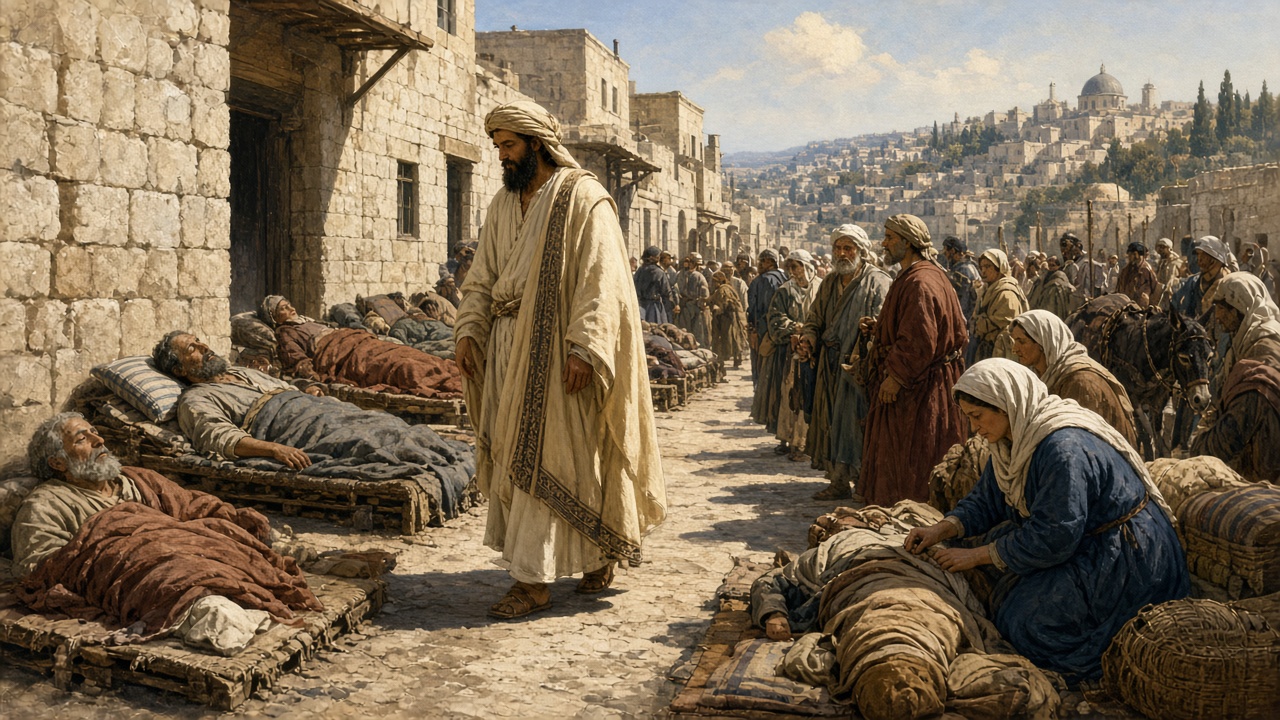
33Na di kaklinge i dad ulu i man Fiter, too ale flabè na kayèla ale fnati. 34Kabay nun satu Farisi di dale dnagit ku Gamalyél gal tamdò i flalò blé Dwata fagu di ku Mosis, too nafè i kdee dad to. Tadag kenen na dekan i dademe funa falwà là mlo i dad to gal dek Dyisas. 35Na di kalwàla, manan di dad demen ulu déén, manan, “E gamu dad bel Israél, tooyu fandam i knayèyu nimò di dad to ani. 36Du là dee fali takubu, nun satu to dnagit ku Tudas too fdatah i kton, na mdadong fat latu dad to magin di kenen. Kabay là mlo nun mati kenen, na i dad to magin kenen sbalét na landè gukel i dad nimoan. 37Kafnge én, nun lêman satu to mdà di banwe Galili dnagit ku Dyudas msut di bang fsulat kdee dad to i dagitla di banwela, na dee dad to mlalò kenen. Kabay nun lêman mati kenen na i kdee dad to mlalò kenen sbalét. 38Taman ani fngewegu gamu gablà di dad to ani, tatìyu ale fbayà. Falwàyu ale, du ku i nimòla na tdòla mdà di to, landè sa gukelan. 39Kabay ku di Dwata i gumdaan làyu gagan fnang dale, du én balingyu sanfati Dwata.” 40Na naginla i fngewe Gamalyél. Taman lêmanla fatlo i dad to gal dek Dyisas, na fbadasla ale. Na kafnge én, lêmanla ale fnang tamdò fagu di dagit Dyisas na falwà dale.
41Na tamdà i dad to gal dek Dyisas mdà di gustifun i dad ulu i dad Dyu, magin i bong klehewla, du di kite Dwata gablà ale maflayam mdà di ksasatula di ku Dyisas. 42Na klit i duh déén ale di Bong Gumnè Dwata na di dad gumnè i dad to, du too ale tamdò na tmulen gablà di Fye Tulen, dunan Dyisas i To Mgalék Dwata galla fatan.
Did you know?
Deceit, wonders, and the Sanhedrin
- Ananias, a member of the Jerusalem church, and his wife Sapphira, whose name means beautiful, sold a piece of land and, with her knowledge, kept back part of the price while bringing the rest to the apostles. He could have kept the property; Peter reminded him that it remained at his disposal both before and after the sale. The wrong was the lie: he professed to give it all, Sapphira confirmed the false price, and both died, she sharing his guilt and his punishment.Sources: Ananias (Husband of Sapphira) · Sapphira · the Bible text itself
- The believers gathered with one accord in Solomon’s Colonnade, where the apostles performed many signs and wonders. That colonnade probably stood on the eastern side of the temple. It is not mentioned in connection with the first temple, though Josephus refers to a porch of that name in Herod’s temple.Sources: Solomon's Portico · the Bible text itself
- When the high priest and his associates, who belonged to the party of the Sadducees, had the apostles arrested, a Pharisee named Gamaliel stood up in the Sanhedrin. He is described as a teacher of the law honored by all the people, the son of Rabbi Simeon and grandson of the famous Rabbi Hillel, and as an opponent of the Sadducees; he urged the council to leave the men alone. He pointed to Theudas, who had led an insurrection against Roman authority and, as Gamaliel told it, gathered about four hundred men before the rising came to nothing—beyond that, nothing else is known of Theudas—and to Judas the Galilean, who perished in the days of the census.Sources: Gamaliel · Theudas · the Bible text itself
Notes written with AI assistance from open sources (Theographic Bible Metadata, CC BY-SA 4.0; Easton’s Bible Dictionary, public domain) and reviewed before publishing.
Places in this chapter
- Solomon’s Portico · Today: in Jerusalem · 31.777, 35.234 · verse 12
- Jerusalem · 31.777, 35.234 · verses 16, 28
- Galilee · 32.760, 35.527 · verse 37
Only places identified with high confidence are shown (90% or more according to the scholarly sources compiled by OpenBible). Period map: DARE (Digital Atlas of the Roman Empire), CC BY 4.0; modern map: © OpenStreetMap contributors; places: OpenBible.info (CC BY 4.0).
Credits and license for this translation
I tnalù dwata
New Testament in Blaan, Sarangani
copyright © 1998 Wycliffe Bible Translators, Inc.
Language: Sarangani Blaan (Blaan, Sarangani)
Translation by: Wycliffe Bible Translators
Contributor: Wycliffe Bible Translators, Inc.
Copyright Information
© 1998, Wycliffe Bible Translators, Inc. All rights reserved.
This translation text is made available to you under the
terms of the Creative Commons License: Attribution-Noncommercial-No Derivative Works.
( http://creativecommons.org/licenses/by-nc-nd/3.0/ )
In addition, you have permission to port the text to different file formats, as long as you
do not change any of the text or punctuation of the Bible.
You may share, copy, distribute, transmit, and extract portions
or quotations from this work, provided that you include the above copyright
information:
You must give Attribution to the work.
You do not sell this work for a profit.
You do not make any derivative works that change any of the actual words or punctuation of the Scriptures.
Permissions beyond the scope of this license may be
available if you contact
us with your request.
The New Testament
in Blaan, Sarangani
© 1998, Wycliffe Bible Translators, Inc. All rights reserved.
This translation is made available to you under the terms of the
Creative Commons Attribution-Noncommercial-No Derivatives license 4.0.
You may share and redistribute this Bible translation or extracts from it in any format, provided that:
You include the above copyright and source information.
You do not sell this work for a profit.
You do not change any of the words or punctuation of the Scriptures.
Pictures included with Scriptures and other documents on this site are licensed just for use with those Scriptures and documents.
For other uses, please contact the respective copyright owners.
2015-03-17
Source: http://ebible.org/bps/ · eBible.org