Acts 2
I tnalù dwata · Tap a verse to see its cross-references.
I kakel i Mtiu Tulus Dwata
1Na di kakel i duh dnagit Féntikus, tastifun i kdee dad faglut di ku Dyisas di satu gumnè. 2Na tatì maktola linge bong uni mdà di langit, gambet uni i bong mgal nus, na fnò uni i gustifunla. 3Kafnge én, teenla gambet i dad dinè lifoh sbalét na mdon di kat satu dale. 4Na kdeela tafnò i Mtiu Tulus, na tambù ale talù i dad sahal talù, du mdà di gnagan blé Tulus Dwata dale.
5Na nun dad Dyu mnè di Dyérusalém di bang én too mafè Dwata. Mdà ale di kdee dad sahal banwe di tah tanà. 6Kaklingela i bong uni ani, too dee di dale stifun déén. Na too ale tikeng, du kat satu dale lingela i dale talù mdà di dad faglut di ku Dyisas. 7Na én duenla too tikeng, na manla, “Ise kè i dad to talù ani slame mdà di banwe Galili? 8Na tan ku fulung ale talù i gito talù? 9Du sahal dad banwe gumdaito. Nun mdà di banwe Farsya, Midya, Ilam, Mésofotamya, Dyudiya, Kafadosya, Fontus, Asya, 10Fridya, Famfilya, Idyif, na dad banwe di Libya mdadong di Sirini. Na nun dademe dad tlang dini mdà di Roma, 11i dad Dyu na dad to ise Dyu, mgebe di fnaglut i dad to Dyu. Na dademe di gito mdà di Krit na Arabya. Sahal banwe gumdaito, bay knean, lingeito di gito talù gablà di dad mdatah mgimò Dwata.” 12Tikeng ale na msamuk i fandamla, taman sasalek ale, manla, “Tan dé gumtatek ani?” 13Kabay én dademe baling ale smilo i dad faglut, manla, “E talangal ale.”
I ktalù Fiter di dad to
14Na kafnge én, tadag Fiter magin i dademe dad sfalò satu dek Dyisas, na falbongan i taluan, manan, “E dad demegu Dyu, na kdeeyu dini di Dyérusalém, fye ku glabatyu moon, taman tooyu beg fanlinge i mangu di gamu ani. 15Man nawayu langal i dad to ani bay là ale langal, du neyeyu, alò tngà mnagad i duh. 16Kabay ani sa kagdohò i tafakang Dwata fagu di satu tugadan di muna fa dunan Dyol, manan,
17‘Ani sa i nimògu kadang di fulé duh,
toogu blé i Tulusgu di kdee dad to.
I dad ngàyu lagi na libun tmugad ale i fgadègu di dale,
na i dad ngàyu sawang lagi nun kanteenla,
na i dad tua lagi di gamu kamna ale.
18Na balù i dad fasakgu lagi na libun,
banlégu ale i Tulusgu,
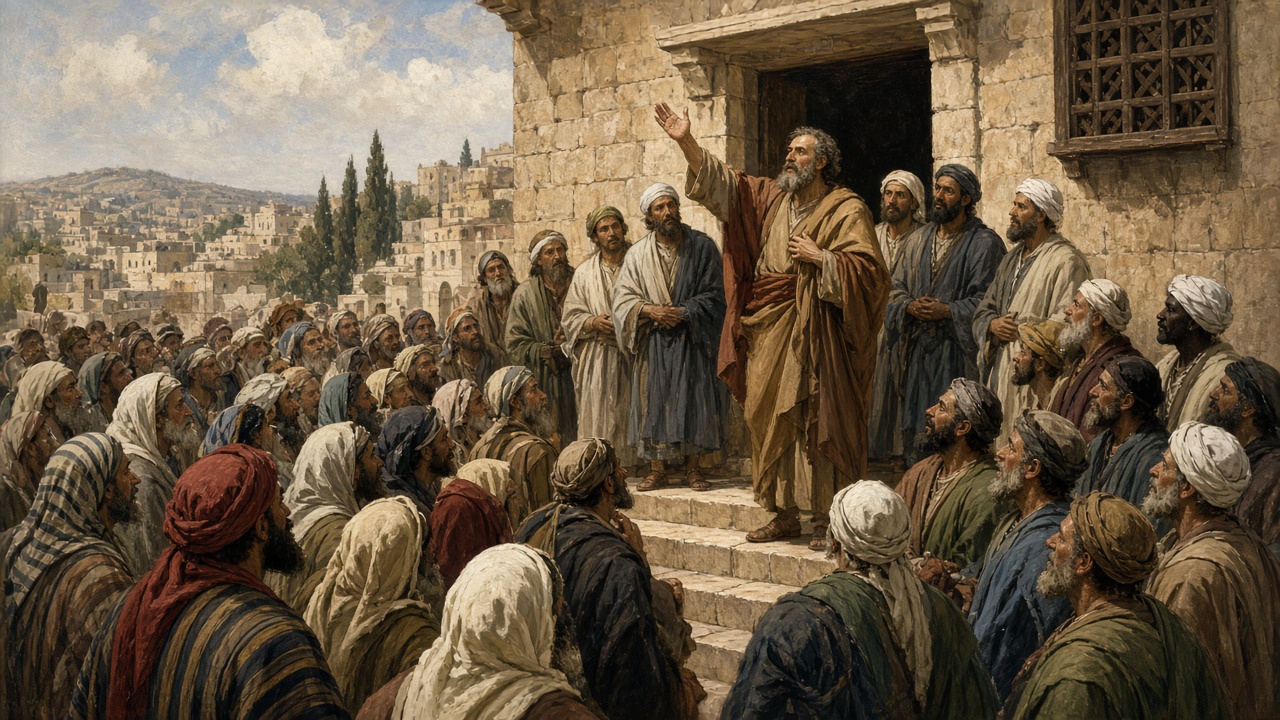
na tnugadla i fgadègu di dale.
19Na di bang én, fitegu di dad to i dad tnikeng mdà di langit,
na dad ilè dini di tah tanà,
dunan litè, na lifoh, na buk too mangfel.
20Mbaling kmifu i duh
na mbaling fulè i bulen gambet litè.
Ani sa mkel di là fa gdohò i mdatah duh, i duh kukum i Amu.
21Na di duh én kadang,
balù simto mni tabeng di Dwata i Amu, galwà ale.’ ” Én man Dwata fagu di ku Dyol.
I kték Dwata ku Dyisas
22Na fadlug talù Fiter, manan, “E gamu dad bel Israél, tooyu fanlinge i mangu ani. Tagadèyu gablà ku Dyisas mdà di banwe Nasarét. Tafite Dwata na kenen mdek ku Dyisas, du mdà di gnaganan na dad bong tnikeng na dad ilè fimoan kenen di munayu gufiten i kdatahan. 23Dyisas ani blé Dwata di gamu di bang i knayean, du én tafandaman di muna. Hae, tablén Dyisas di gamu, na lêyu blé di kagot i dad to gamsalà du fafatiyu kenen di krus. 24Kabay nték sa kenen Dwata na falwaan mdà di fati, du là gmagan i fati magot kenen. 25Du ani kagdohò i gman Dabid gablà ku Dyisas, manan,
‘Gadègu Amugu tagnè samnagin deg,
du dini kenen di kwanangu, én duengu là likò.
26Na én duen i nawagu too lehew, na dnayengu Dwata,
na balù mati i lawehgu ani, knean nun fatangu,
27du laam agu tagak déén di gumnè i dad mati,
na laam faloh ku balok laweh i To Landè Salà i kanbongam nawa.
28Tafgadeam di deg kibògu mfun nawa landè sen,
na mdà di kasnaginam deg, fananoam agu klehew.’
29“Dad flanekgu, toogu man ani di gamu ani gablà di tbulito Dabid. Tamati kenen na talbang, na nun fa lbangan kel di duh ani. 30Kabay kenen satu tugad Dwata na gadean tatoo makang Dwata nun satu to mdà di bel Dabid fanbalingan harì. 31Du tagadè Dabid i fan mkel, taman nun manan gablà di kték Krayst, i To Mgalék Dwata, di kmanan là kenen tagak Dwata di gumnè i dad mati, na là balok lawehan. 32Dyisas Krayst i mangu ani tanték Dwata mdà di fati, na kdeemi dini mite dun. 33Na ani tafdatah Dwata kenen ditù di kwananan. Na tagdawatan i fakang Maan, dunan i Mtiu Tulusan tafeben dini, na kdee teenyu na lingeyu dini slame mdà di kenen. 34Na là magket Dabid salu di langit, bay knean, manan,
‘Man Amuito Dwata di Amugu,
“Sudeng ge dini gsen di kwanangu,
35kel di kagfisangu dad dmuen ge,
na i kafkahgu dale di dungan falel bliam.” ’
36“Taman toogu fbangal i talùgu di kdeeyu dad bel Israél, du fye tooyu gadè, Dyisas i tanlansangyu di krus, fdatah Dwata na fanbalingan kenen Amu di kdee, na Krayst dunan i To Mgalékan galyu fatan.”
I kdawat dad bel Israél i gman Fiter
37Na kaklingela i gman Fiter, malbà i nawala, na smalek ale ku Fiter na i dademe gal dek Dyisas, manla, “Dad flanek, tan i fye nimòmi?” 38Na tmimel Fiter, manan, “Kat satu gamu msal na tagakyu dad salàyu, na fbunyag gamu fagu di dagit Dyisas Krayst, du fye nlifet Dwata i salàyu, na blén gamu i Mtiu Tulusan. 39Du én sa fakang Amuito Dwata di gamu, na dad ngàyu, na balù fa dad to di gumawagan, kel di kdee tamgalékan.”
40Kafnge én, dee fa man Fiter du faglabat dale i kaglut gablà ku Dyisas, na toon ale fakdo, manan, “Nang gamu makuf di dad sasè nimò i dad to di bang ani, du fye là gamu gakuf di kaflayam blé Dwata dale.” 41Na i kdee dmawat i man Fiter fbunyag ale. Na di duh én mdadong tlu libu dad to gatnù di dad faglut di ku Dyisas.
I ksasatu nawa i dad to faglut
42Na too ale flinge i tdò dad to gal dek Dyisas, na sasatu i nawala di klalòla ku Dyisas. Na gal ale stifun du dmasal di Dwata na snatngàla i fan na minum i ninum du fandamla i kfati Dyisas. 43Na kdeela tikeng gagin i afèla di Dwata, du too dee dad tnikeng na i dad ilè mgimò i dad gal dek Dyisas. 44I kdee dad faglut sasatu nawala, na too ale sablé. 45Na fablila i dad knunla na sankatla banlé di dad demela nun klidù. 46Na fadlug ale stifun klit i duh di Bong Gumnè Dwata na sasatu ale kmaan di dad gumnèla du fye gafaldamla i kfati Dyisas. Na di kastifunla, too ale lehew mdà di kafye Dwata dale. 47Too ale dmayen Dwata na too ale nafè i dademe dad to. Na klit i duh nun dademe tnù di dad to faglut di ku Dyisas na galwà di dad salàla.
Did you know?
The Spirit Comes at Pentecost
- God-fearing Jews from every nation under heaven were already living in Jerusalem when a sound like a mighty rushing wind came from heaven and filled the house, and the speakers began to declare God’s wonders in other languages. In this chapter, “Asia” is the Roman province of Proconsular Asia, in the western part of Asia Minor, whose capital was Ephesus—not the continent of that name. Pontus, along the southern coast of the Euxine Sea, was a Roman province in the apostles’ time and a resort of many Jews of the Dispersion; Cappadocia was the easternmost and largest province of Asia Minor.Sources: the Bible text itself · Asia · Pontus · Cappadocia
- The crowd was amazed that the speakers were Galileans. The one who stood with the Eleven and addressed them was Simon Peter, originally called Simon—that is, Simeon, meaning “hearing”—a fisherman from Bethsaida, on the western coast of the Sea of Galilee, whom his younger brother Andrew first brought to Jesus.Sources: the Bible text itself · Simon Peter
- Peter said this was what the prophet Joel had spoken. Joel, the second of the twelve minor prophets, was the son of Pethuel, and his personal history is known only from his book. Peter also quoted David, the eighth and youngest son of Jesse of Bethlehem, and told the crowd that this patriarch had died and been buried, and that his tomb was still with them in Jerusalem.Sources: the Bible text itself · Joel · David
Notes written with AI assistance from open sources (Theographic Bible Metadata, CC BY-SA 4.0; Easton’s Bible Dictionary, public domain) and reviewed before publishing.
Places in this chapter
- Jerusalem · 31.777, 35.234 · verses 5, 14
- Galilee · 32.760, 35.527 · verse 7
- Asia · 38.400, 28.300 · verse 9
- Cappadocia · 38.671, 34.839 · verse 9
- Judea · Today: Judea 1 · 31.777, 35.234 · verses 9, 14
- Mesopotamia · Today: Aram-naharaim · 36.864, 39.033 · verse 9
- Pontus · 40.680, 37.830 · verse 9
- Cyrene · 32.821, 21.851 · verse 10
- Egypt · 30.129, 31.308 · verse 10
- Libya · 32.821, 21.851 · verse 10
- Pamphylia · 37.000, 31.000 · verse 10
- Phrygia · 39.000, 31.000 · verse 10
- Rome · 41.892, 12.485 · verse 10
- Nazareth · 32.702, 35.298 · verse 22
Only places identified with high confidence are shown (90% or more according to the scholarly sources compiled by OpenBible). Period map: DARE (Digital Atlas of the Roman Empire), CC BY 4.0; modern map: © OpenStreetMap contributors; places: OpenBible.info (CC BY 4.0).
Credits and license for this translation
I tnalù dwata
New Testament in Blaan, Sarangani
copyright © 1998 Wycliffe Bible Translators, Inc.
Language: Sarangani Blaan (Blaan, Sarangani)
Translation by: Wycliffe Bible Translators
Contributor: Wycliffe Bible Translators, Inc.
Copyright Information
© 1998, Wycliffe Bible Translators, Inc. All rights reserved.
This translation text is made available to you under the
terms of the Creative Commons License: Attribution-Noncommercial-No Derivative Works.
( http://creativecommons.org/licenses/by-nc-nd/3.0/ )
In addition, you have permission to port the text to different file formats, as long as you
do not change any of the text or punctuation of the Bible.
You may share, copy, distribute, transmit, and extract portions
or quotations from this work, provided that you include the above copyright
information:
You must give Attribution to the work.
You do not sell this work for a profit.
You do not make any derivative works that change any of the actual words or punctuation of the Scriptures.
Permissions beyond the scope of this license may be
available if you contact
us with your request.
The New Testament
in Blaan, Sarangani
© 1998, Wycliffe Bible Translators, Inc. All rights reserved.
This translation is made available to you under the terms of the
Creative Commons Attribution-Noncommercial-No Derivatives license 4.0.
You may share and redistribute this Bible translation or extracts from it in any format, provided that:
You include the above copyright and source information.
You do not sell this work for a profit.
You do not change any of the words or punctuation of the Scriptures.
Pictures included with Scriptures and other documents on this site are licensed just for use with those Scriptures and documents.
For other uses, please contact the respective copyright owners.
2015-03-17
Source: http://ebible.org/bps/ · eBible.org