Matthew 6
I Falami Kasafnè (New Testament) · Tap a verse to see its cross-references.
I tdò Dyisas gablà di kablé
1Na fadlug Dyisas tamdò, manan, “Ku mimò gamu i dad nimò i dad to ftoo, là fakay ku yé duenyu mimò ayé du loyu fite di dad to, du ku yé duenan, landè lubay gdawatyu mdà di Màyu di tah langit.
2“Yé duenam man, ku tnabengyu i dad to landè knun, nangyu dag salngad i nimò dad to fagdag di kabléla di dad gumnè gal gustifun i dad to, na di kilil dalan. Lo yé duenla mimò dun du fye dag i dad to ale. Bay too glut i man-gu di gamu ani, ta gdawatla i kdee lubayla. 3Bay gamu, ku tnabengyu i dad to landè knun, nangyu fgadè di dademe to, balù di dademeyu sgalak, 4du fye gbuni i kabléyu. Na ku yé nimòyu, banlé Màyu gamu lubay du teenan i kdee nimòyu di gugbunin.
I tdò Dyisas gablà di kdasal
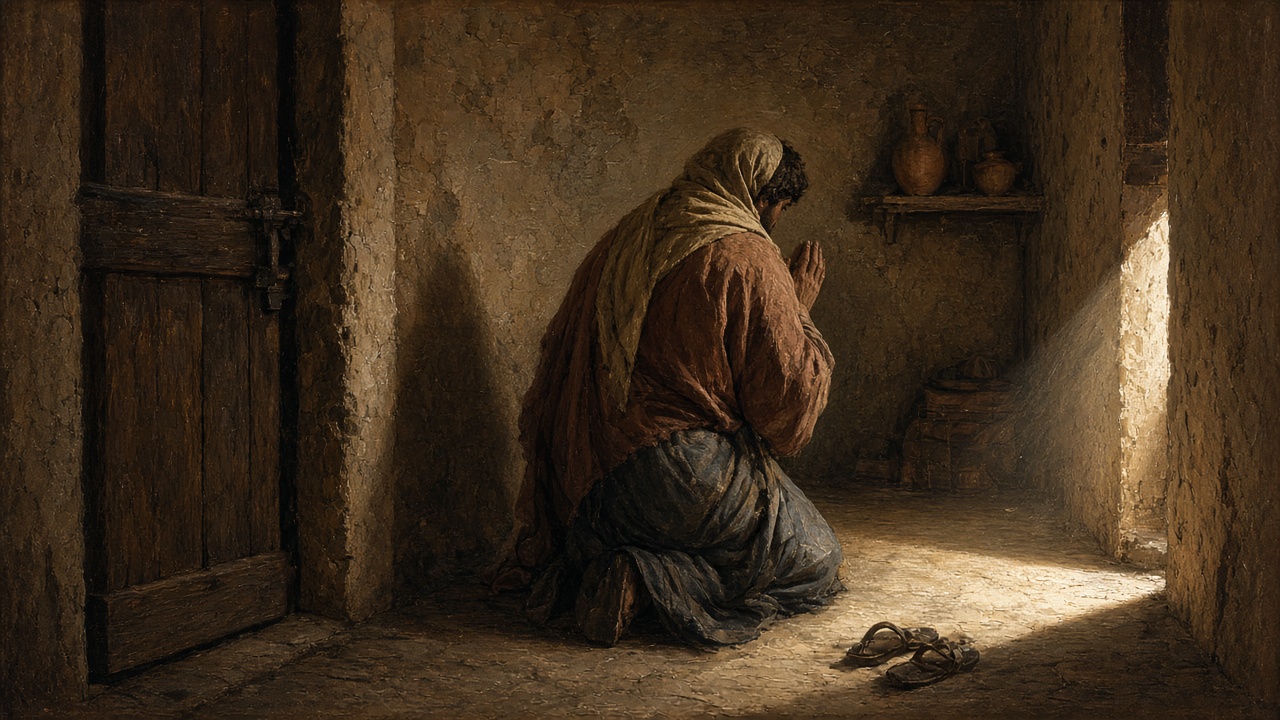
5“Ku dmasal gamu, nangyu ganbet i dad to flingu, du ku dmasal ale, too ale mayè tadag di dad gumnè gal gustifun i dad to, na di kilil dalan du dee dad to mite dale. Na too glut i man-gu di gamu ani, ta gdawatla i kdee lubayla. 6Bay ku dmasal gamu, fusuk gamu di snifilyu, na tnakabyu, na dmasal gamu di Màyu Dwata i là teen. Na fagu déé, yé mite i nimòyu di gugbunin i Màyu, na banlén gamu lubay. 7Na ku dmasal gamu, nangyu too fdee dad talùyu gambet i dad to dmasal di ise glut dwata, du yé man nawala ku fdeela i dad talùla, toon ale falninge. 8Nangyu ale ganbet du ta sana gadè Màyu i kalnidùyu balù di lamyu là fa mni di kenen. 9Bay gambet ani i fye kdasalyu,
‘Màmi di tah i langit, kayèmi moon ku mangamfù di ge i kdee.
10Na kayèmi ku ge magot i kdee, na ku gdohò i kdee knayèam dini di tah tanà salngad i kagdohòan déé di tah langit.
11Blém di gami i gablà knaanmi di mdu ani.
12Fnasinsyam i dad salàmi, salngad i kfasinsyami salà i dad to gamsalà di gami.
13Nangam faloh di gami i dad tilew gamgebe gami di salà, bay kanlungam gami di ku Satanas, gumdà i kdee sasè.’
14“Ku fnasinsyayu salà i dad to ta gamsalà di gamu, lê fnasinsya Màyu di langit i gamu salà. 15Bay ku là fnasinsyayu salà i dad to ta gamsalà di gamu, là lê fnasinsya Màyu i gamu salà.
I tdò Dyisas gablà di kafwasa
16“Na ku fwasa gamu, nangyu flidù i bawehyu gambet i dad to flingu, du yé nimòla fdilèla di bawehla na bitil ale du fye dilè i dad to ta fwasa ale. Bay too glut i man-gu di gamu ani, ta gdawatla i kdee lubayla. 17Bay ku fwasa ge, samwat ge na flauf ge, 18du fye là dilè i dad to i kafwasam. Na ku yé nimòam, lo yé gmadè i kafwasam i Màam dunan Dwata là teen. Na yé duenam man, banlén ge lubay du teenan i kdee dad nimòam di gugbunin.
I tdò Dyisas gablà di knun
19“Nang gamu samtifun knun dini di tah tanà, du falmo i kanok na tnéé na tnaku i dad to. 20Bay yé fye gusamtifunyu knun ditù di tah langit du ditù landè kanok falmo dun, na là tnéén, na landè to gfusuk ku tmaku dun. 21Yé fye nimòyu du ku nè gusamtifunyu i knunyu, yé gal gumnè i fandamyu.
I salò di laweh
22I matam, yé gambet salò di laweham. Ku mtiu i keyem, fakayta man na langub lwa i kabal laweham. 23Bay ku sasè i keyem, fakayta man na langub kmifuh i kabal laweham. Yé duenam man, ku ta kmifuh i salò mnè di nawam, ta too ti sasè kakifuhan.
Landè kibòto fafasak di lwe amu
24“Landè kibò fafasak di lwe amu, du magfeges kenen malék ku simto di dale i nutehan nawa na i kanbongan nawa, satu di dale nimenan na satu i dnuenan. Landè kibòyu fafasak di Dwata, na lê man di knun.
25“Yé duenam man, ani man-gu di gamu, nang gamu mlidù gablà di knèyu dini di tah tanà na i knaanyu na i ninumyu dini. Na nang gamu mlidù gablà di lawehyu na di klaweh lsakyu. Du ku fandamyu dad kalnidùyu di knèyu di tah tanà, nun sa too mabtas fa di knaan. Na ku fandamyu i kdee dad kalnidùyu di laweh, nun sa too mabtas fa di klaweh lsakyu. 26Fandamyu dad anuk mayeng. Là sa mlah ale, na là kamtu ale, na landè fol galla gusamtifun i ulê dad flahla. Bay yé famkaan dale dunan i Màyu di langit. Na gamu too mabtas fa di dad anuk. 27Là ti gaganyu tmugad i lawilyu di tah tanà ani, balù lo sudaf klon fagu di kafdamyu i dad kalnidùyu. 28Na nang gamu mlidù gablà di dad klawehyu. Fandamyu dad bulek tmabò di lam bnas. Là talbahò ale, na là mimò ale falnas fye nun klawehla. 29Bay ani man-gu di gamu, balù Harì Solomon di kafye knèan, landè klawehan salngad di kafye baweh i satu bulek. 30Ani kagkah i bulek. Di mdu ani, too fye kbelan, bay fayah ta mlanas na fakay ntam. Na ku nifat Dwata dad bulek i là too mabtas, midul déé fa i kablén gamu klaweh. Tay, too kulang i ksaligyu. 31Na yé duenam man, nang gamu mlidù gablà di knaanyu, ku demen i ninumyu, na i klawehyu. 32Du i dad to là ftoo di Dwata, yé sén i fandamla dale, bay ta sana gadè i Màyu na yé kalnidùyu. 33Bay ani fye nimòyu. Funayu fnè di nawayu i Kagot Dwata na i katluhan, na blén di gamu i kdee kalnidùyu. 34Na yé duenam man, nang gamu flidù gablà di du fayah, du dee i dad klidùyu di mdu ani. Silangyu fandam i dad klidùyu ku ta kel.”
Did you know?
Secret righteousness and trust
- This chapter is part of the Sermon on the Mount. An event listing dates that sermon to AD 28 and records it as lasting one day.Sources: Sermon on the Mount · the Bible text itself
- Jesus says not to sound a trumpet in the synagogues and streets when giving to the needy, as the hypocrites do in order to be honored. He also warns against praying on street corners to be seen and against fasting with a disfigured face; instead, he describes praying in an inner room with the door shut, and fasting with an anointed head and a washed face.Sources: the Bible text itself
- Jesus says that not even Solomon in all his glory was adorned like one of the lilies of the field. A dictionary entry explains that his Hebrew name, Shelomoh, means “Peaceful,” that he was David’s son by Bathsheba, and that Nathan called him Jedidiah, “beloved of the Lord”; his reign is recorded in 1 Kings 1–11 and 2 Chronicles 1–9.Sources: the Bible text itself · Solomon
Notes written with AI assistance from open sources (Theographic Bible Metadata, CC BY-SA 4.0; Easton’s Bible Dictionary, public domain) and reviewed before publishing.
Credits and license for this translation
I Falami Kasafnè (New Testament)
New Testament in Blaan, Koronadal
copyright © 1995 Wycliffe Bible Translators, Inc.
Language: Koronadal Blaan (Blaan, Koronadal)
Translation by: Wycliffe Bible Translators, Inc.
Copyright Information
© 1995, Wycliffe Bible Translators, Inc. All rights reserved.
This translation text is made available to you under the
terms of the Creative Commons License: Attribution-Noncommercial-No Derivative Works.
( http://creativecommons.org/licenses/by-nc-nd/3.0/ )
In addition, you have permission to port the text to different file formats, as long as you
do not change any of the text or punctuation of the Bible.
You may share, copy, distribute, transmit, and extract portions
or quotations from this work, provided that you include the above copyright
information:
You must give Attribution to the work.
You do not sell this work for a profit.
You do not make any derivative works that change any of the actual words or punctuation of the Scriptures.
Permissions beyond the scope of this license may be
available if you contact
us with your request.
The New Testament
in Blaan, Koronadal
© 1995, Wycliffe Bible Translators, Inc. All rights reserved.
This translation is made available to you under the terms of the
Creative Commons Attribution-Noncommercial-No Derivatives license 4.0.
You may share and redistribute this Bible translation or extracts from it in any format, provided that:
You include the above copyright and source information.
You do not sell this work for a profit.
You do not change any of the words or punctuation of the Scriptures.
Pictures included with Scriptures and other documents on this site are licensed just for use with those Scriptures and documents.
For other uses, please contact the respective copyright owners.
2014-08-06
Source: http://ebible.org/bpr/ · eBible.org