Luke 3
I Falami Kasafnè (New Testament) · Tap a verse to see its cross-references.
I katdò Dyan Gal Munyag
1Di gasfalò lime fali di kagot Tibiryus Sisar, yé ganlal di Dyudiya dunan Pontyus Pilato, na yé ganlal di Galili dunan Harì Hérod. Di dad banwe Ituriya na Trakonitis, yé ganlal déé dunan i twalin dnagit Filip. Na yé ganlal di banwe Abilin dunan Lisanyas. 2Na gasalngan di dale, yé dad ulu i dad ganlal di kafaglut i dad Dyu dunan Anas na Kayafas. Na di dad du atù, talù Dwata di ku Dyan, i ngà Sakaraya, di banwe landè to mnè ditù. 3Na yé duenam man, lanngaban i kdee dad banwe mdadong di Éél Dyordan na tamdò kenen, manan dale, “Msal gamu na tnagakyu i dad sasè nimòyu na fbunyag gamu, na ku yé nimòyu fnasinsya Dwata dad salàyu.” 4Na yé klon gdohò i sulat Isaya, satu tugad i Dwata di munan, manan,
“Nun to tamlo di banwe landè to mnè ditù, manan, ‘Fatlagadyu i dalan i Amu, na tanluhyu i gumagun fagu di kafatlagadyu i ktoyu.
5Lnimunyu i kdee dad sbang na sandatalyu i dad bulul. Tanluhyu i dad dalan kigò, na lnimunyu i dad dalan magbang.
6Na teen i kdee dad to i dalan kagalwà blé Dwata.’ ”
Yé ta fala fgadè Isaya di muna gablà ku Dyan.
7Na nun dee dad to salu di ku Dyan du fbunyag ale. Na kanto ale kel déé, man Dyan di dale, “Gamu dad ulad. Simto man dun di gamu na galwà gamu di flayam fan kel febe Dwata ku lo gamu fbunyag? 8Ku ta msal gamu di dad salàyu, fiteyu i ta ksalyu fagu di dad fye nimòyu. Na nang gamu fagdag di kmanyu dun, ‘Gami bel Abraham. Balù ku là msal gami, là gagin gami di flayam febe Dwata.’ Ani man-gu di gamu, balù fa i dad batu ani, gagan Dwata fambaling dale bel Abraham ku kayèan tamlas gamu. 9I flayam febe Dwata, ta too mdadong nan. Ku fkahta di to mbek kayu, ta déé i balyung di foon i kayu. Na kat satu kayu là menge fye, nbekan na snakufan di lifoh.”
10Na smalek i dad to ayé di ku Dyan, manla, “Na ku ayé, dét i fye nimòmi kè?” 11Na tmimel Dyan, manan, “I to ku lwe saulan blén i satu di to landè saul, na i to nun knaanan, fye ku began banlé i dad to landè knaan.” 12Na nun dad to kel déé gal mwè bayad i buhis di dad to. Yé duenla salu déé du mayè ale fbunyag na smalek ale, manla, “Sér, dét i fye nimòmi gami?” 13Na tmimel kenen, manan, “Lo ayé nwèyu di dademeyu to i man i uldin i gubirnu.” 14Na lê nun dad sundalu kel déé na smalek ale, manla, “Na gami, dét i nimòmi?” Na tmimel Dyan, manan, “Nang gamu mwè filak fagu di kfeges ku demen fagu di kdalamyu i dademeyu to. Na fye ku gablà di nawayu i sukéyyu.”
15I kdee dad to stifun déé, ta toola fatan kakel i Mgalék Dwata. Na yé duenam man, kantola linge i katdò Dyan, yé mnè di nawala na keng kenen. 16Bay man Dyan di dale, “Nun kel satu too mdatah di do. Là gablà agu mteh i ikat talumfàan du too agu mdanà di kenen. Bnunyagta gamu fagu di éél, bay kenen i munyag gamu fagu di Mtiu Tulus na di lifoh. 17Sansahalan i dad to salngad i to tmaaf fali. Na fakayta man na ta sanan nagot i taaf du tmaaf. I fali ta magtaaf, busekan di folan, bay i kdee dad afa, snakufan di lifoh kel di landè sen.” 18Na di lam Dyan tamdò i Fye Tulen, dee kfagun falmau i dad to.
19Di satu du, nngak Dyan Harì Hérod du snafédan yaan i flanekan, dunan Hérodiyas, na lêan nngak di dademe sasè nimòan. 20Na yé duenam man, Harì Hérod, balingan tananù i ksasè nimòan du fablanggùan Dyan.
I kbunyag ku Dyisas
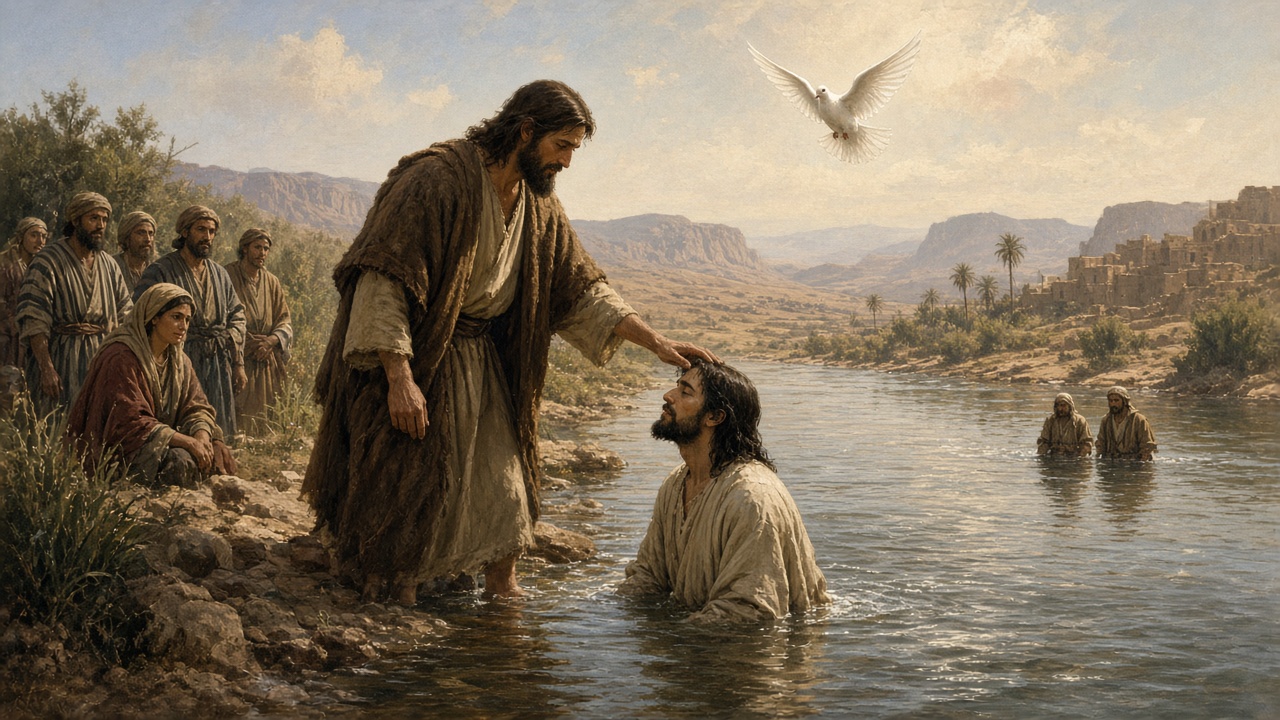
21Di lam là blanggù Dyan, di galan kbunyag i dad to, ta lê fbunyag Dyisas. Na kafngen fbunyag, dmasal na tadè mgukà i langit. 22Na ta tufa i Mtiu Tulus gambet abun na mnè di kenen. Na nun talù mdà di langit, manan, “Ge i Ngàgu toogu kando. Too fye nawagu ge.”
I dad gutambul Dyisas
23Na Dyisas, keng ta tlu falò fali i ta ktuan, yé katbùan tamdò. Na di fandam i dad to, kenen i ngà Dyosip, dunan i ngà Hili. 24Na Hili i ngà Matat, dunan i ngà Libay, dunan i ngà Mélkay, dunan i ngà Dyani, dunan i ngà Dyosip. 25Na Dyosip i ngà Matatyas, dunan i ngà Amos, dunan i ngà Nahum, dunan i ngà Isli, dunan i ngà Nagay. 26Na Nagay i ngà Maat, dunan i ngà Matatyas, dunan i ngà Simin, dunan i ngà Dyosik, dunan i ngà Dyoda. 27Na Dyoda i ngà Dyoanan, dunan i ngà Risa, dunan i ngà Sorubabél, dunan i ngà Saltiyél, dunan i ngà Néri. 28Na Néri i ngà Mélkay, dunan i ngà Adi, dunan i ngà Kosam, dunan i ngà Ilmadam, dunan i ngà Ir. 29Na Ir i ngà Dyaswa, dunan i ngà Élisar, dunan i ngà Dyoram, dunan i ngà Matat, dunan i ngà Libay. 30Na Libay i ngà Simyon, dunan i ngà Dyuda, dunan i ngà Dyosip, dunan i ngà Dyonam, dunan i ngà Ilaykim. 31Na Ilaykim i ngà Milya, dunan i ngà Mina, dunan i ngà Matata, dunan i ngà Natan, dunan i ngà Harì Dabid. 32Na Harì Dabid i ngà Dyési, dunan i ngà Obéd, dunan i ngà Boas, dunan i ngà Salmon, dunan i ngà Nason. 33Na Nason i ngà Aminadab, dunan i ngà Admin, dunan i ngà Arni, dunan i ngà Hésron, dunan i ngà Péris, dunan i ngà Dyuda. 34Na Dyuda i ngà Dyékob, dunan i ngà Isaak, dunan i ngà Abraham, dunan i ngà Téra, dunan i ngà Nahor. 35Na Nahor i ngà Sirug, dunan i ngà Ru, dunan i ngà Pilig, dunan i ngà Ibir, dunan i ngà Sila. 36Na Sila i ngà Kainan, dunan i ngà Arfaksad, dunan i ngà Sém, dunan i ngà Nowa, dunan i ngà Lamik. 37Na Lamik i ngà Métusila, dunan i ngà Inok, dunan i ngà Dyaréd, dunan i ngà Mahalalil, dunan i ngà Kainan. 38Na Kainan i ngà Inos, dunan i ngà Sét, dunan i ngà Adan, dunan i ngà Dwata.
Did you know?
John the Baptist prepares the way
- Luke sets John's preaching in the fifteenth year of Tiberius Caesar, the stepson of Augustus, who succeeded him in A.D. 14 and died in A.D. 37. Easton's Bible Dictionary (1897) notes that John began his public ministry in that year, and that Pontius Pilate, the sixth Roman procurator of Judea from A.D. 26 to 36, kept his headquarters at Caesarea during a term that covered the ministries of John and Jesus. Herod Antipas, a son of Herod, was then tetrarch of Galilee.Sources: the Bible text itself · Tiberius · Pontius Pilate · Herod Antipas
- The chapter dates these events during the high priesthood of both Annas and Caiaphas. Easton's Bible Dictionary (1897) records that Annas was high priest from A.D. 7 to 14 and was deposed by the Roman procurator, and that Caiaphas, who had married Annas's daughter, was raised to that office in A.D. 25. The same entry suggests that the Jews may still have regarded Annas as the lawful high priest, since Mosaic law held the office for life, and that he probably served with Caiaphas as president of the Sanhedrin or as the high priest's deputy.Sources: the Bible text itself · Annas
- John, son of Zechariah, was of priestly descent: his father was a priest of the course of Abia, and his mother, Elizabeth, belonged to the daughters of Aaron. Easton's Bible Dictionary (1897) notes that his mission was the subject of prophecy, including Isaiah's voice crying in the wilderness, and that his birth came six months before the birth of Jesus. In this chapter he preaches a baptism of repentance throughout the region around the Jordan, and Herod the tetrarch later imprisons him after John rebukes him over Herodias.Sources: the Bible text itself · John the Baptist
Notes written with AI assistance from open sources (Theographic Bible Metadata, CC BY-SA 4.0; Easton’s Bible Dictionary, public domain) and reviewed before publishing.
Places in this chapter
- Abilene · 33.627, 36.106 · verse 1
- Galilee · 32.760, 35.527 · verses 1, 19
- Ituraea · 33.400, 35.850 · verse 1
- Judea · Today: Judea 1 · 31.777, 35.234 · verse 1
- Trachonitis · Today: Lajat · 32.969, 36.455 · verse 1
- Jordan · Today: Jordan River · 31.761, 35.558 · verse 3
Only places identified with high confidence are shown (90% or more according to the scholarly sources compiled by OpenBible). Period map: DARE (Digital Atlas of the Roman Empire), CC BY 4.0; modern map: © OpenStreetMap contributors; places: OpenBible.info (CC BY 4.0).
Credits and license for this translation
I Falami Kasafnè (New Testament)
New Testament in Blaan, Koronadal
copyright © 1995 Wycliffe Bible Translators, Inc.
Language: Koronadal Blaan (Blaan, Koronadal)
Translation by: Wycliffe Bible Translators, Inc.
Copyright Information
© 1995, Wycliffe Bible Translators, Inc. All rights reserved.
This translation text is made available to you under the
terms of the Creative Commons License: Attribution-Noncommercial-No Derivative Works.
( http://creativecommons.org/licenses/by-nc-nd/3.0/ )
In addition, you have permission to port the text to different file formats, as long as you
do not change any of the text or punctuation of the Bible.
You may share, copy, distribute, transmit, and extract portions
or quotations from this work, provided that you include the above copyright
information:
You must give Attribution to the work.
You do not sell this work for a profit.
You do not make any derivative works that change any of the actual words or punctuation of the Scriptures.
Permissions beyond the scope of this license may be
available if you contact
us with your request.
The New Testament
in Blaan, Koronadal
© 1995, Wycliffe Bible Translators, Inc. All rights reserved.
This translation is made available to you under the terms of the
Creative Commons Attribution-Noncommercial-No Derivatives license 4.0.
You may share and redistribute this Bible translation or extracts from it in any format, provided that:
You include the above copyright and source information.
You do not sell this work for a profit.
You do not change any of the words or punctuation of the Scriptures.
Pictures included with Scriptures and other documents on this site are licensed just for use with those Scriptures and documents.
For other uses, please contact the respective copyright owners.
2014-08-06
Source: http://ebible.org/bpr/ · eBible.org