Hebrews 5
I Falami Kasafnè (New Testament) · Tap a verse to see its cross-references.
1Kat satu mnè di bleng, mgalék kenen mdà di dademen to, na dek kenen mnè di bleng i dad to na Dwata, du dsùan i dad tadè blé na dad lmanaf du mdà di dad salà. 2Du lo to tanà i to ayé, na nun dad gumlungayan, taman kandon i dad to kulang gnadè na i dad to gamsalà. 3Du lo to tanà i to ayé, taman gamsalà kenen. Yé duenam man, là fakay ku là damsùan mdà di kenen salà salngad kadsùan di salà i dad to. 4Too mgafè i to mnè di bleng, na landè to malék i kton mgimò mnè di bleng, bay lo Dwata malék kenen salngad i nimòan ku Aron.
5Na salngad déé, là tan-gaad Krayst malék i kton mgimò Mdatah Mnè di Bleng, bay Dwata malék kenen, manan,
“Ge i Ngàgu, na di mdu ani, fgadègu na do i Màam.”
6Na yé lêan man di satu alel di Tnalù Dwata,
“Ge i Mnè di Bleng kel di landè sen salngad ku Mélkisidék.”
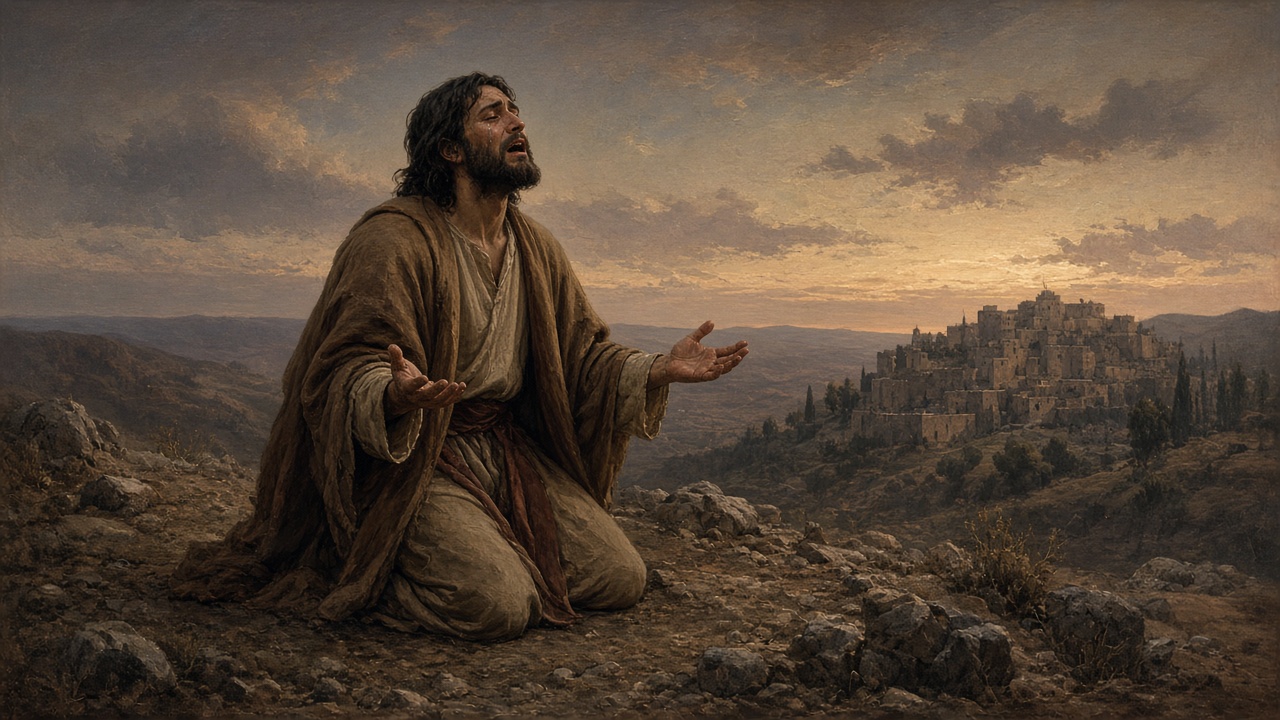
7Di lam Dyisas mnè dini di tah tanà, too kenen dmasal na mni di Dwata, na falbongan i talùan, na tamdak i lwakan, du gadèan lo Dwata i gamfalwà kenen di fati. Na falninge Dwata i dasalan ayé du fdanàan i kton di Dwata du mdà di kafèan dun. 8Na balù Dyisas i Ngà Dwata, glabatan gumtatek i kimen fagu di dad kaflayam gnagun. 9Na kanto sikof i kdee gnagun, mgimò kenen Falwà di kdee dad to mimen di kenen kel di landè sen. 10Na banlé Dwata kenen glal Mnè di Bleng salngad ku Mélkisidék.
I fgadèan di dad to du fye là kmagol ale
11Nun dee kayèmi man gablà di manmi ayé, bay mlimah faglabat dun di gamu, du là mayè gamu flinge. 12Ta mloyu gmadè i kaglutan, na gablà moon ku ta fulung gamu tamdò. Bay, di kaglutan, là fakay ku landè tamdò gamu i dad mlahil tdò di Tnalù i Dwata. Yé ta gablàyu knaan moon i dad magéng knaan, bay kel di mdu ani, sana kafngabalyu gatas. 13I to sana kafngabalan gatas, tlabo ngà fa. Là gadèan ku nè i fye, na i sasè. 14Bay i magéng knaan, gten di dad tua ta fulung dmilè i fye na i sasè.
Did you know?
A High Priest Called by God
- Hebrews 5 presents Aaron as the pattern of a high priest who does not take the honor upon himself but is called by God. Aaron, eldest son of Amram and Jochebed, was born in Egypt three years before his brother Moses. When the time drew near for Israel’s deliverance from Egypt, God sent him to meet his long-absent brother so that they might work together toward the Exodus.Sources: the Bible text itself · Aaron
- Melchizedek, whose name Easton's Bible Dictionary (1897) explains as “king of righteousness,” was king of Salem. All that the Old Testament records of him is in Genesis 14:18–20, and he is mentioned only once more, in Psalm 110:4. Hebrews 5 applies to Christ the words “You are a priest forever in the order of Melchizedek,” and the same dictionary says that Hebrews 7 sets out the significance of his story in detail and presents his priesthood as superior to Aaron’s, noting that Abraham paid him tithes and that Melchizedek blessed Abraham.Sources: the Bible text itself · Melchisedec
Notes written with AI assistance from open sources (Theographic Bible Metadata, CC BY-SA 4.0; Easton’s Bible Dictionary, public domain) and reviewed before publishing.
Credits and license for this translation
I Falami Kasafnè (New Testament)
New Testament in Blaan, Koronadal
copyright © 1995 Wycliffe Bible Translators, Inc.
Language: Koronadal Blaan (Blaan, Koronadal)
Translation by: Wycliffe Bible Translators, Inc.
Copyright Information
© 1995, Wycliffe Bible Translators, Inc. All rights reserved.
This translation text is made available to you under the
terms of the Creative Commons License: Attribution-Noncommercial-No Derivative Works.
( http://creativecommons.org/licenses/by-nc-nd/3.0/ )
In addition, you have permission to port the text to different file formats, as long as you
do not change any of the text or punctuation of the Bible.
You may share, copy, distribute, transmit, and extract portions
or quotations from this work, provided that you include the above copyright
information:
You must give Attribution to the work.
You do not sell this work for a profit.
You do not make any derivative works that change any of the actual words or punctuation of the Scriptures.
Permissions beyond the scope of this license may be
available if you contact
us with your request.
The New Testament
in Blaan, Koronadal
© 1995, Wycliffe Bible Translators, Inc. All rights reserved.
This translation is made available to you under the terms of the
Creative Commons Attribution-Noncommercial-No Derivatives license 4.0.
You may share and redistribute this Bible translation or extracts from it in any format, provided that:
You include the above copyright and source information.
You do not sell this work for a profit.
You do not change any of the words or punctuation of the Scriptures.
Pictures included with Scriptures and other documents on this site are licensed just for use with those Scriptures and documents.
For other uses, please contact the respective copyright owners.
2014-08-06
Source: http://ebible.org/bpr/ · eBible.org