Romans 16
Dónbeenì páaníi fĩnle vũahṹ · Tap a verse to see its cross-references.
Le tɛ̀ɛníi
1Ĩ wee tonka a Febe mi cɔ̃́n, wón na lé wàn hĩ́nló mu kèrètĩ́ɛmu dã́ní yi, na wee sá le Dónbeenì tonló ho lóhó na ɓa le Sãnkeree yi. 2Ká a ɓueé dɔ̃n mia à mi ɓua a sese o Ɲúhṹso yèni yi. Mi ɓua a làa bìo á bìa dó mí sĩa le Dónbeenì yi wee ɓuaráa mín bìo síi. Mi wé séení a bìo lée bìo na ó o màkóo wi mia yi. Orɛ́n mí bɛɛre séenía ɓa nùpua cɛ̀rɛ̀ɛ, sɔ̃̀nkú ĩnɛ́n.
3Ĩ wee tɛ̀ɛní a Pirisiiye là a Akilaasi yi, bán na làa mi páanía lé o Yeesu *Krista ton-sáwá. 4Ɓa zàanía mí mukãní á kã̀níanáa mi. Ĩ yi yí dà máa sà bṹn yi. Á ɓa kèrètĩ́ɛwa na yínɔń ɓa *zúifùwa mún yiwa máa sà mu yi. 5Ɓa kèrètĩ́ɛwa na wee kúee mín wán ɓàn zĩi á ĩ mún wee tɛ̀ɛní yi. Ĩ wee tɛ̀ɛní wàn bɔ̃́nlo na ɓa le Epayinɛɛte yi. Wón lé o nín-yání nùpue na dó mí sĩi o Krista yi ho Azii kɔ̃hṹ yi. 6Ĩ wee tɛ̀ɛní a hã́a na ɓa le Mari yi, wón na séenía mia làa sòobɛ́ɛ. 7Ĩ wee tɛ̀ɛní a Ãndoronikuusi là a zũniasi yi. Ɓa làa mi lée sìí kéní, á ɓa mún kɛra ho kàsó yi làa mi. Ɓa lé o Krista tonkarowà na bìo ɲúhṹ wi làa sòobɛ́ɛ. Ɓa tà a Krista bìo á dú ĩnɛ́n yahó.
8Ĩ wee tɛ̀ɛní a Ãnpiliatuusi yi, wón na á ĩ wa làa sòobɛ́ɛ wa páaníló là a Ɲúhṹso bìo yi. 9Ĩ wee tɛ̀ɛní a Uubɛ̃n yi, wón na làa wɛn páanía wee sá a Krista tonló, á wee tɛ̀ɛní a Sitakiisi yi, wón na á ĩ wa làa sòobɛ́ɛ. 10Ĩ wee tɛ̀ɛní a Apelɛɛsi yi, wón zéenía le mi dó mí sĩi binbirì o *Krista yi. O nìi na ɓa le Arisitobuule lè mí zĩi nùpua á ĩ wee tɛ̀ɛní yi. 11O Herodion, yìa lé ho sìí kéní làa mi á ĩ wee tɛ̀ɛní yi. Ĩ wee tɛ̀ɛní a Naasiisi zĩi nùpua yi, bán na dó mí sĩa o *Krista yi. 12Ĩ wee tɛ̀ɛní a hã́a na ɓa le Tirifɛɛna làa yìa ɓa le Tirifooze yi. Ɓa wee sá a Ɲúhṹso tonló làa sòobɛ́ɛ. Wàn bɔ̃́nlo hã́a na ɓa le Pɛɛsiide á ĩ wee tɛ̀ɛní yi. Wón mún sá a Ɲúhṹso tonló làa sòobɛ́ɛ. 13Ĩ wee tɛ̀ɛní a Urufuusi yi, wón na bìo ɲúhṹ wi làa sòobɛ́ɛ o Krista tonló sáró yi. Ɓàn nu á ĩ wee tɛ̀ɛní yi. O mún lé ĩnɛ́n wàn nu. 14O Asɛnkiriite, là a Filekon, là a Hɛɛmɛɛsi, là a Patorobaasi, là a Hɛɛmaasi, lè wàn zàwa kèrètĩ́ɛwa na páanía wi làa ba, bán ɓúenɓúen á ĩ wee tɛ̀ɛní yi. 15O Filolooki là a Zulii á ĩ wee tɛ̀ɛní yi. Ĩ wee tɛ̀ɛní a Nɛree lè mín hĩ́nló yi, á wee tɛ̀ɛní a Olɛnpaasi yi, làa bìa ɓúenɓúen na dó mí sĩa o Krista yi, na páanía wi làa ba á ĩ wee tɛ̀ɛní yi.
16Mi tɛ̀ɛní mín yi lè le kɔ̃̀nbii tɛ̀ɛníi. Ɓa kèrètĩ́ɛwa kuio ɓúenɓúen wee tɛ̀ɛní mia.
Le zéeníi na ó o Poole nɔn
17Wàn zàwa lè wàn hĩ́nni kèrètĩ́ɛwa, bìo á ĩ hení á à na mia lé bìo kà: Mi pa miten bìo ɓa nùpua na wee dé ho sankaró ɓa kèrètĩ́ɛwa kuure yi. Ho kàránló na mi yú á ɓa pã́ bìo, à ɓa wee kàrán mia làa bè-veere á à vĩ́inínáa mia. Mi pĩ́ ɓa bìo, 18lé bìo ɓa nùpua mu síi á wa Ɲúhṹso na lé o *Krista tonló sáró bìo yí here cɔ̃́n. Bìo bìo here ɓa cɔ̃́n lé ɓa dío bìo. Ɓa wee bío hã bín-sĩa à vĩ́inínáa bìa yí máa dàń zũń le sabéré lè ho tũ̀iá poni à hueeka mín yi. 19Mu bon, ɓa nùpua ɓúenɓúen zũ bìo mi wee tà bèráa bìo ó o Ɲúhṹso wee bío yi. Lé bṹn nɔn á ĩ sĩi wannáa mi bìo yi. Ɛ̀ɛ ká ĩ màhã́ wi à mi wé mu bè-zũńminì ɓànsowà binbirí à wé wéráa bìo se. Ĩ wi à mi ce, à wé yí wé mu bìo na yí se. 20Hen làa cĩ́inú ká le Dónbeenì na lé ho hɛ́ɛrà ɓànso á à yáa o Satãni pànká, á à dé o mi zení tá.
Le o Ɲúhṹso Yeesu wé mí sãamu làa mia!
21O Timɔtee, yìa làa mi páanía wee sá ho ton-kéní á wee tɛ̀ɛní mia. O Lisiyuusi là a Zasɔ̃n là a Sosipatɛɛre, bán làa mi lé ho sìí kéní á mún wee tɛ̀ɛní mia.
22Ĩnɛ́n Tɛɛtiyuusi na túara a Poole ɲi-cúa á mún wee tɛ̀ɛní mia wa Ɲúhṹso na wó á wa lé le dà-kéní yèni yi.
23O Kayuusi, yìa á ĩ làara wán mún wee tɛ̀ɛní mia. Lé wón zĩi á ɓa kèrètĩ́ɛwa wee kúee mín wán yi. Ho lóhó wɛ́n-bàrálo na ɓa le Erasiite, wón lè wàn za Kaatuusi á wee tɛ̀ɛní mia. 24[Le wa Ɲúhṹso Yeesu Krista à wé mí sãamu lè mi ɓúenɓúen. *Amiina!]
Mi wa khòoní le Dónbeenì mí dòn
25Mi wa khòoní le Dónbeenì. Lerɛ́n lé dìo dà à wé, á mi sĩadéró le yi á à fárá à tĩn. Le è wé mu le bín-tente na bìo ciran o Yeesu Krista, dìo á ĩ wee bue pànká yi. Lé dén bín-tente so á le Dónbeenì wee dĩ̀n wán zéenínáa mí bìo na lá sà yi hã lúlúio zànzàn. 26Ɛ̀ɛ ká hã laà na kà wán, á mu wã́a ló mu khoomu yi wéréwéré le Dónbeenì ɲi-cúa fɛɛrowà vɔ̃nna na ɓa yáanía túara pànká yi. Lé le Dónbeenì na wi fɛ́ɛɛ á nɔn dén ɲii so bán yi le ɓa túa mu, bèra a na, à hã sìí-viò nùpua zũń le, à dé mí sĩa le yi, à wé bè le bíoní yi.
27Le le Dónbeenì na mí dòn lé mu bè-zũńminì ɓànso, à yí ho cùkú fɛ́ɛɛ, o Yeesu *Krista pànká yi. *Amiina!
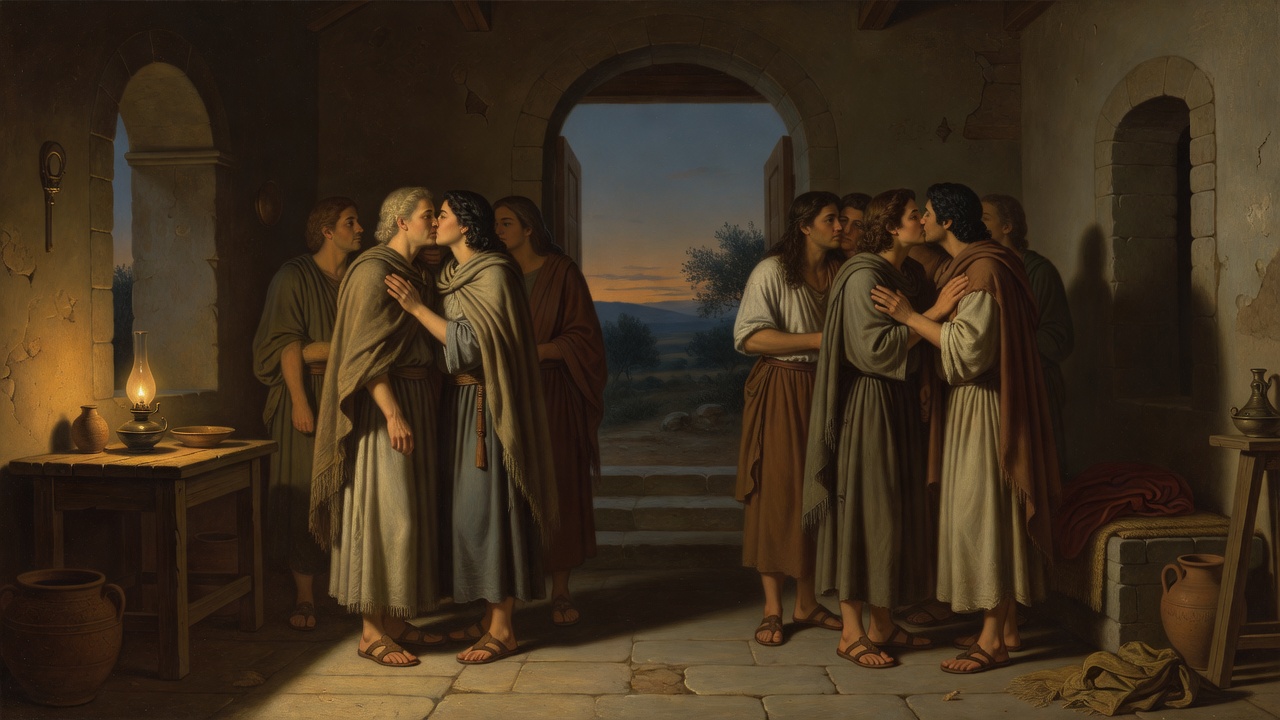
Did you know?
Greetings to the church in Rome
- Paul commends Phoebe, a servant of the church in Cenchrea, and asks the recipients in Rome to welcome her and help her with whatever she needs, because she has been a great help to many people, including him. Cenchrea was the eastern harbor of Corinth, about nine miles east of the city and the outlet for its trade with the Asiatic shores of the Mediterranean; Easton's Bible Dictionary (1897) says she was probably the bearer of this letter.Sources: the Bible text itself · Phebe · Cenchreae
- Paul greets Prisca and Aquila, his fellow workers in Christ Jesus, who risked their lives for him, and also the church that meets in their house; he says that not only he but all the churches of the Gentiles are grateful to them. Easton's Bible Dictionary (1897) calls her Priscilla and describes Aquila as a tent-maker from Pontus who, with his wife, left Rome because of a decree of Claudius in A.D. 50 commanding all Jews to leave the city; her name sometimes comes before his, as it does here.Sources: the Bible text itself · Priscilla · Aquila
- Near the close, Tertius, who wrote the letter down, adds his own greeting. Gaius, who has hosted Paul and all the church, also sends greetings, as do Erastus, the city treasurer, and Quartus.Sources: the Bible text itself
Notes written with AI assistance from open sources (Theographic Bible Metadata, CC BY-SA 4.0; Easton’s Bible Dictionary, public domain) and reviewed before publishing.
Places in this chapter
Only places identified with high confidence are shown (90% or more according to the scholarly sources compiled by OpenBible). Period map: DARE (Digital Atlas of the Roman Empire), CC BY 4.0; modern map: © OpenStreetMap contributors; places: OpenBible.info (CC BY 4.0).
Credits and license for this translation
Dónbeenì páaníi fĩnle vũahṹ
New Testament in Buamu (UV:box:Buamu)
copyright © 2012 Wycliffe Bible Translators, Inc.
Language: Buamu
Translation by: Wycliffe Bible Translators, Inc.
Copyright Information
© 2012, Wycliffe Bible Translators, Inc. All rights reserved.
This translation text is made available to you under the
terms of the Creative Commons License: Attribution-Noncommercial-No Derivative Works.
( http://creativecommons.org/licenses/by-nc-nd/3.0/ )
In addition, you have permission to port the text to different file formats, as long as you
do not change any of the text or punctuation of the Bible.
You may share, copy, distribute, transmit, and extract portions
or quotations from this work, provided that you include the above copyright
information:
You must give Attribution to the work.
You do not sell this work for a profit.
You do not make any derivative works that change any of the actual words or punctuation of the Scriptures.
Permissions beyond the scope of this license may be
available if you contact
us with your request.
The New Testament
in Buamu
© 2012, Wycliffe Bible Translators, Inc. All rights reserved.
This translation is made available to you under the terms of the
Creative Commons Attribution-Noncommercial-No Derivatives license 4.0.
You may share and redistribute this Bible translation or extracts from it in any format, provided that:
You include the above copyright and source information.
You do not sell this work for a profit.
You do not change any of the words or punctuation of the Scriptures.
Pictures included with Scriptures and other documents on this site are licensed just for use with those Scriptures and documents.
For other uses, please contact the respective copyright owners.
2014-04-23
Source: http://ebible.org/boxNT/ · eBible.org