Revelation 2
Dónbeenì páaníi fĩnle vũahṹ · Tap a verse to see its cross-references.
Bío mà nɔn ho Efɛɛze kèrètĩ́ɛwa kuure yi
1«Hã ɲi-cúa na kà á ũ túa à na le Dónbeenì tonkaro yi, yìa wee pa ho Efɛɛze lóhó kèrètĩ́ɛwa kuure yi:
«Yìa ɓuan hã mànàayio bìo hèɲun lè mí nín-tĩánì, na wee varáka hã fĩ̀ntã́-cúaawa bìo hèɲun na wó lè ho sã́nú tĩ́ahṹ, lé wón wee bío bìo kà: 2Ĩ zũ bìo mi wee wé, mi tà le lònbee yi mu bìo yi, á mún wee hĩ̀ mi sĩa mu yi. Ĩ zũ le bìa lé ɓa nì-sũmáa á mi pã́ bìo. Ɓa ɓúi na le mí lé o *Krista tonkarowà à mu yí bon, á mi khɛ́ra kúará, á zũ le ɓa lé ɓa sabín-fũ̀aalowa. 3Mi wee tà hĩ̀ mi sĩa, à tà le lònbee yi ĩ bìo yi, mi yí máa tèé mi bàra. 4Ɛ̀ɛ ká ĩ màhã́ à zá làa mia bìo ɓúi na á ĩ mɔn mia à mu yí se bìo yi. Bìo mi wa làa mi pã̀ahṹ na mi ɓúakáa dó mi sĩa miì á mi día. 5Àwa! Á mi cén và mi yiwa bìo mi fù karáa wán, à zũń le mi ló lè ho mɔ́n. Mi cén yèrèmá mi yilera lè mi wárá à wé làa bìo mi fù karáa bìo. Ká mi yí yèrèmáa, á ĩ ɓueé lá mi fĩ̀ntã́-cúaa á à lén bĩ́n. 6Ká ĩ màhã́ mún wee ɓúa mia. Lé bìo á bìo ɓa Nikolayiitewa wee wé á mi ɲina, làa bìo á ĩnɛ́n mún ɲinanáa mu.
7«Yìa wee ɲí bìo, à ɓànso ɲí bìo le Dónbeenì Hácírí wee bío na ɓa kèrètĩ́ɛwa kuio yi. Yìa dàńna ho fũuhṹ fá, á le Dónbeenì vĩ̀nsĩ̀a ɓuahó vĩ̀ndɛ̀ɛ na wee na le mukãnì ɓa nùpua yi, á ɓànso á ĩ na dén ɓàn bɛɛre díró níi yi.»
Bío mà nɔn ho Simiina kèrètĩ́ɛwa kuure yi
8«Hã ɲi-cúa na kà á ũ túa à na le Dónbeenì tonkaro yi, yìa wee pa ho Simiina lóhó kèrètĩ́ɛwa kuure yi:
«Yìa ɓúa mu bìo ɓúenɓúen ɲúhṹ, á mún khíi véení mu bìo ɓúenɓúen, yìa lá húrun á vèera, lé wón wee bío bìo kà: 9Ĩ zũ mi lò beéró bìo, á zũ mi khemu bìo, à ho nàfòró binbirì ɲɔǹ wi mi cɔ̃́n. Á bìa le mí lé ɓa *zúifùwa à ɓa yínɔń ɓa zúifùwa binbirí bìo ɓa wee yáa lè mi yèni á ĩ mún zũ. Ɓa nùpua mu kuure bìo sã̀ a *Satãni yi. 10Le lònbee na à yí mia á mi yí zɔ̃́n. Mi loń, o Satãni á à wé á mi ɓúi ɓa à kúee ho kàsó yi á à khɛ́nnáa mi kúará. Le lònbee á à yí mia hã wizooní bìo pírú yi. Mi fárá dĩ̀n mi sĩadéró miì wán, hàrí ɓa ɓúe mia, á ĩ ì na le mukãnì binbirì mia.
11«Yìa wee ɲí bìo, à ɓànso ɲí bìo le Dónbeenì Hácírí wee bío na ɓa kèrètĩ́ɛwa kuio yi. Yìa dàńna ho fũuhṹ fá, wón ɓànso á mu húmú cúa-ɲun níi máa yí.»
Bíonì mà nɔn ho Pɛɛkaamu kèrètĩ́ɛwa kuure yi
12«Hã ɲi-cúa na kà á ũ túa à na le Dónbeenì tonkaro yi, yìa wee pa ho Pɛɛkaamu kèrètĩ́ɛwa kuure yi:
«Yìa ho khà-tóní yara ɲunso na ɲia wi á wee lé ɲii yi, lé wón wee bío bìo kà: 13Ĩ zũ le ho lóhó na fo wi yi lé o *Satãni bɛ́ɛnì díiníi. Mi yí bĩnía ĩ mɔ́n à mi fárá dĩ̀n mi sĩadéró miì wán. Hàrí pã̀ahṹ na ɓa ɓó a nìi na ɓa le Ãntipaasi yi mi cɔ̃́n hen na ó o Satãni mu wi yi, á mi pá wíokaa dó mi sĩa miì. O Ãntipaasi mu lé wón mà ho tũ̀iá ĩ ɲii binbirì. 14Ɛ̀ɛ ká ĩ màhã́ à zá làa mia cĩ́inú bìo á ĩ mɔn mia à mu yí se bìo yi. Ɓa ɓúi wi làa mia na bò a nìi na ɓa le *Balaamu kàránló yi. Wón na zéenía o *Isirayɛɛle nìpomu khà vĩ́iníló là a nìi na lé o bɛ́ɛ, yìa ɓa le Balaaki á bán là hã wɔ̃̀nna taa, á wó ho hã́-fénló lè ho bá-fénló lè mí sìíwà. 15Lé kà síi ɓa ɓúi mún wi làa mia á bòráa ɓa Nikolayiitewa kàránló yi. 16Á mi cén yèrèmá mi yilera lè mi wárá. Ká mi yí yèrèmáa, á hen làa cĩ́inú ká ĩ ɓuen, á ɓueé fi làa bán nùpua so lè ho khà-tóní na wee lé ĩ ɲii yi.
17«Yìa wee ɲí bìo, à ɓànso ɲí bìo le Dónbeenì Hácírí wee bío na ɓa kèrètĩ́ɛwa kuio yi. Yìa dàńna ho fũuhṹ fá, á ho *maanɛ na ɓa sànkaa á ĩ ì na a yi ó o ò là. Ĩ mún ǹ na le hue-poni ɓànso yi. Le huee mu á ĩ wɔ̃́ncí le yèn-fĩnle wán á à na ɓànso yi. Nì-veere yí dà máa zũń le yèni mu ká yínɔń yìa le hue-poni mu nɔn yi.»
Bío mà nɔn ho Tiatiire kèrètĩ́ɛwa kuure yi
18«Hã ɲi-cúa na kà á ũ túa à na le Dónbeenì tonkaro yi, yìa wee pa ho Tiatiire lóhó kèrètĩ́ɛwa kuure yi:
«Yìa lé le Dónbeenì Za, na yìo ka lòn dɔ̃hṹ dɛnle, á zení wee ɲuiíka lòn tɔ̃̀ɲɔ̀n, lé wón wee bío bìo kà: 19Bìo mi wee wé á ĩ zũ. Á le waminì na wee mi mia, làa bìo mi yí máa bĩní ĩ mɔ́n, làa bìo mi wee wé na ɓa nùpua yi, làa bìo mi wee hĩ̀náa mi sĩa, mu ɓúenɓúen á ĩ zũ. Ĩ mún zũ le hã laà na kà wán, á bìo mi wee wé á po bìo mi wó pã̀ahṹ na mi ɓúakáa dó mi sĩa o Yeesu yi. 20Ɛ̀ɛ ká ĩ màhã́ à zá làa mia bìo ɓúi na ĩ mɔn mia à mu yí se bìo yi. O hã́a Zezabɛɛle, yìa le mí lé le *Dónbeenì ɲi-cúa fɛɛro à mu yí bon á mi wee día ò o khà ĩ ton-sáwá vĩ́iní. O wee ɲàa ɓa dé ho bá-fénló lè ho hã́-fénló lè mí sìíwà wéró yi, lè hã wɔ̃̀nna taa làró yi. 21Á ĩ nɔn ho pã̀ahṹ wo yi, ò o yèrèmá mí yilera lè mí wárá, ká a màhã́ yí tà le mí ì día mí koomu wárá. 22Àwa! Ĩ ì wé ó o ò tè mu vã́mú á bìa làa wo wee páaní ɓúenɓúen á ĩ beé lò làa sòobɛ́ɛ, se ɓa ɓɛ̀n yèrèmáa, á día a koomu wárá. 23Bìa bò a yi ɓúenɓúen á ĩ ì ɓúe. Ká mu wó kà, á ɓa kèrètĩ́ɛwa kuio ɓúenɓúen á à zũń le ĩnɛ́n lé yìa á zũ a nùpue yilera, làa bìo ó o sĩi vá yi. Ĩ ì sàání mi nì-kéní kéní yi á à héha làa bìo mi wee wé.
24«Ká minɛ́n Tiatiire kèrètĩ́ɛwa kuure nùpua na ká, na yí tà yí bò ho kàránló mu yi, á mún yí wi mi zũń bìo ɓa wee ve là a *Satãni bìo na sà yi, bán á ĩ ì bío bìo kà á à na yi: Ĩ máa bĩní máa hení bìo ɓúi wéró máa na mia, 25ká bìo mi dó mi sĩa miì lé bṹn mi fárá dĩ̀n wán làa bìo mi wee wéráa mu fúaa ĩ bĩní ɓuenló.
26«Yìa dàńna fá ho fũuhṹ, á bò bìo á ĩ wee zéení yi fúaa mu véeníi, wón á ĩ ì na ho pànká yi ó o ò wé hã sìíwà ɓúenɓúen ɲúhṹ wán làa bìo á ĩnɛ́n mún yúráa ho pànká ĩ Maá cɔ̃́n bìo síi. Ò o ò sùwaní mí pànká ɓa wán làa sòobɛ́ɛ, á wé è fì ɓa lòn sĩ̀a na má làa córó. Ɓànso á ĩ ì na hã tá-tĩa mànàayiire yi.
29«Yìa wee ɲí bìo, à ɓànso ɲí bìo le Dónbeenì Hácírí wee bío na ɓa kèrètĩ́ɛwa kuio yi.»
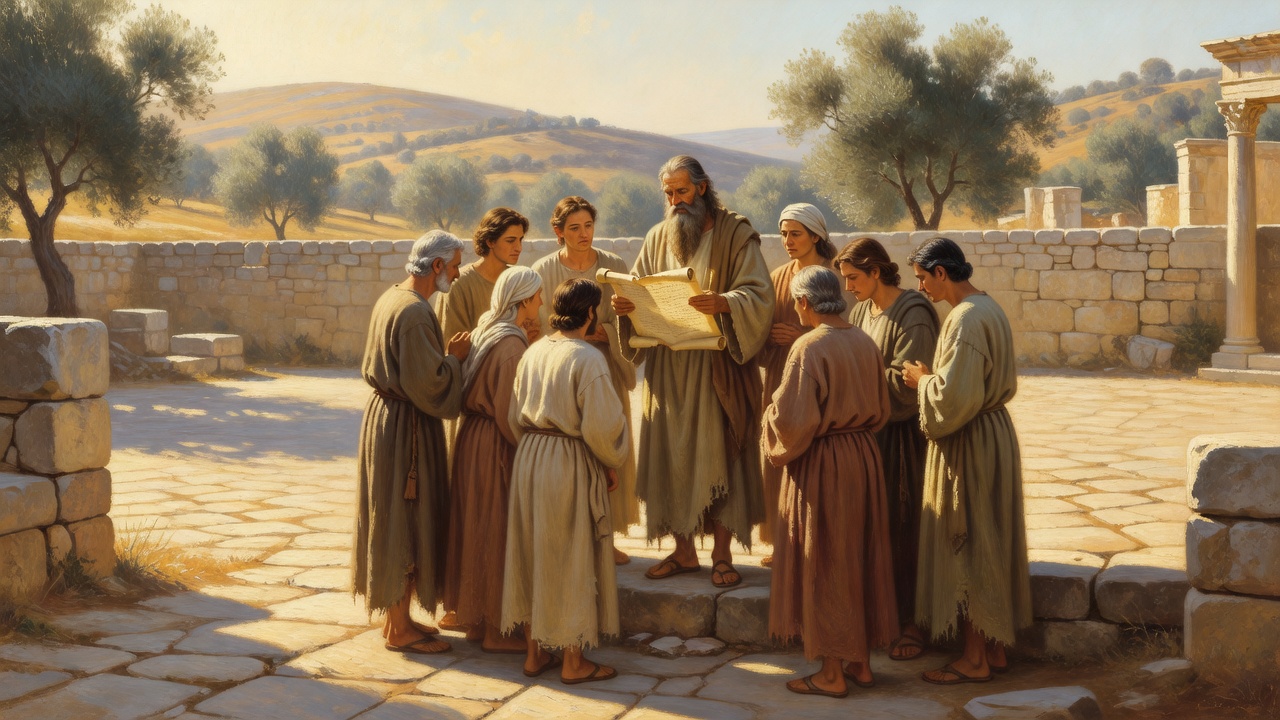
Did you know?
Messages to the Four Churches
- Ephesus was the capital of proconsular Asia and bore the Roman title of the first and greatest metropolis of the province. It was famous across the ancient world for its open-air theatre seating 50,000 spectators and for housing the chief shrine and temple of Diana.Sources: Ephesus · the Bible text itself
- Pergamum, the chief city of Mysia situated near the Caicus River, is described in the letter as the place where Satan's throne sits. The text commends the believers there for maintaining their faith even when Antipas, called a faithful witness, was killed in the city.Sources: Pergamum · Antipas · the Bible text itself
- Located between Lydia and Mysia, the city of Thyatira was celebrated for its textile dyeing industry, as confirmed by ancient inscriptions mentioning its guild of dyers. In the New Testament, Lydia, a seller of purple-dyed cloth, hailed from this city.Sources: Thyatira · the Bible text itself
Notes written with AI assistance from open sources (Theographic Bible Metadata, CC BY-SA 4.0; Easton’s Bible Dictionary, public domain) and reviewed before publishing.
Places in this chapter
- Ephesus · 37.939, 27.341 · verse 1
- Smyrna · Today: Izmir · 38.419, 27.138 · verse 8
- Pergamum · Today: Pergamon · 39.132, 27.184 · verse 12
- Thyatira · Today: Akhisar · 38.920, 27.837 · verses 18, 24
Only places identified with high confidence are shown (90% or more according to the scholarly sources compiled by OpenBible). Period map: DARE (Digital Atlas of the Roman Empire), CC BY 4.0; modern map: © OpenStreetMap contributors; places: OpenBible.info (CC BY 4.0).
Credits and license for this translation
Dónbeenì páaníi fĩnle vũahṹ
New Testament in Buamu (UV:box:Buamu)
copyright © 2012 Wycliffe Bible Translators, Inc.
Language: Buamu
Translation by: Wycliffe Bible Translators, Inc.
Copyright Information
© 2012, Wycliffe Bible Translators, Inc. All rights reserved.
This translation text is made available to you under the
terms of the Creative Commons License: Attribution-Noncommercial-No Derivative Works.
( http://creativecommons.org/licenses/by-nc-nd/3.0/ )
In addition, you have permission to port the text to different file formats, as long as you
do not change any of the text or punctuation of the Bible.
You may share, copy, distribute, transmit, and extract portions
or quotations from this work, provided that you include the above copyright
information:
You must give Attribution to the work.
You do not sell this work for a profit.
You do not make any derivative works that change any of the actual words or punctuation of the Scriptures.
Permissions beyond the scope of this license may be
available if you contact
us with your request.
The New Testament
in Buamu
© 2012, Wycliffe Bible Translators, Inc. All rights reserved.
This translation is made available to you under the terms of the
Creative Commons Attribution-Noncommercial-No Derivatives license 4.0.
You may share and redistribute this Bible translation or extracts from it in any format, provided that:
You include the above copyright and source information.
You do not sell this work for a profit.
You do not change any of the words or punctuation of the Scriptures.
Pictures included with Scriptures and other documents on this site are licensed just for use with those Scriptures and documents.
For other uses, please contact the respective copyright owners.
2014-04-23
Source: http://ebible.org/boxNT/ · eBible.org