John 12
Dónbeenì páaníi fĩnle vũahṹ · Tap a verse to see its cross-references.
O Mari kúaa ho ɲiló na sãmu sĩ o Yeesu zení wán
1Bìo á ho *Paaki sã́nú díró ká hã wizooní bìo hèzĩ̀n, ó o Yeesu ɓuara ho Betanii lóhó, hen na ó o Lazaare wee lé yi, yìa ó o vèenía. 2Ɓa wee dí ho sã́nú o Yeesu bìo yi bĩ́n, ó o Maate wee na ho dĩ́nló ɓa nùpua yi. Bìa là a Yeesu páanía kará ho dĩ́nló ɲúhṹ yi ó o Lazaare wi tĩ́ahṹ.
3Ó o Mari ɓuan ho ɲiló na sãmu sĩ á yàwá here liitere sanka màní, hìa wó lè mu bìo ɓúi na ɓa le náàrè mí ɲii yi, á ɓueé kúaa o Yeesu zení wán, á bĩnía sùukaa lè mí ɲún-vãní. Á ho ɲiló sãmu hĩ́nɔn sú le zĩi mu ɓúenɓúen. 4Ó o Yeesu nì-kenínia nì-kéní na ɓa le Zudaa Isikariote, yìa á à dé wo ò na, á wã́a bía: 5«Lée webio nɔn ɓa yí yɛ̀ɛ́raráa ho ɲiló mu lè wɛ́n-hãani khĩá-tĩn, á yí nɔn ɓa nì-khenia yi?» 6O Zudaa bía bṹn yínɔń bìo ɓa nì-khenia bìo here wo yi, ká lé bìo ó o lé o kɔ̃̀nlo. Ɓa ɓunɓua-wárí na wi o cɔ̃́n ó o wee lén dí. 7Ká a Yeesu màhã́ bía: «O hã́a mu á ũ día. Ho ɲiló mu ó o lá bàrá pan lè ĩ sãnía wíokaró hã nùuló bìo yi. 8Ɓa nì-khenia á à kɛń làa mia fɛ́ɛɛ, ká ĩnɛ́n wón máa kɛń làa mia fɛ́ɛɛ.»
9Ɓa minka *zúifùwa ɲá le o Yeesu wi ho Betanii yi, á ɓa wà van bĩ́n. Mu yínɔń o Yeesu bìo yi mí dòn ɓa vannáa, ɓa mún wi ɓa vaa mi a Lazaare na ó o Yeesu vèenía. 10Á le *Dónbeenì yankarowà ɲúnása mún wã̀anía tò le mí ì na a Lazaare ɓa à ɓúe 11lé bìo á mu lé o Lazaare mu vèeró bìo yi á ɓa zúifùwa cɛ̀rɛ̀ɛ wee yèrèmá dé mí sĩa o Yeesu yi.
O Yeesu zoró ho Zeruzalɛɛmu lóhó yi bìo
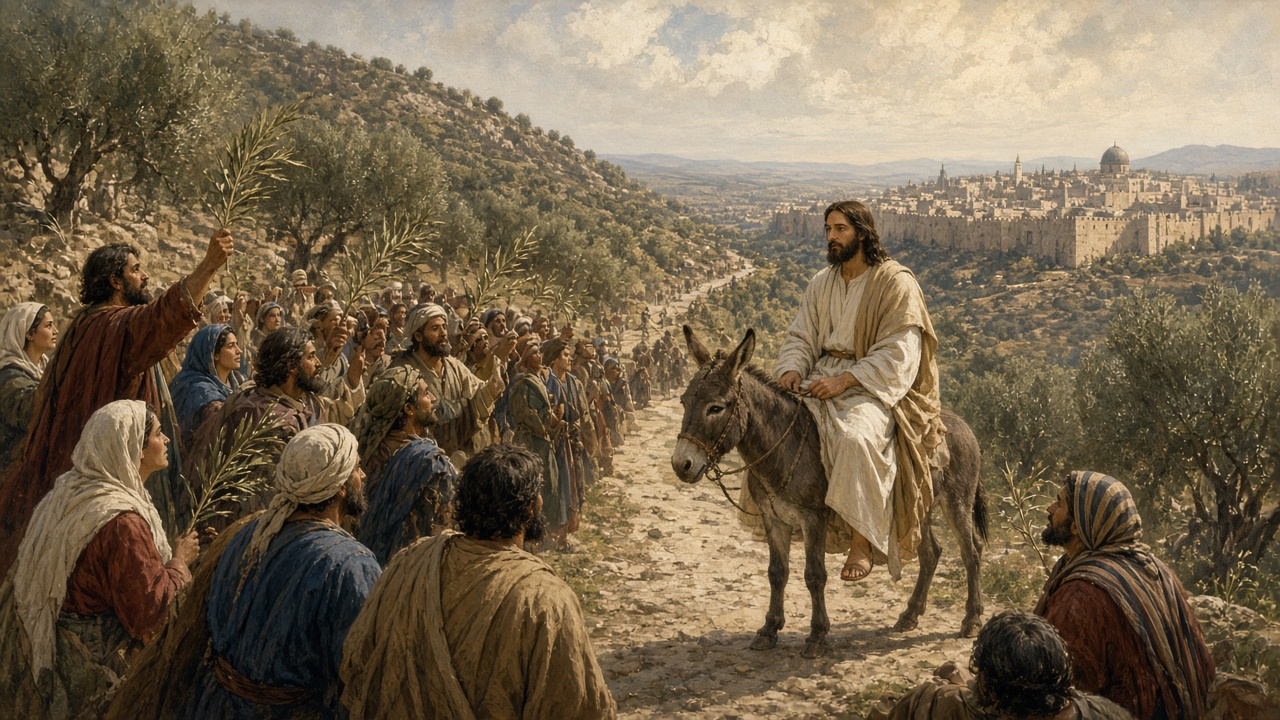
12Mu tá na lée tɔ̃n, á ɓa minka zã̀amáa na ɓuara ho sã́nú díró bìo yi, á ɲá le o Yeesu wà ɓueé zo ho Zeruzalɛɛmu, 13á ɓa khó hã yùkúio vɔ̃nna na ɓa lée déráa ho cùkú wo yi ɓuan, à ɓa wà lée sã́ a yahó. Ɓa wee bío bìo kà pɔ̃́npɔ̃́n: «Le ho cùkú à bìo sĩ̀ le Dónbeenì yi. Le o Ɲúhṹso Dónbeenì wé mu bè-tentewà làa yìa bò o ɓuen o yèni yi, o *Isirayɛɛle bɛ́ɛ.» 14O Yeesu yòora a sũ̀npɛ̀-bòohṹ ɓúi, làa bìo le Dónbeenì bíonì vũahṹ bíaráa mu kà síi:
15«*Sion lóhó nìpomu, yí zɔ̃́n dɛ̀ɛ.
Loń, lé ũ bɛ́ɛ bò o ɓuen,
o yòora a sũ̀npɛ̀-bòohṹ.»
16Pã̀ahṹ na mu wee wé yi, ó o Yeesu nì-kenínia yí zũna mu kúará. Ká pã̀ahṹ na le Dónbeenì léra a Yeesu yèni yi, á ɓa hácírí màhã́ ɓuara bìo le Dónbeenì bíonì vũahṹ bía a dã́ní yi wán. Á bìo ho vũahṹ mu bía, lé bṹn ó o bìo wóráa.
17Bìa nɔ̀nzoǹ páanía wi là a Yeesu pã̀ahṹ na ó o von o Lazaare á wón vèera ló le búure yi, bán ɓúenɓúen wee mì bìo ɓa mɔn tũ̀iá. 18Bìo mún nɔn ɓa minka zã̀amáa lée sã́náa o yahó, lé bìo mu yéréké bìo na wee zéení le o ló le Dónbeenì cɔ̃́n tũ̀iá na mà á ɓa ɲá. 19Á ɓa *Farizĩɛwa wã́a wee bío mín yi: «Mi yí mɔn mu le, mi yí dà dɛ̀ɛ ɓúi máa wé. Ɓa nùpua ɓúenɓúen wee yèrèmá bè o yi.»
O Yeesu wee bío mí húmú bìo
20Bìa wà ɓueé ɓùaaní le Dónbeenì ho Zeruzalɛɛmu yi ho sã́nú díró pã̀ahṹ á bìa yínɔń *zúifùwa ɓúi wi tĩ́ahṹ. 21Ɓa vá ɓueé ɓó a Filiipu na wee lé ho Kalilee kɔ̃hṹ lóhó na ɓa le Bɛtesayidaa yi, á bía nɔn wo yi: «Wa wi à wa mi a Yeesu wán.» 22Ó o Filiipu wã́a bía mu là a Ãndere, á ɓa mí nùwã ɲun wà vaá bía mu là a Yeesu. 23Ó o Yeesu bía nɔn ɓa yi: «Hìa kà lé ho pã̀ahṹ na le Dónbeenì á à lén o *Nùpue Za yèni yi. 24Le ĩ mì ho tũ̀iá na mia: Ká ho dĩ́nló bɛɛre á yí dù, á mukãnì yí hà á bìo ká yí soora, á le è dĩ̀n kà. Ká le mukãnì hà, á bìo ká soora, á le è ha hã bia na boo. 25Yìa henía mí mukãnì bìo, wón á à vĩ́iní le. Ká yìa yí máa càtí mí mukãnì bìo hùúu ho dĩ́míɲá na kà yi, wón á à yí le mukãnì binbirì na máa vé. 26Yìa wi ò o sá na miì, à wón bè miì. Á hen na á ĩ wi yi, á ĩ ton-sá mún ǹ kɛń yi. Yìa wee sá na miì, wón á ĩ Maá á à dé ho cùkú yi. 27Bìo kà wán, á ĩ hácírí yáara. Lé mu yɛ́n á ĩ ì bío? Ĩ bío le ĩ Maá kã̀ní mi le lònbee na à yí mi hã laà na kà wán lée? Ɛ̀ɛ ká lé bṹn bìo yi á ĩ ɲɔǹ ɓuararáa. 28Ĩ Maá, zéení ũ cùkú le ɓa nùpua mi.» Á tãmu ɓúi sã ɲá ho wáayi á bía: «Ĩ zéenía ĩ cùkú, á ĩ pá à wíoka à zéení ho.» 29Ká ɓa zã̀amáa na dĩ̀n bĩ́n ɲá mu, á ɓa le lée viohó và. Ɓa ɓúi ɓɛ̀n le lée tonkaro na ló ho wáayi bía làa wo.
30Ó o Yeesu bĩnía bía: «Mu yínɔń ĩnɛ́n bìo yi á mu tãmu sã ɲánáa. Mu lé minɛ́n bìo yi. 31Bìo kà wán lé ho dĩ́míɲá na kà nùpua cítíró pã̀ahṹ. Lé bìo kà wán á le Dónbeenì lùwáráa ho dĩ́míɲá na kà ɲúhṹso. 32Ká ĩnɛ́n ɓa khíi can le ɓùɛɛnì wán hóonía yòó fárá, á ĩ wé á ɓa nùpua ɓúenɓúen á à ɓuen ĩ cɔ̃́n.» 33O bía kà síi á zéeníanáa bìo ó o ò híráa sìí. 34Á ɓa zã̀amáa bía nɔn wo yi: «Wa zũ le le Dónbeenì làndá vũahṹ yi á mu bía le *Yìa le Dónbeenì mɔn léra ko ò o kɛń bĩ́n fɛ́ɛɛ, á ũ wó kaka wee bíoráa le o *Nùpue Za ɓa ko ɓa ca le ɓùɛɛnì wán hóoní yòo fárá? À wón Nùpue Za so ɓɛ̀n lé o yɛ́n?» 35Ó o Yeesu bía míten bìo nɔn ɓa yi: «Mi yú mu khoomu, ká ho pã̀ahṹ na mu ù wé á yí túee. Á bìo mi yú mu khoomu, á mi wã́a wé varáka mu yi, à le tíbírí hĩ́a yí yòoka mi wán. Mu bon, yìa wee varáka le tíbírí yi á yí máa mi bìo wi o yahó. 36Mi tà dé mi sĩa yìa lé mu khoomu yi, pã̀ahṹ na mi yú mu yi, à mi wé mu khoomu nùpua.»
Bìo ó o Yeesu bía hɔ̃́n bíoní so vó, ó o khɛ̀ra vaá sà míten ɓa yi.
Ɓa zúifùwa cɛ̀rɛ̀ɛ pá pã́ a Yeesu bìo
37Bìo ó o wó mu yéréké bìowa cɛ̀rɛ̀ɛ na wee zéení le o ló le Dónbeenì cɔ̃́n ɓa mɔn mí cúee, ká ɓa pá yí dó mí sĩa wo yi. 38Mu wó ò o *Ezayii ɲi-cúa na ó o fɛɛra, à ɲii sí. O bía:
«Ɲúhṹso, lé o yɛ́n yàá dó mí sĩi le bín-tente na wa wee bue yi?
Á lé o yɛ́n ó o Ɲúhṹso zéenía lè mí pànká?»
39Bìo nɔn ɓa yí dà máa tàráa mu yi, lé bìo ó o Ezayii mu pá bĩnía bía:
40«Le Dónbeenì wó á ɓa ka lòn muiiwà,
bèra a na à ɓa wé yí mi.
Le wó á ɓa yiwa tunka
bèra a na à ɓa wé yí dàń zũń bìo á le wee wé.
Le wó kà síi bèra a na
à ɓa yí dàń yèrèmá ɓuen le cɔ̃́n à le wɛɛ́ ɓa.»
41O Ezayii bía hɔ̃́n bíoní so lé bìo ó o mɔn ho cùkú na le Dónbeenì á à dé o Yeesu yi, ó o bía a bìo yi. 42Ɛ̀ɛ ká ɓa *zúifùwa ya-díwá mí bɛɛre tĩ́ahṹ, á ɓa cɛ̀rɛ̀ɛ ɲɔǹ pá dó mí sĩa o Yeesu yi. Ká ɓa màhã́ yí máa tà bío mu wéréwéré, lé ɓa *Farizĩɛwa bìo yi, à bán yí hè ɓa lè ɓa zúifùwa kàránló zĩi zoró. 43Ɓa wa le yèni càró ɓa nùpua cɔ̃́n á po le yèni càró le Dónbeenì cɔ̃́n.
Yìa yí máa tà a Yeesu bíonì bìo, wón ɲúhṹ á à sí
44O Yeesu bía bìo kà pɔ̃́npɔ̃́n: «Yìa dó mí sĩi miì, se yínɔń ĩnɛ́n ĩ dòn á ɓànso dó mí sĩi yi. Ɓànso dó mí sĩi yìa tonkaa mi yi. 45Yìa mɔn mi, se lé yìa tonkaa mi á ɓànso mún mɔn. 46Ĩnɛ́n ka lòn khoomu á ɓuara ho dĩ́míɲá yi, bèra a na ká nùpue lée nùpue na dó mí sĩi miì, à ɓànso yí kɛń le tíbírí yi. 47Ká a ɓúi ɲá ĩ bíoní ò o yí bò hã yi, á mu máa wé ĩnɛ́n lé yìa á à síiní ɓànso ɲúhṹ. Mu bon, ĩnɛ́n yí wà ɓueé síiní ho dĩ́míɲá nùpua ɲúná, ká ĩ wà ɓueé fení ɓa. 48Yìa pã́ ĩ bìo, á yí máa tà ĩ bíoní yi, wón ɲúhṹ á à sí. Hã bíoní na á ĩ bía lé hɔ̃́n á à síiní ɓànso ɲúhṹ ho dĩ́míɲá vé nɔ̀nzoǹ. 49Lé bìo á ĩ yí bía lè ĩ pànká. Ká a Maá na tonkaa mi, wón míten lé yìa nɔn le ɲii miì, á zéenía bìo á ĩ ì bío binbirì lè ɓa nùpua. 50Á ĩ mún zũ le bìo ó o wee na le ɲii à ĩ hení na ɓa nùpua yi, bṹn wee na le mukãnì binbirì na máa vé. Hã bíoní na á ĩ wee bío lé hĩ̀a ó o Maá nɔn le ɲii le ĩ bío.»
Did you know?
The Anointing at Bethany and the Entry into Jerusalem
- Bethany, where Jesus arrived six days before the Passover, lay about two miles east of Jerusalem on the southeastern slope of the Mount of Olives, along the road to Jericho, and took its name from the palm trees that grew there. It was the home of Lazarus, whom Jesus had raised from the dead after four days in the tomb, and of his sisters Martha and Mary; the chief priests planned to kill Lazarus as well, because on his account many people were believing in Jesus.Sources: the Bible text itself · Bethany · Lazarus
- At a dinner where Martha served and Lazarus reclined at the table, Mary anointed Jesus' feet with about a pint of expensive perfume made of pure nard and wiped them with her hair, so the house was filled with the fragrance. Judas Iscariot, son of Simon, whose surname means a man of Kerioth, asked why it was not sold for three hundred denarii for the poor; he was a thief who, as keeper of the money bag, used to take from what was put into it, and he was going to betray Jesus.Sources: the Bible text itself · Judas Iscariot · Simon
- The next day the great crowd that had come for the feast took palm branches and went out to meet Jesus as he came to Jerusalem, seated on a young donkey, shouting praise to the King of Israel, as it is written of the Daughter of Zion. Zion was the southeastern hill of Jerusalem, where David built a citadel and a palace after taking it, so that it became the city of David. At first his disciples did not understand these things, but after Jesus was glorified they remembered that they had also been written about him.Sources: the Bible text itself · Zion
Notes written with AI assistance from open sources (Theographic Bible Metadata, CC BY-SA 4.0; Easton’s Bible Dictionary, public domain) and reviewed before publishing.
Places in this chapter
- Jerusalem · 31.777, 35.234 · verses 11, 12, 20
- Zion · Today: Jerusalem · 31.777, 35.234 · verse 15
- Galilee · 32.760, 35.527 · verse 21
Only places identified with high confidence are shown (90% or more according to the scholarly sources compiled by OpenBible). Period map: DARE (Digital Atlas of the Roman Empire), CC BY 4.0; modern map: © OpenStreetMap contributors; places: OpenBible.info (CC BY 4.0).
Credits and license for this translation
Dónbeenì páaníi fĩnle vũahṹ
New Testament in Buamu (UV:box:Buamu)
copyright © 2012 Wycliffe Bible Translators, Inc.
Language: Buamu
Translation by: Wycliffe Bible Translators, Inc.
Copyright Information
© 2012, Wycliffe Bible Translators, Inc. All rights reserved.
This translation text is made available to you under the
terms of the Creative Commons License: Attribution-Noncommercial-No Derivative Works.
( http://creativecommons.org/licenses/by-nc-nd/3.0/ )
In addition, you have permission to port the text to different file formats, as long as you
do not change any of the text or punctuation of the Bible.
You may share, copy, distribute, transmit, and extract portions
or quotations from this work, provided that you include the above copyright
information:
You must give Attribution to the work.
You do not sell this work for a profit.
You do not make any derivative works that change any of the actual words or punctuation of the Scriptures.
Permissions beyond the scope of this license may be
available if you contact
us with your request.
The New Testament
in Buamu
© 2012, Wycliffe Bible Translators, Inc. All rights reserved.
This translation is made available to you under the terms of the
Creative Commons Attribution-Noncommercial-No Derivatives license 4.0.
You may share and redistribute this Bible translation or extracts from it in any format, provided that:
You include the above copyright and source information.
You do not sell this work for a profit.
You do not change any of the words or punctuation of the Scriptures.
Pictures included with Scriptures and other documents on this site are licensed just for use with those Scriptures and documents.
For other uses, please contact the respective copyright owners.
2014-04-23
Source: http://ebible.org/boxNT/ · eBible.org