James 2
Dónbeenì páaníi fĩnle vũahṹ · Tap a verse to see its cross-references.
Mi wé yí hueeka ɓa nùpua mín yi
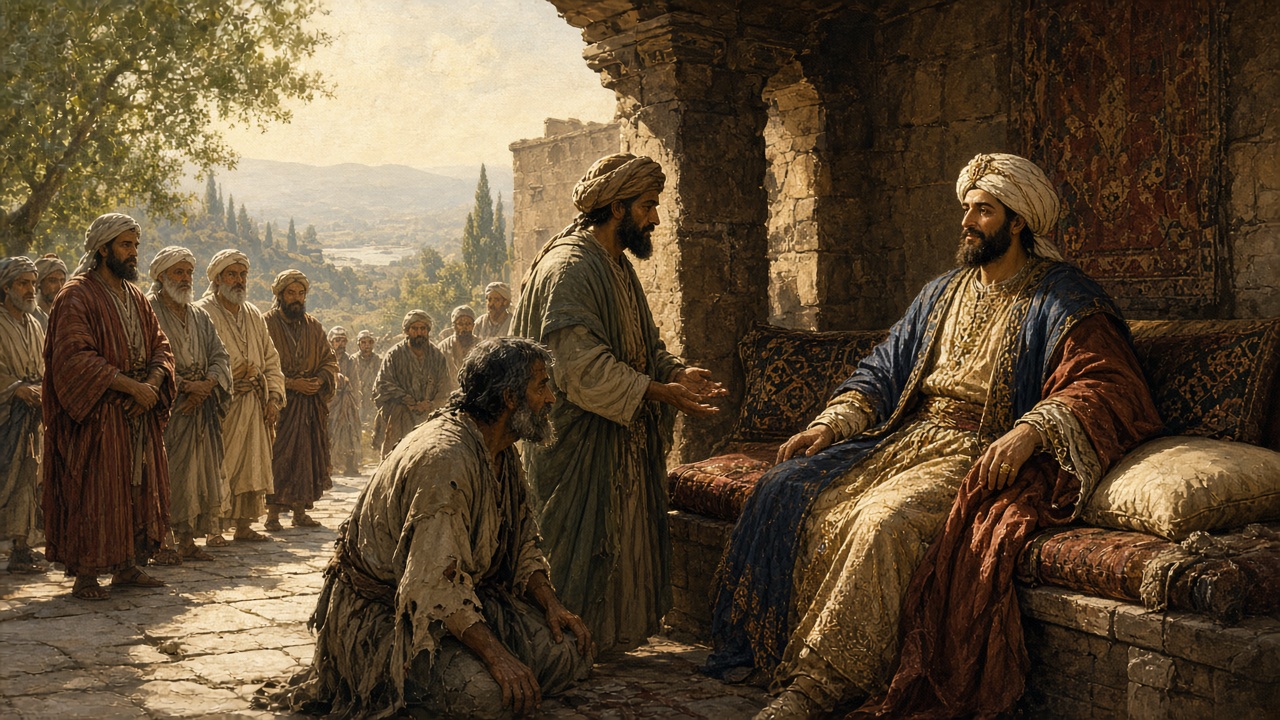
1Wàn zàwa lè wàn hĩ́nni, bìo mi dó mi sĩa wa Ɲúhṹso Yeesu *Krista na lé o cùkúso yi, á mi wã́a wé yí hueeka ɓa nùpua mín yi. 2Hen ká a ɓúi lá ɓuara mi kúeemínwánló lùe yi síi, á zã́ mí nín-kíza fĩ́bɛɛre na wó lè ho sã́nú lè mí sĩ̀-sení. Mu pã̀ahṹ à nì-khenii ɓúi mún vaá ló ɓuara ho kúeemínwánló dà-kéní kéní mu yi lè mí sĩ̀-lɛ̀nna. 3Á mi kɔ̃̀nbio hã sĩ̀-sení ɓànso á bía nɔn wo yi: «Ũnɛ́n, ɓuee kɛɛní le kanmúiní wán.» À mi ɓɛ̀n bía nɔn o sĩ̀-lɛ̀nna ɓànso yi: «Ũnɛ́n dĩ̀n ho wáayi», bṹn mía à «ũ ɓuee kɛɛní ho tá yi ĩ nìsã́ní.» 4Ká mi wee wé bṹn, se mi so yí máa hueeka mín le? Ká mi wee wé kà, se lé hã yile-kora lé hĩ̀a mi ɓuan á wee cítíráa mín.
5Wàn zàwa lè wàn hĩ́nni na á ĩ wa làa sòobɛ́ɛ, mi ɲí bìo kà: Mu so yínɔń le Dónbeenì hueekaa bìa lé ɓa nì-khenia ho dĩ́míɲása cɔ̃́n, à ɓa dé mí sĩa le yi le? Dén sĩidéró so lé dìo lé ɓa nàfòró binbirì. Ɓa níní ì kɛń le Dónbeenì bɛ́ɛnì na le dó mí ɲii le mí na bìa wa le yi. 6Ɛ̀ɛ ká minɛ́n bán màhã́ wee zùań ɓa nì-khenia yi. Á bìa wee beé mi lò, á wee ɓua mia varáa le cítíi fĩ̀iníi lara yi so yínɔń ho nàfòró ɓànsowà le? 7Ho nàfòró ɓànsowà mu mí bɛɛre lé bán mún wee yáa o Yeesu na mi bìo sã̀ yi yèni. 8Le Dónbeenì bá-zàmu làndá na túara le Dónbeenì bíonì vũahṹ yi lé hìa kà: «Wań mi ninza làa bìo ũnɛ́n ũ bɛɛre waráa ũten bìo síi.» Ká mi wee bè ho làndá mu yi binbirì, se mu se. 9Ɛ̀ɛ ká mi wee hueeka ɓa nùpua mín yi, se mi wee wé mu bè-kora. Mi ɲúná á à sí, lé bìo mi yí bò ho làndá mu yi. 10Mu bon, ká a ɓúi vṹnun bìo le Dónbeenì bò henía dà-kéní ɓúi wán, hàrí ká a bò bìo ká ɓúenɓúen yi, se lé mu ɓúenɓúen ó o pá vṹnun wán. 11Mu bon. Le Dónbeenì na bía le ũ yí fé báa tàá hã́a, lé dén mún bía le ũ yí ɓúe nùpue. Àwa! Á ka lè fo yí fó hã́a tàá fo yí fó báa, à fo màhã́ ɓó a nùpue, se fo pá vṹnun le Dónbeenì làndá wán. 12Mi zũń le le Dónbeenì á à cítí mia lè ho làndá tente na wee wé ò o nùpue wé míten. Lé bṹn nɔn á mi ko mi bè ho làndá mu yi mi bíoní lè mi wárá yi. 13Mu bon, pã̀ahṹ na le Dónbeenì khíi cítí ɓa nùpua yi, á bìa yí zũna mí ninzàwa màkárí á yí wó le hii làa ba, á le Dónbeenì mún khíi máa zũń ɓa màkárí á máa wé le hii làa ba. Ká yìa wee zũń mí ninzàwa màkárí à wé le hii làa ba, wón ponì á à sɛ́n le cítíi fĩ̀ nɔ̀nzoǹ.
Le sĩidéró le Dónbeenì yi ko mu wé mi hã wárá yi
14Wàn zàwa lè wàn hĩ́nni, ká a ɓúi bía le mí tà a *Krista bìo ò o wárá á mu màhã́ yí máa mi yi, se mu ɲúhṹ so wi le? Bṹn so dà a kã̀ní a le? 15Ka lè mìn za tàá mìn hĩ́nló na lé o kèrètĩ́ɛ á sĩ̀-zĩ́nia tà mía, á bè-dínii wee fòo wo yi síi, 16ó o ɓúi ló mi tĩ́ahṹ bía nɔn wo yi: «Lɛ́n làa hɛ́ɛrà, vaa lá ũ tɛ̀ɛnì dɛ̀ɛ zĩ́, à vaa yí ho dĩ́nló dí sì.» À ɓànso màhã́ yí hɔ̃n wo làa bìo ó o màkóo wi yi, se mu ɲúhṹ so wi le? 17Lé bṹn á yìa le mí tà a Krista bìo à mu yí máa mi a wárá yi, se mu ɲúhṹ mía.
18Mu dà a wé le o ɓúi bía bìo kà: «Ɓa ɓúi tà a Krista bìo mí dòn, à ɓa ɓúi ɓɛ̀n wee wé hã wárá na se mí dòn.» Àwa! Á ũ wã́a zéení ũ Krista bìo tàró binbirì na hã wárá mía yi làa mi, á ĩnɛ́n ɓɛ̀n ǹ zéení làa foǹ lè ĩ wárá na se le ĩ tà a Krista bìo binbirì. 19Fo tà le le Dónbeenì lée dà-kéní mí dòn le? Á bṹn se lon. Á ɓa cĩ́náwa mún tà mu yi á wee zà le yahó lè le zã́níi. 20Fo lée bɔ̃́nbú le? Fo wi à ĩ zéení làa fo le o Krista bìo tàró na yí máa mi hã wárá yi ɲúhṹ mía le?
21Mi loń wàn ɓùaa *Abarahaamu. Lée webio nɔn á le Dónbeenì le o lé o nùpue na térénna? Mu so yínɔń bìo ó o wó bìo yi le? O tà hɔ̃n mí za *Izaaki lè le Dónbeenì le muinì yɛɛníi dɛ̀ɛ wán. 22Fo yí mɔn le? O sĩidéró le Dónbeenì yi á lɛɛ́ra là a wárá. Lé bṹn ó o sĩidéró mu ɲii súráa hã wárá na ó o wó bìo yi. 23Bṹn lé bìo nɔn á bìo túara le Dónbeenì bíonì vũahṹ yi o dã́ní yi á ɲii súráa: «O *Abarahaamu dó mí sĩi le Dónbeenì yi, lé bṹn nɔn le càtío wo là a nùpue na térénna le yahó,» á le dú mu bɔ̃́nmu làa wo. 24Mi yí mɔn le? O nùpue wárá lé hĩ̀a wee wé ò o wé o nùpue na térénna, ká mu yínɔń o Krista bìo tàró mí dòn. 25Lé bṹn ó o hã́a ɓúi na hĩ́a wee yɛ̀ɛ́ míten bìo hĩ́a wóráa. O yèni ɓa le Arahaabu. O hĩ́a térénna le Dónbeenì yahó bìo ó o wó bìo yi. O hĩ́a tà ó o *Isirayɛɛle nìpomu tonkarowà làara a wán, á séenía ɓa á ɓa ló ho lóhó yi à nùpue yí mɔn ɓa.
26Mu bon, nùpue mànákã̀ hĩ́a ló a yi ò o hí. Lé bṹn ó o Krista bìo tàró na yí máa mi hã wárá yi á mún ka lòn bìo na húrun.
Did you know?
Impartiality and Living Faith
- James recalls that Abraham was justified by offering his son Isaac on the altar, his faith working with his actions and perfected by what he did. Isaac, the only son of Abraham by Sarah, was the one God commanded Abraham to offer as a sacrifice on a mountain in the land of Moriah.Sources: the Bible text itself · Isaac
- James also cites Rahab the prostitute, justified by welcoming the spies and sending them off on another route. The two spies, sent by Joshua while the Hebrews were encamped at Shittim opposite Jericho, had gone to her house, faced danger in the city, and were saved by her fidelity.Sources: the Bible text itself · Rahab
Notes written with AI assistance from open sources (Theographic Bible Metadata, CC BY-SA 4.0; Easton’s Bible Dictionary, public domain) and reviewed before publishing.
Credits and license for this translation
Dónbeenì páaníi fĩnle vũahṹ
New Testament in Buamu (UV:box:Buamu)
copyright © 2012 Wycliffe Bible Translators, Inc.
Language: Buamu
Translation by: Wycliffe Bible Translators, Inc.
Copyright Information
© 2012, Wycliffe Bible Translators, Inc. All rights reserved.
This translation text is made available to you under the
terms of the Creative Commons License: Attribution-Noncommercial-No Derivative Works.
( http://creativecommons.org/licenses/by-nc-nd/3.0/ )
In addition, you have permission to port the text to different file formats, as long as you
do not change any of the text or punctuation of the Bible.
You may share, copy, distribute, transmit, and extract portions
or quotations from this work, provided that you include the above copyright
information:
You must give Attribution to the work.
You do not sell this work for a profit.
You do not make any derivative works that change any of the actual words or punctuation of the Scriptures.
Permissions beyond the scope of this license may be
available if you contact
us with your request.
The New Testament
in Buamu
© 2012, Wycliffe Bible Translators, Inc. All rights reserved.
This translation is made available to you under the terms of the
Creative Commons Attribution-Noncommercial-No Derivatives license 4.0.
You may share and redistribute this Bible translation or extracts from it in any format, provided that:
You include the above copyright and source information.
You do not sell this work for a profit.
You do not change any of the words or punctuation of the Scriptures.
Pictures included with Scriptures and other documents on this site are licensed just for use with those Scriptures and documents.
For other uses, please contact the respective copyright owners.
2014-04-23
Source: http://ebible.org/boxNT/ · eBible.org