Acts 17
Dónbeenì páaníi fĩnle vũahṹ · Tap a verse to see its cross-references.
O Poole là a Silaasi wà van ho Tesaloniiki lóhó
1O Poole là a Silaasi ló lè ho Ãnfipoliisi lè ho Apolonii lórá yi á vaá dɔ̃nnáa ho Tesaloniiki. Ho lóhó mu á ɓa *zúifùwa kàránló zĩi wi yi. 2Ó o Poole wà van bĩ́n làa bìo ó o lá wee wé wéráa mu. Orɛ́n lè ɓa nùpua na bĩ́n wã̀anía le Dónbeenì bíonì vũahṹ bíoní wán hã *Sabaawa bìo tĩn na sã̀ mín yi. 3O wee zéení hã bíoní mu yara làa ba, le mu túara ho vũahṹ mu yi le yìa le Dónbeenì mɔn léra ko ò o lò be, à hí, à vèe. O wee bío na ɓa yi: «O Yeesu mu na á ĩ wee bío bìo làa mia, wón lé *Yìa le Dónbeenì mɔn léra.» 4Ɓa nùwã yɛn ɓúi tà mu yi, á lɛɛ́ra là a Poole là a Silaasi. Ho *Kɛrɛɛsisa cɛ̀rɛ̀ɛ na wee kɔ̃̀nbi le Dónbeenì á mún tà ɓa bìo á wee bè làa ba, lè ɓa hã́awa cɛ̀rɛ̀ɛ ɓúi na níní se mún. 5Ká ɓa zúifùwa á le yandee màhã́ sú mu bìo yi. Á ɓa hĩ́nɔn cɔ̃nkaa ɓa nì-kora nùwã yɛn ɓúi hã ɓonfúaa yi á kúaa mín wán, á súkúra ɓa zã̀amáa séenía, á kánkáa lè ho lóhó dĩ̀nía. Ɓa fiira van o Zasɔ̃n zĩi á wà vaá zoó cà a Poole là a Silaasi á à léráa ho lóhó nùpua na kúaa mín wán yahó. 6Á bìo ɓa zoó khon ɓa yi, á ɓa fó a Zasɔ̃n làa bìa tà a *Krista bìo nùwã yɛn ɓúi á lóráa ho lóhó tũ̀iá fɛɛrowà cɔ̃́n, à ɓa wee bío pɔ̃́npɔ̃́n: «Ɓa nùpua na kà hɛ́ɛra kánkáa ɓa nùpua hã lùa ɓúenɓúen yi lè mí kàránló. Ɓa mún wã́a ɓueé dɔ̃n hen, 7ó o Zasɔ̃n tà á ɓa làara a wán. Ɓa ɓúenɓúen yí máa tà bè ɓa bá-zàwa bɛ́ɛ Sezaare làndá yi. Ɓa le bɛ́ɛ ɓúi wi á yèni ɓa le Yeesu.» 8Hã bíoní mu á cĩ̀ína ɓa zã̀amáa lè ho lóhó tũ̀iá fɛɛrowà sĩa. 9O Zasɔ̃n làa bìa tà a Krista bìo á sàánía le wárí na ɓa ko ɓa sàání á ɓa día ɓa.
O Poole là a Silaasi wà van ho Beeree
10Ho tá hĩiníi, á ɓa kèrètĩ́ɛwa na bĩ́n dɛ̀ɛnía le o Poole là a Silaasi lé à lɛ́n va ho Beeree lóhó. Bìo ɓa vaá dɔ̃n bĩ́n á ɓa wà van ɓa zúifùwa kàránló zĩi yi. 11Ɓa zúifùwa na ɓa vaá yú bĩ́n á wee tà hɛ́n mí yiwa á po bìa ho Tesaloniiki lóhó yi. Ɓa tà ɲá le Dónbeenì bíonì sese. Làa wizooní ká ɓa wee kàrán le Dónbeenì bíonì sese, à loń le bìo ó o Poole wee bío so bon le. 12Bìa tà a Krista bìo ɓa tĩ́ahṹ á boo. Ho Kɛrɛɛsisa tĩ́ahṹ, á ɓa hã́awa na níní se cɛ̀rɛ̀ɛ lè ɓa báawa cɛ̀rɛ̀ɛ á mún tà a Ɲúhṹso bìo. 13Ká bìo ho Tesaloniiki zúifùwa ɲá ò o Poole wee bue le Dónbeenì bíonì ho Beeree yi, á ɓa wà ɓuara bĩ́n á tĩ́n ɓueé kánkáa hón lóhó so nùpua, á lùnkaa ɓa yilera. 14Á ɓa kèrètĩ́ɛwa dɛ̀ɛnía le o Poole hĩ́ní lɛ́n à dé mí yahó lè mu yámú ɲumu cɔ̃́n. Ò o Silaasi là a Timɔtee bán kará ho Beeree yi. 15Bìa bò là a Poole á lɛ̀ɛnía wo fúuu fúaa ho Atɛɛna lóhó. Bìo ɓa le mí ì bĩní á à va ho Beeree, ó o Poole háanía ɓa le ɓa vaa bío le o Silaasi là a Timɔtee bánbá ɲa mí mɔ́n ɓuen fùafùa. |src="Paul2-BW.tif" size="span" ref="Bè-wénia 17:15"
O Poole ɲi-cúa na ó o fɛɛra ho Atɛɛna yi
16Pã̀ahṹ na ó o Poole wi ho Atɛɛna yi á pan o Silaasi là a Timɔtee, ó o mɔn à ho lóhó mu sú lè hã dofĩ́-kansiwà, á mu wee vá a yi. 17O wee wã̀aní lè ɓa *zúifùwa làa bìa yínɔń ɓa *zúifùwa na wee ɓùaaní le Dónbeenì na ó o wee yí ɓa kàránló zĩi yi. Làa wizooní ká a wee wã̀aní lè ɓa nùpua na ó o wee yí ɓa fèmínló lahó yi. 18Ɓa Epikurĩɛwa lè ɓa Sitoyisĩɛwa nùwã yɛn mún wee ɓuee wã̀aní làa wo. Ɓa ɓúi wee tùaka mín yi kà síi: «O dàn bíoro mu, lée webio ó o yàá dĩ̀n wee bío kà.» Ɓa ɓúi bán ɓɛ̀n le: «Mu ka lòn dofĩ́-vio bìo ó o wee bue.» Ɓa wee bío bṹn lé bìo ó o Poole wee bío o Yeesu bìo, lè ho vèeró bìo.
19Á ɓa ɓuan wo vannáa ho lóhó tũ̀iá fɛɛrowà cɔ̃́n, à ɓa bía nɔn wo yi: «Mu bè-fĩnle na á ũ wee kàrán lè ɓa nùpua á fo dà a zéení yahó làa wɛn le? 20Bìo wa wee ɲí kà lée bè-fĩa wa cɔ̃́n, á wa wi à wa zũń mu kúará.» 21À bìo ho Atɛɛnasa ɓúenɓúen lè mí kàyáwá ɓɛ̀n wa lè mí sòobɛ́ɛ lé mu bè-fĩa na wee wé ɓàn ɲíló lè mu láakáwá tàró.
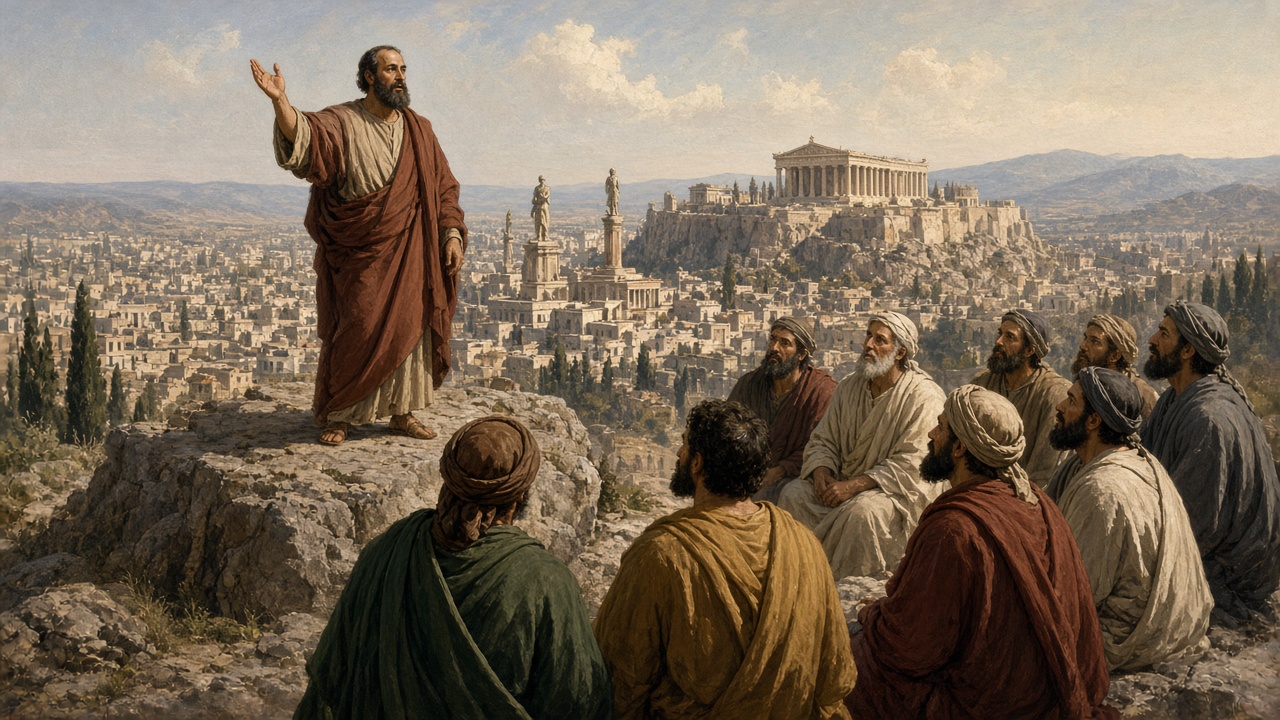
22Ó o Poole wã́a lií hĩ́nɔn yòó dĩ̀n ho lóhó tũ̀iá fɛɛrowà yahó ò o bía: «Atɛɛnasa, ĩ mɔn mu le hã dofĩ́ina ɓùaaníló bìo ɓɛ̀ntĩ́n wi mia làa sòobɛ́ɛ. 23Lé bìo á ĩ hɛ́ɛkaa mi lóhó yi á mɔn mu bìowa na mi sonka mi dofĩ́ina ɓùaaníló bìo yi. Ĩ yàá pá mɔn le muinì yɛɛníi lahó ɓúi à bìo kà lé bìo túara le wán: ‹Dofĩ́ní na á nùpue yí zũ.› Àwa! Á bìo mi wee ɓùaaní ká mi yí zũ mu, lé bṹn á ĩnɛ́n ɓuara wà ɓueé zéení làa mia. 24Le Dónbeenì na léra ho dĩ́míɲá lè mu bìowa na wi ho yi ɓúenɓúen, na lé ho wáayi lè ho tá Ɲúhṹso, á yí máa zoo kɛɛní hã zĩní na ɓa nùpua wee so míten na le yi. 25Le màkóo mía à nùpue wé bìo ɓúi na le yi. Lerɛ́n lé dìo wee na le mukãnì ɓa nùpua yi, lè mu bìo ɓúenɓúen. 26Le dĩ̀n o nùpue nì-kéní wán á léraráa hã sìíwà nùpua ɓúenɓúen hɛ́ɛra bàráka ho tá wán, á wã́ana ɓa kãna sṹaa, á fũ̀aana hã pɔ̃̀nna ɲiní dĩ̀nía. 27Le Dónbeenì wó kà síi bèra a na à ɓa nùpua cànka le. Hàrí ká ɓa wee hɛ́ɛ vĩ́ná càráa le, ɲún-sĩ ɓa à yí le. Tũ̀iá poni, le Dónbeenì yí khɛ̀ra lè wa nì-kéní kéní. 28‹Lé bìo wa mukãnì ló lerɛ́n lé dìo níi yi. Lé lerɛ́n nɔn wa wee dàń varákaráa.› Mi len-béwá ɓúi yàá mún bía mu wéréwéré kà síi: ‹Wa lé le zàwa.› 29Á bìo wa lé le zàwa, á wa yí ko à wa tèé le Dónbeenì làa sã́nú tàá wárí tàá huaa kansiwà hùúu, bṹn na ɓa nùpua kará lon mí yiwa á wó míten. 30Hã pɔ̃̀nna na ɓa nùpua fù yí zũ mu bìo yi, bṹn le Dónbeenì wã́a yí máa loń yi ho zuia. Bìo kà wán á ɓa nùpua ɓúenɓúen lé bìa le wee ve hã lùa ɓúenɓúen yi, le ɓa yèrèmá mí yilera lè mí wárá. 31Wizonle dà-kéní ɓúi lé dìo le Dónbeenì bàrá, ò o nùpue na le léra à cítí ho dĩ́míɲá ɓúenɓúen lè ho térénló. Le vèenía o nùpue mu, à zéení lè ɓa nùpua le orɛ́n lé yìa le léra ò o fĩ̀ le cítíi mu.» 32Bìo ɓa ɲá ò o Poole wee bío ho vèeró bìo, á ɓa ɓúi wee yáa mí ɲiní yi na a yi. Ɓa ɓúi ɓɛ̀n wee bío: «À ũ bíoní mu ɲíló á wa à pa làa pɔ̃̀n-veere.» 33Lé bṹn wán ó o Poole ɓɛ̀n wà ò o día ɓa. 34Ká ɓa nùwã yɛn ɓúi bán pá bò a Poole yi, á tà a *Krista bìo. O ɓúi lé ɓa tũ̀iá fɛɛrowà nì-kéní na ɓa le Denii, là a hã́a ɓúi na ɓa le Damariisi, à pá bĩní séení ɓa ɓúi.
Did you know?
From the synagogue to the Areopagus
- Thessalonica was a large, populous city on the Thermaic bay, the capital of one of the four Roman districts of Macedonia, ruled by a praetor. Jason hosted Paul and Silas there; a crowd raided his house, and when the two were not found, Jason and some other brothers were dragged before the city officials. They were accused of welcoming men who defied Caesar's decrees and spoke of another king, Jesus, and the officials released them only after taking bond.Sources: Thessalonica · Jason · the Bible text itself
- Athens, the capital of Attica, was celebrated as a seat of Greek literature and art, and its inhabitants were fond of novelty and remarkable for their zeal in worshiping the gods. A Roman satirist said it was easier to find a god at Athens than a man. The Areopagus, a rocky hill northwest of the Acropolis, was where the Athenian supreme tribunal and court of morals was held, and Paul delivered this chapter's address from some part of that hill.Sources: Athens · Areopagus · the Bible text itself
- Paul and Silas reached Thessalonica only after passing through Amphipolis, a Macedonian city and great Roman military station thirty-three Roman miles from Philippi, and Apollonia, about thirty-six miles from Thessalonica. When trouble followed them to Berea, another city of Macedonia, the brothers sent Paul to the coast, and those who escorted him brought him on to Athens. Silas and Timothy stayed in Berea, with word to join Paul as soon as they could.Sources: Amphipolis · Apollonia · Berea · the Bible text itself
Notes written with AI assistance from open sources (Theographic Bible Metadata, CC BY-SA 4.0; Easton’s Bible Dictionary, public domain) and reviewed before publishing.
Places in this chapter
- Amphipolis · 40.820, 23.847 · verse 1
- Apollonia · 40.624, 23.470 · verse 1
- Thessalonica · Today: Thessaloniki · 40.638, 22.946 · verses 1, 11, 13
- Berea · Today: Veria · 40.518, 22.200 · verses 10, 11, 13, 14, 15
- Athens · 37.972, 23.727 · verses 15, 16, 21, 22
- Areopagus · 37.972, 23.724 · verses 19, 22, 33
Only places identified with high confidence are shown (90% or more according to the scholarly sources compiled by OpenBible). Period map: DARE (Digital Atlas of the Roman Empire), CC BY 4.0; modern map: © OpenStreetMap contributors; places: OpenBible.info (CC BY 4.0).
Credits and license for this translation
Dónbeenì páaníi fĩnle vũahṹ
New Testament in Buamu (UV:box:Buamu)
copyright © 2012 Wycliffe Bible Translators, Inc.
Language: Buamu
Translation by: Wycliffe Bible Translators, Inc.
Copyright Information
© 2012, Wycliffe Bible Translators, Inc. All rights reserved.
This translation text is made available to you under the
terms of the Creative Commons License: Attribution-Noncommercial-No Derivative Works.
( http://creativecommons.org/licenses/by-nc-nd/3.0/ )
In addition, you have permission to port the text to different file formats, as long as you
do not change any of the text or punctuation of the Bible.
You may share, copy, distribute, transmit, and extract portions
or quotations from this work, provided that you include the above copyright
information:
You must give Attribution to the work.
You do not sell this work for a profit.
You do not make any derivative works that change any of the actual words or punctuation of the Scriptures.
Permissions beyond the scope of this license may be
available if you contact
us with your request.
The New Testament
in Buamu
© 2012, Wycliffe Bible Translators, Inc. All rights reserved.
This translation is made available to you under the terms of the
Creative Commons Attribution-Noncommercial-No Derivatives license 4.0.
You may share and redistribute this Bible translation or extracts from it in any format, provided that:
You include the above copyright and source information.
You do not sell this work for a profit.
You do not change any of the words or punctuation of the Scriptures.
Pictures included with Scriptures and other documents on this site are licensed just for use with those Scriptures and documents.
For other uses, please contact the respective copyright owners.
2014-04-23
Source: http://ebible.org/boxNT/ · eBible.org