1 Corinthians 10
Dónbeenì páaníi fĩnle vũahṹ · Tap a verse to see its cross-references.
Mi día hã wɔ̃̀nna hãló
1Wàn zàwa lè wàn hĩ́nni, ĩ wi à mi bĩní leéka mi yiwa bìo yánkaa wó wán pã̀ahṹ na á wàn ɓùaawa bò a *Mɔyiize yi. Le dùndúure yánkaa pon ɓa ɓúenɓúen yi. Á ɓa ɓúenɓúen mún kã́a ho muhṹ yi. 2Ɓa ɓúenɓúen ka lè ɓa yú ho *bátɛ́ɛ̀mù lè dùndúure lè ho muhṹ yi, à ɓa là a Mɔyiize wé dà-kéní. 3Ɓa ɓúenɓúen dú ho dĩ́nló dà-kéní na ló le Dónbeenì cɔ̃́n. 4Á ɓa ɓúenɓúen mún ɲun mu ɲumu dà-kéní na ló le Dónbeenì cɔ̃́n. Bṹn ɲumu so ló ho lɛɛhó na le Dónbeenì nɔn ɓa yi. Ho lɛɛhó mu lé o *Krista na bò làa ba. 5Ɛ̀ɛ ká ɓa boomuso màhã́ pá bìo yí wó sĩna le Dónbeenì yi, á ɓa húrun ho tá henì yi.
6Bṹn bìowa so ɓúenɓúen lée bìo na wee zéení wɛn, à wa sĩa yí vá mu bìo na yí se yi, làa bìo á ɓarɛ́n wóráa mu. 7Mi yí dé mi sĩa hã wɔ̃̀nna yi làa bìo á ɓarɛ́n ɓúi wóráa bìo síi. Mu túara le Dónbeenì bíonì vũahṹ yi kà síi: «Mu nìpomu lée kará à ɓa dú á ɲun, à ɓa hĩ́nɔn wee wé hã kàakó-wárá.» 8Mi yí wa dé waten ho hã́-fénló lè ho bá-fénló lè mí sìíwà yi làa bìo ɓarɛ́n ɓúi wóráa mu bìo síi, á ɓa nùpua muaaseé ɓóní làa muaaseé tĩn á húrunnáa le wizoǹ-kéní. 9Mi yí wa khũaa o Krista ɲii yi làa bìo á ɓarɛ́n ɓúi wóráa mu á ɓa háwá hàararáa ɓa ɓó. 10Mi yí bío le le Dónbeenì yí wó yí se làa mia, làa bìo á ɓarɛ́n ɓúi wóráa mu, á le Dónbeenì wáayi tonkaro ɓueé ɓóráa ɓa.
11Bṹn bìowa so ɓúenɓúen wó, à zéenínáa wɛn. Mu túara le Dónbeenì bíonì vũahṹ yi à fèn ɲìnáa warɛ́n na wi ho dĩ́míɲá véró pɔ̃̀nna yi zen wán. 12Lé bṹn nɔn ká yìa wee leéka le mí pànká wi le Dónbeenì bìo yi, à ɓànso pa míten bìo, ò o hĩ́a yí lé lùwá. 13Ho sũ̀nló na wee yí mia á mún wee yí ɓa nùpua na ká. Le Dónbeenì na bía mu bìo à le máa yèrèmá mí ɲii, á máa día á ho sũ̀nló máa yí mia máa dà mi pànká wán. Ho sũ̀nló pã̀ahṹ á le Dónbeenì á à wé á mi ì zũń le ho ò khĩí. Lé bṹn ǹ na ká mi ì dàń mi yiwa á à ɲì ho bìo yi.
14Wàn bɔ̃́nlowà na á ĩ wa làa sòobɛ́ɛ, bṹn bìowa so ɓúenɓúen bìo yi á mi pa miten hã wɔ̃̀nna hãló yi. 15Ĩ wee bío kà síi làa mia lé bìo á ĩnɛ́n cɔ̃́n á mi ka lòn nùpua na yìo tɔ̃n. Minɛ́n mi bɛɛre wã́a loń bìo á ĩ bía ká mu bon, tàá mu yí bon. 16Hen ká wa lá ho bárákà déró ɲuuníi dɛ̀ɛ ɓuan à wa dó le Dónbeenì bárákà à wa ɲun làa de, à mu so máa páaní wɛn là a Krista cãni le? Á ho búurú na wa wee cɛ̀ɛka ká wa wee là ho, à ho so máa páaní wɛn là a Krista sãnía le? 17Á bìo ho búurú lé ho dà-kéní, á wa lè wa booró mí cúee, ká wa lé hã sãnía dà-kéní ho búurú mu na wa wee sanka bìo yi.
18Mi loń o *Isirayɛɛle nìpomu lon, bìa wee là ɓa bùaa na ɓa fũ̀aana le muinì yɛɛníi na bìo sã̀ le Dónbeenì yi wán bán ɓúenɓúen páanía lè le Dónbeenì. 19Bṹn so wee zéení le o yìa na ɓa fã̀ ho wã̀ahṹ wán, lè ho wã̀ahṹ mí bɛɛre á bìo ɲúhṹ wi le? Ɓùeé. 20Ĩ wi à ĩ bío le ɓa bùaa na ɓa yan lè le muinì hã wɔ̃̀nna wán lé hã pànká sũmáa ɓànsowà na á nùpue yí dà máa mi á mu wó nɔn yi, ká mu yí nɔn Dónbeenì yi. Á bìo á ĩnɛ́n màhã́ yí wi à minɛ́n lè hã pànká-sũmáa ɓànsowà mu à páaní bìo ɓúi yi. 21O Ɲúhṹso ɲuuníi dɛ̀ɛ á mi yí dà máa ɲunáa á máa bĩní máa khíi ɲu lè hã pànká-sũmáa ɓànsowà ɲuuníi dɛ̀ɛ. Mi mún yí dà máa dí o Ɲúhṹso dĩ́nló á máa bĩní máa vaá dí hã pànká sũmáa ɓànsowà dĩ́nló. 22Tàá wa wi à wa wé ò o Ɲúhṹso sĩi cĩ̀ wɛn wa wárá bìo yi le? Wa so wee leéka le wa pànká wi po a Ɲúhṹso mu le?
Mi le mi bè-wénia à dé ho cùkú le Dónbeenì yi
23Ɓa ɓúi wi mi tĩ́ahṹ á wee bío le mu bìo ɓúenɓúen dà wee wé. Mu bon. Ɛ̀ɛ ká bìo ɓúenɓúen yínɔń bìo na se. Bìo ɓúenɓúen dà wee wé, ɛ̀ɛ ká mu ɓúenɓúen yí máa wé à ɓa kèrètĩ́ɛwa kuure va lè mí yahó. 24Mi nì-kéní kéní yí ko à mi leéka mi kùrú bìo mí dòn. Mi mún ko à mi leéka bìo mi ì wé ká mu ù séení mìn zàwa na ká. 25Mu bìo ɓúenɓúen na wee yɛ̀ɛ́ ho yàwá yi á mi dà à yà á à dí, ká mi yí lùnkaa mi yilera á dĩ̀n tùa miten yi le mu ló wen, 26lé bìo á bìo kà lé bìo túara: «Ho tá làa bìo wi ho yi ɓúenɓúen á bìo sã̀ a Ɲúhṹso yi.» 27Hen ká yìa yínɔń o kèrètĩ́ɛ á von mia lè ho dĩ́nló mí zĩi, ká mi tà van, à bìo ɓa à na mia ɓúenɓúen à mi dí, ká mi yí lùnkaa mi yilera à tùa miten yi làa hen na mu ló yi. 28Ká a ɓúi màhã́ bía le hã taa na kà lé ɓa bùaa na ɓa yan lè le muinì taa, à mi yí là hã. Hàrí ká minɛ́n yilera yí lùnkaa mu bìo yi, à mi pá yí là hã yìa bía mu nɔn mia bìo yi, à lùnkaráa wón yilera.
Bìo á ĩnɛ́n wee wé ká ĩ ponì sɛ́ra, á so lá ko à mu lùnka a ɓúi yilera le? 30Ho dĩ́nló na á ĩ dó le Dónbeenì bárákà à ĩ dú, á ɓa à yáa ĩ yèni bìo yi lée webio? Ĩ so yí dó le Dónbeenì bárákà yí dúráa ho le?
31Lé bṹn nɔn ká mi wé wee dí, ká mi wee ɲu, tàá ká mi wé wee wé bìo lée bìo, à mi wé mu, à déráa ho cùkú le Dónbeenì yi. 32Bìa wee vĩ́iní ɓa *zúifùwa, tàá bìa yínɔń zúifùwa, tàá mìn zàwa lè mìn hĩ́nni kèrètĩ́ɛwa na ká, á minɛ́n yí dé miten yi. 33Lé kà síi á ĩ wi à ĩ wéráa. Ĩ wi à ĩ bìo ɓúenɓúen wé sĩ bìa ká yi. Ĩ yí máa cà ĩ kùrú bìo. Bìo á ĩ ì wé á ɓa cɛ̀rɛ̀ɛ á à kã̀nínáa lé bṹn á ĩ wee bánbá yi.
Did you know?
Wilderness Warnings and the Lord's Table
- Paul says he does not want the Corinthians unaware that the forefathers were all under the cloud and all passed through the sea, and that they were baptized into Moses in the cloud and in the sea. They all ate the same spiritual food and drank the same spiritual drink from the spiritual rock that accompanied them, and he says that rock was Christ.Sources: the Bible text itself
- Paul says God was not pleased with most of them, for they were struck down in the wilderness. He lists idolatry, sexual immorality in which twenty-three thousand died in one day, testing Christ, which brought death by snakes, and complaining, punished by the destroying angel, and calls these events examples written down as warnings.Sources: the Bible text itself
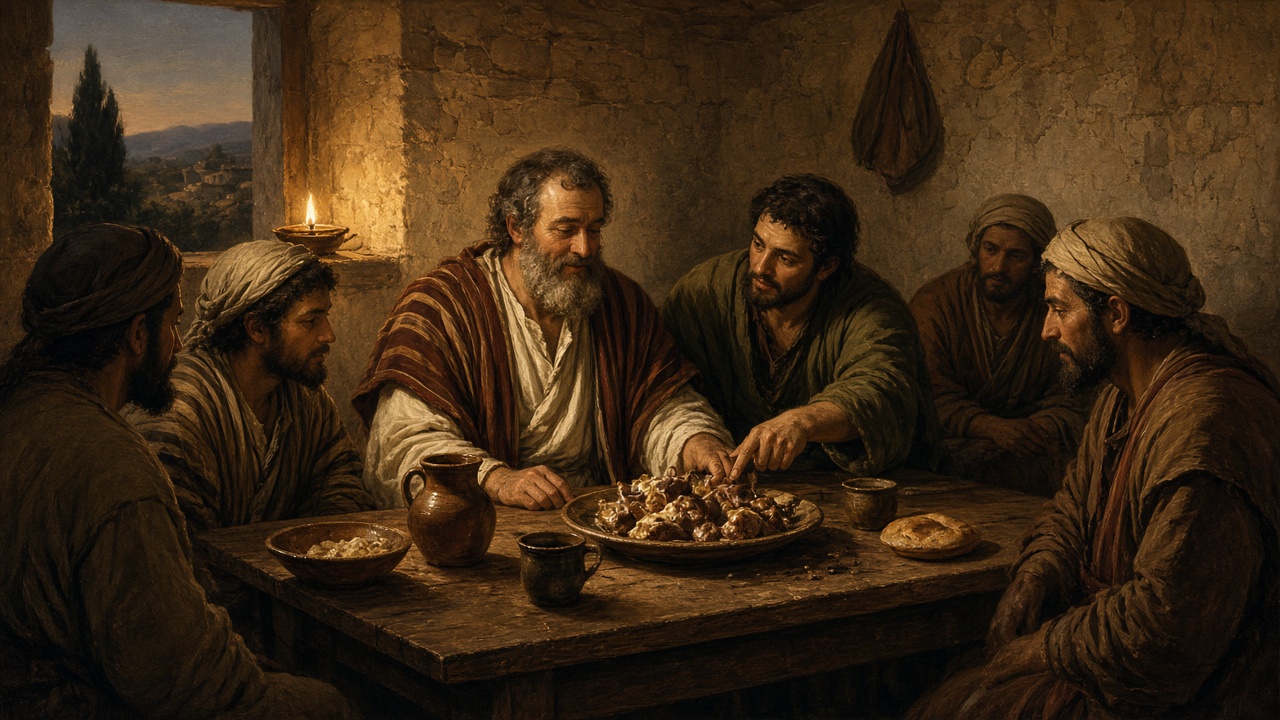
- He calls the cup of blessing and the bread that is broken a participation in the blood and body of Christ, and says pagan sacrifices are offered to demons, not to God, so the two tables cannot be shared. Food sold in the meat market may be eaten without raising questions of conscience, for "The earth is the Lord's, and the fullness thereof," but if someone says it was offered to idols, it should be refused for that person's conscience.Sources: the Bible text itself
Notes written with AI assistance from open sources (Theographic Bible Metadata, CC BY-SA 4.0; Easton’s Bible Dictionary, public domain) and reviewed before publishing.
Credits and license for this translation
Dónbeenì páaníi fĩnle vũahṹ
New Testament in Buamu (UV:box:Buamu)
copyright © 2012 Wycliffe Bible Translators, Inc.
Language: Buamu
Translation by: Wycliffe Bible Translators, Inc.
Copyright Information
© 2012, Wycliffe Bible Translators, Inc. All rights reserved.
This translation text is made available to you under the
terms of the Creative Commons License: Attribution-Noncommercial-No Derivative Works.
( http://creativecommons.org/licenses/by-nc-nd/3.0/ )
In addition, you have permission to port the text to different file formats, as long as you
do not change any of the text or punctuation of the Bible.
You may share, copy, distribute, transmit, and extract portions
or quotations from this work, provided that you include the above copyright
information:
You must give Attribution to the work.
You do not sell this work for a profit.
You do not make any derivative works that change any of the actual words or punctuation of the Scriptures.
Permissions beyond the scope of this license may be
available if you contact
us with your request.
The New Testament
in Buamu
© 2012, Wycliffe Bible Translators, Inc. All rights reserved.
This translation is made available to you under the terms of the
Creative Commons Attribution-Noncommercial-No Derivatives license 4.0.
You may share and redistribute this Bible translation or extracts from it in any format, provided that:
You include the above copyright and source information.
You do not sell this work for a profit.
You do not change any of the words or punctuation of the Scriptures.
Pictures included with Scriptures and other documents on this site are licensed just for use with those Scriptures and documents.
For other uses, please contact the respective copyright owners.
2014-04-23
Source: http://ebible.org/boxNT/ · eBible.org