Psalms 32
Yesus Aqa Anjam Bole 2014 + Qotei qa Lou · Tap a verse to see its cross-references.
Iga gago une babtimqa Qotei na gago une di kobotetgwas
1Qotei a tamo uŋgasari naŋgo une kalil kobotetnjrqas di naŋgi tulaŋ areboleboleinjrqas. Od, Qotei a naŋgo kumbra uge kalil nuntetnjrqas di naŋgi are tulaŋ boledamuinjrqas. 2Tamo Koba Qotei a na naŋgi endegsi minjrqas, “Niŋgi une saiqoji. Niŋgi gisaŋ kumbra dauryqajqa are qalosaieqnub.” Qotei a na naŋgi degsi minjrqas di naŋgi tulaŋ areboleboleinjrqas.
3O Abu Qotei, e ijo une babtosaisosimqa e qolo ti qanam ti akamkobaoqnem. Deqa ijo tanu kalil niñaqesoqneb. 4Qolo ti qanam ti ni ino baŋ na e gulbe eboqnem deqa e tulaŋ siŋgila saiqoji soqnem. Seŋ kaŋkaŋosim mandam koitqas dego kere. 5Ariya bunuqna e ijo une babtosim ni qa ubtem. E ijo kumbra uge ulitosai. E are qalem, “E ijo une kalil babtosiy Tamo Koba Qotei qa ubtqai.” E degyonamqa ni ijo kumbra uge ti ijo une ti kobotetbem.
6O Abu Qotei, gulbe bati brantimqa tamo uŋgasari kalil ni daurmeqnub qaji naŋgi ni pailmoqnebe. Naŋgo gulbe di tulaŋ kobaqujaosim yuwal korkortobulqas di uŋgum. Naŋgo gulbe dena naŋgi padaltnjrqasai. 7Ni na e ulitboqnsim taqatbeqnum deqa gulbe bei na e padaltbqa keresai. Ni na e aqaryaibeqnum deqa e gulbe kalil britoqnsim arebolebole na loueqnum.
8Tamo Koba a na e endegsi merbej, “E ijo anjam plaltosiy ni dalmqai. E gam bole osormitqa ni dena walwelame. 9Hos ti donki ti naŋgi powo tulaŋ saiqoji unub. Ni naŋgo medabuq di sil na naŋgi titnjrqasai di naŋgi nanariosib ni daurmqa keresai. Deqa ni naŋgi aiyel bulaim.” Qotei na e degsi merbej.
10Gulbe gargekoba tamo uge naŋgoq di branteqnu. Ariya Tamo Koba Qotei na tamo uŋgasari a qa naŋgo areqalo siŋgilateqnub qaji naŋgi qalaqalainjroqnsiqa geregere taqatnjreqnu. 11O tamo uŋgasari bole tiŋtiŋ, niŋgi Tamo Koba Qotei qa areboleboleiŋgeme. O tamo uŋgasari nuŋgo are miligiq di une saiqoji unub qaji, niŋgi arebolebole na louoqniy.
Did you know?
The Joy of Forgiveness and Guidance
- The psalm opens with the title designating it as a Maskil of David, a term traditionally associated with an instructional or contemplative song, reflecting on the contrast between the distress of hidden sin and the blessing of forgiveness.Sources: the Bible text itself
- The Hebrew term Selah appears three times in this psalm (verses 4, 5, and 7), commonly interpreted as a musical pause or a moment for reflection during the recitation of the text.Sources: the Bible text itself
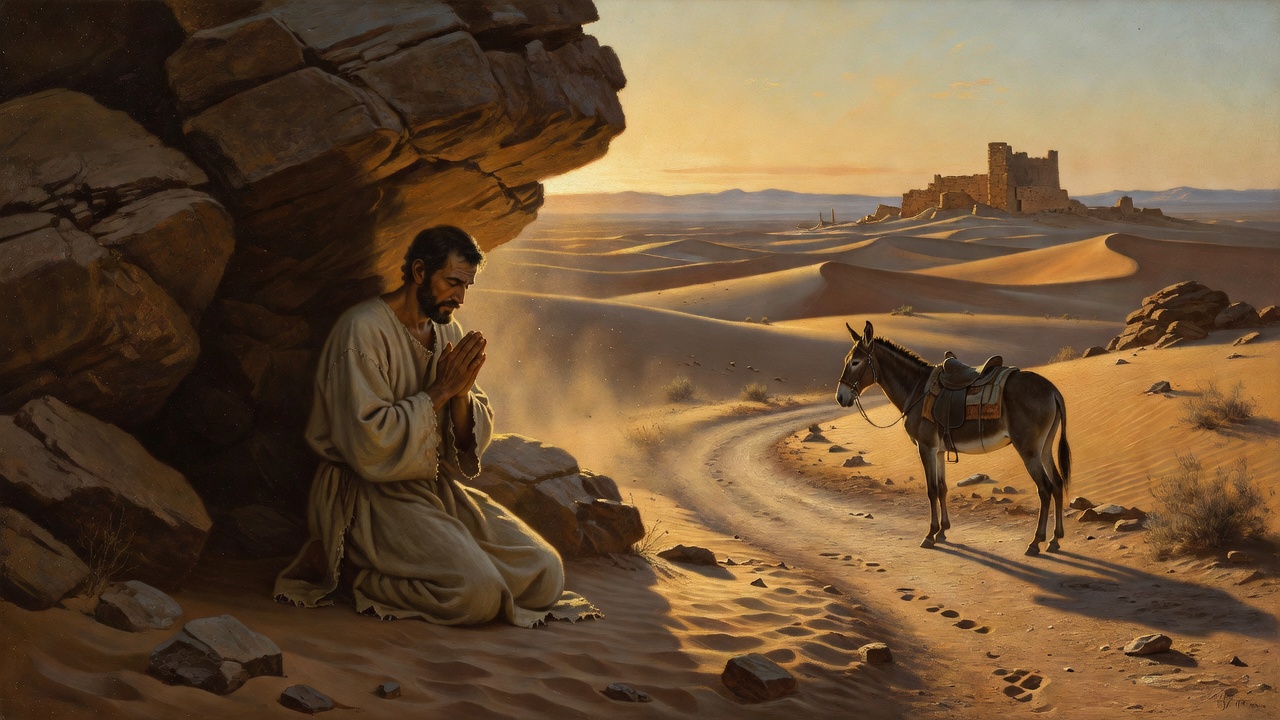
- The psalm uses the imagery of working animals, contrasting the willing follower of divine counsel with stubborn horses and mules that require a bit and bridle to be guided.Sources: the Bible text itself
Notes written with AI assistance from open sources (Theographic Bible Metadata, CC BY-SA 4.0; Easton’s Bible Dictionary, public domain) and reviewed before publishing.
Credits and license for this translation
Yesus Aqa Anjam Bole 2014 + Qotei qa Lou
The New Testament in the Anjam language of Papua New Guinea, 2014 revision, plus Psalms
Nupela Testamen long tokples Anjam long Niugini, 2014 na Buk Song
copyright © 2014, 2025 Wycliffe Bible Translators, Inc.
Language: Anjam
Translation by: Wycliffe Bible Translators
This translation is made available to you under the terms of the
Creative Commons Attribution-Noncommercial-No Derivatives license 4.0.
You may share and redistribute this Bible translation or extracts from it in any format, provided that:
You include the above copyright and source information.
You do not sell this work for a profit.
You do not change any of the words or punctuation of the Scriptures.
Pictures included with Scriptures and other documents on this site are licensed just for use with those Scriptures and documents.
For other uses, please contact the respective copyright owners.
2025-08-26
Source: http://png.bible/boj2014/ · eBible.org