Romans 5
Píívyéébé ihjyu: jetsocríjyodítyú cáátúnuháámɨ · Tap a verse to see its cross-references.
Píívyéébe ɨ́mɨáámedi meke díllone
1Muurá ɨ́mɨááné Píívyéébeke mecáhcújtsómeke dílloobe ɨ́mɨáámedi. Tsáhájuco múhdurá meke dibye ɨ́jtsúcunútú Máavyéjuubée Jetsocríjtó tsúúca méimítyú mééma ímíbájchónélliíhye. 2Muurá teene mecáhcújtsónej tééveri Píívyéébe meke pɨ́aabó tsaímíyé dííbyema meíjcyaki. Áánéllii méwaajácú dííbyeéjté meíjcyámeke dibye ávyéjújtsóneri meímíjyúúveíñe. 3Téhdure méímíjyúúvéiyá meɨ́cúbáhrámeíyóneri. Muurá ténehjɨ panéváré máaabúcuhíjcyá ɨ́mɨááméré meíjcyaki. 4Áánetu méwaajácú ímí Píívyéébeke meúráávyémema iñéhdújuco dibye méénuíñe. 5Ááneri tsá menúcójpɨ́vétsámeíityú dibye meke báñúítyúnélliíhye. Muurá méwaajácú dibye meke wájyune Íapííchó méɨ́buúúné pañévú dibye pícyóónej tééveri.
6Muuráhjáa méimítyú déjúcotu mewágóóóvéíyónetu tsá meere mepájtyetétsámeíítyuróne. Árónáacáa Críjto dsɨ́jɨvé pámeere ímityúmé meíjcyáme wájyuri meke ipájtyetétsoki. 7Tsá muurá múha ímílléítyuró tsíjtye wájyuri ɨdsɨ́jɨvéne. ¿Mityá ijcyámé tsaate ɨ́mɨáábé íjcyáábeke ipájtyetétso dsɨ́jɨ́véiyóme? 8Árónáacáa muurá Píívyéébe Críjtoke wallóó dibye ɨdsɨ́jɨ́ve ímityúmé meíjcyárómeke ipájtyetétsoki. Ááneríi meke úújétsoobe mítyane meke iwájyune. 9Áánéllii meke dílloobe ɨ́mɨáámedi dibyée mewájyuri dsɨ́jɨ́vénej tééveri. Aame dííbyej tééveríyé mépájtyeté dibye meke ɨ́cúbáhráíyónetu. 10Muuráhjáa Píívyéébema tsá meíjcyáítyuró ímityúmé meíjcyánélliíhye. Árónáacáa Ílli Jetsocríjtó mewájyuri dsɨ́jɨ́véneri méímíbaavyéjucóó dííbyema. Aame méwaajácú mepájtyetéiñe dibye mépañe íjcyánélliíhye. 11Ááneri méimíjyúú Críjtóo mééma ímíbájchónej tééveri ímí Píívyéébema meíjcyáneri.
Adáá tútávajtsóné Críjto ímíbajchóne
12Muuráhjáa tsáápihdítyúré ímityúné ííñujɨ́vú ípívyeevéné tsówayúcú pámeere mɨ́amúnáake. Átsihdyúu íjcyane íñe médsɨ́jɨ́vehíjcyá ímityúmé meíjcyánélliíhye. 13Muuráhjáa Píívyéébé taúhbajúi íjcyátúnáa tsúúca mɨ́amúnaa ímityúmé ícyahíjcyá Adáaúvudítyú Moitséeúvudívújuco íjcyáné mɨ́amúnaa. Árómé hallúríhjyáa tsá ɨɨná íjcyatú dityée muhdú meíjcyáiyóné Píívyéébe ímilléné wáájácútúnélliíhye. Árónáacáhjáa dsɨ́jɨ́vehíjcyámé Adáaúvúu méénudu nééné imítyú méénúturóme. Aanée muurá ímichi dííbyedítyú íjcyane pámeere mɨ́amúnáake tútávajtsódú ɨ́ɨ́vane téhdure Críjto dsɨ́jɨ́véneri pámeere mɨ́amúnaa ímíjpyetéjucóó múhdumé teene cáhcujtsóme.
15Muuráhjáa diibye Adáaúvú Píívyéébe dííbyeke bóijcyúné lléébótúné déjúcotu íñe pámeere mɨ́amúnaa médsɨ́jɨ́vehíjcyáhi. Áánélliihyéhjáa ihdyu Píívyéébe meke ɨɨ́daatsólléne Ílli Jetsocríjtoj tééveri meenú mepájtyetéiñe. Aane tsá ɨ́nehjɨ́ meméénúneri mepájtyetéítyuróne. Apááñéré dííbyeke mecáhcújtsóneri mépájtyetéhi. 16Aanée dííbyeúvú ímityúné méénúné déjúcotu pámeere ímityúmeréjuco meíjcyame méwágóóóvéiyáhi. Árónáacáa Píívyéébe mééma ímíbajchóhi. Áánéllii apááñéré ɨ́mɨááné dííbyeke mecáhcújtsómeke dílloobe ɨ́mɨáámedi ímityúmé meíjcyárómeke. 17Muurá méwaajácú tsáápiiyée ímityúné méénúné déjúcotu pámeere meímítyuuvémé mewágóóóvéiyóne. Téhdure méwaajácú Píívyéébe Jetsocríjtoj tééveri ɨ́mɨáámedi meke díllome dííbyé avyéjuri meíjcyaíñé múijyú dsɨ́jɨ́véítyúmeréjuco. 18Tsúúcajáa mééma ímíbaavyéné tsaapi ɨ́mɨáábé íjcyáábej tééveri Adáaúvú ímityúné méénúné déjúcotu pámeere wágóóóvéiyóne.
19Muuráhjáa tsáápí lleebótú nɨ́jcaúvú íñe ímityúmé meé. Áhdurée idyé tsáápiiye ɨ́mɨáábé íjcyáábej tééveri Píívyéébe dilló ɨ́mɨáámedi dííbyeke cáhcújtsómeke.
20Muuráhjáa dibye teene muhdú meíjcyáíyóné taúhbaju pícyóónej tééveri éhnííñevu méwaajácú ɨ́mɨááné ímityúmé meíjcyane. Aane ehdu menéérómeke dibye ɨ́daatsóllénetu méwaajácú mítyane meke dibye wájyune. 21Aanée ɨ́mɨááné ímityúmé meíjcyáné déjúcotu pámeere méwágóóóvéiyáhi. Árónáacáa Píívyéébe mítyane meke iwájyúnéllii ɨ́mɨáámedi díllome tsúúca méujcú medsɨ́jɨvéjúcóóítyúne bóhɨ́ Máavyéjuube Jetsocríjtoj tééveri.
Did you know?
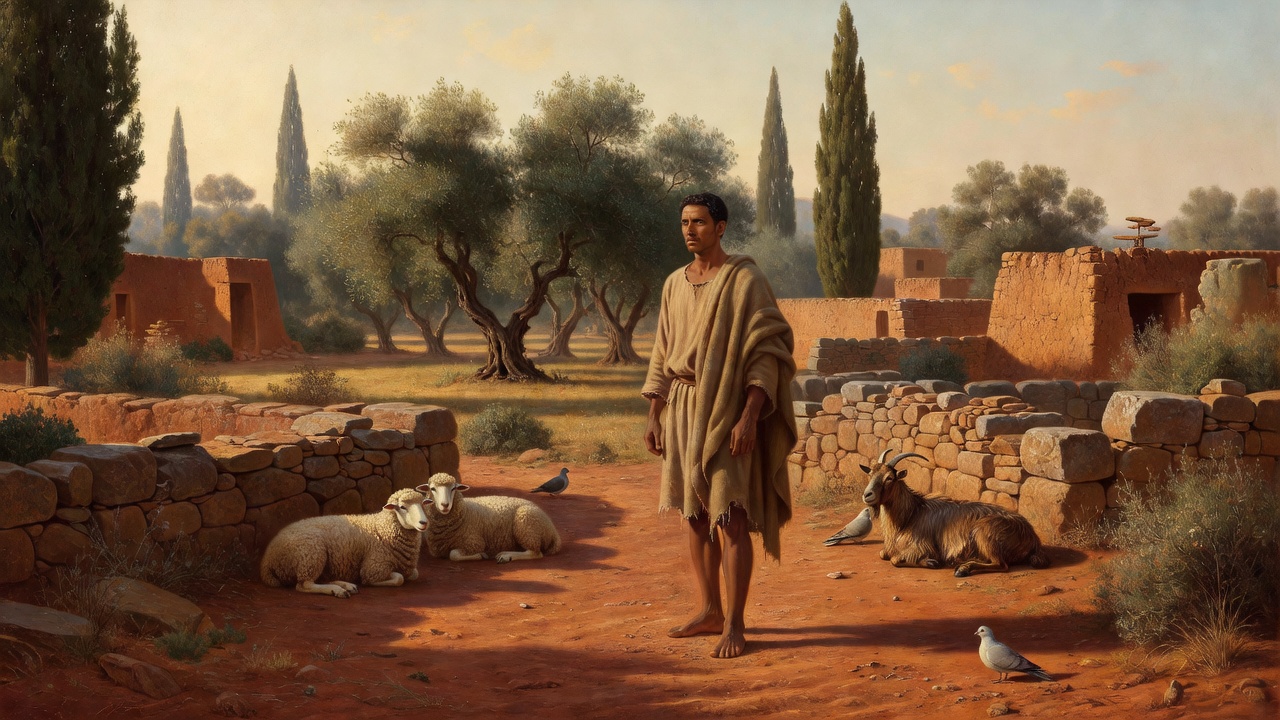
Adam, Christ, and the Reign of Grace
- The one man through whom Romans 5 says sin entered the world, and death through sin, is Adam. A reference note calls Adam a Babylonian word meaning red, the general name for a human being in Hebrew and Assyrian, and links it to his being formed from the dust of the earth. The account of his creation and fall is given in the first book of Moses.Sources: Adam · the Bible text itself
- Romans 5 says death reigned from Adam until Moses, even over those who did not sin in the way Adam transgressed. It adds that sin was already in the world before the law was given, yet sin is not taken into account when there is no law. Adam is called a pattern of the one who was to come.Sources: the Bible text itself
- The chapter sets that one trespass beside the gift that came by the grace of Jesus Christ. Judgment after a single sin brought condemnation, while the gift after many trespasses brought justification. The law, it says, came in so that the trespass would increase, yet where sin increased, grace increased all the more.Sources: the Bible text itself
Notes written with AI assistance from open sources (Theographic Bible Metadata, CC BY-SA 4.0; Easton’s Bible Dictionary, public domain) and reviewed before publishing.
Credits and license for this translation
Píívyéébé ihjyu: jetsocríjyodítyú cáátúnuháámɨ
New Testament in Bora (PE:boa:Bora)
copyright © 2008 Wycliffe Bible Translators, Inc.
Language: Bora
Translation by: Wycliffe Bible Translators, Inc.
Boara [boa], Peru
Copyright Information
© 2008, Wycliffe Bible Translators, Inc. All rights reserved.
This translation text is made available to you under the
terms of the Creative Commons License: Attribution-Noncommercial-No Derivative Works.
( http://creativecommons.org/licenses/by-nc-nd/3.0/ )
In addition, you have permission to port the text to different file formats, as long as you
do not change any of the text or punctuation of the Bible.
You may share, copy, distribute, transmit, and extract portions
or quotations from this work, provided that you include the above copyright
information:
You must give Attribution to the work.
You do not sell this work for a profit.
You do not make any derivative works that change any of the actual words or punctuation of the Scriptures.
Permissions beyond the scope of this license may be
available if you contact
us with your request.
The New Testament
in Bora
© 2008, Wycliffe Bible Translators, Inc. All rights reserved.
This translation is made available to you under the terms of the
Creative Commons Attribution-Noncommercial-No Derivatives license 4.0.
You may share and redistribute this Bible translation or extracts from it in any format, provided that:
You include the above copyright and source information.
You do not sell this work for a profit.
You do not change any of the words or punctuation of the Scriptures.
Pictures included with Scriptures and other documents on this site are licensed just for use with those Scriptures and documents.
For other uses, please contact the respective copyright owners.
2014-04-22
Source: http://ebible.org/boaNT/ · eBible.org