Romans 15
Píívyéébé ihjyu: jetsocríjyodítyú cáátúnuháámɨ · Tap a verse to see its cross-references.
Tsíjtyeke mepɨ́aabóne
1Aane tsúúca ímí Píívyéébeke mecáhcujtsómé metsu mepɨ́áábo eene dííbyeke cáhcújtsorómé múhdurá ɨ́tsúcunúhíjcyámeke ditye ímíñeúvú iwáájácuki. Tsá meere ímí meíjcyáíyóneri metsúúrámeíítyuróne. 2Áánéllii metsu mepɨ́áábo tsíjtyeke ditye éhnííñevu ímí Píívyéébeke iúráávyeki. 3Tsáháa muurá Críjto íjyácunútú iiye tsaímíyé iíjcyáíyóneri. Muuráhjáa dííbyeke pajtyéné Píívyéébé waajácúháámɨtu íllu tene néhdújuco: “Úhdi úúhɨ́vatémé óhdíjyuco úúhɨ́vatéhijcyáne.” 4Ehdúhjáa páneere Píívyéébe caatúnútsohíjcyá meke tene úwáábónej tééveri óóchévetúmé meɨ́tsohíjcya ɨ́ɨ́né imíjyaú dííbyema meíjcyaíñe. 5Muurá piivyéteebe meke ɨpɨ́aabóné mávaríjchojúúné maáábúcuki. Aabe ihdyu óvíi ámúhakye pɨ́aabó ámuha ímí meíjcya panévatúré muhdú dibye ímillédú Críjtóo ícyahíjcyádu. 6Aame máávyejújtsó dííbyeke Máavyéjuube Jetsocríjtój Caaníkye.
Jodíómú íjcyátúrómeke ɨ́mɨáájú úwáábómeíñe
7Ímíñeúvú múu nahbévájcatsí muhdúhjáa Críjto meke náhbevádú tééneri Píívyéébeke maávyéjújtsoki. 8Muuráhjáa múúhá ɨhdé múnáaúvuke Píívyéébe néhdújuco Críjto tsááne muuha jodíómuke ɨpɨ́ááboki. Áánetu méwaajácú muhdú iñéhdu ɨ́mɨááné dibye méénune. 9Áhdurée tsaabe ámuha jodíómú meíjcyáturómedi ɨɨ́dáátsóvéne dibye ámúhakye pájtyetétsóné hallúvú dííbyeke ámuha medúúrúvaki. Muurá dííbyé waajácúháámɨtu nééneé:
Uke o ávyéjujtsóné dúúrúvaabéré ó mátsívahíjcyaá jodíómú íjcyátúrómé pañétu.
10Áhdure tsiiñe nééneé:
Pámeere jodíómuma jodíómú íjcyáturómé méímijyúúvé tsamééré Píívyéébeéjté ámuha meíjcyame.
11Téhdure tsítsihdyu nééneé:
Pámeere panévá iñújɨ́ɨ́ne múnaa máávyejújtsó Píívyéébeke.
12Téhduréhjáa Itsaíá dííbyere Píívyéébe túkévéjtsóneri íllu caatúnúhi:
Itsaííj tsɨɨménémúháábedítyú íjcyáiibye tsaapi téhdure jodíómú íjcyátúrómé avyéjuube íjcyaábe. Áábedívú cátsɨ́pááveímye. Ehdúhjáa Itsaíá caatúnúhi.
13Ahdícyane óvíi Píívyéébeke ámuha mecáhcújtsómeke ímíjyúúvétsoobe tsaímíyé ámuha meíjcyaki, dííbyé Apííchó ámúhá pañe íjcyánej tééveri ímí dííbyema meíjcyaíñé ámuha meɨ́jtsoki.
14Muurá ó waajácú dííbyé icyánéjcú tsúúca ámuha táñahbémú mewáájácúnéllii mepɨ́áábócatsíhijcyáne. Aame ímí tehdújuco ámuha meúwáábócatsíhijcyáne. 15Aane íñe íhyaamɨ ámúha éllevu o cáátúnúháámɨ́ pañe ámúhakye o néé ámuha maábájɨ́ɨ́vétu muhdú Píívyéébeke meúraavyéne. Íllu íñe ámúhakye ó úwáábohíjcyá iwáábyudúu múhdurá o nééróóbeke Píívyéébe oke níwaavénéjuco. 16Okée muurá níwááveebe ámúhakye jodíómú íjcyátúrómeke o úwáábo Jetsocríjtoj tééveri mepájtyetéiñe mééma dibye méénúné uwááboju. Aane táwákimyéí íjcyaabe ámúhakye ó úwáábohíjcyá Píívyéébema ámuha meímíjpyetéki. Muurá dííbyé Apííchoj tééveri ámuha meímíbáávyémeke ímí ɨjtsúcunúiíbye.
17Aane íñe Jetsocríjtoéjpí o íjcyaabe Píívyéébeke o ɨ́ɨ́cúvéneri ó imíjyúúhií. 18Muurá tajtyééveri méénuhíjcyaabe méénúráítyúronéhjɨ́ téénetu ámuha jodíómú íjcyáturómé mecáhcújtso dííbyeke. 19Ehdu ó méénuhíjcyá panéváré dííbyé Apííchó pɨááboríye. Aane tsúúca pahúlleváré ó úwáábohíjcyá Críjtóo mééma mepájtyetéiñe méénune Jerotsaréetu Irííricó iiñújɨvújuco. 20Aane ó imíllé o úwaabóné dííbyeke waajácútúmeke. Áánéllii tsá o úwaabójúcootú tsúúca tsaate uwáábohíjcyátsɨ́hjɨ múnáake. 21Muurá Píívyéébé waajácúháámɨtu nééneé:
Múijyú dííbyé uubállé lléébohíjcyatúmé dííbyedítyú íjcyáné uwááboju illéébone cáhcújtsoóhi.
Róómávu ipyééiñe Páávoro ɨ́jtsámeíñe
22Ehdu íñe tsaate múijyúikyé Críjtodítyú íjcyáné uwááboju lléébótúmedi o ɨ́ɨ́jɨ́vénéllii tsá o píívyetéhíjcyatú ámúhakye o ááhɨ́veténé mítyane o ímíllérónáaáca. 23Árone íñe múhdúne píjcyájucó ámúhakye o ájtyúmɨ́íyóneri o íjyácunúhíjcyaabe tsúúca ó nɨjkévá ííllé iñújɨ́ɨ́ne múnáake o úwáábónetu. 24Aabe Ejpááñá iiñújɨvu o péécooca ámúhakye ó aahɨ́veíñuúhi. Átsihdyu o péébeke óvíi ámuha oke panévatúré mépɨ́aabó ímí o úújetéki. 25Árónáa tujkénúi ó úlléjeé Jerotsaréeri téhulle ménahbémú íjcyámeke Matsedóóniámá Acááyá iñújɨ́ɨ́curi íjcyáné cahcújtso múnaa pɨ́áábóne dsɨ́ɨ́dsɨdívú o ájcutéébe. 27Imíllémé íicyánéjcutu ɨpɨ́aabóné téhulle íjcyáné cahcújtso múnáake. Muuráhjáa ímichi diitye jodíómudítyú teene pajtyété uwááboju tsújaavéné diityédívú úújetéhi. Áánéllii tehdújuco diityéké ditye panévatúré pɨ́áábóiyóne. 28Ahdícyane óvíi teene dsɨɨdsɨ Jerotsaréevu o pícyóhjéné boonétú Ejpááñavu o péébe ámúhakye ó aahɨ́veíñúhi. 29Muurá ó waajácú ámúhadívú o úújetécooca meímíjyúúveíñé mítyane Críjto meke pɨ́áábohíjcyáneri.
30Ahdícyane, ámuúha táñahbémuj, muurá íñe Máavyéjuube Jetsocríjtoéjté meíjcyame méwajyújcatsí Píívyéébé Apííchó meke pɨ́áábóneríye. Áánéllii ámúhakye o néé táhallúvú dííbyeke ámuha pɨáábó métáúmeí oke dibye ityéhme cáhcújtsótúné mɨ́amúnaa ímityúmé íjcyame oke ityútávájtsótu téhulle Jodéá iiñújɨri íjcyame. Áhdure métáuméí diitye Jerotsaréeri íjcyáné cahcújtso múnáá hallúvú ímí ditye ɨɨ́jtsúcunú diityé éllevu dsɨ́ɨ́dsɨke o tsájtyene. 32Aane óvíi Píívyéébe ímílléhajchíí ámúhadívú o úújetécooca ímí ménahbévájcatsíhi. 33Ahdícyane óvíi ámúhakye pɨ́ááboobe ɨ́búwajɨ́ɨ́ ámuha meíjcyaki. Ehdu teéne.
Did you know?
Gentile Hope and the Road West
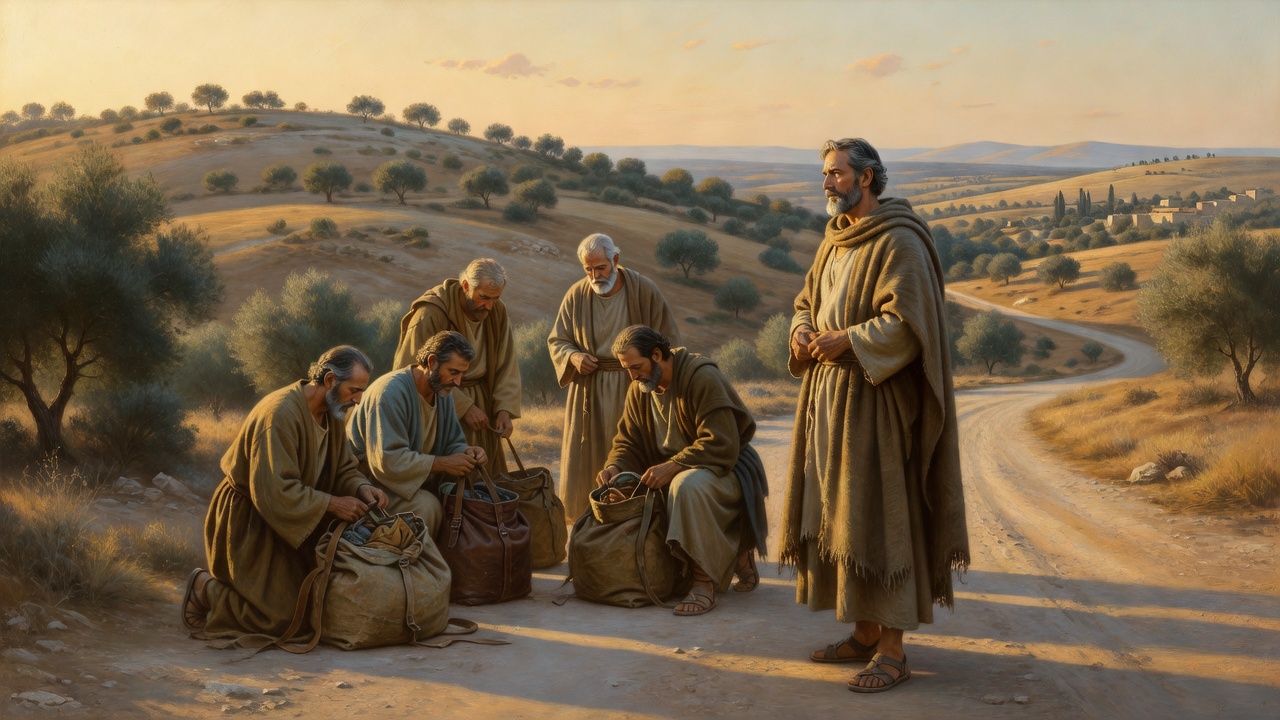
- Paul writes that he has fully proclaimed the gospel of Christ from Jerusalem all the way around to Illyricum. Easton's Bible Dictionary (1897) places that region northwest of Macedonia, on the eastern shores of the Adriatic, and describes it as then almost wholly included in Dalmatia; it says he traversed Illyricum on his third missionary journey, that it was the farthest district he had reached in preaching, and that a journey through Macedonia would have brought him to its borders.Sources: the Bible text itself · Illyricum
- He hopes to see the believers in Rome on his way to Spain and, after delivering the contribution from Macedonia and Achaia to Jerusalem, to set off for Spain by way of them. Easton's Bible Dictionary (1897) records that intention, but notes that there is no evidence he ever carried it out, although some think he probably did so between his first and second imprisonment.Sources: the Bible text itself · Spain
- Quoting Isaiah, he says that the Root of Jesse would appear and arise to rule over the Gentiles, and that the Gentiles would put their hope in him. Jesse was the father of David, and Easton's Bible Dictionary (1897) says that the phrase root of Jesse is used for the Messiah, while stem of Jesse is used for David's family.Sources: the Bible text itself · Jesse
Notes written with AI assistance from open sources (Theographic Bible Metadata, CC BY-SA 4.0; Easton’s Bible Dictionary, public domain) and reviewed before publishing.
Places in this chapter
- Illyricum · 43.539, 16.483 · verse 19
- Jerusalem · 31.777, 35.234 · verses 19, 25, 26, 27, 31
- Rome · 41.892, 12.485 · verse 24
- Spain · Today: Hispania · 40.210, -4.350 · verses 24, 28
- Achaia · 38.720, 22.540 · verse 26
- Macedonia · 41.600, 22.540 · verse 26
- Judea · Today: Judea 1 · 31.777, 35.234 · verse 31
Only places identified with high confidence are shown (90% or more according to the scholarly sources compiled by OpenBible). Period map: DARE (Digital Atlas of the Roman Empire), CC BY 4.0; modern map: © OpenStreetMap contributors; places: OpenBible.info (CC BY 4.0).
Credits and license for this translation
Píívyéébé ihjyu: jetsocríjyodítyú cáátúnuháámɨ
New Testament in Bora (PE:boa:Bora)
copyright © 2008 Wycliffe Bible Translators, Inc.
Language: Bora
Translation by: Wycliffe Bible Translators, Inc.
Boara [boa], Peru
Copyright Information
© 2008, Wycliffe Bible Translators, Inc. All rights reserved.
This translation text is made available to you under the
terms of the Creative Commons License: Attribution-Noncommercial-No Derivative Works.
( http://creativecommons.org/licenses/by-nc-nd/3.0/ )
In addition, you have permission to port the text to different file formats, as long as you
do not change any of the text or punctuation of the Bible.
You may share, copy, distribute, transmit, and extract portions
or quotations from this work, provided that you include the above copyright
information:
You must give Attribution to the work.
You do not sell this work for a profit.
You do not make any derivative works that change any of the actual words or punctuation of the Scriptures.
Permissions beyond the scope of this license may be
available if you contact
us with your request.
The New Testament
in Bora
© 2008, Wycliffe Bible Translators, Inc. All rights reserved.
This translation is made available to you under the terms of the
Creative Commons Attribution-Noncommercial-No Derivatives license 4.0.
You may share and redistribute this Bible translation or extracts from it in any format, provided that:
You include the above copyright and source information.
You do not sell this work for a profit.
You do not change any of the words or punctuation of the Scriptures.
Pictures included with Scriptures and other documents on this site are licensed just for use with those Scriptures and documents.
For other uses, please contact the respective copyright owners.
2014-04-22
Source: http://ebible.org/boaNT/ · eBible.org