Revelation 7
Píívyéébé ihjyu: jetsocríjyodítyú cáátúnuháámɨ · Tap a verse to see its cross-references.
Ijraéémudítyú tsaate Píívyéébeéjte
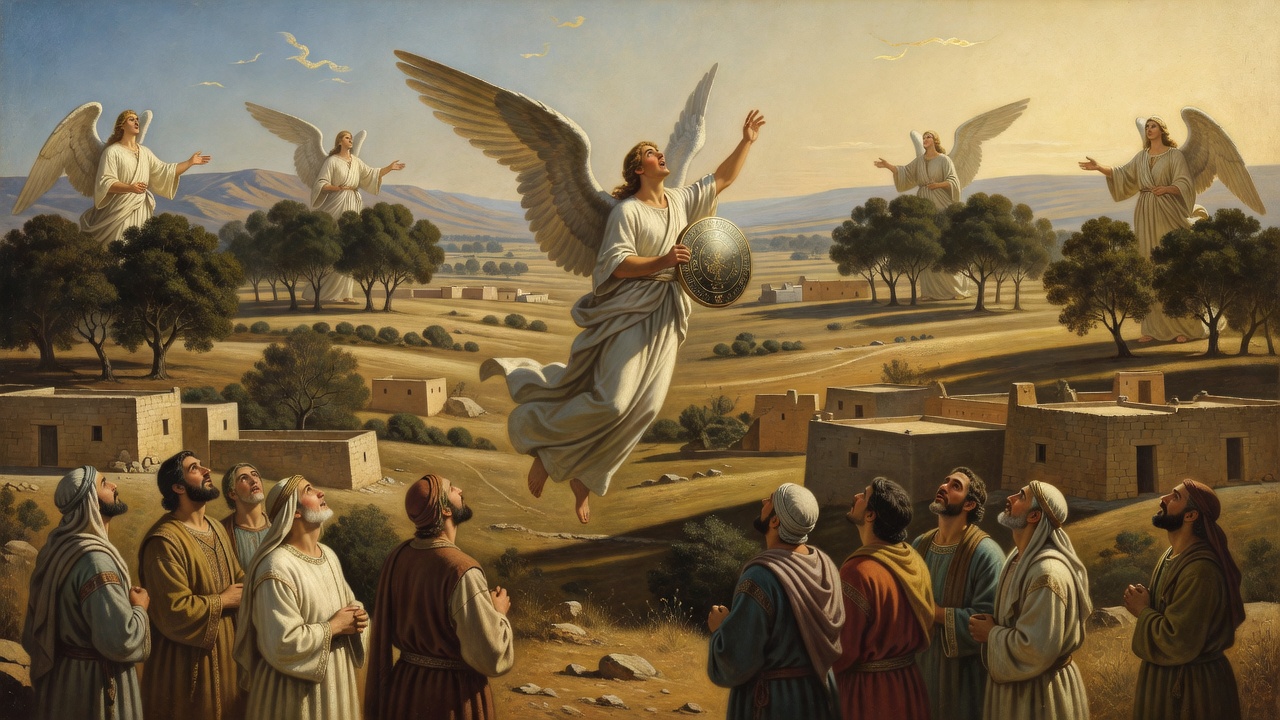
1Átsihdyúu idyé tsiiñe naavédú nééné pañe ó ájtyumɨ́ 4-meva níjkyéjɨ múnaa ííñújɨri patsɨ́hjɨvárí íjyócújcatyémeke. Téhmehíjcyámée ííñujɨɨ, móañee, bájunee, íjcyane kííjyeba ivááútuki. Áámekée némeíñé ííñújɨma nújpacyo ditye ityútávájtsoki. 2Árónáacáa tsijpi diityédítyú nuhba tsáhícyánéjcutu Píívyéébe mémé cáátúnúmeíñema tsáábe néé kéévánécoba: 3—Métútávájtsodíñéi ííñujɨɨ, móañee, bájunee, íjcyane Píívyéébé ɨɨcúve múnáá úmɨcóónetu dííbye mémé mepícyóótúné hajchóta.
4Aanée oke tsaate néé 12 dohjɨ́ba múnaa ijraéémú íjcyámedítyú 144,000-mevá úmɨcóónetu teene Píívyéébe mémé tsúúca pícyámeíñe: Jodáá dohjɨ́batu 12,000-mevaa, Robéé dohjɨ́batu 12,000-mevaa, Gáá dohjɨ́batu 12,000-mevaa, Atséé dohjɨ́batu 12,000-mevaa, Netaríí dohjɨ́batu 12,000-mevaa, Manatséé dohjɨ́batu 12,000-mevaa, Tsimeóó dohjɨ́batu 12,000-mevaa, Revíí dohjɨ́batu 12,000-mevaa, Itsacáá dohjɨ́batu 12,000-mevaa, Tsaboróó dohjɨ́batu 12,000-mevaa, Jotséé dohjɨ́batu 12,000-mevaa, Bejamíí dohjɨ́batu 12,000-mevaa, ehdu.
Tsɨ́tsɨ́jáhjɨma íjcyame
9Átsihdyúu idyé ó ájtyumɨ́ tétsihyi diibye íavyéjú ijyáwá hallúrí ácuúcunúúbee, Obééjáwuúdú néébeé, íjcyámútsí úmɨ́wari ávyétá mityáné mɨ́amúnaa eevératu panévá íñujɨ́ɨ́ne múnaa íjcyame páhduváré íhjyúvámeke. Áámé wajyámúúnée tsɨ́tsɨ́jáhjɨúvú nééme wájyuhóónema íjcyame kéévánécoba nééhií:
Muurá pajtyéteju tsáá íavyéjú ijyáwá hallúrí ácuúcunúúbee, Obééjáwuúdu néébeé, íjcyámútsidítyu.
11Téhdurée idyé tétsihyi diitye túkevéjtsojtémá 4-meva iyámédú nééméj pɨɨne pámeere níjkyéjɨ múnaa íjcyame ɨmɨ́hmóúbáne Píívyéébeke dúúruvámé nééhií:
Tehdújuco ihdyu Mépiivyéébé múijyú nɨ́jkéváítyuube panévatúré ɨ́htsútuube ávyéjuube íjcyaabe pane wáájacúne. Áábeke ihdyu metsu maávyéjújtso dúúrúvamére. Ehdu teéne.
Ehdúu nééme níjkyéjɨ múnaa.
13Áánáacáa tsaapi túkevéjtsojtédítyú oke nééhií:
—¿Aca aatye eene tsɨ́tsɨ́jáhjɨma íjcyámeke ú waajácú kiátú ditye tsááneé? 14Áánélliihyée o nééhií:
—Tsáha, Ávyéjuúbej, u ihdyu ú waajácú diityéke.
Áánélliihyée oke neébe:
—Íjtyée ímíbaavyé Obééjáwuúdú néébé tujpácyó wágóóóvénej tééveri. Aamée ávyétá ɨhnáhó nééné ɨ́cúbáhraméí ííñújɨri íjcyánetu pajtyéhi. 15Áánéllii ícyooca Píívyéébema íjcyame dííbyeke ɨ́ɨ́cúvehíjcyámeke ɨ́ɨ́né imíjyaú pícyoóbe. 16Aame tsáhájuco múijyú ájyabáávatéityúne. Téhdure tsáhájuco ditye ádópívyenúityúne. Tsáhájuco múijyú nuhba diityéké áñúityúne. 17Muurá ávyéjú ijyáwá úníuri íjcyaabe diityé tehméébé Obééjáwuúdú néébe tsaímíyé diityéké túkévejtsómé ɨ́ɨ́né imíjyaú ijcyáhi. Áámedítyú Píívyéébe kímóóve wáágoómé tsá ɨ́ɨ́nerí kímoovéjúcootúne. Ehdúu oke túkevéjtsojtédítyú tsaapi néé naavédú nééne o ɨ́ɨ́téné pañe.
Did you know?
The sealed tribes and the great multitude
- Revelation 7 numbers the sealed as 144,000, twelve thousand from each of the tribes of Israel named in the chapter. Israel was another name for Jacob, the second-born of the twin sons of Isaac and Rebekah; Easton's Bible Dictionary (1897) explains Jacob's name as someone who follows on another's heels, or a supplanter.Sources: the Bible text itself · Jacob (Israel)
- Although Reuben was the eldest son of Jacob and Leah, the list of the sealed begins with Judah and then names Reuben. The list also includes both Joseph and Manasseh; Manasseh was Joseph's elder son, and Jacob adopted him and his brother Ephraim as his own sons.Sources: the Bible text itself · Reuben · Manasseh (son of Joseph)
- After the sealing, the vision shows a multitude too large to count, from every nation, tribe, people, and tongue, standing before the throne and the Lamb, wearing white robes and holding palm branches. One of the elders says they have come out of the great tribulation and have washed their robes and made them white in the blood of the Lamb.Sources: the Bible text itself
Notes written with AI assistance from open sources (Theographic Bible Metadata, CC BY-SA 4.0; Easton’s Bible Dictionary, public domain) and reviewed before publishing.
Credits and license for this translation
Píívyéébé ihjyu: jetsocríjyodítyú cáátúnuháámɨ
New Testament in Bora (PE:boa:Bora)
copyright © 2008 Wycliffe Bible Translators, Inc.
Language: Bora
Translation by: Wycliffe Bible Translators, Inc.
Boara [boa], Peru
Copyright Information
© 2008, Wycliffe Bible Translators, Inc. All rights reserved.
This translation text is made available to you under the
terms of the Creative Commons License: Attribution-Noncommercial-No Derivative Works.
( http://creativecommons.org/licenses/by-nc-nd/3.0/ )
In addition, you have permission to port the text to different file formats, as long as you
do not change any of the text or punctuation of the Bible.
You may share, copy, distribute, transmit, and extract portions
or quotations from this work, provided that you include the above copyright
information:
You must give Attribution to the work.
You do not sell this work for a profit.
You do not make any derivative works that change any of the actual words or punctuation of the Scriptures.
Permissions beyond the scope of this license may be
available if you contact
us with your request.
The New Testament
in Bora
© 2008, Wycliffe Bible Translators, Inc. All rights reserved.
This translation is made available to you under the terms of the
Creative Commons Attribution-Noncommercial-No Derivatives license 4.0.
You may share and redistribute this Bible translation or extracts from it in any format, provided that:
You include the above copyright and source information.
You do not sell this work for a profit.
You do not change any of the words or punctuation of the Scriptures.
Pictures included with Scriptures and other documents on this site are licensed just for use with those Scriptures and documents.
For other uses, please contact the respective copyright owners.
2014-04-22
Source: http://ebible.org/boaNT/ · eBible.org