Revelation 3
Píívyéébé ihjyu: jetsocríjyodítyú cáátúnuháámɨ · Tap a verse to see its cross-references.
Tsáádíyi íjcyáné cahcújtso múnáa éllevu cáátúnúmeíñe
1Téhdure Tsáádíyi íjcyáné cahcújtso múnáá uwáábóóbe éllevu íllu caatúnu: “Píívyéébé Apííchó 7-nevádú nééne dííbyedi íjcyaabe 7-meváké mɨ́ɨ́cúruke éjécunúhíjcyaabe ámúhakye nééhií: Ó waajácú muhdú ámuha meícyahíjcyáne. Muurá ámuha mékévaúcunúhíjcyará Píívyéébeke ámuha meúráávyénetu. Árónáa tsá ámuha ímí meúráávyetúne. 2Áánéllii téɨɨbúwá meíjcyáne métsúúraméí ímí dííbyeke ámuha meúráávyéíyóneri dííbyedítyú ámuha memújtátuki. Muurá ó waajácú dibye ímillédú ámuha meíjcyatúne. 3Méɨtsáávé éíjyúu ámúhakye ditye úwaabóné tsúúca ámuha mecáhcujtsóne. Ááne meímíbáávyéne tsiiñe ímíñeúvú dííbyeke méuráávye. Muurá ámuha meímíbáávyétúhajchíí éhne múúne naní múnáajpi wáájácúratúné tsáhdu o tsáábe ámúhakye ó tuvááóvaáhi. 4Árónáa ijcyámé tsaate ámúhadítyú ímityúné méénutúme. Aame ɨ́mɨáámé iíjcyánéllii óóma íjcyaá tsaímíyé tsɨ́tsɨ́j nééné wajyámuunévú iújcámeíñema. 5Ɨ́ɨ́nerí táhjátsámeítyúmé ehdu íjcyaáhi. Ááme mémeháñé tsá o páácyúityú wágóóóvéítyúme mémeháñé cáátúváné waajácúháámɨtu íjcyane. Áámeke ó bóhówájtsoó Llihíyodívu, téhdure níjkyéjɨ múnáadívu. 6Aane ihdyu óvíi ɨ́mɨááné lléébome cáhcujtsó Píívyéébé Apííchó cahcújtso múnáake néhijcyáne.”
Piradéépiárí íjcyáné cahcújtso múnáa éllevu cáátúnúmeíñe
7Téhdure Piradéépiárí íjcyáné cahcújtso múnáá uwáábóóbe éllevu íllu caatúnu: “Ɨ́mɨáábé állíúútuube Dabíiúvú avyéjú dííbyedi íjcyaabe pááyucúné tsá múha wátájcóítyuróne. Áhdure dibye wátajcóné tsá múha pááyúcúítyuróne. Aabe ámúhakye nééhií: 8Ó waajácú muhdú ámuha meícyahíjcyáne. Muurá dúhcú ɨ́búwá ámuha menéérome ímí táuwáábó méúráávyehíjcyá oke tóónutúmére. Áánéllii ámuha meúwáábóíñé uwááboju ámúhama o pááyucúné tsá múha wátájcóityúne. 9Árónáa ijcyámé tsaate jodíómú íjcyarómé Naavéné icyánéjcúré úraavyémé íllure iállíñe tahñéjtedi díllómeímye. Árome ɨɨ́cúbáhrámeíñetu ámúhá lliiñévú ɨmɨ́hmóúbáne ámúhakye ávyéjújtsoó ámúhakye o wájyune iwáájácúnema. 10Muurá ɨ́hnáhóóróné pañe ímí oke ámuha mecáhcújtsónéllii ámúhakye ó téhmeé ííñújɨri ɨ́cúbáhraméí íjcyánetu. 11Aane lléváhréjuco o tsááiñe. Áánéllii múu muhdú ámuha meícyahíjcyádú tsaímíyé ijcyá ámúhá wáábyutájuco íjcyáneri ámuha mebáñúmeítyuki. 12Muurá ɨ́ɨ́nerí táhjátsámeítyúmeke ó pícyoó Tápiivyéébé duurúvájá apɨ́hajcúnédú nééme ditye iíjcyaki. Aame tsá múijyú dííbyedítyú ɨ́ɨ́néityúne. Áámedítyú ó caatúnuú dííbye mémema íhcyóómi béhné Jerotsaréé níjkyéjɨri íjcyácóómi méme. Áhdure ó caatúnuú béhne tamyémé diityédítyu. 13Aane ihdyu óvíi ɨ́mɨááné lléébome cáhcujtsó Píívyéébé Apííchó cahcújtso múnáake néhijcyáne.”
Raoditséari íjcyáné cahcújtso múnáa éllevu cáátúnúmeíñe
14Téhdure Raoditséari íjcyáné cahcújtso múnáá uwáábóóbe éllevu íllu caatúnu: “Píívyéébe páneerée ípívyéjtsoobe iíjcyadúré ícyahíjcyaabe allíútuube ámúhakye nééhií: 15Ó waajácú muhdú ámuha meícyahíjcyáne. Muurá ímí oke ámuha meúráávyéturómé tsá oke meɨ́hvéjtsotúne. Aane ihdyu ó imíllerá tsaímíyé oke ámuha meúraavyéne. Aane ámuha meímíllétúhajchíí óvíjyacóóne. 16Ehdu múhdurá oke ámuha medárɨ́ɨ́vénéllii ílluréjuco ámúhakye o wáágóoíñe. 17Muurá ámuha ménehíjcyá ɨ́htsutúmé ámuha tsaímíyé meíjcyame ɨ́ɨ́netú mepɨ́htotúne. Árónáa tsá ámuha mewáájácúmeítyú nucójpɨtsówu íévejte múúne íjcyadu ámuha meíjcyane. Áhdure tsá ámuha mewáájácúmeítyú hállúvatúmé múúne íjcyadu ámuha meíjcyane. 18Áánéllii oke métáuméí ámúhakye o ímíbájcho núcójpɨ́tsó nénéhjɨtu ámuha mebóhówaúcunújúcóótuki. Muurá ámúhakye o pɨ́áábóneri botsíi ámuha méwájácúúveé ɨ́mɨánejcúvú éhne múúne íhyálluúúné ímityúmé ityáábótsámeíñe botsíi ímíñeúvú ɨ́ɨ́tedu. Óhdi ɨ́mɨá uwááboju íjcyane ímíñeúvú mecáhcújtsóne méímíjpyeté éhne múúne óóro cúújúwari chócóóvénetu iñéhní wágóóóvéné boone ɨ́ɨ́né imíjyaú tene íjcyadu ámuha meíjcyaki. 19Muurá o wájyúmeke ó úwaabó ditye óóma iímíbáávyeki. Ahdícyane ɨ́mɨááméré meíjcyáne méímibáávyé múhdurá ámuha meícyahíjcyánetu. 20Ámúhakye ó pɨ́úvahíjcyá éhne múúne llééhówatu mepɨ́uvádú oke ámuha mecáhcújtsóhajchíí ámúhakye o ímíbájcho tsaímíyé menáhbévájcatsíki. 21Muurá ɨ́ɨ́nerí táhjátsámeítyúmé ímí ícyahíjcyámeke ó pícyoó táúniúvú muhdú llihíyó oke íúniúvú íavyéjuvu pícyohdu. 22Aane ihdyu óvíi ɨ́mɨááné lléébome cáhcujtsó Píívyéébé Apííchó cahcújtso múnáake néhijcyáne.” Ehdúu oke neebe Jetsóo.
Did you know?
Letters to Sardis, Philadelphia, and Laodicea
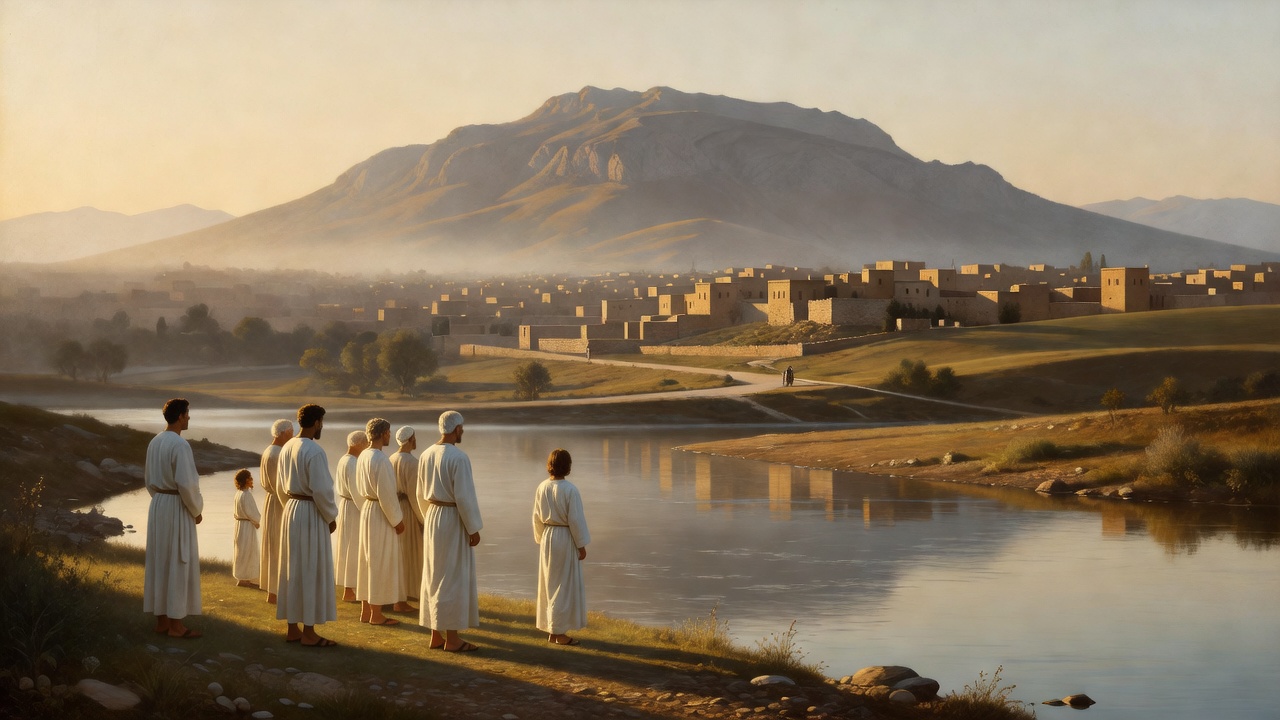
- Revelation 3 is a set of letters to churches in three cities of Asia Minor. Sardis, the metropolis of Lydia, stood on the river Pactolus at the foot of Mount Tmolus. Philadelphia, a name that means “brotherly love,” lay about twenty-five miles southeast of Sardis, while Laodicea stood on the Lycus, where Phrygia and Lydia meet, about forty miles east of Ephesus.Sources: Sardis · Philadelphia · Laodicea · the Bible text itself
- Laodicea was first called Diospolis and then Rhoas. It was later named Laodicea after Laodice, the wife of Antiochus II, king of Syria, who rebuilt it. Easton's Bible Dictionary (1897) calls it one of the most important and flourishing cities of Asia Minor and an early leading center of Christianity; in the letter, that church is said to claim that it is rich, has grown wealthy, and needs nothing.Sources: Laodicea · the Bible text itself
- The letter to Philadelphia speaks of a “synagogue of Satan” and of people who claim to be Jews but whom it calls liars. Satan means “adversary” or “accuser,” and in the New Testament the name is used interchangeably with the devil.Sources: Satan · the Bible text itself
Notes written with AI assistance from open sources (Theographic Bible Metadata, CC BY-SA 4.0; Easton’s Bible Dictionary, public domain) and reviewed before publishing.
Places in this chapter
- Sardis · 38.488, 28.040 · verses 1, 4
- Philadelphia · Today: Alaşehir · 38.350, 28.517 · verse 7
- Jerusalem · 31.777, 35.234 · verse 12
- Laodicea · Today: Laodicea on the Lycus · 37.836, 29.108 · verse 14
Only places identified with high confidence are shown (90% or more according to the scholarly sources compiled by OpenBible). Period map: DARE (Digital Atlas of the Roman Empire), CC BY 4.0; modern map: © OpenStreetMap contributors; places: OpenBible.info (CC BY 4.0).
Credits and license for this translation
Píívyéébé ihjyu: jetsocríjyodítyú cáátúnuháámɨ
New Testament in Bora (PE:boa:Bora)
copyright © 2008 Wycliffe Bible Translators, Inc.
Language: Bora
Translation by: Wycliffe Bible Translators, Inc.
Boara [boa], Peru
Copyright Information
© 2008, Wycliffe Bible Translators, Inc. All rights reserved.
This translation text is made available to you under the
terms of the Creative Commons License: Attribution-Noncommercial-No Derivative Works.
( http://creativecommons.org/licenses/by-nc-nd/3.0/ )
In addition, you have permission to port the text to different file formats, as long as you
do not change any of the text or punctuation of the Bible.
You may share, copy, distribute, transmit, and extract portions
or quotations from this work, provided that you include the above copyright
information:
You must give Attribution to the work.
You do not sell this work for a profit.
You do not make any derivative works that change any of the actual words or punctuation of the Scriptures.
Permissions beyond the scope of this license may be
available if you contact
us with your request.
The New Testament
in Bora
© 2008, Wycliffe Bible Translators, Inc. All rights reserved.
This translation is made available to you under the terms of the
Creative Commons Attribution-Noncommercial-No Derivatives license 4.0.
You may share and redistribute this Bible translation or extracts from it in any format, provided that:
You include the above copyright and source information.
You do not sell this work for a profit.
You do not change any of the words or punctuation of the Scriptures.
Pictures included with Scriptures and other documents on this site are licensed just for use with those Scriptures and documents.
For other uses, please contact the respective copyright owners.
2014-04-22
Source: http://ebible.org/boaNT/ · eBible.org