Matthew 8
Píívyéébé ihjyu: jetsocríjyodítyú cáátúnuháámɨ · Tap a verse to see its cross-references.
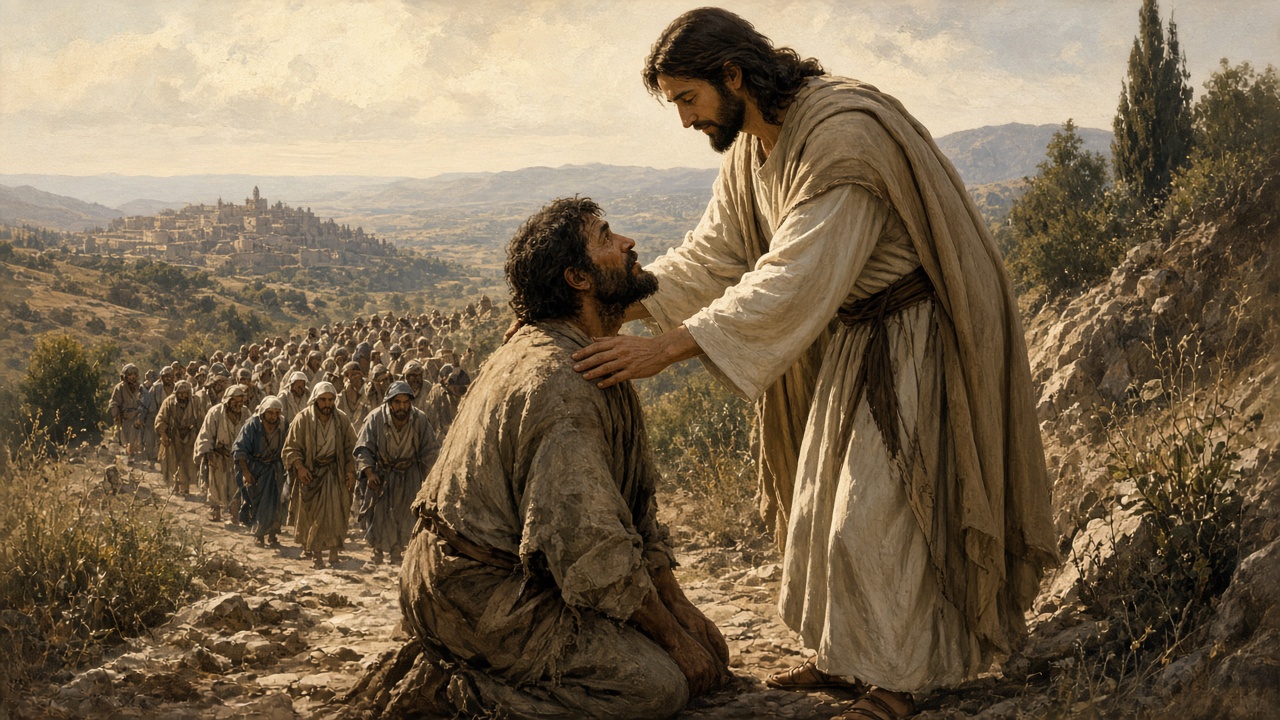
Íjpi chájáávéébeke Jetsóó bóhɨɨtsóne
1Aabée Jetsóó teene cáméhbáutu níítyéébeke mítyame mɨ́amúnaa úraavyéhi. 2Áánáacáa tsaapi íjpi chájááveebe dííbye éllevu itsááne dííbyé lliiñévú ɨmɨ́móúúvéne néé dííbyeke:
—Ávyéjuúbej, ¿aca muhdúiyó teene oke u bóhɨɨtsóne?
3Áánélliihyée neébe:
—Mu ihdyu tehdújucoj. Ehdúu néébere dííbyeke dócárájcóneri tsúúca bóhɨɨ́be. 4Áábekée neébe:
—Tsáma tsaatéké dúúbálledí íñe muhdú u bóhɨɨ́ne. Tsapéhdúré llúúváábe éllevu pééne dííbyedívú dúhjétsámeítyeco. Ááne Moitséeúvúu néhdu Píívyéébeke tsíeméneri ú ɨ́ɨ́cúveé téénetu mɨ́amúnaa iwáájácu u bóhɨ́jucóóne. Ehdúu Jetsóó néé dííbyeke.
Tsodáhómú avyéjúúbé úníu múnáájpikye Jetsóó bóhɨɨtsóne
5Átsihdyúu muha Jetsóoma Capenaóovu meúújeténáa romáánómú tsodáhómú avyéjuube dííbye éllevu itsááne pɨáábó táúmeíhi. 6Neebépeé:
—Ávyéjuúbej, táúníu múnáajpi chémeebe ávyétá ɨhnáhó ɨ́cúbáhrámeíhi. Aabe tsáhájuco íjpi vááúmeítyúne.
7Áánélliihyée Jetsóó nééhií:
—Cána bo o péé o bóhɨ́ɨ́tso dííbyeke.
8Áánélliihyée neébe:
—Avyéjuúbej, muurá íñe tsíjtye múnáajpíyé o íjcyaabe ɨ́dátsó o néébe jávú tsá u ááhɨ́véítyuróne. Áánéllii ihdyu uke o néé íchihdyúré u íhjyúváné tujkéveri dibye ibóhɨɨ́ki. Muurá ó cáhcujtsó dibye bóhɨɨíñe. 9Muurá táavyéjujte oke táuhbáné ó méénuhíjcyáhi. Áhdure tsodáhómuke o táuhbáné méénuhíjcyáme. Muurá tsáápiikye diityédítyú tsiéllevu o wállóócooca peebe téhullévu. Áhdure tsáápiikye o pɨ́úvácooca tsaábe. Áhdure táúníu múnáájpikye tsíeménevu o táuhbáné méénuúbe. Ahdícyane ó waajácú u néécooca táúníu múnáajpi bóhɨɨíñe.
10Ehdúu diibye tsodáhómú avyéjuube nééneri iúllévenútsihdyu neebe tétsihyi íjcyámeke:
—Ɨ́mɨáánetúré o néé tsá muurá tsáápíubáré tamúnaa ijraéémudítyú cáhcújtsotú íñe áánu cáhcujtsódu. 11Ehdu muurá pahúllevátú tsaaímyé mítyame ijraéémú íjcyáturómé íñe áánu romáánómuube cáhcujtsódú ímí Píívyéébeke cáhcújtsoímye. Aame dííbyé avyéjuvu úcaavémé nahbévájcátsií majchóháñeri Aavaráaa, Itsáaa, Jacóóboo, íjcyámema. 12Áánetu ijraéémudítyú mítyame wágóóóveé ícyuuvétsíí pañévú Píívyéébé avyéjutu ímichi diityé wáábyuta íjcyárónetu. Aame tétsihyi ɨ́cúbáhrámeímyé tahíjcyaá íhwáñeene ɨɨ́hdónema.
13Ehdúu iñééné boonétú tsiiñe neebe diibye tsodáhómú avyéjúúbeke:
—Áyu wa dipye dihjyávuj. Óvíi ihdyu u cáhcujtsódú íjcyane úúma díúníu múnáajpi bohɨ́ɨ́hií.
Ehdúu Jetsóó nééné tujkéveríhjyáa tsúúca bóhɨɨ́be.
Péédoró báábeke Jetsóó bóhɨɨtsóne
14Áhdurée dííbyema muha Péédoró javu mepéénáa diibye Péédoró baabe áíívyeri chémelle ícyuwájá pañe. 15Áállekée Jetsóó íhyójtsɨtu ékéévéneri tsúúca bóhɨɨlle múúhakye májchotsóhi.
Mítyámeke Jetsóó bóhɨɨtsóne
16Tépejcóo Jetsóo éllevu tsivámé naavémú ípañe íjcyáneri chéméméhjɨke. Áámé pañétúu ijchívyétsoobe diityéke. Áhdurée tsííñe chémeri íjcyámeke bóhɨ́ɨ́tsoóbe. 17Ehdúu Jetsóó méénuhíjcyá téijyu Píívyéébé ihjyú uubálle múnáajpíhjyáa Itsaíá íllu néhdújuco: “Dííbyere méhdityu páhduváré nééne chémeháñé waagóóhi.” Ehdúhjáa Itsaíá néhdújuco dibye méénuhíjcyáne.
Jetsóoke iúraavyéné ímílleróme
18Áábedívúu téijyu mítyanéjuco mɨ́amúnaa píhcyáávénéllii múúhakye neebe muha únéúcóbá tsiñéjcuvu mepájtyeki. 19Áánáacáa tsaapi taúhbájú uwááboobe dííbye éllevu itsááne nééhií:
—Uwááboóbej, ó imíllé úúmaye o péhijcyáné kiávú u péhullévújuco.
20Áánélliihyée Jetsóó néé dííbyeke:
—Muurá iyámé óówamu íjcyarómé íhyéjúnema téhejújɨ́ pañe icyúwaki. Áhdure wahpéjté ijcyá icyúwáítsɨ́hjɨma. Áánetu muurá íñe Mɨ́amúnáájpidívúu o ípívyééveebe tsá tahjyáúbamáyé o íjcyatúne.
21Áijyúrée idyé tsaapi dííbye déjuri péhíjcyámedítyú néé dííbyeke:
—Ávyéjuúbej, ói o péé llihíyo éllevu. Óvíi ihdyu múijyú óhdivu dsɨ́jɨ́veebe úúmayéjuco o úllehíjcyaki.
22Áárónáacáa Jetsóó néé dííbyeke:
—Óvi ihdyu tsamééré ɨ́mɨájɨ́jtó úráávyetúmé cúúújcatsí ɨdsɨ́jɨ́vécoóca. Wa ihdyu ookéréjuco duráávyej.
Kííjyébama nohjɨ Jetsóó ɨ́hvetétsóne
23Átsihdyúu muha mɨ́ɨ́neri mepéé únéú tsiñéjcuvu. 24Áánáacáa ávyéta tsɨ́jpá nééné kiijyébari mítyane nohjɨ íjcyane múúhakye pámaúcúiyáhi. Áijyúu Jetsóó cuwáhi. 25Áábekée muha ɨ́ɨ́cúi maákyéjtsóne menééhií:
—¡Ávyéjuúbej, meke pájtyetétso! ¡Tsúúca mémájcánuúhi!
26Áánélliihyée neebe múúhakye:
—¿Ɨ́ɨ́neríami ámuha méíllityé ayájú ɨhnáhóhajaj? ¡Tsáháikyéha ímí ámuha mecáhcújtsotú Píívyéébeke!
Ehdúu múúhakye iñétsihdyu kííjyébama nohjɨ íjcyane úhbaabe tene ɨɨ́hvetéki. Ahdújucóo tene ɨ́hveténé dáíhañéréjuco. 27Ehdúu téijyu Jetsóó méénúneri muha meúllévenúne ménéjcatsíhi:
—¿Muubáami aabye íjcyáábeke muhdú kííjyébama nújpacyo lleéboj?
Tsaaté pañe naavémú íjcyane
28Aanée tsúúca muha tsíñejcúeúvú méúújeté Gadáárá iiñújɨvu. Áánáacáa dííbyeke míítyétsi cáhdahɨ́ró naavémú ípañe íjcyamútsí níjkyénéj pɨɨnéréhjáa ícyahíjcyamútsi. Aamútsíhjyáa apííchówu néémutsi tétsii ícyahíjcyánéllii tsá múha tétsii úllehíjcyatúne. 29Aamútsíi Jetsóoke kévádijcyó ílluú:
—¡Múhtsikye ihdyu pátsáríjcyodí Píívyéébé Hajchi u íjcyaábe! ¡Tsáhái muurá ɨ́cúbáhraméi éévé íjcyatúne!
30Áijyúu tétsííj pɨɨhɨ́rí mítyame jéémú meenímú majchóri. 31Áánélliihyée naavémú diityétsí pañe íjcyame Jetsóoke nééhií:
—Múúhakye íjtyétsí pañétú u wáágóóhajchíí aatye méénímú pañévuréjuco muha meújcámeíiñe.
32Áánélliihyée neebe diityéke:
—Wa ihdyu méújcaméí diityé pañévuj.
Ahdújucóo ditye iíjchívyéne újcámeíñé diityé pañévuréjuco. Aamée únéú pañévú cáhtsíñibámé májcanúhi.
33Ehdúu méénímuke tene pájtyéneri diityé tehméjté ávyétá ɨhnáhó íllityéhi. Áánemáa ɨ́ɨ́cúi tétsííj pɨɨhɨ́rí íjcyáméhjɨ éllevu ɨdsɨ́ɨ́néne úúballémé muhdú tene pájtyene. 34Áánélliihyée pámeere tsáácunú Jetsóo éllevu. Aamée dííbyeke néé tétsihdyu muha mepéékií.
Did you know?
Healings, faith, and the sea
- Capernaum, which Jesus enters in this chapter, was a Galilean city not named in the Old Testament. Easton's Bible Dictionary (1897) says it became his “own city” after he left Nazareth, and it lists the centurion’s appeal and the healing at Peter’s house among the events set there.Sources: Capernaum · the Bible text itself
- Jesus says that many will come from east and west to share the banquet with Abraham, Isaac, and Jacob in the kingdom of heaven. Easton's Bible Dictionary (1897) calls Abraham the son of Terah and heir of the promises, Isaac Abraham’s only son by Sarah, and Jacob—also known as Israel—the younger twin son of Isaac and Rebekah.Sources: the Bible text itself · Abraham · Isaac · Jacob (Israel)
- Matthew presents that evening’s healings as fulfilling words spoken through the prophet Isaiah: “He took on our infirmities and carried our diseases.” Easton's Bible Dictionary (1897) identifies Isaiah as the son of Amoz, who prophesied in the reigns of Uzziah, Jotham, Ahaz, and Hezekiah.Sources: the Bible text itself · Isaiah
Notes written with AI assistance from open sources (Theographic Bible Metadata, CC BY-SA 4.0; Easton’s Bible Dictionary, public domain) and reviewed before publishing.
Places in this chapter
- Gadara · Today: Umm Qais · 32.656, 35.679 · verse 28
Only places identified with high confidence are shown (90% or more according to the scholarly sources compiled by OpenBible). Period map: DARE (Digital Atlas of the Roman Empire), CC BY 4.0; modern map: © OpenStreetMap contributors; places: OpenBible.info (CC BY 4.0).
Credits and license for this translation
Píívyéébé ihjyu: jetsocríjyodítyú cáátúnuháámɨ
New Testament in Bora (PE:boa:Bora)
copyright © 2008 Wycliffe Bible Translators, Inc.
Language: Bora
Translation by: Wycliffe Bible Translators, Inc.
Boara [boa], Peru
Copyright Information
© 2008, Wycliffe Bible Translators, Inc. All rights reserved.
This translation text is made available to you under the
terms of the Creative Commons License: Attribution-Noncommercial-No Derivative Works.
( http://creativecommons.org/licenses/by-nc-nd/3.0/ )
In addition, you have permission to port the text to different file formats, as long as you
do not change any of the text or punctuation of the Bible.
You may share, copy, distribute, transmit, and extract portions
or quotations from this work, provided that you include the above copyright
information:
You must give Attribution to the work.
You do not sell this work for a profit.
You do not make any derivative works that change any of the actual words or punctuation of the Scriptures.
Permissions beyond the scope of this license may be
available if you contact
us with your request.
The New Testament
in Bora
© 2008, Wycliffe Bible Translators, Inc. All rights reserved.
This translation is made available to you under the terms of the
Creative Commons Attribution-Noncommercial-No Derivatives license 4.0.
You may share and redistribute this Bible translation or extracts from it in any format, provided that:
You include the above copyright and source information.
You do not sell this work for a profit.
You do not change any of the words or punctuation of the Scriptures.
Pictures included with Scriptures and other documents on this site are licensed just for use with those Scriptures and documents.
For other uses, please contact the respective copyright owners.
2014-04-22
Source: http://ebible.org/boaNT/ · eBible.org