Matthew 11
Píívyéébé ihjyu: jetsocríjyodítyú cáátúnuháámɨ · Tap a verse to see its cross-references.
Tsojtsó múnáajpi Jóáa Jetsóo éllevu wálloomútsi
1Ehdúu Jetsóo muuha 12-meváké iúwáábótsihdyu péé tsiéllevu tééné iiñújɨ́ comíñevu téhulle iúwááboki.
2Áánáacáhjáa cúvéhóójari tsojtsó múnáajpi Jóáa íjcyaabe tsúúca waajácú ehdu Jetsóó méénuhíjcyáne. Áánélliihyéhjáa wálloobe míítyétsikye ímamyémudítyú dííbye éllevu. 3Aamútsíi neevá dííbyeke:
—¿Ava diibyéjuco uu Pájtyetétsoobe éhneváa ííñujɨ́vú u bóhówáávéííbyeke muha meɨ́tsohíjcyaábej? ¿Mityá tsáhái diibye u íjcyatúnej?
4Ehdúu dityétsí Jetsóoke néérónáa neebe diityétsikye:
—Meóómíñe méuubállé Jóááke íñe muhdú o úwááboobe méénúráítyúronéhjɨ́ o méénune ámuhtsi maájtyumɨ́ne. 5Méúúbálleco hállúvátuméhjɨ́ hálluvájucóóne, úllétuméhjɨ́ úlléjucóóne, íjpi chájáávéneri chémeméhjɨ́ bóhɨɨ́ne, lléébótuméhjɨ́ tsúúca lléébone, dsɨ́jɨvémé tsiiñe bóhɨɨ́ne. Áhdure méúúbálleco ɨ́dáátsóméhjɨke pajtyéteju tsúúca úwáábómeíñe. Énehjɨ páneere méúúbálleco dííbyeke. 6Maímijyu ihdyu oke cáhcujtsómé íjcyanej.
7Ehdúu iñééné boone diityétsi déjuvu neebe múúhakye diibye Jóáádityu:
—¿Acáa Jóáá ɨ́ɨ́néubárá píívyétúné iiñújɨri íjcyáábedívú ámuha mepíhcyáávehíjcyácooca muhdú ámuha méɨjtsúcunú dííbyeke? ¿A ámuháa méɨjtsúcunú éhne múúne úmehe kííjyébari vááúmeídyú páhduváré dííbyé ɨ́jtsaméí nééneé? 8¿A tsané ímíyée úcámeíhíjcyaábe? Muuráhjáa tehdu iújcámeícyá tsá ihdícyátsihyi dibye íjcyáítyuróne. Muuráhjáa ávyéjujté jaaháñé pañéiyo diíbye. ¿Aanée muubá ɨ́mɨááné diíbye? 9¿Mityá Píívyéébé ihjyú uubálle múnáajpíi diíbyej? Ɨ́mɨáánée diibyéjuco. Árónáacáa tsíjtyé ehnííñevu diíbye. 10Dííbyedítyú muurá Píívyéébé waajácúháámɨtu nééneé:
Ó pícyoó dɨ́ɨhde tsáápiikye dibye iúúbálle mɨ́amúnáake ditye iímíbáávyéne ímí uke iwáátsúcúpéjtsoki.
11Aane ɨ́mɨááné tsá dííbyedu tsijtye néétune. Árónáa níjkyéjɨri íjcyaabe Píívyéébé avyéjúejtédítyú ɨ́ɨdáátsoobe íjcyároobe avyéjúúlléméií diibye Jóáá ehnííñevu.
12Diibyée muurá Jóáa úwáábótsihdyu íñe ícyoocávú teene Píívyéébé avyéjuvu iúcaavéné ímíllémema ténejcu ímílletúmé múhdurá ícyahíjcyáhi. 13Muuráhjáa pámeere Píívyéébé ihjyú uubálle múnaa éíjyuúvú íjcyame téijyútújuco íhjyúvahíjcyáné dííbyé avyéjuri. Áhdurée Moitséeúvú ihjyúvahíjcyá téénetu. Áámé nihñéejpíyée muurá diibye Jóáa bóhówaavéhi. 14Aane ámuha mecáhcújtsóhajchíí mécahcújtsó Jóáa Eríá íjcyane éhnée Píívyéébé ihjyú uubálle múnaa tsiiñe dibye bóhówááveíñé néhíjcyaábe. 15Aane ihdyu óvíi ɨ́mɨááné lléébome icyáhcújtsóne tehdu ijcyáhi.
16Ahdícyane ¿aca muutédívú íñe ámuuha íícyoocá múnáake ó meménúiyáhi? Íhya tsɨɨmedivuj. Muurá múúne lláhájtsɨri ɨ́ɨ́cume úhbácatsíhijcyádú ámuha páhduváré médárɨ́ɨ́vémeíhijcyáhi. 17Muurá múúne íllu úhbácatsíhijcyáme: “Chiiyóró mellíjchúrónáa tsá ámuha meímílletú mewáhtsɨne tééneri. Áhdure máátyóba májtsí memájtsívárónáa tsá ámuha meímílletú mekímoovéne.” Ehdu múúne tsɨɨme úhbácatsíhijcyámé íjcyadu muurá ámuúha. 18Muuráhjáa Jóáa tsá mítyane máchohíjcyatúne. Áhdurée tsá dibye ádohíjcyatú bíínojpácyo. Áánetúu dííbyedítyú ámuha ménehíjcyá mééííbye íjcyáábé pañe naavéné íjcyánéllii ehdu dibye nééneé. 19Áábé boonétúu ó bóhówaavé Mɨ́amúnáájpidívú o ípívyééveébe. Aabe panéváré o májchoobe téhdure ó adó bíínojpácyo. Áánetu idyé ílluréjuco óhdityu ámuha menéhijcyáné oova majchópíwu adópíwu o nééneé. Áhdure ámuha óhdityu ménehíjcyá oova ávyéjúúbé wáábyuta íjcyáne dsɨ́ɨ́dsɨ́ ahdótso múnaa ímityúmé íjcyámedívú o náhbévahíjcyáne. Árónáa tene pánéévénetúi méwaajácuú keená ɨ́mɨááné íjcyane. Ehdúu neebe Jetsóo.
Lléébópítyúné mɨ́amúnaa
20Aabée tsáijyu ihjyúvá mítyane méénúráítyúronéhjɨ́ imyéénuhíjcyá coomíjɨ múnáadítyú ditye íimítyú ɨ́hvejtsópítyúnetu. 21Neebépeé:
—¡Máɨdáátsoju tsáma tene pájtyeíñé Coratsíii, Betsáidaa, íjcyácoomícyu múnáake! Muurá íñe méénúráítyúronéhjɨ́ o méénuhíjcyánée Tííroó, Tsidóoo, íjcyácoomícyuvu o méénuca tsúúca téijyúré técoomícyu múnaa íimítyú ɨɨ́hvéjtsóne ɨ́mɨánejcúvuréjuco ɨ́búwáávéiyóne. Aamée muurá íatérééjahjɨ́vú iújcámeíñe bállííjyuri ávúhcúiyá teene ɨɨ́hvéjtsóné uubálle. 22Áánéllii muurá ditye ɨ́cúbáhrámeíñé ehnííñevu ɨ́cúbáhrámeíimye diitye Coratsíii, Betsáidaa, íjcyácoomícyú múnaa muhdú mɨ́amúnaa ícyahíjcyáné Píívyéébe nihñéétsihvúré diityémá ímíbájchócoóca. 23Ahdu muurá téhdure Capenaóo múnáake pajtyéiñe eene múhdumé ‘mityáhmítyá’ tsíñáávehíjcyámeke. Ɨjtsúcunúméubá ɨɨ́htsútúúvéiyóne. Áánerá íllure wágóóóveímyé cúújúwá panévu. Muurá íñe méénúráítyuróné o méénuhíjcyánée Tsodóóma múnáama éíjyuúvú o méénuca íimítyú ɨɨ́hvéjtsóne ímíjpyetéiyóme. Aacáa muurá ícyoocápíi íjcyáíyocóómi. 24Aane muurá diitye Capenaóo múnaa ávyétá ɨhnáhó ɨ́cúbáhráméií técoomí múnaápe ɨ́cúbáhrámeíñé ehnííñevu Píívyéébe muhdú mɨ́amúnaa ícyahíjcyáné ímibájchócoóca.
Méimítyutu meke Jetsóó állíjchutsóne
25Téijyúu Cááníma íllu íhjyúvaábe:
—Ayúju Táácááni Píívyéébeéj, níjkyejɨɨ, ííñujɨɨ, íjcyane páné aabájaabéré u íjcyaábej, uke téhdújtsoobéré ó duurúvá ɨ́mɨáájú ɨdáátsojtédívúré u bóhówátsohíjcyáné hallúvu. Áánetu tehdújuco tsá waajácu múnaa iíjcyane ɨ́tsúcunúmeíhíjcyámedívú u bóhówájtsotú teéne. 26Ahdícyane ihdyu, Lli, óvíi ehdu teene muhdú u ímillédu.
27Ehdúu Cááníma iíhjyúvátsihdyu neébe:
—Muuráhjáa ihdyu Llihíyó oke picyóó tajtyééveri mɨ́amúnáake iwáájácútso muhdú diityédítyú ɨɨ́jtsámeíñe. Tsá muurá múha wáájácutú dííbyé Hajchi o íjcyáábé ɨ́jtsaméi. Apáábyéré diibye Llihíyó waajácú muhdú o íjcyane. Áhdure idyé apáábyéré ó waajácú muhdú dibye íjcyane. Áhdure teene tsaatédívú o bóhówajtsóméré waajácúhi. 28Ahdícyane cáhawáá ookéréjuco méuráávyé ɨ́dátsó múhdurá ámuha meícyahíjcyánetu ámúhakye o állíjchútsoki. 29Muurá íñe ɨ́dátsó tsaɨ́ɨ́buwáré o íjcyaabe ámúhakye o úwaabóné tsáma mewáájáne tehdu méíjcyaco. Áijyu ihdyu ɨ́ɨ́né imíjyaú ámuha méíjcyaáhi. 30Tsáháturo tene ɨ́hnáhootú ehdu ámúhakye o nééne ámuha meúráávyéiyóne. Ehdúu neebe Jetsóo.
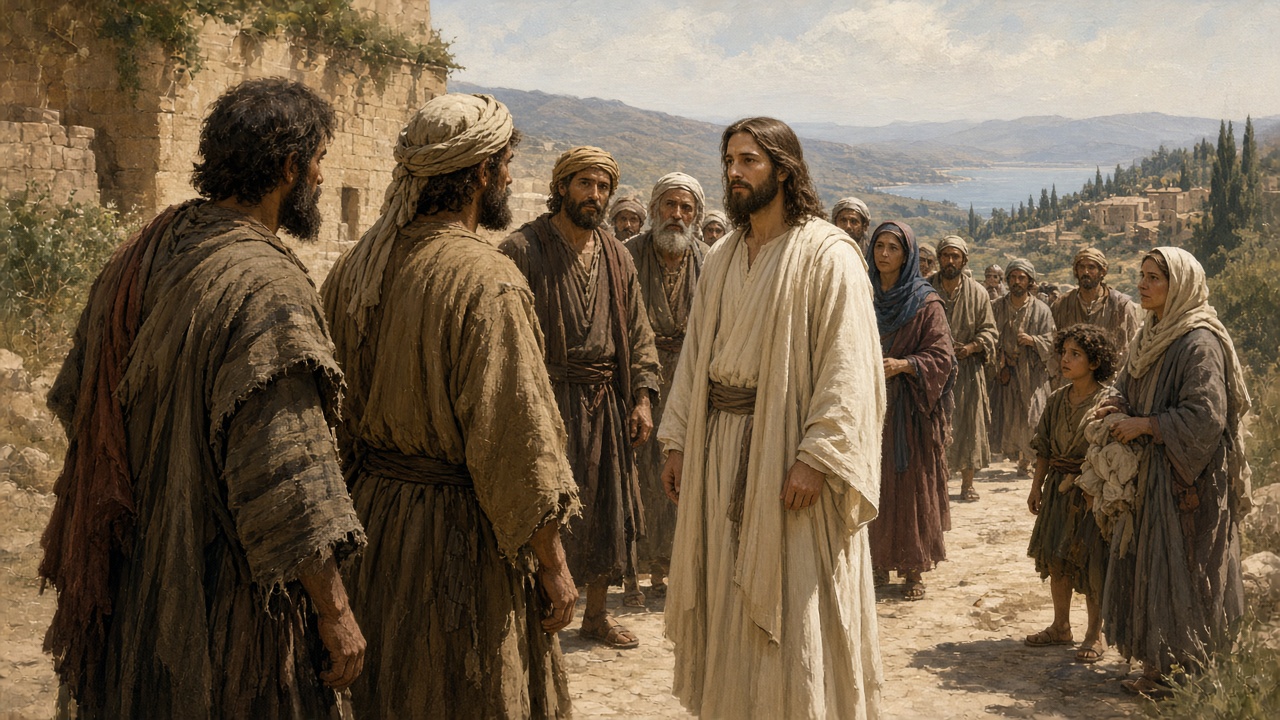
Did you know?
John's question and the cities that did not repent
- From prison, John sent his disciples to ask whether Jesus was the one who was to come. Jesus told the crowds that John was more than a prophet—the messenger sent ahead to prepare the way—and, if they were willing to accept it, the Elijah who was to come. A Bible dictionary calls John the forerunner and says his mission was already the subject of prophecy, citing Isaiah 40:3 and Malachi 3:1; it also introduces Elijah as the Elias of the New Testament.Sources: the Bible text itself · John the Baptist · Elijah
- Jesus then denounced Chorazin, Bethsaida, and Capernaum, where most of his miracles had been performed, because they did not repent. A dictionary identifies Chorazin with modern Kerazeh, about two and a half miles up the Wady Kerazeh from Capernaum, and says that Capernaum, absent from the Old Testament, became Jesus' own city after he left Nazareth. It places Bethsaida on the east side of the lake, two miles up the Jordan in Gaulonitis, enlarged by Philip the tetrarch and named Julias after the emperor's daughter, though some have supposed there was only one Bethsaida, near where the Jordan enters the lake.Sources: the Bible text itself · Chorazin · Capernaum · Bethsaida
- He set those cities against Tyre and Sidon, which he said would have repented long ago in sackcloth and ashes, and against Sodom, which he said would have remained to this day. Sidon, on the Mediterranean coast about twenty-five miles north of Tyre, was the oldest Phoenician city there and the mother city of Tyre. A dictionary says the commerce of the whole world was gathered into Tyre's warehouses, and that Sodom, in the vale of Siddim, was destroyed by fire from heaven so completely that no trace of it has been found.Sources: the Bible text itself · Sidon · Tyre · Sodom
Notes written with AI assistance from open sources (Theographic Bible Metadata, CC BY-SA 4.0; Easton’s Bible Dictionary, public domain) and reviewed before publishing.
Places in this chapter
- Galilee · 32.760, 35.527 · verse 1
- Sidon · Today: Sandikli archaeological site in Sidon · 33.561, 35.372 · verses 21, 22
- Tyre · 33.271, 35.196 · verses 21, 22
Only places identified with high confidence are shown (90% or more according to the scholarly sources compiled by OpenBible). Period map: DARE (Digital Atlas of the Roman Empire), CC BY 4.0; modern map: © OpenStreetMap contributors; places: OpenBible.info (CC BY 4.0).
Credits and license for this translation
Píívyéébé ihjyu: jetsocríjyodítyú cáátúnuháámɨ
New Testament in Bora (PE:boa:Bora)
copyright © 2008 Wycliffe Bible Translators, Inc.
Language: Bora
Translation by: Wycliffe Bible Translators, Inc.
Boara [boa], Peru
Copyright Information
© 2008, Wycliffe Bible Translators, Inc. All rights reserved.
This translation text is made available to you under the
terms of the Creative Commons License: Attribution-Noncommercial-No Derivative Works.
( http://creativecommons.org/licenses/by-nc-nd/3.0/ )
In addition, you have permission to port the text to different file formats, as long as you
do not change any of the text or punctuation of the Bible.
You may share, copy, distribute, transmit, and extract portions
or quotations from this work, provided that you include the above copyright
information:
You must give Attribution to the work.
You do not sell this work for a profit.
You do not make any derivative works that change any of the actual words or punctuation of the Scriptures.
Permissions beyond the scope of this license may be
available if you contact
us with your request.
The New Testament
in Bora
© 2008, Wycliffe Bible Translators, Inc. All rights reserved.
This translation is made available to you under the terms of the
Creative Commons Attribution-Noncommercial-No Derivatives license 4.0.
You may share and redistribute this Bible translation or extracts from it in any format, provided that:
You include the above copyright and source information.
You do not sell this work for a profit.
You do not change any of the words or punctuation of the Scriptures.
Pictures included with Scriptures and other documents on this site are licensed just for use with those Scriptures and documents.
For other uses, please contact the respective copyright owners.
2014-04-22
Source: http://ebible.org/boaNT/ · eBible.org