John 7
Píívyéébé ihjyu: jetsocríjyodítyú cáátúnuháámɨ · Tap a verse to see its cross-references.
Íñahbémú Jetsóoke cáhcújtsotúne
1Ááné boonétúu muha Jetsóoma mépehíjcyá pahúlleváré Gariréá iiñújɨri. Tsáháa dibye ímílletú Jodéá iiñújɨri iíjcyane téhullé ávyéjujtée dííbyeke dsɨ́jɨ́vétsóllehíjcyánélliíhye. 2Árónáacáa téijyu ‘nújuwááné wañéhjɨ’ némeíñé lleeváríjyuco íjcyánéllii íñahbémú néé dííbyeke:
—Wa bo ihdyu dipye Jodéá iiñújɨvu ukée cáhcujtsómé téhulle íjcyame iájtyúmɨ méénúráítyúronéhjɨ́ u méénuhíjcyáne. 4Muurá ehdu nénehjɨ méénuhíjcyaabe tsá téévéneúvú méénúítyuró dííbyeke pame wáájacúné iímílléhajchííjyu. Aanéjɨ́ɨ́va wa ihdyu méénuhíjcyá uke mɨ́amúnaa iwáájácuki.
5Ehdúu íñahbémú Jetsóoke néé dííbyeke téhdure icyáhcújtsótúnélliíhye. 6Áánélliihyée neebe diityéke:
—Árónáa téhullévú o pééíñe éévéi tsá úújetétúne. Ámuha ihdyu mépiivyété ihdícyáijyúré téhullévú mepééneé. 7Muurá ámuha tsamééré ɨ́jɨ múnaa meíjcyame tsá metsárílléjcatsítyú tsahdúré ámuha menéénélliíhye. Áánetu oke tsaríllémé ditye ímityúné ícyahíjcyáné diityédívú o bóhówátsohíjcyáné hallútu. 8Áánéllii wái ámuháyé méuubámyenuj. Óvíi ihdyu taéévé úújeté o péékií.
9Ehdúu Jetsóó íñahbémuke iñééne coévá tétsihvúré Gariréá iiñújɨvu.
Wañéhjɨri Jetsóó íjcyane
10Aabée bóónétúi íñahbému déjutu teene wañéhjɨvu péébema muha mepééhií. Árónáacáa tsá boohówáneúvu dibye úújetétúne. Wáájácúratúnée tétsii diíbye. 11Áijyúu ávyéjujte néhcohíjcyá dííbyeke. Díllohíjcyámée pamévakéré caabyé dibye íjcyane.
12Áábedítyúu mɨ́amúnaa ihjyúvahíjcyá páhduváre. Tsaatée nehíjcyá ɨ́mɨáábé dibye íjcyane. Árónáacáa tsijtye nehíjcyá ímítyuube íjcyaabe íllure mɨ́amúnáake állihíjcyáne.
13Ehdúu dííbyedi téévéneúvúré ihjyúvahíjcyámé ávyéjujtédí iíllityénema.
14Aabée Jetsóó wañéhjɨ́ pɨ́néévénáa duurúvájá pañévú úwaabóhi. 15Aanée imíwu dibye úwáábóneri diitye ávyéjujte iúllévenúne néé dííbyedítyu:
—¿Aca kiátú aadi ehdɨ́ɨ́vaíñé wáájacúné waajácúháámɨ́ubárée ɨ́ɨ́tehíjcyáábejɨ́ɨ́vari?
16Áánélliihyée neebe diityéke:
—Tsá oore táɨ́ɨ́búwá ɨ́jtsaméityu o újcune o úwáábotúne. Muurá ihdyu okée wállóóbé uwáábóré teéne. 17Aane cáhawáá óvíi dibye ímillédú íjcyame waajácú kiátú tsááné uwáábó o méénuhíjcyáne. 18Muurá tsaate íhdityúré iújcune úwaabó diityéké mɨ́amúnaa iávyéjújtsokíye. Áánetu ihdyu okée wállóóbeke iávyéjujtsóné ímillémé ɨ́mɨááné tehdújuco úwáábohíjcyáne.
19Muuráhjáa Píívyéébe muhdú ámuha meíjcyáíñé taúhbajúvú ámúhakye ajcú Moitséeúvuj tééveri. Árónáa muurá tsá ámuha tsaatéubáré tene néhdu meíjcyatúne. Aame ¿ɨ́ɨ́né hallútú ámuha méimíllé oke mellííhyanúne?
20Áánélliihyée tétsii íjcyame néé dííbyeke:
—Naavénéhaca dípañe. ¿Aca múha uke imíllé illííhyanúne?
21Áánélliihyée neebe diityéke:
—Ááneráhjáa tsáneere wáyeéévejcóójɨ́ tsáápiikye o bóhɨɨtsóné múhdurá ámúhakye pajtyéhi. 22Árónáacáa muurá Píívyéébe Moitséeúvuj tééveri méénútúróné taúhbaju ámúhá ɨhdé múnáaúvú méénuhíjcyádújuco wápíj tsɨɨméneke ámuha tsáijyu wáyeéévejcóójɨ́ íjcyaróné mekíhdyahɨ́rótsohíjcyáne. 23Ehdu muurá téhdure ámuha méméénuhíjcyá tsáijyu wáyeéévejcóójɨ́ íjcyaróné teene taúhbaju ámuha mewáágóótuki. Aame ¿ɨ́veekí muhdú ámuha menééne óhdi méijyácunúhijcyá tsáápiikyérée téjcoojɨ o bóhɨ́ɨ́tsóné hallútu? 24Tsá múu peecútéré tsáápiikye ‘íllu uú’ néétune. Ɨ́mɨááné múu dibye íjcyanéjuco nééneé.
Muubá iíjcyane Jetsóó nééneé
25Ehdúu Jetsóó néénéllii Jerotsarée múnaa néjcatsíhi:
—¿Aca tsá éhne áábyeke ditye néhcohíjcyatú ɨdsɨ́jɨ́vétsoki? 26Áróóbeke ¿keená tsaatéubáré ɨɨná nééneé? Áánélliihyéubá bo ávyéjujte íjcyarómé cáhcujtsó ɨ́mɨááné diibyéjuco mɨ́amúnáake pájtyetétsóiibye Críjto dibye íjcyane. 27Árónáacáubá tsá diibye íjcyatúne. Muurá méwaajácú kiá múnáajpí dibye íjcyane. Muurá ihdyu mɨ́amúnáake pájtyetétsóiibye tsáácooca tsá múha wáájácúityú kiátú dibye tsááneé.
28Ehdúu Jetsóodítyú ditye íhjyuváné iwáájácúne duurúvájá pañévú iúwáábótsihvu neébe:
—¿A ámuhává éhne méwaajácú kiá múnáajpí o íjcyane? Árónáacáa tsá oore táɨ́ɨ́búwaríyé o tsáátune. Muuráhjáa o tsáá ɨ́mɨáábé íjcyáábeke ámuha mewáájácútuube oke wállóónélliíhye. 29Áánetu ihdyu ó waajácú dííbyeke okée wállóóbeke.
30Ehdúu Jetsóó nééné hallútú imíllerómé dííbyeke iékeevéne. Árónáacáa tsá ditye ékéévetú iéévéi úújetétúnélliíhye. 31Áróóbekée tsijtye mítyame cáhcujtsómé néjcatsíhi:
—¿Aca íhya tsijpi itsááca áánú ehnííñevu méénúráítyúronéhjɨ́ méénúiyáhi?
Paritséómú Jetsóo éllevu ekééve múnáake wálloóne
32Aanéhjáa dibye méénuhíjcyánéhjɨri mɨ́amúnaa íhjyúvahíjcyáné paritséómú lleebóhi. Aanéhjáa múhdurá llúúvájté avyéjujtémá diityéké pájtyénéllii wallóómé duurúvájá tehméjteke dííbye éllevu ditye iékéévéébeke itsájtyeki. 33Aamée dííbyedívú wájtsɨ́náa pámeekéré neébe:
—Tsá ámúhama múhajchótá o íjcyáityúne. Muurá wahájchotáré o íjcyátsihdyu ó oomíjyúcoó okée wállóóbe éllevu. 34Áijyu muurá ámuha oke menéhcorómé tsá maájtyúmɨ́ityú kiá o íjcyáhullévú ámuha meúújetéítyúrónélliíhye.
35Áánélliihyée tsaate néjcatsíhi:
—¿Aca íhya kiávú péébeke maájtyumɨ́júcóóityúné eene neébe? Íhya mityá íñe kiáhjɨ́ tsííñé iiñújɨ múnáá pañe memúnaa jodíómú mújtáme éllevúréjuco dibye pééiñe. 36¿Aca íhya tsáma muhdú nééiñe eene meke neebe dííbyeke menéhcorómé dibye íjcyáhullévú meúújetéítyuróne?
Píívyéébé Apííchó Jetsóoke cáhcújtsómé pañévú úcaavéne
37Aanée nihñéejcóójɨréjuco tsúúca teene wañéhjɨ́ pájtyéijcyóójɨ́ Jetsóó kéévánécoba nééhií:
—Tsaate ádópivyémé taéllevu metsa o íjchoki. 38Muurá Píívyéébé waajácúháámɨtu nééne oke cáhcújtsómé ɨ́buúúné pañévú téhiñe ípívyééveíñé íñujpácyó bohɨ́ɨ́vú ájcúnéj tehíñe.
39Ehdúu nehíjcyaabe dííbyeke cáhcújtsómé pañévú Píívyéébé Apííchó úcaavéné diityéké túkévéjtsoíñé iñééiyóne. Árónáacáa tsáhái téijyu tene tsááíñe éévé úújetétú diibyée Jetsóó teene wállóóiibye íavyéjuvúi óómítyúnélliíhye.
Pahdúváré Jetsóodítyú mɨ́amúnaa ɨ́jtsámeíñe
40Aanée tsaate dibye íhjyuváné illéébóne nééhií:
—Ɨ́mɨáánéha diibyéjuco aabye éhneváa Píívyéébé ihjyú uubálle múnáajpi tsááiíbye.
41Téhdurée tsijtye nééhií:
—Diibyéjuco muurá aabye Críjto éhneváa mɨ́amúnáake pájtyetétsóiíbye.
Árónáacáa tsijtye nééhií:
—Árónáa Gariréá iiñújɨ múnáajpi tsá Críjto íjcyáítyuróne. 42Muurá Píívyéébé waajácúháámɨtu nééne Dabíiúvúj tsɨɨménémúhaabe dibye íjcyaíñé dííbyeúvúhjáa ícyahíjcyacóómí Berée múnáajpi.
43Ehdúu mɨ́amúnaa páhduváré ɨ́jtsámeí Jetsóodítyu. 44Áijyúu tsaate imíllerá dííbyeke iékeevéne. Árónáacáa tsá ditye tehdu méénutúne.
Ávyéjujte tsá Jetsóoke cáhcújtsotúne
45Aanée diitye duurúvájá tehméjté dííbyeke iékééve tsáárome íévejtéré oomíhi: Aaméhjáa diitye paritséómuma llúúvájté avyéjujtédívú úújetémeke népejtsóme:
—¿Kiávújuco diíbyej? ¿Ɨ́veekí tsá ámuha metsívatúne?
46Áánélliihyéhjáa néémeé:
—¿Muhdú ɨ́ɨ́né hallútú méékééveé túútaváné íhjyúváábekéjɨ́ɨ́vari? Tsá muurá múha múijyú tehdu íhjyúvatúne.
47Áánélliihyéhjáa nééme diityéke:
—Áánélliihyéha íllure ámuha dííbyedívú máállítsámeíhi. 48Tsá muurá avyéjujte íjcyárómedítyú tsaatéubáré cáhcújtsotú dííbyeke. Téhdure muha meíjcyarómé tsá mecáhcújtsotúne. 49Apáámyéré ihdyu ímityúmé Píívyéébé taúhbaju wáájácutúmé ɨjtsúcunú diibyéjuco Críjto íjcyane.
50Ehdúhjáa ditye néénéllii diityéejpi Nicodéémó tsápejcóo Jetsóoke ááhɨ́véjeebe néé diityéke:
—Muurá taúhbaju néé tsá peecútéré tsáápihdívú meɨ́cúbáhrátsóityú dibye ɨɨná méénune ímíñeúvú mewáájácútúhajchííjyu.
52Áánélliihyéhjáa nééme dííbyeke:
—¡Úubá bo téhdure Gariréá iiñújɨ múnáajpij! Cáhawáá Píívyéébé waajácuháámɨ́ dehve u wáájácu tsá muurá Gariréá iiñújɨ múnáadítyú dííbyé ihjyú uubálle múnáajpi íjcyaíñé némeítyúne. 53Ehdúhjáa dííbyeke iñééne ihjyáhañévuréjuco ditye pééneé.
Did you know?
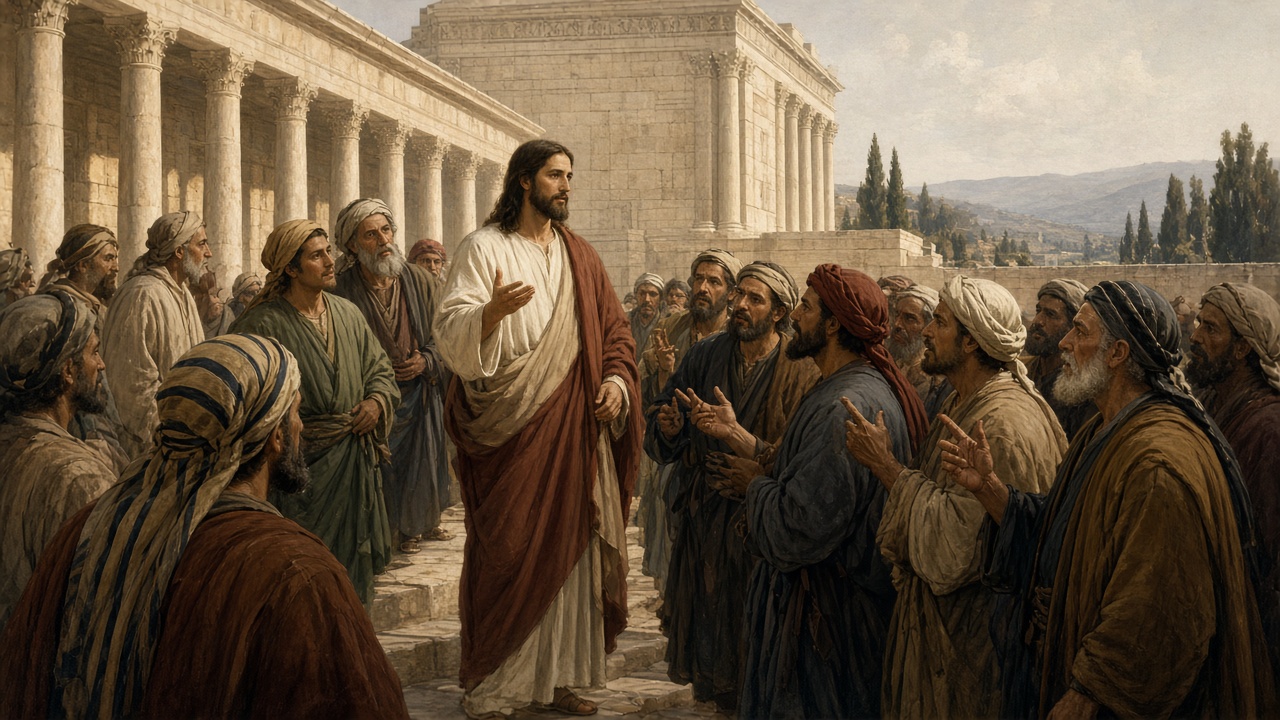
Jesus at the Feast of Tabernacles
- As the Jewish Feast of Tabernacles, a seven-day feast, drew near, Jesus stayed in Galilee and avoided Judea, where people were trying to kill him. In his time Judea was the southernmost of the three Roman divisions of Palestine, distinct from Galilee and Samaria; he later went up to the feast in secret and taught in the temple courts.Sources: the Bible text itself · Feast of Tabernacles · Judea
- The crowds were divided over where the Christ would come from. Some said that Scripture places him in David's line and in Bethlehem, the village where David, the eighth and youngest son of Jesse, lived; others objected that he could not come from Galilee, a region long called Galilee of the Gentiles, and the Pharisees insisted that no prophet comes from there.Sources: the Bible text itself · David · Galilee
- Nicodemus, a Pharisee and a member of the Sanhedrin, had earlier come to Jesus at night. When the officers sent to arrest Jesus returned without him, Nicodemus protested and asked whether their law condemned a man before hearing him and finding out what he had done.Sources: the Bible text itself · Nicodemus
Notes written with AI assistance from open sources (Theographic Bible Metadata, CC BY-SA 4.0; Easton’s Bible Dictionary, public domain) and reviewed before publishing.
Places in this chapter
- Galilee · 32.760, 35.527 · verses 1, 3, 9, 41, 52
- Judea · Today: Judea 1 · 31.777, 35.234 · verses 1, 3
- Jerusalem · 31.777, 35.234 · verse 25
- Bethlehem · 31.704, 35.208 · verse 42
Only places identified with high confidence are shown (90% or more according to the scholarly sources compiled by OpenBible). Period map: DARE (Digital Atlas of the Roman Empire), CC BY 4.0; modern map: © OpenStreetMap contributors; places: OpenBible.info (CC BY 4.0).
Credits and license for this translation
Píívyéébé ihjyu: jetsocríjyodítyú cáátúnuháámɨ
New Testament in Bora (PE:boa:Bora)
copyright © 2008 Wycliffe Bible Translators, Inc.
Language: Bora
Translation by: Wycliffe Bible Translators, Inc.
Boara [boa], Peru
Copyright Information
© 2008, Wycliffe Bible Translators, Inc. All rights reserved.
This translation text is made available to you under the
terms of the Creative Commons License: Attribution-Noncommercial-No Derivative Works.
( http://creativecommons.org/licenses/by-nc-nd/3.0/ )
In addition, you have permission to port the text to different file formats, as long as you
do not change any of the text or punctuation of the Bible.
You may share, copy, distribute, transmit, and extract portions
or quotations from this work, provided that you include the above copyright
information:
You must give Attribution to the work.
You do not sell this work for a profit.
You do not make any derivative works that change any of the actual words or punctuation of the Scriptures.
Permissions beyond the scope of this license may be
available if you contact
us with your request.
The New Testament
in Bora
© 2008, Wycliffe Bible Translators, Inc. All rights reserved.
This translation is made available to you under the terms of the
Creative Commons Attribution-Noncommercial-No Derivatives license 4.0.
You may share and redistribute this Bible translation or extracts from it in any format, provided that:
You include the above copyright and source information.
You do not sell this work for a profit.
You do not change any of the words or punctuation of the Scriptures.
Pictures included with Scriptures and other documents on this site are licensed just for use with those Scriptures and documents.
For other uses, please contact the respective copyright owners.
2014-04-22
Source: http://ebible.org/boaNT/ · eBible.org