John 3
Píívyéébé ihjyu: jetsocríjyodítyú cáátúnuháámɨ · Tap a verse to see its cross-references.
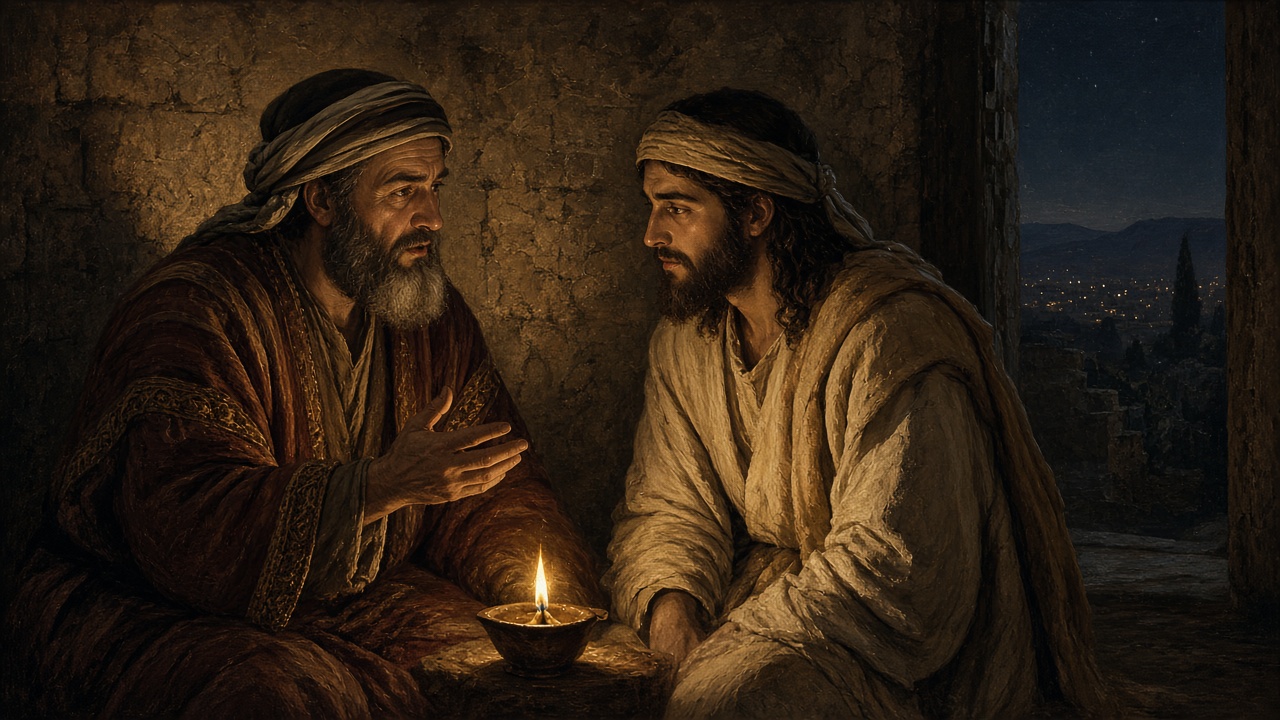
Jetsóoma Nicodéémó íhjyuváne
1Íjcyaabée tsaapi paritséómuube Nicodéémó ɨ́htsútuube íjcyaábe. 2Aabée tsápejco Jetsóo éllevu itsááne néé dííbyeke:
—Uwááboóbej, muha méwaajácú múúhá uwáábovúu Píívyéébe uke wálloóne. Aabe úúma íjcyánéllii muurá ú méénuhíjcyá méénúráítyúronéhjɨ́ múha méénúítyuróne.
3Áánélliihyée Jetsóó nééhií:
—Ɨ́mɨáánetúré uke o néé béhnétu u tsɨ́ɨ́mávámeítyúhajchíí tsá Píívyéébé avyéjúejpi u íjcyáityúne.
4Áánélliihyée neebe dííbyeke: ¿Aca múhdutú keeméjuco meíjcyaabe tsiiñe méétsɨ́ɨ́jú ɨ́ɨ́búwá pañévú méúcáávéiyá dille meke ɨtsɨ́ɨ́máva bɨwáhdúré tsɨ́ɨ́mene meíjcyaki?
5Áánélliihyée Jetsóó nééhií:
—Ɨ́mɨááné uke o néé Píívyéébé Apííchoj tééveri ímíbaavyémé béhnétu tsɨ́ɨ́mávámeítyúmé tsá dííbyé avyéjúejte íjcyáityúne. 6Muurá mɨ́amúnaa tsɨ́ɨ́mávámé pañe diityé ɨ́jtsaméíyé ijcyáhi. Áánetu Píívyéébé Apííchó ɨ́ɨ́jtsaméí cápáyoácómé ténejcúriyéjuco ɨ́jtsámeíñe. 7Ahdícyane tsájúréévedí tsiiñe metsɨ́ɨ́mávámeíñé uke o nééneri. 8Muurá íñe uke o nééne kííjyebádu. Tsá muurá ámuha mewáájácutú kiátú kííjyeba tsááne kiávú péhijcyáne. Tehdu muurá Píívyéébé Apííchó maájtyúmɨ́turóné meke ímíbajchóhi.
9Áánélliihyée Nicodéémó nééhií:
—¿Muhdúami íhya tsáma teénej?
10Áánélliihyée Jetsóó néé dííbyeke:
—¿Aca muhdú ijraéémú uwááboobe u íjcyaabe tsá u wáájácutú uke o nééneé? 11Muurá ɨ́mɨááné o ájtyumɨ́né ímí o wáájacúné íñe ámúhakye ó úúballéhi. Árone ¿ɨ́veekí tsá ámuha mecáhcújtsotúne? 12Muurá ííñújɨri íjcyánéhjɨtu ámúhakye ó úwáábohíjcyá ámuha ímíñeúvú mewáájácúroki. Árónáa íllure ámúhakye túhútsohíjcyáne. Aanéjɨ́ɨ́ awáá muhdú ámuha méwaajácuú Píívyéébé icyánéjcutu ámúhama o íhjyuváne.
13Tsá muurá múha úújetú dibye íjcyáhulle. Apáábyéré ihdyu Mɨ́amúnáájpidívúu o ípívyééveebe téhullé múnáájpi o íjcyánéllii ó waajácú téhulle. 14Muuráhjáa ɨ́ɨ́néubárá píívyétúné iiñújɨri iíjcyácooca Moitséeúvú picyóó úméhéí nɨ́jcáutu ííñimyéké úwááñéityu iñíjcyóóbeke páñétúejpi ɨ́hdome dííbyeke ɨɨ́ɨ́téne ɨdsɨ́jɨ́vétuki. Ahdu muurá oke Mɨ́amúnáájpidívúu o ípívyéévéébeke páwachéketu pícyooímyé oke cáhcujtsómé múijyú ɨdsɨ́jɨvéjúcóóítyúne bóhɨ́ iújcuki.
Mɨ́amúnáake mítyane Píívyéébe wájyune
16Muuráhjáa Píívyéébe mítyane mɨ́amúnáake iwájyúnéllii Ílli apáábyéré íjcyáábeke wallóó ííñujɨ́vú dibye ɨdsɨ́jɨ́ve diityé wájyuri ditye iwágóóóvétu teene cáhcujtsómé múijyú ɨdsɨ́jɨvéjúcóóítyúne bóhɨ́ iújcuki. 17Tsáháa Píívyéébe oke wállootú mɨ́amúnáake ɨɨ́cúbáhraki. Muuráhjáa ihdyu oke wálloobe tajtyééveri diityéké ipájtyetétsoki.
18Aane oke Píívyéébé Hájchikye cáhcújtsómé hallúrí tsá ɨɨná íjcyatúne. Áánetu apáábyéré dííbyé Hajchi o íjcyáábeke cáhcújtsótúmeke ɨ́cúbáhráiíbye. 19Ehdu pajtyéiñe peetédúu o néébe ííñujɨ́vú o tsááne cáhcújtsotúmé ímityúné méénuhíjcyámeke. 20Muurá ímityúné méénuhíjcyámé íllure oke tsaríllé ɨ́mɨáájuvu diityéké o wáájácútsóíyónáaáca. Aame tsá ímílletú óhdivu ɨpɨ́ɨ́hɨne diityé imítyú o bóhówajcáróné iímíllétúnema. 21Áánetu ihdyu ímí iíjcyane ímilléméjuco taéllevu tsááne téénetu tsijtye iwáájácu ɨ́mɨááné Píívyéébe ímillédú ditye íjcyane.
Tsojtsó múnáajpi Jóáa Jetsóó iíjcyatúné tsiiñe nééneé
22Ehdúu Jetsóó nééné boonétú muha mepéé Jodéá iiñújɨvu. Áhullée muha meíjcyánáa dibye úwaabóné cáhcujtsóméjuco tsójtsómeíhijcyáne. 23Ááné tujkéveríhjyáa idyé tsojtsó múnáajpi Jóáa téhdure uwáábohíjcyá Enóori Tsaríí cóómíj pɨɨhɨ́rí íjcyácóómiyi. Áábedívúhjáa mɨ́amúnaa píhcyáávémedítyú dííbyé uwáábó cáhcújtsómeke tsótsohíjcyaabe tétsihdyu íjcyáhityu. 24Téijyúu tsáhái dííbyeke ditye cúvéhoojánutúne.
25Aanéhjáa tsáijyu dííbyé mamyémudítyú tsaate tsíjtyema táhjácatsíhijcyá muhdú meímíjpyeténeri. 26Áánáacáhjáa diibye Jóááke ímamyémú nééhií:
—Uwááboóbej, éhnée Joodáá ehnéjcuri maájtyúmɨ́ɨ́bedítyú múúhakye u úúbállehíjcyaabéha téhdure tsótsohíjcyáábe éllevu mítyame pehíjcyáhi.
27Áánélliihyéhjáa neebe diityéke:
—Muurá ihdyu Píívyéébe dííbyeke pícyóóné wákimyéíjyuco dibye méénune. 28Áánetúu oke pícyoobe dííbyé ɨhde mɨ́amúnáake o úwáábohíjcyaki. Áánélliihyée muurá ámúhakye ó nehíjcyá Críjto o íjcyatúne. 29Muurá múúne taabává wañéhjɨ́ pañe diibye taabáva múnáajpi méwama ɨ́ɨ́né imíjyaú ijcyáhi. Ááneri muurá diityétsikye náhbenúmé ímíjyuuvéhi. Ahdu ó ímíjyuuvé mítyane tsúúca Críjto mɨ́amúnáake pájtyetétsoobe íjcyáneri. 30Diibye ihdyu táehnííñevu ávyéjúúteéhi. Áánetu ihdyu ɨ́dáátsoobéré ó ijcyáhi.
Píívyéébedítyú tsáábeé
31Muuráhjáa Píívyéébedítyú dibye tsáánéllii tsá múha dííbyé ɨhtsútuvu úújetétúne. Áánetu ihdyu ɨ́jɨ́ejpíyé o íjcyánéllii ó ihjyúvahíjcyá mɨ́amúnaa íhjyuvádúre. 32Áánetu ihdyu diibye Píívyéébeke iwáájácúnéllii dííbyé uwááboju mɨ́amúnáake úúbálleróné tsá ditye cahcútsohíjcyatúne. 33Árónáa ijcyámé tsaate dííbyeke cáhcujtsóme. Aame bóhówátsohíjcyá ɨ́mɨááné dííbyé ihjyu álliu íjcyatúne. 34Muuráhjáa Píívyéébe wálloobe úúbállehíjcyá dííbyé uwááboju dííbyé pañe Íapííchó íjcyánélliíhye. 35Aabée diibye Íllíkye iwájyúnéllii dííbyé hójtsɨ́ pañévú ɨ́hvejtsó páneere íñe múhdúné tsíeméné íjcyane. 36Aabe Píívyéébé Hájchikye cáhcujtsómé újcuú múijyú ɨdsɨ́jɨvéjúcóóítyúne bóhɨ. Áánetu dííbyeke cáhcújtsótúmeke Píívyéébe ɨ́cúbahrámé tsá tééne bóhɨ́ újcúityúne. Ehdúhjáa neebe tsojtsó múnáajpi Jóáaá.
Did you know?
New birth and John's witness
- Nicodemus, whose name means "the people is victor," was a Pharisee and a member of the Sanhedrin. He came to Jesus at night to learn more of his teaching, and the Gospel calls him a leader of the Jews; Jesus addresses him as Israel's teacher.Sources: Nicodemus · the Bible text itself
- After this conversation, Jesus and his disciples went into the Judean countryside, under the Romans the southernmost of the three divisions of Palestine. John was also baptizing at Aenon near Salim, because water was plentiful there; Salim, whose name means "peaceful," lay west of the Jordan. Aenon means "springs," and Easton's Bible Dictionary (1897) places it probably near the upper source of the Wady Far'ah, an open valley full of springs running from Mount Ebal to the Jordan.Sources: the Bible text itself · Judea · Aenon · Salim
- In this chapter John tells his disciples that he is not the Christ but was sent ahead of him, and the narrative notes that he had not yet been thrown into prison. Easton's Bible Dictionary (1897) describes him as the forerunner of Jesus, of priestly descent, and says that his mission was the subject of prophecy.Sources: the Bible text itself · John the Baptist
Notes written with AI assistance from open sources (Theographic Bible Metadata, CC BY-SA 4.0; Easton’s Bible Dictionary, public domain) and reviewed before publishing.
Places in this chapter
- Jerusalem · 31.777, 35.234 · verse 22
- Judea · Today: Judea 1 · 31.777, 35.234 · verse 22
- Jordan · Today: Jordan River · 31.761, 35.558 · verse 26
Only places identified with high confidence are shown (90% or more according to the scholarly sources compiled by OpenBible). Period map: DARE (Digital Atlas of the Roman Empire), CC BY 4.0; modern map: © OpenStreetMap contributors; places: OpenBible.info (CC BY 4.0).
Credits and license for this translation
Píívyéébé ihjyu: jetsocríjyodítyú cáátúnuháámɨ
New Testament in Bora (PE:boa:Bora)
copyright © 2008 Wycliffe Bible Translators, Inc.
Language: Bora
Translation by: Wycliffe Bible Translators, Inc.
Boara [boa], Peru
Copyright Information
© 2008, Wycliffe Bible Translators, Inc. All rights reserved.
This translation text is made available to you under the
terms of the Creative Commons License: Attribution-Noncommercial-No Derivative Works.
( http://creativecommons.org/licenses/by-nc-nd/3.0/ )
In addition, you have permission to port the text to different file formats, as long as you
do not change any of the text or punctuation of the Bible.
You may share, copy, distribute, transmit, and extract portions
or quotations from this work, provided that you include the above copyright
information:
You must give Attribution to the work.
You do not sell this work for a profit.
You do not make any derivative works that change any of the actual words or punctuation of the Scriptures.
Permissions beyond the scope of this license may be
available if you contact
us with your request.
The New Testament
in Bora
© 2008, Wycliffe Bible Translators, Inc. All rights reserved.
This translation is made available to you under the terms of the
Creative Commons Attribution-Noncommercial-No Derivatives license 4.0.
You may share and redistribute this Bible translation or extracts from it in any format, provided that:
You include the above copyright and source information.
You do not sell this work for a profit.
You do not change any of the words or punctuation of the Scriptures.
Pictures included with Scriptures and other documents on this site are licensed just for use with those Scriptures and documents.
For other uses, please contact the respective copyright owners.
2014-04-22
Source: http://ebible.org/boaNT/ · eBible.org