James 2
Píívyéébé ihjyu: jetsocríjyodítyú cáátúnuháámɨ · Tap a verse to see its cross-references.
Tsahdúré pámeekéré meɨ́ɨ́cúvéiyóne
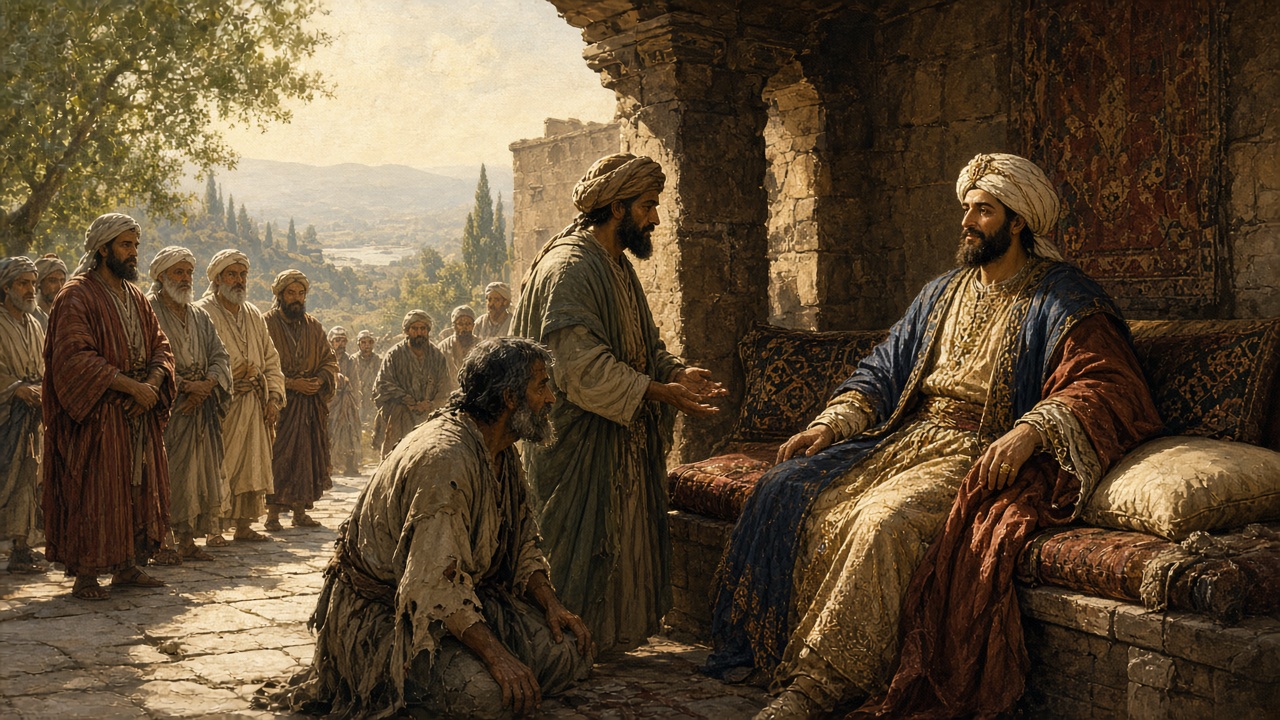
1Ámuúha táñahbémuj, ɨ́mɨáábé Máavyéjuube Jetsocríjtoke ámuha mecáhcujtsómej, tsá tsaatékéré ímí meɨ́jtsúcunúítyuróne. Tsahdúré pámeekéré méɨjtsúcunúiyáhi. 2Tsáijyu muurá tsaapi ehnéva múnáajpi imíwu nééné wajyámuma óóropáájɨ́ íhyójtsɨ́wapáájɨ́ íjcyaabe ámuha éllevu úúbámyénúúbé raahórí téhdure tsijpi ɨ́dáátsoobe átéréeja íwajyámuma uubámyénúiyáhi. 3Aane diibye ehnéva múnáájpikyéré ámuha ímí mewáátsúcúne ‘íchihvu íimítsihvu dacúúve’ menééne diibye ɨ́dáátsóóbeke ‘étsɨhjɨ́vúré baavu dacúúve’ menéhajchíí muurá ímítyúné ɨ́jtsaméíyé ámúhá pañe. 4Aane muurá ehdu ɨ́htsútúúbekéré ímí mewáátsúcúhajchíí tsúúca ímityúné mémeenúhi.
5Aane cáhawáá íñe ámúhama o íhjyuváné ímíñeúvú mélleebúcunu, ámuúha táñahbémuj. Muurá Píívyéébe ɨ́dáátsojtéké ujcú dííbyeke ditye icyáhcújtsóne iávyéjuutéki. Muurá neebe dííbyeke wájyúmeke iávyéjújtsoíñé íavyéjuvu. 6Áánáa ¿ɨ́veekí ámuha diityéké meéhdɨɨválléneri ménúcópɨ́vétsohíjcyáhi? ¿Aca tsá ámuha mewáájácutú téhdure ɨ́htsutúmé ámúhadi ɨɨ́cúbáhráne ávyéjujté éllevu ámúhakye tsátyehíjcyáne? 7Áhdure ¿aca tsá ámuha mewáájácutú ditye túútávátuube Mépájtyetétsoobe Críjtoke meúráávyehíjcyáábedi úúhɨ́vatéhijcyáne?
8Áánetu ihdyu Píívyéébé taúhbaju íwaajácúháámɨtu ‘pamévakéré múu wajyú muhdú u wájyúmeídyu’ néhdu ámuha meíjcyáhajchíí ɨ́mɨááné tehdújuco ámuha meméénune. 9Árónáa tsaatékéré ámuha ímí meɨ́jtsúcunúhajchíí ímityúné ámuha mémeenúhi. Ááneri ámuha ménéétsámeí Píívyéébé taúhbaju néhdu ámuha meíjcyátúneri. 10Muurá tene néhdújuco meúráávyerómé tsane néhdu meíjcyátúhajchíí tsúúca ijcyáné ímityúné máhallúri. 11Muurá Píívyéébe nééhií: “Tsá múu ihdícyámema dómácójcatsítyúne.” Téhdure tsiiñe neébe: “Tsá múu mɨ́amúnáake dsɨ́jɨ́vétsotúne.” Aane muurá ihdícyámema medómácójcatsítyurómé tsaatéké medsɨ́jɨ́vétsóhajchíí tsúúca ímityúné mémeenú tsane Píívyéébe taúhbaju néhdu meíjcyátúnélliíhye. 12Áánéllii múu ímíñeúvú ɨɨ́jtsámeíñé ɨ́mɨáánéré meenúhi. Muurá Píívyéébe mééma ténehjɨ ímíbájchoó muhdú béhné pityájcoju néhduú. 13Muurá tsíjtyedi meɨ́dáátsóvétúmedi téhdure tsá dibye ɨ́dáátsóvéityúne. Áánetu tsíjtyedi meɨ́dáátsóvémedi téhdure ɨ́dáátsóvéiibye pámeere muhdú meícyahíjcyáné iímíbájchócoóca.
Píívyéébeke mecáhcujtsóne
14Ámuúha táñahbémuj, ¿a ímí tehdújuco teene ‘Píívyéébeke mécáhcujtsóhi’ menéérome dibye ímillédú meíjcyatúne? ¿A ehdu meíjcyame mépájtyetéiyáhi? 15Tsáijyu muurá tsaate ménahbémú ɨ́dátsó imájchoma íjcyatúmé idyé wájyamúúvátúmeke ámuha ménééiyáhi: “Ámúhá wajyámuunévú tsaímíyé meújcámeíñe memájcho.” 16Ehdu diityéké ɨ́ɨ́nevú ájcutúméré ámuha menééne ¿aca ɨ́ɨ́netú diityéké pɨ́áábóiyáhi? 17Ehdu muurá ‘Píívyéébe ó cáhcujtsó’ menéérómedítyú ɨ́mɨáánéré meméénune bóhówaúcunútúhajchíí tsá ɨ́ɨ́netú meke tene pɨ́áábotúne.
18Muurá tsaate meke nééiyáhi: “Ú nehíjcyá apááñéré Píívyéébeke u cáhcújtsóneri tsúúca dííbyeéjpí u íjcyane. Áánetu ó nehíjcyá téhdure dííbyeke o cáhcújtsoobe ɨ́mɨááné o méénúneri dííbyeéjpí o íjcyane.” Ehdu muurá tsaate meke nééiyáhi. Aane íñe ¿muhdú méúújétsoó Píívyéébeke mecáhcujtsóné dibye ímillédú meíjcyátúhajchííjyu? Muurá ihdyu apááñéré ɨ́mɨááné meméénúneri méúújetsó dííbyeke mecáhcujtsóne. 19Aane íhya ihdyu tehdújuco ámuha mecáhcujtsóné tsáápiiye Píívyéébe íjcyane. Muurá idyé naavémú dííbyeéjté íjcyáturómé téhdure dííbyeke iwáájácúúbeke illíhi. 20Aanéjɨ́ɨ́va ¿muhdú ámuha méɨjtsúcunú pevénéré dííbyeke mecáhcujtsómé dibye ímillédú meíjcyáturómé dííbyeéjté meíjcyane? Tsá ehdu tene néétune. 21Muuráhjáa méɨhdé múnáajpi Aavaráaúvuke Píívyéébe ɨ́mɨáábedi dilló dibyée dííbyeke icyáhcújtsóóbeke ɨɨ́ɨ́cúve ílli Itsáake dsɨ́jɨ́vétsóíyónélliíhye. 22Aane muurá méwaajácú ɨ́mɨáánée Píívyéébeke díbyeúvú ímí cáhcujtsóné dibyéhjáa néhdu dibye méénúnélliíhye. 23Muurá Píívyéébé waajácúháámɨtu nééneé: “Aavaráá Píívyéébeke ímí cáhcújtsónéllii ɨ́mɨáábedi dííbyeke dílloóbe.” Ehdúhjáa dibye ímí cáhcújtsónéllii Píívyéébé nahbévaabe diíbye.
24Ahdícyane íhya tsúúca ámuha méwaajácú Píívyéébe meke ɨ́mɨáámedi díllone dííbyeke mecáhcujtsómé dibye néhdu meíjcyámeke. 25Téhduréhjáa muurá nahtsɨ́wamééwá Raáake dílloobe ɨ́mɨáálledi dilléhjáa ijraéémudítyú waajá múnaa íhcyóómivu úújetémeke técoomí múnaa dsɨ́jɨ́vétsóíyónetu pájtyetétsónélliíhye. 26Aane muurá Píívyéébeke mecáhcújtsorómé dibye ímillédú meíjcyátúhajchíí tsá ɨ́ɨ́netú meke tene pɨ́áábotúne. Aame méijcyá ɨ́dátsó wáájácúmeítyúmé éhne múúne medsɨ́jɨ́véné boone pevéneréjuco méjpi íjcyadu.
Did you know?
Impartiality and Living Faith
- James recalls that Abraham was justified by offering his son Isaac on the altar, his faith working with his actions and perfected by what he did. Isaac, the only son of Abraham by Sarah, was the one God commanded Abraham to offer as a sacrifice on a mountain in the land of Moriah.Sources: the Bible text itself · Isaac
- James also cites Rahab the prostitute, justified by welcoming the spies and sending them off on another route. The two spies, sent by Joshua while the Hebrews were encamped at Shittim opposite Jericho, had gone to her house, faced danger in the city, and were saved by her fidelity.Sources: the Bible text itself · Rahab
Notes written with AI assistance from open sources (Theographic Bible Metadata, CC BY-SA 4.0; Easton’s Bible Dictionary, public domain) and reviewed before publishing.
Credits and license for this translation
Píívyéébé ihjyu: jetsocríjyodítyú cáátúnuháámɨ
New Testament in Bora (PE:boa:Bora)
copyright © 2008 Wycliffe Bible Translators, Inc.
Language: Bora
Translation by: Wycliffe Bible Translators, Inc.
Boara [boa], Peru
Copyright Information
© 2008, Wycliffe Bible Translators, Inc. All rights reserved.
This translation text is made available to you under the
terms of the Creative Commons License: Attribution-Noncommercial-No Derivative Works.
( http://creativecommons.org/licenses/by-nc-nd/3.0/ )
In addition, you have permission to port the text to different file formats, as long as you
do not change any of the text or punctuation of the Bible.
You may share, copy, distribute, transmit, and extract portions
or quotations from this work, provided that you include the above copyright
information:
You must give Attribution to the work.
You do not sell this work for a profit.
You do not make any derivative works that change any of the actual words or punctuation of the Scriptures.
Permissions beyond the scope of this license may be
available if you contact
us with your request.
The New Testament
in Bora
© 2008, Wycliffe Bible Translators, Inc. All rights reserved.
This translation is made available to you under the terms of the
Creative Commons Attribution-Noncommercial-No Derivatives license 4.0.
You may share and redistribute this Bible translation or extracts from it in any format, provided that:
You include the above copyright and source information.
You do not sell this work for a profit.
You do not change any of the words or punctuation of the Scriptures.
Pictures included with Scriptures and other documents on this site are licensed just for use with those Scriptures and documents.
For other uses, please contact the respective copyright owners.
2014-04-22
Source: http://ebible.org/boaNT/ · eBible.org