Galatians 5
Píívyéébé ihjyu: jetsocríjyodítyú cáátúnuháámɨ · Tap a verse to see its cross-references.
Jetsocríjtokéré meúraavyéne
1Muuráhjáa Jetsocríjtó tsúúca meke ijchívyetsó taúhbaju meke túkévéjtsóné pañe meícyahíjcyánetu. Áánéllii metsu dííbyekéréjuco meúráávye ímíñeúvu. Óvíjyacóóné ámuha tééneri metsúúrámeíhijcyáné meke pájtyetétsóíyóneríjɨ́ɨ́vari.
2Aane cáhawáá ímíñeúvú melléébó ámúhakye o nééneé. Muurá ámuha mekíhdyahɨ́rótsámeíñetu ɨ́mɨáámedi Píívyéébe ámúhakye díllóiyóné ámuha meɨ́jtsúcunúne tehdu meméénúmeíhajchíí tsá Críjto ámúhakye pájtyetétsóityúne. 3Árónáa ihdyu o néé tehdu imyéénúmeíñe ímí Píívyéébema iíjcyáíyóneri tsúúrámeíhijcyámé óvíi ávyeta muhdú teene taúhbaju néhdu íjcyáhi. 4Árónáa íllure ámuha tééneri mémújtátsámeí Píívyéébée meke iwájyúne Críjtoj tééveri mepájtyetéiñe méénúnetu. 5Muurá ihdyu ɨ́mɨáámedi meke dílloobe Íapííchó meke túkévéjtsóneri Jetsocríjtoke mecáhcújtsómeke. 6Áánéllii mekíhdyahɨ́rótsámeítyúné tsá muhdú néétune. Áhdure mekíhdyahɨ́rótsámeíyóné tsá meke pɨ́áábotúne. Apááñéré ihdyu ɨ́mɨááné Jetsocríjtoke mewájyúne mecáhcujtsóné meke pɨ́aabóhi.
7Aanée muurá tsúúca tehdújuco ámuha meúraavyéne. ¿Ááné mutsíhdyúhjáa ɨ́veekí tsáhájuco ámuha tééné uwááboju ímí mecáhcújtsotú múha nééjuri? 8Ááneráhjáa tsúúca Píívyéébe ámúhakye ijchívyetsó ténejcútú Jetsocríjtoj tééveri. Aane tsá dííbyedítyú tene íjcyatú eene piéénéré ámuha meúraavyéne. 9Muuráhjáubá ihdyu ámúhadítyú tsáápihdítyúré íjcyane ehdu ámúhakye dárɨɨvé éhne múúne haríínallíjyú metátsajcóné pañévu íooríchotu áyánéwu mepícyooróné páneeríyéjuco mújtadu. 10Árónáa ó waajácú Píívyéébe tsiiñe ámúhakye pɨááboíñé ámuha meɨ́hveté taúhbaju néhdu ámuha meíjcyáneri mepájtyetéiyóné ámuha meɨ́jtsámeíhíjcyánetu. Áánetu ihdyu ɨ́hnáhooíñé dibye ɨ́cúbahráné ámúhakye mútátsohíjcyámedi.
11Muurá téhdure óhdityu nehíjcyámé oova mekíhdyahɨ́rótsámeíñeríyé ímí Píívyéébema meíjcyane o úwáábohíjcyáne. Árónáa teene o úwááboca tsá oke ditye tsárílléítyuróne. Muurá ihdyu Críjtoj tééveríyé mepájtyeténé o úwáábohíjcyánéllii oke tsaríllehíjcyáme. 12Aame ihdyu óvíi ílluréjuco ámúhadítyú dówaavéné tééneri ámúhakye pátsárícyohíjcyáme.
13Muuráhjáa tsúúca Píívyéébe ámúhakye ijchívyetsó téénetu. Aame ámuha tsaímiyéjuco meíjcyame tsá ímityúné meméénújúcóóityúne. Ímíñeúvú pamévamáyé mewájyújcatsíñe mépɨ́áábojcátsi. 14Muurá tsane dííbyé taúhbaju nééhií: “Pamévakéré múu wajyú muhdú u wájyúmeídyu.” Ehdu muurá pamévakéré mewájyúhajchíí tsúúca mémeenú páneere dííbyé taúhbajúúné muhdú meíjcyáiyóné meke néhijcyáne. 15Áánetu tehdu ámuha mewájyújcatsíñe mepɨ́áábójcatsííyótsihvu íllure ámuha meɨ́cúbáhrájcatsíhajchíí muurá íllure ámuha métútávátsójcátsiíhi.
Píívyéébé Apíícho meke túkévejtsóne
16Áánéllii ámúhakye o néé Píívyéébé Apííchó túkevéjtsó pañéréjuco ámuha meíjcya ímítyunéhjɨ́ ámuha meméénújúcóótuki. 17Tsá dííbyé Apííchó ímílletú meímillédú meíjcyane. Téhdure ténehjɨ méhdivu cátuhtsó teene meke túkévéjtsóné pañe meíjcyáiyóne. Ehdu panéjcuvávú téneecu cátúhtsójcatsíñéllii éhnííñevu métsúúraméí Píívyéébé Apííchó túkevéjtsó pañe ámuha meíjcyáíyóneri. Óvíjyacóóné ámuha meímillédú meíjcyane. 18Aane ɨ́mɨááné ámuha dííbyé Apííchó túkevéjtsó pañe meíjcyáhajchíí tsáhájuco ámuha ɨ́hdééné taúhbájú túkevéjtsó pañe meíjcyájúcootúne.
19Muurá iímillédúré ícyahíjcyámé tsá téévetúne. Panéváré muurá ímítyunéhjɨ́ méénume ihdícyáméhjɨma dómácócatsíhijcyáhi. 20Aame níjcyotájtekéré duurúvahíjcyáhi. Nomíuuváwu nééme tsané úhbajcátsiyíyé íjcyame itsárílléjcatsíñe waabyénúcatsíhijcyáhi. Iiye ímí iíjcyáiyóné imílléme. Ehdu idyárɨ́ɨ́véjcatsíñe ílluréjuco ditye dóhwábahíjcyáné íhdyúeháhjɨréjuco. 21Aame nomíutááváwu nééme dsɨ́jɨvétso múnaa, llíyiicyáve múnaa, íjcyame majchó ávyétá mityáne. Áhdure tsíñehjɨ panéváré ímityúné méénuhíjcyáme. Aane éíjyúu ámúhakye o néhdu tsá múu tehdɨ́ɨ́vanéhjɨ́ méénutúne. Muurá tehdu nénehjɨ méénume tsá Píívyéébé avyéjúejte íjcyatúne.
22Áánetu ihdyu Píívyéébé Apííchó meke túkévéjtsóné pañe meíjcyame méwajyújcatsíhi, méimíjyúúhií, tsíñehjɨ meke pájtyeróné máaabúcúhi, tsaímíyé pamévamáyé méijcyáhi, tsíjtyeke mépɨ́aabóhi, panéváré óóchevélletúmé mémeenúhi, ɨ́daatsómé méijcyáhi, tsá ímítyúnehjɨ́vú metáhjátsámeítyúne. Ehdu Píívyéébé Apííchó meke túkévéjtsóné pañe meíjcyame tsá ɨ́hdééné taúhbaju nééné tsɨjɨ́jtoríyé meíjcyatúne. 24Muurá Críjtoke mecáhcujtsómé ímítyúné icyánéjcutu méijcyá dsɨ́jɨ́vemédú ténéhjɨ éllevu meíjcyájúcóótúnélliíhye. 25Aame méijcyá Píívyéébé Apííchó meke túkévéjtsóné pañe. Áánéllii metsu meɨ́hvéjtsámeí tééneréjuco meke túkévéjtsóné pañe meíjcyaki.
26Tsáhájuco ávyéjuuháñé mellííñéítyuróne. Tsá ɨ́ɨ́nerí menómíutááváítyuróne. Tsá ímityúné medárɨ́ɨ́véjcatsíítyuróne.
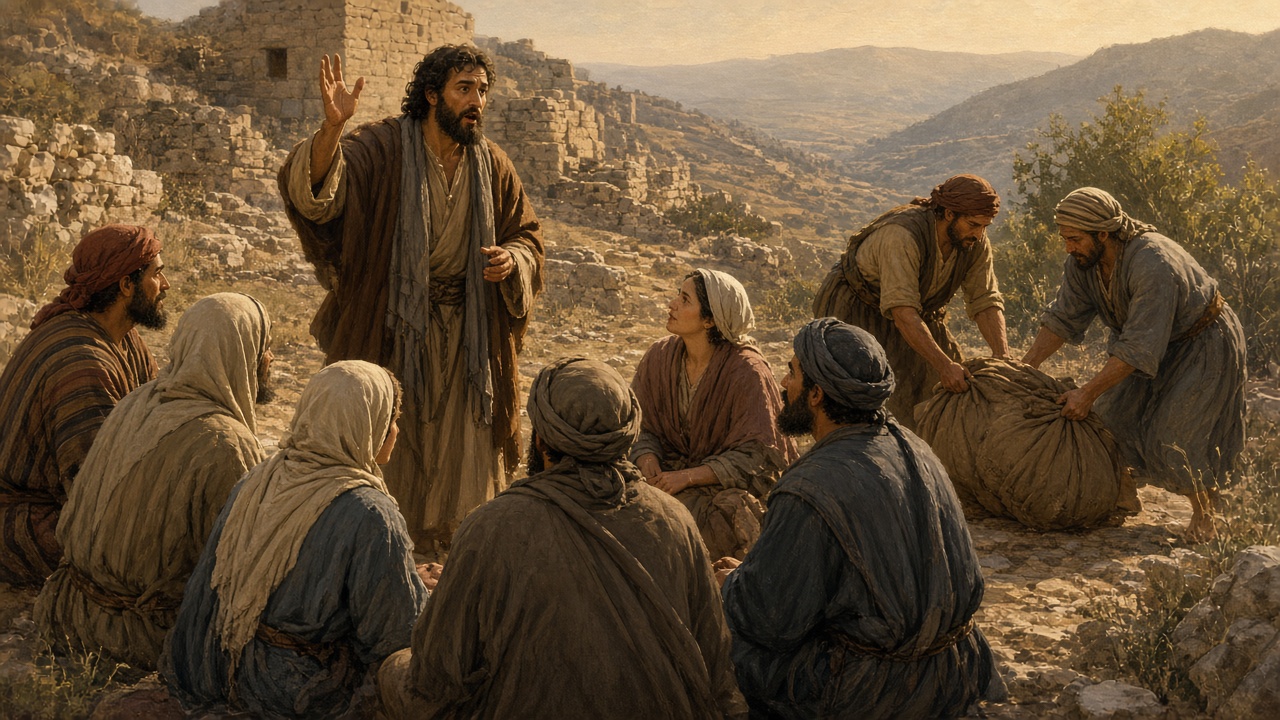
Did you know?
Freedom, the Law, and the Spirit
- The speaker identifies himself as Paul and warns that if those he addresses let themselves be circumcised, Christ will be of no value to them, and that every man who gets himself circumcised is obligated to obey the whole law. A biographical account says that Paul's circumcision-name was Saul, and that the name Paul was probably given to him in infancy for use in the Gentile world, while Saul would be his Hebrew home-name.Sources: the Bible text itself · Paul
- Freedom is set against a yoke of slavery: the chapter says Christ has set them free and tells them to stand firm and not be burdened again by that yoke. They were called to freedom, not as an opportunity for the flesh, but to serve one another in love, and the entire law is fulfilled in the single decree to love one's neighbor as oneself.Sources: the Bible text itself
- Walking by the Spirit is contrasted with gratifying the desires of the flesh, which are opposed to each other. If people are led by the Spirit, they are not under the law; the chapter lists the acts of the flesh and the fruit of the Spirit, and says that against such things there is no law.Sources: the Bible text itself
Notes written with AI assistance from open sources (Theographic Bible Metadata, CC BY-SA 4.0; Easton’s Bible Dictionary, public domain) and reviewed before publishing.
Credits and license for this translation
Píívyéébé ihjyu: jetsocríjyodítyú cáátúnuháámɨ
New Testament in Bora (PE:boa:Bora)
copyright © 2008 Wycliffe Bible Translators, Inc.
Language: Bora
Translation by: Wycliffe Bible Translators, Inc.
Boara [boa], Peru
Copyright Information
© 2008, Wycliffe Bible Translators, Inc. All rights reserved.
This translation text is made available to you under the
terms of the Creative Commons License: Attribution-Noncommercial-No Derivative Works.
( http://creativecommons.org/licenses/by-nc-nd/3.0/ )
In addition, you have permission to port the text to different file formats, as long as you
do not change any of the text or punctuation of the Bible.
You may share, copy, distribute, transmit, and extract portions
or quotations from this work, provided that you include the above copyright
information:
You must give Attribution to the work.
You do not sell this work for a profit.
You do not make any derivative works that change any of the actual words or punctuation of the Scriptures.
Permissions beyond the scope of this license may be
available if you contact
us with your request.
The New Testament
in Bora
© 2008, Wycliffe Bible Translators, Inc. All rights reserved.
This translation is made available to you under the terms of the
Creative Commons Attribution-Noncommercial-No Derivatives license 4.0.
You may share and redistribute this Bible translation or extracts from it in any format, provided that:
You include the above copyright and source information.
You do not sell this work for a profit.
You do not change any of the words or punctuation of the Scriptures.
Pictures included with Scriptures and other documents on this site are licensed just for use with those Scriptures and documents.
For other uses, please contact the respective copyright owners.
2014-04-22
Source: http://ebible.org/boaNT/ · eBible.org