Acts 5
Píívyéébé ihjyu: jetsocríjyodítyú cáátúnuháámɨ · Tap a verse to see its cross-references.
Ananíamútsí mewa Tsapíírama ímityúné méénune
1Áhduréhjáa Ananíamútsí mewa Tsapíírama íiiñújɨ́ iñáhjɨ́hénúne áhdotu tsane iújcúnéj coéénevu diitye uwáábojtéké ajcú pánéhjɨ́jtaráhdu. Aanéhjáa mewa waajácú dibye muhdú méénune. 3Áábekéhjáa Ananíake Péédoro nééhií:
—¿Aca ɨ́veekí Naavéné uke ɨ́búwájtsónej péévé muhdú ú meenú díiiñújɨ áhdo? ¿Ááne pánehjɨ́dú ú tsivá cóeéne? Ú imíllé múúhakye u álliñe tehdújuco Píívyéébé Apííchó ímillédú u méénune muha meɨ́jtsúcunúroki. 4¿Aca muhná teene ííñujɨ? Ááneráa dihñe teéne. Ááne áhdóo dihñéreíyo. Tsáháa tsane u újcúnéj coééné u tsíváítyuró pánéhjɨ́jtaráhdu. Aanéhaca idyé múúhakyéré u állíñejɨ́ɨ́vari. Muurá téhdure Píívyéébeke ú allíhi.
5Ehdúhjáa Péédoro néénemáyé Ananíá ílluréjuco dsɨ́jɨ́veebe áákityéné baavújuco. Ááné uubálléhjáa lléébome mítyane íllityéhi. 6Ááhoúvukéhjáa ováhtsámú ɨbɨ́ɨ́jɨ́núne tsajtyé icyúúuki.
7Ááné boonétúhjáa mewa wajtsɨ́ ɨɨná ájyúke pájtyene wáájácútulle. 8Áállekéhjáa idyé Péédoro népejtsóhi:
—¿A téhdunéjucóo ílluunéré ámuhtsi menáhjɨ́henúné ámúhtsí iiñújɨ?
Áánélliihyéhjáa neélle:
—Éée, téhdunéjucópeé.
9Árónáacáhjáa Péédoro néé díílleke:
—¿Ɨ́veekíhjyáa ehdu ámuhtsi mémeenúhi? ¿Aca ámuhtsi méɨjtsúcunú Píívyéébé Apííchó wáájácúítyuróne? Éje, aatye muurá tsáá dítyájɨúvuke icyúúújétsihdyu. Aame muurá ícyooca uukéréjuco cúúutéiñe.
10Ehdúhjáa dibye néénemáyé tsúúca dsɨ́jɨ́velle áákityé dííbyé lliiñévu. Áálledívúhjáa diitye ováhtsámú wajtsɨ́ ɨ́ɨ́témehóvuréjuco. Áálleúvukéhjáa idyé itsájtyéne cuuúmé ájyú úníutu. 11Ehdúhjáa Ananíamútsikye méwama tene pájtyéneri cahcújtso múnaa mítyane íllityéhi. Áhduréhjáa tsijtye teene iwáájácúne íllityéhi.
Méénúráítyúronéhjɨ́ méénúmeíñe
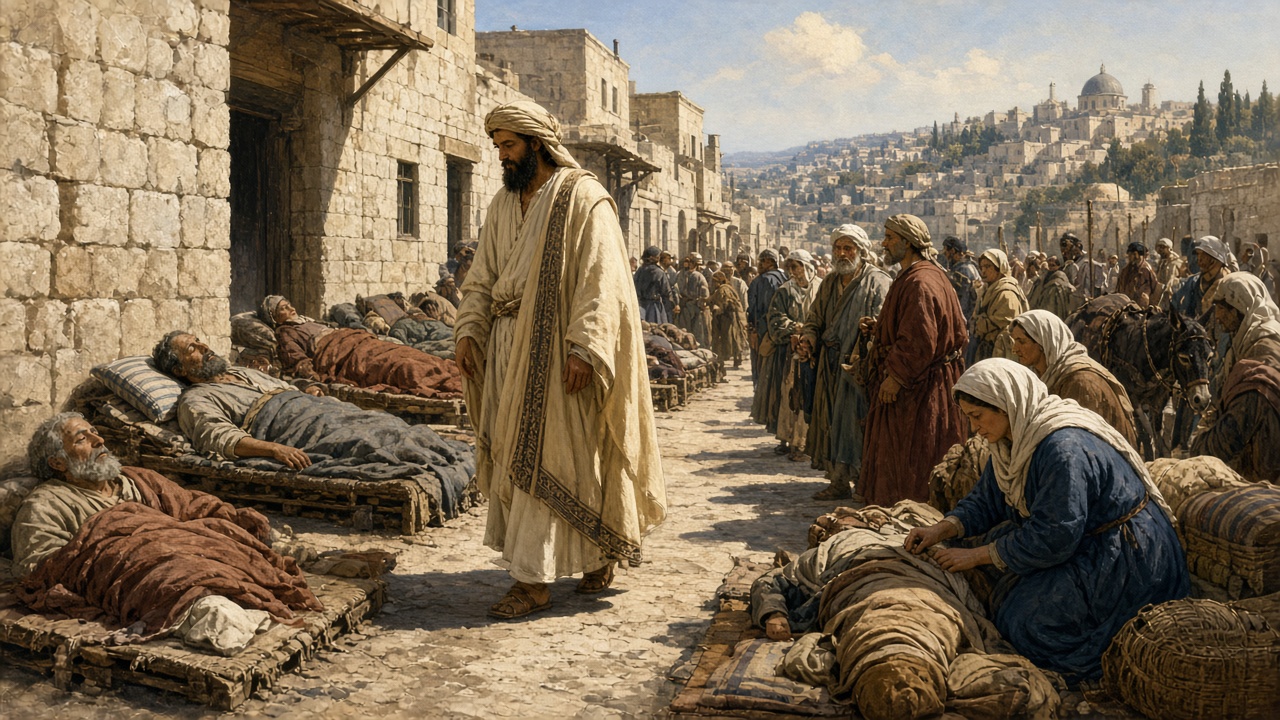
12Aanéhjáa diitye uwáábojte dóbéévehíjcyá duurúvájá pañévú tsátsii ‘Tsaromóo’ némeítsihvu. Aaméhjáa méénuhíjcyá mítyane méénúráítyúronéhjɨ́ mɨ́amúnááj pɨɨnévu. 13Áámekéhjáa cáhcújtsotúmé diityémá náhbévahíjcyáturómé ímí ɨjtsúcunúhi. 14Téijyúhjáa idyé tsijtye wajpíímumáyé walléémú cóbéévehíjcyá duurúvájá pañéahcujtsó Píívyéébeke. Aaméhjáa éhnííñevu mítyaméjuco llíyaaténe. 15Áánetúhjáa chéméméhjɨke ɨ́ɨ́hbotáháñeri ijchívyetsómé hulléjɨjtónéj pɨɨnévú tééneríváa Péédoro pájtyéébe náávéubáré diityé hallútú pájtyéneri ditye ibóhɨɨ́ki. 16Téhduréhjáa idyé íúníúécoomíjɨ múnaa Jerotsaréeri íjcyáábe éllevu tsívahíjcyá chéméméhjɨke. Áhduréhjáa tsívahíjcyámé naavémú ípañe íjcyame ɨ́cúbáhrámeíhíjcyámeke dibye ibóhɨ́ɨ́tsoki.
Uwáábojtéké ditye ɨ́cúbahráne
17Aanéhjáa páñétúejpi llúúvájté avyéjúúbema tsadotséómú nomíutáává diitye uwáábojtédi. 18Áánélliihyéhjáa diityéké cuvéhoojánúme. 19Árónáacáhjáa tépejco níjkyéjɨ múnáajpi cúvéhóójá llehówááné ipááyúnetu iíjchívyétsómeke néé ditye mɨ́amúnáake duurúvájá pañévú iúwááboté muhdú Píívyéébeke meúraavyéne. 21Ahdújucóhjáa ditye cúúvénetúré tééjá pañévú ipyééne úwaabóne. Áánáacáhjáa diibye páñétúejpi llúúvájté avyéjuube íñahbénu múnáama pihjyúcú túkevéjtsojtéke. Áánemáhjáa tehmé múnáake wallóómé diityé éllevu cúvéhóójá pañétú ditye iújcutéki. 22Aaméhjáa pééme úújeté íávajávuréjuco. 23Áánélliihyéhjáa ióómíñe néémeé:
—Muha méúújetérá cúúveja cóhpé wátájcámeíjyá tehmé múnaa lléhowááné téhmehíjcyámedívu. Áronáa muha lléhowááné mépaayú dáíháñeréjuco tsaatéubáré pañe íjcyájúcootúne.
24Ehdúhjáa ditye úúbálléneri diibye páñétúejpi llúúvájté avyéjuúbee, duurúvájá avyéjuúbee, tsijtye llúúvájteé, íjcyame iúllévenúne néjcatsíhi:
—¿Aca kiávú pééiyóme? 25Árónáacáhjáa tsaapi téhullétú tsáábe néé diityéke: Áánerá éhnéijyu ámuha mecúvéhoojánúmé éhlle duurúvájá pañe uwááboríjyuco.
26Áánélliihyéhjáa tehmé múnáá avyéjuube péé tsaatémá diityé éllevu. Aaméhjáa diityéké ɨ́cúbáhratúmé tsajtyé mɨ́amúnaa néwayúúnevu diityéké áámúíyóné apííchori. 27Aaméhjáa diitye ávyéjujtédívú wájtsɨ́tsómeke páñétúejpi llúúvájté avyéjuube nééhií:
—Ááneráhjáa muha ámúhakye mébóijcyú ámuha meúwaabójúcóótu eene ámuha meíhjyúvahíjcyáábedítyú íjcyáné uwááboju. Árónáa ¿ɨ́veekí éhnííñevúré ámuha méúwaabóhi? ¿Ɨveekí ámuha Jerotsaréeri dííbyé uwááboju metsújaúcúne méimíllé dibyée dsɨ́jɨvéné múúhá hallúvú mewátyanúne?
29Áánélliihyéhjáa Péédoro nééhií:
—Árónáa ihdyu Píívyéébe múúhakye néhdújuco muha meméénune mɨ́amúnaa múúhakye bóíjcyúrónáaáca. 30Muuráhjáa téhdure méɨhdé múnáaúvú dííbyeke cáánívahíjcyaabe Mépiivyéébé Jetsóoke bóhɨɨtsó éhnée páwachékevu ámuha mewátyétyéhcútsoobe dsɨ́jɨ́véébeke. 31Áábekée muurá dibye ávyéjuutétsoobe ícyooca ijcyá dííbyé úníuri Ávyéjuube Pájtyetétsoobe íjcyáábej tééveri mee ijraéémú ímityúné meícyahíjcyáné meɨ́hvéjtsóne ɨ́mɨánejcúvuréjuco meɨ́búwááve ténehjɨ máhallúrí iíjcyájúcóótuki. 32Aane muurá Píívyéébé Apííchó múúhadívú bóhówajtsóné íñe muha meúúbállehíjcyáhi. Muurá ɨ́mɨááné dííbyeke mecáhcújtsómé pañe dííbyé Apííchó ijcyáhi.
33Ehdúhjáa Péédoro nééne diityéké cáyobáávatétsómé imíllerá diityéké ɨdsɨ́jɨ́vetsóne. 34Árónáacáhjáa paritséómuube ‘Gamariée’ némeííbyé taúhbájú uwááboobe íjcyáábeke mɨ́amúnaa ávyejúúllehíjcyaabe diityéj pɨɨnétú iíjyócúúvéne néé dityéi iíjchívyétso áachívú wahájchotáwu diitye uwáábojtéke. 35Ááné boonéhjáa neebe diityéke:
—Ámuúhaj, téɨɨbúwá tsáma méíjcyaco. Ááne ímíñeúvú meɨ́jtsámeítsihdyu aatyéké méméénuco ámuha meméénúíhajchííjyu. 36Muuráhjáa ‘Téoda’ némeííbyé ɨtsúcunúmeíhijcyá ɨ́htsútuube iíjcyane. Áábemáhjáa muurá ijcyámé mɨ́amúnaa 400-meva. Áróóbekéhjáa tsaate dsɨ́jɨ́vétsóné boone pámeere dííbyema íjcyarómé pahúllevávú tsújaavé tétsɨ́hjɨ́ daíhañéréjuco. 37Téhduréhjáa Gariréa múnáajpi Jóódáke pajtyéné mɨ́amúnáake ditye éévehíjcyáijyu. Áábemáhjáa muurá téhdure mítyame íjcyáróóbeke idyé dsɨ́jɨ́vetsóme. Ááné boonéhjáa dííbyema íjcyarómé ílluréjuco wáhchájabáne. 38Áánéllii ámúhakye o néé diityéké éhnííñevu ámuha mepátsárijcyójúcóótuki. Muurá ihdyu ɨ́mɨááné mɨ́amúnáadítyúré tsááné uwááboju ditye úwáábohíjcyáhajchíí diityémá nɨjkévaíñé muhdú ámuha diityéké meméénútúrónáaáca. 39Áánetu Píívyéébedítyú tsááné uwááboju íjcyáhajchíí tsá ámuha muhdú meméénúityúne. Áánéllii téɨɨbúwá meíjcya.
Tsá tene ímityú Píívyéébeke ámuha ímityúné medárɨɨvéne. 40Ahdújucóhjáa dííbyeke ditye lléébone. Árónáacáhjáa ihdyu diitye uwáábojtéké ɨpɨ́úvámeke wátsihcyúme. Áámekéhjáa iácádsɨ́jcaáyo tsiiñe bóijcyúmé ditye iúwaabójúcóótu Jetsóodítyú íjcyáné uwááboju. 41Aaméhjáa péé imíjyúwu Píívyééberéhjáa ihdyu ɨ́hvejtsódújuco Jetsóodítyú íjcyáné uwáábójú hallútú núcójpɨ́tsó ɨɨ́cúbáhrámeíyónnáaáca. 42Aaméhjáa ɨ́hvéjtsotúmé éhnííñevúré pajcóójɨváré úwáábohíjcyá duurúvájá pañévu. Téhduréhjáa tsíjtyeke ihjyáhañévúré úwááboméré pehíjcyáhi.
Did you know?
Deceit, wonders, and the Sanhedrin
- Ananias, a member of the Jerusalem church, and his wife Sapphira, whose name means beautiful, sold a piece of land and, with her knowledge, kept back part of the price while bringing the rest to the apostles. He could have kept the property; Peter reminded him that it remained at his disposal both before and after the sale. The wrong was the lie: he professed to give it all, Sapphira confirmed the false price, and both died, she sharing his guilt and his punishment.Sources: Ananias (Husband of Sapphira) · Sapphira · the Bible text itself
- The believers gathered with one accord in Solomon’s Colonnade, where the apostles performed many signs and wonders. That colonnade probably stood on the eastern side of the temple. It is not mentioned in connection with the first temple, though Josephus refers to a porch of that name in Herod’s temple.Sources: Solomon's Portico · the Bible text itself
- When the high priest and his associates, who belonged to the party of the Sadducees, had the apostles arrested, a Pharisee named Gamaliel stood up in the Sanhedrin. He is described as a teacher of the law honored by all the people, the son of Rabbi Simeon and grandson of the famous Rabbi Hillel, and as an opponent of the Sadducees; he urged the council to leave the men alone. He pointed to Theudas, who had led an insurrection against Roman authority and, as Gamaliel told it, gathered about four hundred men before the rising came to nothing—beyond that, nothing else is known of Theudas—and to Judas the Galilean, who perished in the days of the census.Sources: Gamaliel · Theudas · the Bible text itself
Notes written with AI assistance from open sources (Theographic Bible Metadata, CC BY-SA 4.0; Easton’s Bible Dictionary, public domain) and reviewed before publishing.
Places in this chapter
- Solomon’s Portico · Today: in Jerusalem · 31.777, 35.234 · verse 12
- Jerusalem · 31.777, 35.234 · verses 16, 28
- Galilee · 32.760, 35.527 · verse 37
Only places identified with high confidence are shown (90% or more according to the scholarly sources compiled by OpenBible). Period map: DARE (Digital Atlas of the Roman Empire), CC BY 4.0; modern map: © OpenStreetMap contributors; places: OpenBible.info (CC BY 4.0).
Credits and license for this translation
Píívyéébé ihjyu: jetsocríjyodítyú cáátúnuháámɨ
New Testament in Bora (PE:boa:Bora)
copyright © 2008 Wycliffe Bible Translators, Inc.
Language: Bora
Translation by: Wycliffe Bible Translators, Inc.
Boara [boa], Peru
Copyright Information
© 2008, Wycliffe Bible Translators, Inc. All rights reserved.
This translation text is made available to you under the
terms of the Creative Commons License: Attribution-Noncommercial-No Derivative Works.
( http://creativecommons.org/licenses/by-nc-nd/3.0/ )
In addition, you have permission to port the text to different file formats, as long as you
do not change any of the text or punctuation of the Bible.
You may share, copy, distribute, transmit, and extract portions
or quotations from this work, provided that you include the above copyright
information:
You must give Attribution to the work.
You do not sell this work for a profit.
You do not make any derivative works that change any of the actual words or punctuation of the Scriptures.
Permissions beyond the scope of this license may be
available if you contact
us with your request.
The New Testament
in Bora
© 2008, Wycliffe Bible Translators, Inc. All rights reserved.
This translation is made available to you under the terms of the
Creative Commons Attribution-Noncommercial-No Derivatives license 4.0.
You may share and redistribute this Bible translation or extracts from it in any format, provided that:
You include the above copyright and source information.
You do not sell this work for a profit.
You do not change any of the words or punctuation of the Scriptures.
Pictures included with Scriptures and other documents on this site are licensed just for use with those Scriptures and documents.
For other uses, please contact the respective copyright owners.
2014-04-22
Source: http://ebible.org/boaNT/ · eBible.org