Acts 3
Píívyéébé ihjyu: jetsocríjyodítyú cáátúnuháámɨ · Tap a verse to see its cross-references.
Úllehíjcyátuube úlléjucóóne
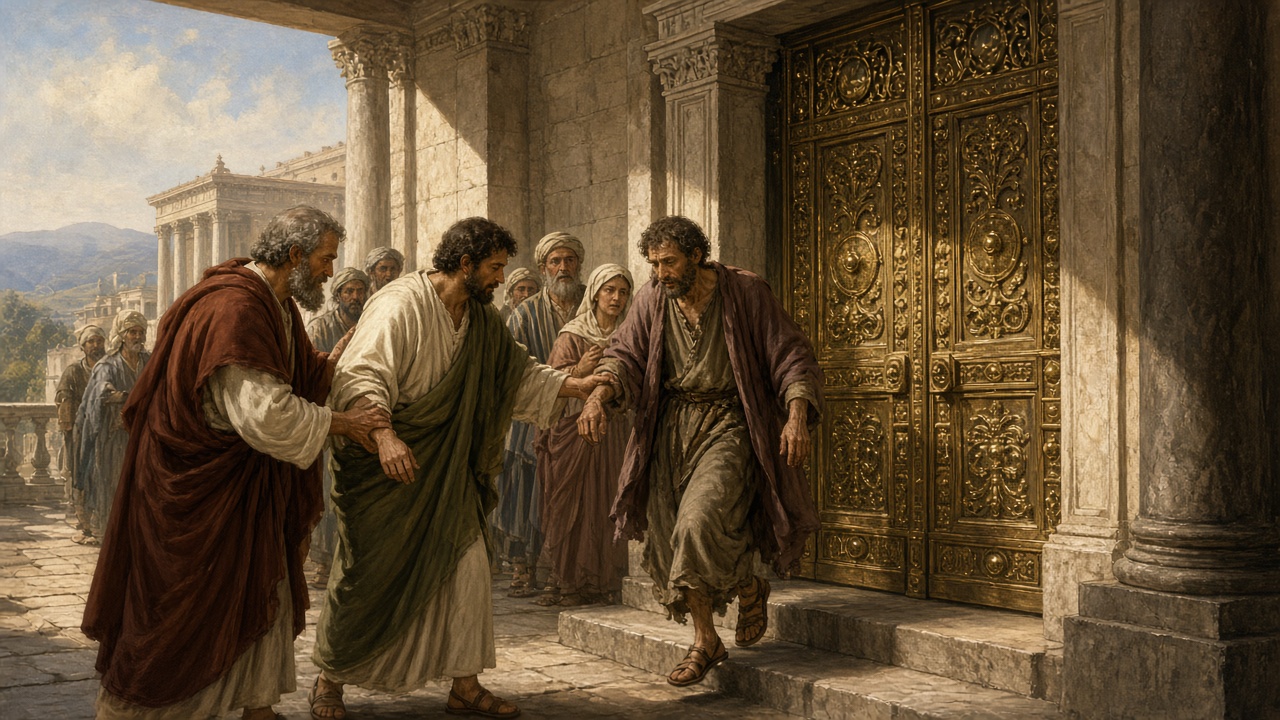
1Tsájcuuvéhjáa Péédorómútsí Jóááma péé duurúvajávú Píívyéébema ditye íhjyúvahíjcyáne ééveri. 2Áijyúhjáa tsaapi tsɨ́ɨ́ménedítyújuco úllétúúbeke pícyohíjcyámé tééjá lleehówavu ‘Imíwu’ némeítsihvu dibye ityáúmeíhíjcya dsɨ́ɨ́dsɨke tééjá pañévú úcáávémeke. 3Aabéhjáa diityétsikye táúmeí dsɨ́ɨ́dsɨke tééjá pañévú úcáávémútsikye. 4Áánélliihyéhjáa dííbyedívú ɨɨ́ɨ́téne neemútsi:
—Éje, cáhawáá múhtsikye dɨhtej.
5Aanéhjáa ɨjtsúcunúúbé dityétsí tsíeménevu ájcuíñe. 6Árónáacáhjáa Péédoro néé dííbyeke:
—Tsá muhtsi medsɨ́ɨ́dsɨ́vatúne. Árónáa ihdyu uke muhtsi mépɨ́ááboóhi. Ahdícyane Natsarée múnáájpi Jetsocríjto mémeri díjyócúúvéne duhlle.
7Ehdúhjáa néébere ɨ́mɨánéjcúéhójtsɨtu iékéévéébeke íjyócujcárónemáyé tsúúca ímíjpyetéébe. 8Aabéhjáa tsaímiyéjuco úlleebe cáhtsíñíbaabéré diityétsima úcaavé tééjá pañévú Píívyéébeke dúúrúvaabére. 9Aanéhjáa tétsihyi íjcyame ájtyumɨ́ ímíhyéjuco úlleebe Píívyéébeke dúúruváne. 10Aanéhjáa waajácúmé diibyéjuco duurúvájá lleehówaríi ‘Imíwu’ némeítsihyi ácuúcunúúbé pɨáábó táúmeíhíjcyaabe dibye íjcyane. Ááneríhjyáa ávyeta ullévenúmé dííbyedi.
Duurúvájatu tsátsii ‘Tsaromóo’ némeítsihvu Péédoro íhjyuváne
11Aabéhjáa tsúúca ímíjpyetéébé tsá ɨ́hvéjtsotú diityétsí Péédorómútsikye. Ááneríhjyáa mɨ́amúnaa itsájúréévéne dsɨɨnécunú diityé éllevu duurúvájatu tsátsii ‘Tsaromóo’ némeítsihyi íjcyáme éllevu. 12Áámekéhjáa Péédoro iájtyúmɨ́ne nééhií:
—Ámuúha tamúnaaj, ¿aca muhdú ɨ́ɨ́vane ámuha meúllévenúne múhtsidyívú méɨɨté tehdu múhtsí ɨhnáhooríyé muhtsi meméénúneríjɨ́ɨ́vari? Áhdure ¿aca ɨ́mɨájtétsí muhtsi meíjcyánéllii tehdu mémeenúhi? 13Muuráhjáa téhdure méɨhdé múnáaúvú Aavaráaa, Itsáaa, Jacóóboo, éhdume cáánívahíjcyaabe Mépiivyéébé Ílli Jetsóoke tééneri ávyéjútsohíjcyá éhnée ámuha ávyéjujté hójtsɨ́ pañévú meɨ́hvéjtsóóbeke. Muuráhjáa Piráátó dííbyeke ácádsɨ́jcaáyóíyónáa tsá ámuha meímílletúne. 14Diibyée ɨ́mɨáábé hallúvú íhjyúvatúmé ámuha cáábyerá dsɨ́jɨvétso múnáájpí hallúvúré méihjyúvá dibye iíjchívyeki. 15Ehdúu ámuha mélliihyánutsó diibyéjuco meke bohɨ́ɨ́vú ájcúúbedívu. Áróóbekée muurá Píívyéébe bóhɨɨtsóhi. Aane muha méwaajácúhi. 16Áábeke muhtsi mecáhcújtsónéllii muurá íñe áánu ímíjpyeté dííbye mémeri dííbyé ɨhnáhoori ámuha meɨ́ɨ́téneríye.
17Ahdícyane, ámuúha tamúnaaj, muurá ó waajácú ɨ́mɨáánéjucóo ámuha pámeere ámúhá avyéjujtémá dííbyeke medsɨ́jɨ́vetsóné ámúhá ɨ́buúúné aabáte. 18Árónáacáa ihdyu tehdújuco dibye ɨ́cúbáhrámeíñé tsúúcajátújucóo Píívyéébe íhjyú uubálle múnáaj tééveri néhdújuco. 19Áánéllii ímityúné ámuha meícyahíjcyáné meɨ́hvéjtsóne Píívyéébé icyánejcúvuréjuco méɨ́buwáávé ténehjɨ ámúhama iábájɨ́ɨ́vémeí ímí Píívyéébema ámuha meíjcyaki. 20Muurá meéllevu wállóóiibye Ílli Jetsocríjtoke tsúúcajátújucóo meke dibye pájtyetétsoíñé iñéébeke meke dibye iújcúvaki. 21Aabe muurá níjkyéjɨri íjcyaá páneere muhdúhjáa Píívyéébe íhjyú uubálle múnáaj tééveri tsúúcajátújuco iñéhijcyáné ímíbáávyétsóné hajchóta. 22Íllúhjáa muurá Moitséeúvú néé méɨhdé múnáaúvuke: “Ávyéjuube Píívyéébe méhdityu pícyoó tsaapi íhjyú uubálle múnáajpi íjcyáííbyeke íñée oke ipícyohdu. Áábeke ihdyu tsáma méllééboco. Muurá dííbyeke cáhcújtsotúmé wágóóóveéhi.”
24Áhduréhjáa tsijpi Píívyéébé ihjyú uubálle múnáajpi Tsamoéeúvú ihjyúvahíjcyá íñe ícyooca muhdú pájtyénéhjɨtu. Áábeúvú boonéhjáa idyé tsijtye íjcyáméhjɨúvú ihjyúvahíjcyá téénetu. 25Ehdúhjáa muurá Píívyéébe íhjyú uubálle múnáaj tééveri nehíjcyá meeke pámeekére. Muuráhjáa méɨhdé múnáaúvuma pámeekéré meke ɨpɨ́ááboíñé Aavaráaúvuke íllu neébe: “Pámeere ííñújɨ́ cuwáábema íjcyaíñé pɨáábó dɨ́jtsɨɨménémúháábej tééveri.” 26Muuráhjáa Píívyéébe Íllíkye wallóó tujkénú mee ijraéémuke dibye ɨpɨ́áábo méimítyuháñé meɨ́hvéjtsoki. Ehdúhjáa neebe Péédoro.
Did you know?
Healing and Preaching at the Temple
- The temple gate called Beautiful, where a man lame from birth was placed each day to beg, is named in this chapter. It is supposed to have been the door from the court of the Gentiles into the court of the women, and it was massive, covered with plates of Corinthian brass.Sources: Beautiful Gate · the Bible text itself
- After the healing, the astonished crowd ran to Peter and John in the walkway called Solomon’s Colonnade. This was a colonnade, or cloister, probably on the eastern side of the temple; it is not mentioned with the first temple, but Josephus mentions a porch of that name in Herod’s temple.Sources: Solomon's Portico · the Bible text itself
- In his address there, Peter said the people had handed Jesus over and rejected him before Pilate, although Pilate had decided to release him. A dictionary entry identifies Pontius Pilate as the sixth Roman procurator of Judea, from A.D. 26 to 36, with headquarters at Caesarea, though he frequently went up to Jerusalem; his name comes into prominent notice in connection with the trial of Jesus.Sources: Pontius Pilate · the Bible text itself
Notes written with AI assistance from open sources (Theographic Bible Metadata, CC BY-SA 4.0; Easton’s Bible Dictionary, public domain) and reviewed before publishing.
Places in this chapter
- Beautiful Gate · Today: in Jerusalem · 31.777, 35.234 · verses 2, 10
- Nazareth · 32.702, 35.298 · verse 6
- Solomon’s Portico · Today: in Jerusalem · 31.777, 35.234 · verse 11
Only places identified with high confidence are shown (90% or more according to the scholarly sources compiled by OpenBible). Period map: DARE (Digital Atlas of the Roman Empire), CC BY 4.0; modern map: © OpenStreetMap contributors; places: OpenBible.info (CC BY 4.0).
Credits and license for this translation
Píívyéébé ihjyu: jetsocríjyodítyú cáátúnuháámɨ
New Testament in Bora (PE:boa:Bora)
copyright © 2008 Wycliffe Bible Translators, Inc.
Language: Bora
Translation by: Wycliffe Bible Translators, Inc.
Boara [boa], Peru
Copyright Information
© 2008, Wycliffe Bible Translators, Inc. All rights reserved.
This translation text is made available to you under the
terms of the Creative Commons License: Attribution-Noncommercial-No Derivative Works.
( http://creativecommons.org/licenses/by-nc-nd/3.0/ )
In addition, you have permission to port the text to different file formats, as long as you
do not change any of the text or punctuation of the Bible.
You may share, copy, distribute, transmit, and extract portions
or quotations from this work, provided that you include the above copyright
information:
You must give Attribution to the work.
You do not sell this work for a profit.
You do not make any derivative works that change any of the actual words or punctuation of the Scriptures.
Permissions beyond the scope of this license may be
available if you contact
us with your request.
The New Testament
in Bora
© 2008, Wycliffe Bible Translators, Inc. All rights reserved.
This translation is made available to you under the terms of the
Creative Commons Attribution-Noncommercial-No Derivatives license 4.0.
You may share and redistribute this Bible translation or extracts from it in any format, provided that:
You include the above copyright and source information.
You do not sell this work for a profit.
You do not change any of the words or punctuation of the Scriptures.
Pictures included with Scriptures and other documents on this site are licensed just for use with those Scriptures and documents.
For other uses, please contact the respective copyright owners.
2014-04-22
Source: http://ebible.org/boaNT/ · eBible.org