Acts 27
Píívyéébé ihjyu: jetsocríjyodítyú cáátúnuháámɨ · Tap a verse to see its cross-references.
Páávoróké ditye Róómávu wálloóne
1Aanée tsúúca múúhakye Itááriávú iwállóóíñeri ihjyúvájcatsímye. Áánáacáa Páávoródívú tsijtye cúúvéjari íjcyámema ajcújucóómé tsodáhómú avyéjuube Jóórióké tsáha múnaa ‘Agójto’ némeíñé tsodáhómúéjpikye. 2Aamée muha méújcámeíjyucóó Adaramíítíój cuujúwamɨ Áátsiá iiñújɨ́ mujcójuunévú pééɨ́mɨ́ pañévu. Áámemáa múúhama Arijtáácó péé Matsedóóniá iiñújɨ múnáajpi Tetsaróónicárí ícyahíjcyaábe. 3Aamée tsíjcyoojɨ muha méúújeté Tsidóovu. Átsihvúu diibye tsodáhómú avyéjuube Jóório Páávoródí ɨɨ́dáátsóvéne ɨ́hvejtsó dibye íñahbéva múnáake iááhɨ́veki. 4Átsihdyúu muha tsíñejcúemóvú mepéémeke kííjyeba wááome ‘Chíípere’ némeíñé caapáhó ɨ́mɨánéjcutu mépajtyéhi. 5Aamée muha Pajpííriámá Tsiríítsíá iñújɨ́ɨ́cú tujkévetu mepájtyeme méúújeté Míírávu Ríítsiá iiñújɨ́ coomívu.
6Átsihyíi diibye tsodáhómú avyéjuube ájtyúmɨté tsɨɨmɨ cúújúwamɨ Arejadrííáemɨ Itááriá iiñújɨvu péémɨɨ́. Áámɨríyéjucóo muha mepééne téhullévu. 7Aamée muha pívájcoojɨ́vájuco mepéhijcyámé ɨ́htsútúnetu Níídó cóómí tujkévetu mepájtyeme tsapéhdúré mepééíyónáa kííjyeba múúhakye tsiéllevúré wááome muha ‘Créétaá’ némeíñé caapáhó hallú éhnéjcutúréjuco mepééme mépajtyé ‘Tsaamóo’ némeítsíí tujkévetu. 8Átsihdyúu ɨ́htsútúnetu muha mepéhijcyámé méúújeté tsátsii ‘Ɨ́mɨá Mujcójúúne’ némeítsihvu Ráátseá cóómíj pɨɨhɨ́vújuco.
9Ehdúu muha choocówu mépehíjcyáhi. Áijyúu ápíchóhréjuco teene muha meúlléiyóné tsúúcajáa nííjyáréjuco íjcyaíñé pɨ́ɨ́hɨ́júcóónélliíhye. Áánélliihyée Páávoro diityéké ityéɨ́búwajtsóné neeráhi:
—Ámuúha Ávyéjujtej, ó waajácú mepééne ápíchó nééiñe. Muurá tsá apáámɨ́ré cúújúwamɨ wágóóóvéítyuróne. Téhdure muurá méwágóóóvéiyáhi.
11Ehdúu Páávoro néérone tsá tsodáhómú avyéjuube cáhcújtsótúne. Téémɨ́ aabájajtétsikyérée téémɨ́ avyéjúúbema cáhcújtsoóbe. 12Áijyúu muha meíjcyamújcó tsá ímityú tétsii muha úúníjya mepájtyéíyónáaáca. Áánélliihyée muha méɨ́jtsámeí mepéjúco tétsihdyu muha meɨ́hnáhóhajchíí meúújeté Peníítsé mujcóvú Créétá caapáhó pañe nuhba áábatéhíjcyánéjcúéraahócuri íjcyácoomívú tétsii muha mepájtye úúníjyaá.
Kííjyébama nííjyaba mítyáne móóari
13Áánáacáa tsíñejcútú áyánéwu kííjyeba muha mepééíhullévú íójcónéllii ɨjtsúcunúmé múu péhdu tene nééneé. Áánélliihyée tsúúca muha mepéjucóó Créétá caapáhó úníuélleríye. 14Áróné illúhwuúrée múúhakye ávyéta tsɨ́jpá nééné kiijyébá waaó tsiéllevúre. 15Aamée muha metúkévéjtsómeíyónáa meíoovéjúcóónéllii awáá muha meɨ́hvéjtsómeímyeke waaóne. 16Aamée ‘Cáráoda’ némeíñé caapáhó bóunáálletu muha mépajtyé imíchi kííjyeba íjcyátúnéjcuri. Átsihvúu mɨ́ɨ́néwu muha metsátyehíjcyamɨ méujcú múúhá pañévú ɨ́htsútúnetu. 17Aamɨ́ɨ iñérijcyáróné boone ímunáamɨ cóhpéj chijchúmé wábyaúúneri. Áánemáa niityétsómé téémɨ́ ihcyúháñé muháa ‘Tsííteé’ némeíñé newáyuuhávú mecátsóhóóvetéíyóné apííchori. Áámekée kííjyebáréjuco múúhakye tsájtyene. 18Ááné tsijcyóójɨ́ɨ téhdure ápíchó tene néénéllii ílluréjuco ditye téémɨ́ pííchutáháñé wájojcóné téhí pañévu. 19Átsihdyúu pápihchúúj coojɨ́vatu páñetu téémɨ éhnéhjɨréjuco idyé ditye wájojcóne. 20Áijyúu tsúúca pívájcoojɨ́vájuco tsá muha cóójɨ́ejpi núhbama mɨ́ɨ́cúrúwáúbakéré maájtyúmɨtúne. Aánáacáa kííjyeba éhnííñevúré ávyétá ɨhtsúturéjuco íjcyánéllii tsáhájuco muha meɨ́jtsámeítyú mepájtyetéiñe.
21Aamée májchotúmeréjuco muha meícyahíjcyánáa Páávoro iíjyócúúvéne nééhií:
—Ámuúhaj, ópée tsáma ámúhakye o nééne ámuha mecáhcújtsoca tsá meke metsíváítyuró Créétatu. Aacáa muurá tsá íllu meɨ́cúbáhrámeíítyuróne. 22Árónáa ihdyu imíchi méíjcyaco. Tsá néhi tsaatéubáré méhdityu muhdú íjcyáityú méjcuujúwamɨ wágóóóvérónáaáca. 23Muuráhjané ípyejco o ɨ́ɨ́cúvehíjcyaabe Píívyéébe níjkyéjɨ múnáájpikye wálloobe óhdivu ibóhówáávéne oke nééhií: “Tsáma díhllityédíñe. Muurá ihdyu tehdújuco páñétúejpi romáánómú avyéjúúbedívú u úújetéiñe. Áánéllii dijtyééveri Píívyéébe ámúhakye pámeekéré pájtyetétsoó cúújúwámɨri ámuha mepéhíjcyámeke.” Ehdúne oke ípyejco níjkyéjɨ múnáajpi nééhií. 25Ahdícyane imíchi méíjcya. Muurá ó waajácú oke dibye néhdújuco mééma tene pájtyeíñe. 26Aane muurá mepámaavémé tsáné caapáhój tohívú méwáhtóbaáhi. Ehdúu neebe Páávoro.
27Áijyúu tsúúca míñéécú tsemáánájuco muha meúllene. Áámekée tsápejco kííjyeba múúhakye tsatyéhijcyá ‘Áádria’ némeíñe móóaríyéjuco tsánejcútú tsíñejcúvújuco. Áánáacáa pécójpɨɨne téémɨ́ wákimyéi múnaa tsúúca waajácú muha ííñujɨ́vú mepɨ́ɨ́hɨne. 28Áánélliihyée eevémé tétsíij páñé iwáájácuki. Aanée tétsíij páñé 36 ééveta. Átsihdyúu éhnííñéwuúvú muha mepétsii tsiiñe eevémé 27 éévetáréjuco. 29Átsihvúréjucóo ditye téémɨ́ dohjɨ́wajcyóné níítyetsóné téémɨ́ déjúcotu 4-wajcyóvá íjcyane muha néwayúúnetu mewápújúúvétuki. Aanée muha méijyácunúhijcyá metsɨ́tsɨɨvéjúcóóíyóneri. 30Áánáacáhjáa téémɨ́ wákimyéi múnaa tsuulléene téémɨ́ dohjɨ́wajcyóné múu níítyetsódú imyéénúnej tééveri mɨ́ɨ́néwu téhí pañévú niityétsójúcoorá téémɨri iúmɨ́vaki. 31Áánélliihyée Páávoro tsodáhómú avyéjúúbeke nééhií:
—Muurá áátye méhdityu úmɨ́váhajchíí tsáhájuco mepájtyetéityúne.
32Áánélliihyée diitye tsodáhómú teemɨ mɨ́ɨ́néwúú dohjɨ wátsahjyúcú apáhajchíí téhí pañévújuco.
33Aanée tsúúca metsɨ́tsɨ́ɨ́vénáa Páávoro nééhií:
—Tsúúca íñe míñéécú tsemáánájuco mee majchóubáré, cuwáubáré, méénutúme. 34Áánéllii metsu tsíeménéuba memájcho tééne tsɨ́jpari meíjcyaki. Muurá tsá muhdú meíjcyáityúne.
35Ehdúu néébere pááaho iékéévéne Píívyéébeke téhdujtsó pámeere ɨ́ɨ́ténáaáca. Ááné boonétúu idyóuháyóné májchoóbe. 36Áánélliihyée dííbye élletu muha mémajchó dibye múúhakye nééneri muha meímíjyúúvénema. 37Aamée pámeere teene cúújúwámɨ́ pañe muha meíjcyame 276-meva. 38Aamée muha memájchóné boonétú tsiiñe wájojcómé téémɨ́ pííchutátúu tsáneetsa icyóeváné temɨ ivájɨ́hconúki.
Cúújúwamɨ wápújuuvéne
39Áijyúu tsɨtsɨ́ɨ́vevu téémɨ́ wákimyéi múnaa tsá wáájácutú kééné iiñújɨrí muha meíjcyane. Árónáacáa muha máájtyumɨ́ tsátsii pádujca nétsihyi néwayúúhá íjcyane. Átsihvúu imíllerómé ɨɨ́hnáhóhajchíí icyátsuhjácóné teémɨ. 40Átsihvúu muha mepéé téémɨ́ dohjɨ́wajcyóné wátsahcyúme. Áánemáa ítyúkevéjtsojɨ́ɨ́né chíjchuta icyácóroácóne tsuulléewa wájyámuwa picyóóme. Átsihdyúu muha mepéjucóó teene néwááyúúhá tujkévetu. 41Aamée muha tsátsii panéjcuvátú ɨ́hnáhó nóhjɨ́tsihdyu mepájtyérónáa cúújúwámɨ́ tújuwa úújeté néwáyúúhatu apáhajchíí wáduhnécu. Aamɨ́ɨ ávyéta cóhpé úújetémɨ́ nohjɨ wáváajcóhi.
42Áijyúu tsodáhómú imíllerá illííhyanúné cúúvéja múnáake ditye iíjchíñe iúmɨ́vátuki. 43Árónáacáa Páávoróké diityé avyéjuube ipájtyetétsóné iímílléne tsá ímílletú ditye tehdu méénune. Áánélliihyée neebe múhdumé iíjchiñe píívyetédúmé iíjchi ííñujɨ́vú diityé déjutu tsijtye úméhewáánéúbá hallúrí ipyéékií. Ehdúu muha mépájtyetéhi.
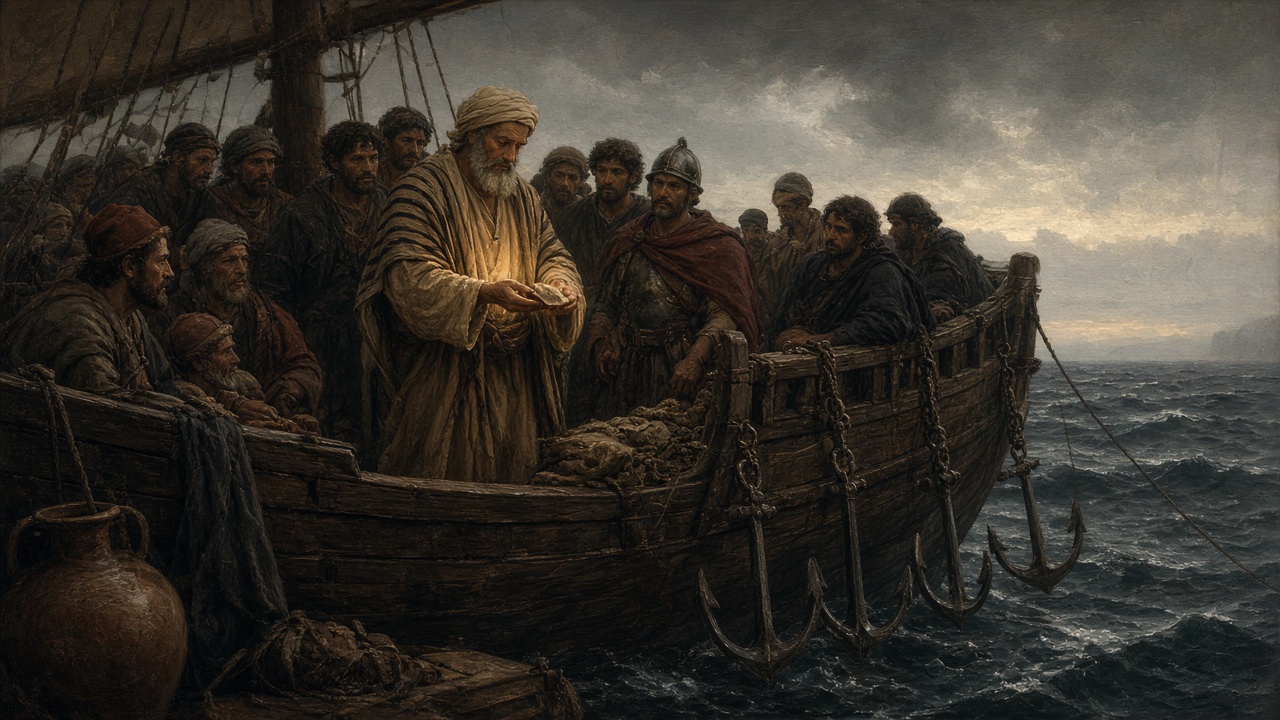
Did you know?
Storm and Shipwreck on the Way to Rome
- Paul and the other prisoners did not sail straight to Italy. At Caesarea they boarded a ship of Adramyttium, a city on the coast of Mysia in Asia Minor, bound for ports along the coast of Asia, a name Easton's Bible Dictionary takes in this verse as probably Asia Minor, and that ship carried them only as far as Myra in Lycia. There the centurion put them aboard an Alexandrian ship sailing for Italy; the dictionary notes that it was rare for a ship to sail from any port of Palestine direct to Italy.Sources: Adramyttium · Asia · the Bible text itself
- The prisoners were handed over to Julius, a centurion of the Imperial Regiment. Easton's Bible Dictionary identifies him as centurion of the Augustan cohort, or the emperor's body-guard, and describes his courteous regard for Paul. At Sidon, about twenty-five miles north of Tyre, he let Paul visit friends and receive care; later he blocked the soldiers' plan to kill the prisoners so that Paul's life would be spared.Sources: Julius · Sidon · the Bible text itself
- After Cnidus the ship worked along Crete, one of the largest islands in the Mediterranean, about 140 miles long and 35 broad, which Paul visited on this voyage to Rome. The account says the voyage had already become dangerous because it was after the Fast, and Fair Havens was unsuitable for wintering. One chronology dates the start of the journey to Rome to AD 56 and the shipwreck in the storm to AD 57.Sources: Crete · Journey to Rome begins · Paul is shipwrecked by a storm · the Bible text itself
Notes written with AI assistance from open sources (Theographic Bible Metadata, CC BY-SA 4.0; Easton’s Bible Dictionary, public domain) and reviewed before publishing.
Places in this chapter
- Italy · 41.892, 12.485 · verses 1, 6
- Adramyttium · Today: Oren · 39.501, 26.933 · verse 2
- Asia · 38.400, 28.300 · verse 2
- Thessalonica · Today: Thessaloniki · 40.638, 22.946 · verse 2
- Sidon · Today: Sandikli archaeological site in Sidon · 33.561, 35.372 · verse 3
- Cyprus · 35.000, 33.000 · verse 4
- Cilicia · 36.913, 34.892 · verse 5
- Lycia · 36.733, 29.900 · verse 5
- Myra · 36.259, 29.985 · verse 5
- Pamphylia · 37.000, 31.000 · verse 5
- Alexandria · 31.183, 29.896 · verse 6
- Cnidus · 36.686, 27.375 · verse 7
- Crete · 35.310, 24.893 · verses 7, 8, 12, 13, 14, 21
- Salmone · Today: Cape Sideros · 35.316, 26.312 · verse 7
- Fair Havens · Today: Kaloi Limenes · 34.930, 24.800 · verses 8, 12
- Lasea · Today: Lasaea · 34.941, 24.811 · verse 8
- Cauda · Today: Gavdos · 34.833, 24.083 · verse 16
- Syrtis · Today: Sidra · 31.500, 18.000 · verse 17
- Adriatic Sea · Today: Adriatic and Ionian Seas · 38.000, 19.000 · verse 27
Only places identified with high confidence are shown (90% or more according to the scholarly sources compiled by OpenBible). Period map: DARE (Digital Atlas of the Roman Empire), CC BY 4.0; modern map: © OpenStreetMap contributors; places: OpenBible.info (CC BY 4.0).
Credits and license for this translation
Píívyéébé ihjyu: jetsocríjyodítyú cáátúnuháámɨ
New Testament in Bora (PE:boa:Bora)
copyright © 2008 Wycliffe Bible Translators, Inc.
Language: Bora
Translation by: Wycliffe Bible Translators, Inc.
Boara [boa], Peru
Copyright Information
© 2008, Wycliffe Bible Translators, Inc. All rights reserved.
This translation text is made available to you under the
terms of the Creative Commons License: Attribution-Noncommercial-No Derivative Works.
( http://creativecommons.org/licenses/by-nc-nd/3.0/ )
In addition, you have permission to port the text to different file formats, as long as you
do not change any of the text or punctuation of the Bible.
You may share, copy, distribute, transmit, and extract portions
or quotations from this work, provided that you include the above copyright
information:
You must give Attribution to the work.
You do not sell this work for a profit.
You do not make any derivative works that change any of the actual words or punctuation of the Scriptures.
Permissions beyond the scope of this license may be
available if you contact
us with your request.
The New Testament
in Bora
© 2008, Wycliffe Bible Translators, Inc. All rights reserved.
This translation is made available to you under the terms of the
Creative Commons Attribution-Noncommercial-No Derivatives license 4.0.
You may share and redistribute this Bible translation or extracts from it in any format, provided that:
You include the above copyright and source information.
You do not sell this work for a profit.
You do not change any of the words or punctuation of the Scriptures.
Pictures included with Scriptures and other documents on this site are licensed just for use with those Scriptures and documents.
For other uses, please contact the respective copyright owners.
2014-04-22
Source: http://ebible.org/boaNT/ · eBible.org