2 Thessalonians 2
Píívyéébé ihjyu: jetsocríjyodítyú cáátúnuháámɨ · Tap a verse to see its cross-references.
Naavéneéjpí méénune
1Ámuúha múúhá nahbémuj, muurá Máavyéjuube Jetsocríjtó tsááíñé úmɨ́wari páhduváré nééne mávaríjchojúúné íjcyaáhi. 2Áánéllii ámúhakye muha menéé íñe Píívyéébé uwáábódú nénehjɨ tsaate naavédú nééne ɨɨ́ɨ́téné pañe iájtyumɨ́né úwáábóneri ámuha meíllityéne memújtátuki. Áhdure tsaate múúha mémeri íllure iállíñe icyáátúnúháámɨ́ pañe ‘tsúúca Ávyéjuube tsájucóóhií’ iñéhaamɨ ámúha éllevu wállóhajchíí méɨ́ɨ́cúvedí tééneri. 3Tsáma tsaatédívú máállítsámeídíñe. Muurá ihdyu ɨ́mɨááné dibye tsááíñé ɨhde tsaate Píívyéébé uwááboju állíuríyéjuco dílloíñe. Téijyu muurá bóhówáávéiibye ímítyuube Naavéneéjpí íjcyáábeke Píívyéébe ɨ́cúbáhráiíbye. 4Aabe páhduváré dárɨ́ɨ́veé Píívyéébeéjteke dííbyekéré ditye dúúrúváíyóneri iíjyácunúnema. Muurá Píívyéébedi idíllómeíñe dííbyé duurúvájá pañévú úcáávéiíbye.
5Aane muurá ámuha méwaajácú ɨ́veekí ícyooca dibyéi bóhówáávetúne. Muurá ihdyu iéévéi úújetécooca bóhówáávéiíbye. ¿A tsá ámuha meɨ́tsáávetú éhnée ámúhakye ehdu mééma tene pájtyeíñé o néhijcyáne? 7Tééné pañéjúcooro muurá mee ícyoóca. Árónáa ihdyu tsáhái dibye méhdivu bóhówáávetú Píívyéébere néhdújuco. Dibye ihdyu dííbyeke ɨ́hvéjtsócooca botsíi bóhówáávéiíbye. 8Aabe muurá Naavéné ɨhnáhooríyé méénúráítyúronéhjɨ́ méénuú tééneri mɨ́amúnáake imújtátsoki. Ehdu imyéénúneri mújtátsóiibye Críjtodítyú íjcyáné uwááboju ɨ́mɨáájú cáhcújtsotúmé wágóóóvéímyeke. Áánéllii Píívyéébe diityéké ɨ́hvéjtsoó ditye awáá iímillédú teene icyáhcújtsoki. Aame tééné déjúcotu ílluréjuco wágóóóveíñe. Árónáa Ávyéjuube Jetsóó itsáácooca eene ténejcúvú diityéké ɨ́búwátsohíjcyáábeke íámɨ́tsaráhcori ɨɨ́cúbáhráábeke íllure ɨɨ́bátsuhjácóneri dsɨ́jɨ́vétsoóhi.
Muhdú mepájtyetéiñe
13Áánetu ihdyu ámúhakye Píívyéébe wájyúnéllii ámuha dííbyeke ímí mecáhcújtsóné hallúvú muha dííbyeke météhdútsohíjcyáhi. Muuráhjáa tsúúcajátújuco dibye meke újcune Íapííchó meke ímíjpyetétsónej tééveri dííbyeke mecáhcujtsómé mepájtyetéki. 14Ahdújucóo muurá íñe ámúhakye muha meúwáábónej tééveri dibye ámúhakye újcune Máavyéjuube Jetsocríjtoma tsaméhjɨ́ dííbyé avyéjuri meíjcyaki.
15Ehdu teéne, ámuúha múúhá nahbémuj. Ahdícyane tsáma máábájɨ́ɨ́vedí éhnée ámúhadi muha meúlléjécooca ámúhakye muha meúwáábohíjcyáne. Áhdure íñe waajácúháámɨ́ pañe ámúhakye muha menéhijcyáné méɨ́hvéjtsodíñe. 16Aane óvíi Máavyéjuube Jetsocríjtomútsí Méécááni Píívyéébema ámúhakye pɨ́aabó tsaímíyé ámuha meíjcyame ɨ́mɨáánéré meméénuhíjcyaki, áhdure ámuha ɨ́mɨáánéré meíhjyúvahíjcyaki. Muuráhjáa mítyane meke iwájyúnéllii méhdi ɨɨ́dáátsóvéne meke újcuube múijyú nɨ́jkéváityúné meímíjyu dííbyema íavyéjuri meíjcyáiñévú mecátsɨ́páávénema.
Did you know?
The Day of the Lord Has Not Yet Come
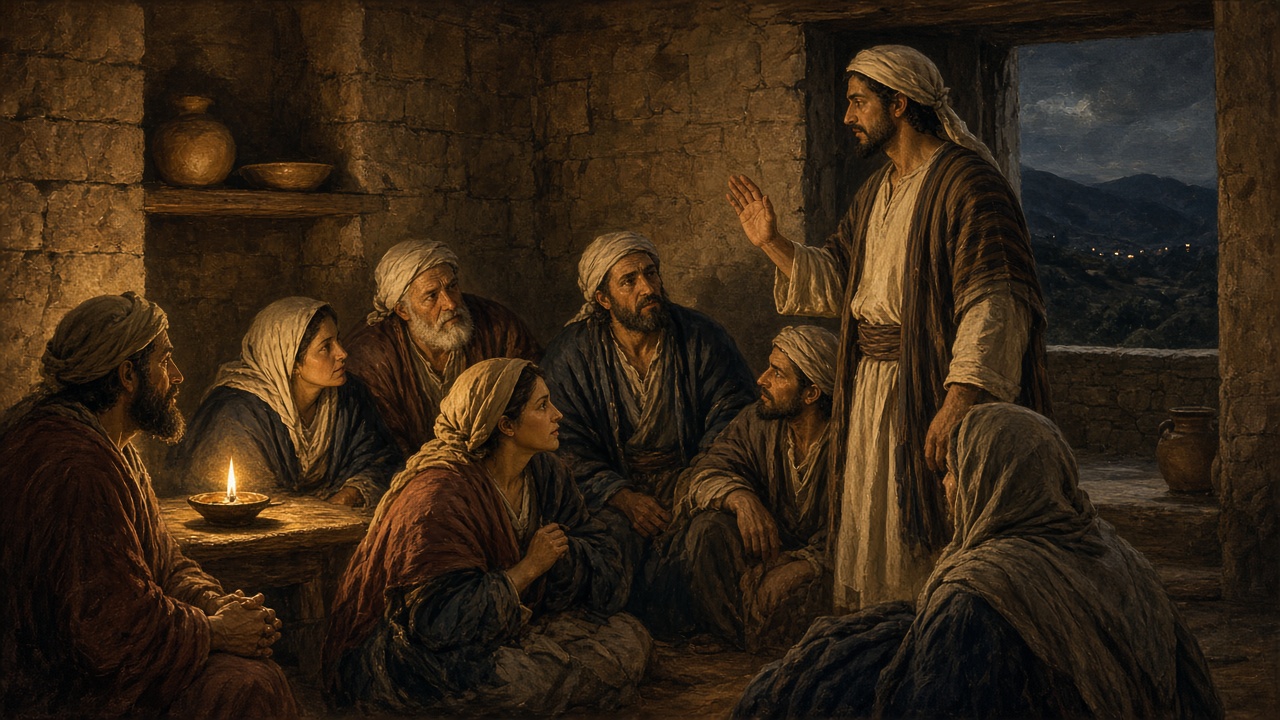
- The chapter urges readers not to be easily alarmed by a spirit, a message, or a letter that only seems to come from the authors and claims that the Day of the Lord has already come. It says that day will not arrive until the rebellion occurs and the man of lawlessness is revealed.Sources: the Bible text itself
- Called also the son of destruction, he is described as exalting himself above every so-called god, seating himself in the temple of God, and proclaiming himself to be God. The passage refers to what now restrains him, and to the one who restrains, but it does not name that restraint.Sources: the Bible text itself
- The coming of the lawless one is accompanied by the working of Satan, with every kind of power, sign, and false wonder. Satan means adversary or accuser; in the New Testament the name is used interchangeably with Diabolos, the devil, more than thirty times.Sources: the Bible text itself · Satan
Notes written with AI assistance from open sources (Theographic Bible Metadata, CC BY-SA 4.0; Easton’s Bible Dictionary, public domain) and reviewed before publishing.
Credits and license for this translation
Píívyéébé ihjyu: jetsocríjyodítyú cáátúnuháámɨ
New Testament in Bora (PE:boa:Bora)
copyright © 2008 Wycliffe Bible Translators, Inc.
Language: Bora
Translation by: Wycliffe Bible Translators, Inc.
Boara [boa], Peru
Copyright Information
© 2008, Wycliffe Bible Translators, Inc. All rights reserved.
This translation text is made available to you under the
terms of the Creative Commons License: Attribution-Noncommercial-No Derivative Works.
( http://creativecommons.org/licenses/by-nc-nd/3.0/ )
In addition, you have permission to port the text to different file formats, as long as you
do not change any of the text or punctuation of the Bible.
You may share, copy, distribute, transmit, and extract portions
or quotations from this work, provided that you include the above copyright
information:
You must give Attribution to the work.
You do not sell this work for a profit.
You do not make any derivative works that change any of the actual words or punctuation of the Scriptures.
Permissions beyond the scope of this license may be
available if you contact
us with your request.
The New Testament
in Bora
© 2008, Wycliffe Bible Translators, Inc. All rights reserved.
This translation is made available to you under the terms of the
Creative Commons Attribution-Noncommercial-No Derivatives license 4.0.
You may share and redistribute this Bible translation or extracts from it in any format, provided that:
You include the above copyright and source information.
You do not sell this work for a profit.
You do not change any of the words or punctuation of the Scriptures.
Pictures included with Scriptures and other documents on this site are licensed just for use with those Scriptures and documents.
For other uses, please contact the respective copyright owners.
2014-04-22
Source: http://ebible.org/boaNT/ · eBible.org