1 Thessalonians 4
Píívyéébé ihjyu: jetsocríjyodítyú cáátúnuháámɨ · Tap a verse to see its cross-references.
Píívyéébe ímillédú meíjcyane
1Áánéllii ámúhakye múúhá nahbémuke muha menéé Máavyéjuube Jetsóo mémeri panévatúré tsaímíyé ámuha meíjcya Píívyéébe ímillédú muhdúhjáa ámúhakye muha meúwaabódu. Aane óvíi ámuha méúraavyé éhnííñevu.
2Muurá ámuha méwaajácú Ávyéjuube Jetsóó taúhbajúré ámúhakye muha meúwáábohíjcyáne. 3Muurá Píívyéébe imíllé dííbyedívú ámuha meɨ́hvéjtsámeíñe dibye ímillédú meíjcyane. Áánéllii tsá múu ihdícyámema dómácójcatsítyúne. 4Múu ityáábávájcatsíñe tsaímíyé ijcyáhi. 5Tsá múu Píívyéébeke wáájácutúmé dárɨ́ɨ́vécatsíhijcyádú átéréénéhjɨ́ hallútú ɨ́cúbáhrájcatsítyúne. 6Tsá múu íñáhbé táábake pátsáríjcyotúne. Muurá ehdu dárɨ́ɨ́vémeíhíjcyámeke tééné hallútú ɨhnáhooíñé Píívyéébe ɨ́cúbahráne. Téénélliihyée muurá tsúúca ámúhakye éíjyu muha méúúballé teéne. 7Tsáháa ímítyunéhjɨ́ meméénu dibye meke újcutúne. Mekée újcuube ténehjɨ meɨ́hvéjtsóne meímíjpyetéki. 8Ááné uwááboju tsaate éhdɨɨvállehíjcyámé tsá mɨ́amúnáake éhdɨɨválletúne. Píívyéébekéré ehdɨ́ɨ́vallémé mépañévúu Íapííchó ipícyóóneri meke ímíjpyetétsóóbeke.
9Áánetu íñe muhdú ámuha tsané nahbémú mewájyújcatsííñetu tsáhájuco ámúhakye o cáátúnúityú tsúúca Píívyéébé túkevéjtsójú pañe ámuha meíjcyame tehdújuco mewájyújcatsíñélliíhye. 10Muurá Matsedóóniá iiñújɨ múnaa ménahbémuma ímí tehdújuco ámuha mewájyúcatsíhijcyáne. Árónáa ámúhakye muha menéé éhnííñevu ámuha pamévamáyé mewájyújcatsíki. 11Aame ihdyu tsaímíyé ɨ́búwajɨ́ɨ́ ámúhá wákimyéiyi meíjcyá ɨɨná ámúhadítyú ɨpɨ́htótu muhdúhjáa ámúhakye muha meúwaabódú tsijtye cahcújtso múnaa íjcyatúmé ámúhakye iávyejúúlleki.
Ávyéjuube Jetsóó tsiiñe tsááiñe
13Ámuúha múúhá nahbémuj, téhdure muha méimíllé ámúhakye meúúballéné íñe tsúúca cahcújtso múnaa íjcyame dsɨ́jɨ́vehíjcyámé muhdú íjcyaíñé ámuha ɨ́dátsó meɨ́jtsúcunúne mekímóóvétu eene pájtyetéityúmé ɨ́dátsó kímóóvehíjcyádu. 14Muuráhjáa Jetsóó dsɨ́jɨ́veebe tsiiñe bóhɨɨne mecáhcujtsómé méwaajácú téhdure Píívyéébe meke bóhɨ́ɨ́tsoíñé dííbyeke mecáhcujtsómé medsɨ́jɨ́vémeke.
15Muurá tsiiñe dibye tsáácooca téijyu íjcyame tsá pééityú medsɨ́jɨ́vémé ɨhdéré dííbye éllevu. Ehdu Píívyéébere nééne íñe ámúhakye muha méúúballéhi. 16Aabe Jetsóoma wálloó níjkyéjɨ múnáá avyéjúúbeke dííbyé rojrócori dibye meke ɨpɨ́úva dííbyé cahcújtso múnaa meíjcyámeke. Áijyu muurá pámeere múhdumé dííbyé cahcújtso múnaa meíjcyame tsiiñe mébóhɨɨ́hi. 17Átsihdyu ihdyu botsíi téijyu íjcyámema tsaméhjɨ́juco mepééiñe cáámevu Máavyéjúúbema maátyúmɨ́jcatsíki. Aame dííbyema méíjcyaá muhdú íjcyáityúmeréjuco. 18Áánéllii téénevu mecátóróóvéne métsɨ́pátsócatsíhijcya.
Did you know?
Holiness, Love, and Hope for the Dead
- This chapter notes that its readers were already showing love to all the brothers throughout Macedonia. In New Testament times Macedonia was a Roman province lying north of Greece, governed by a propraetor with the title of proconsul. Paul was summoned by a vision of the "man of Macedonia" to preach the gospel there.Sources: the Bible text itself · Macedonia
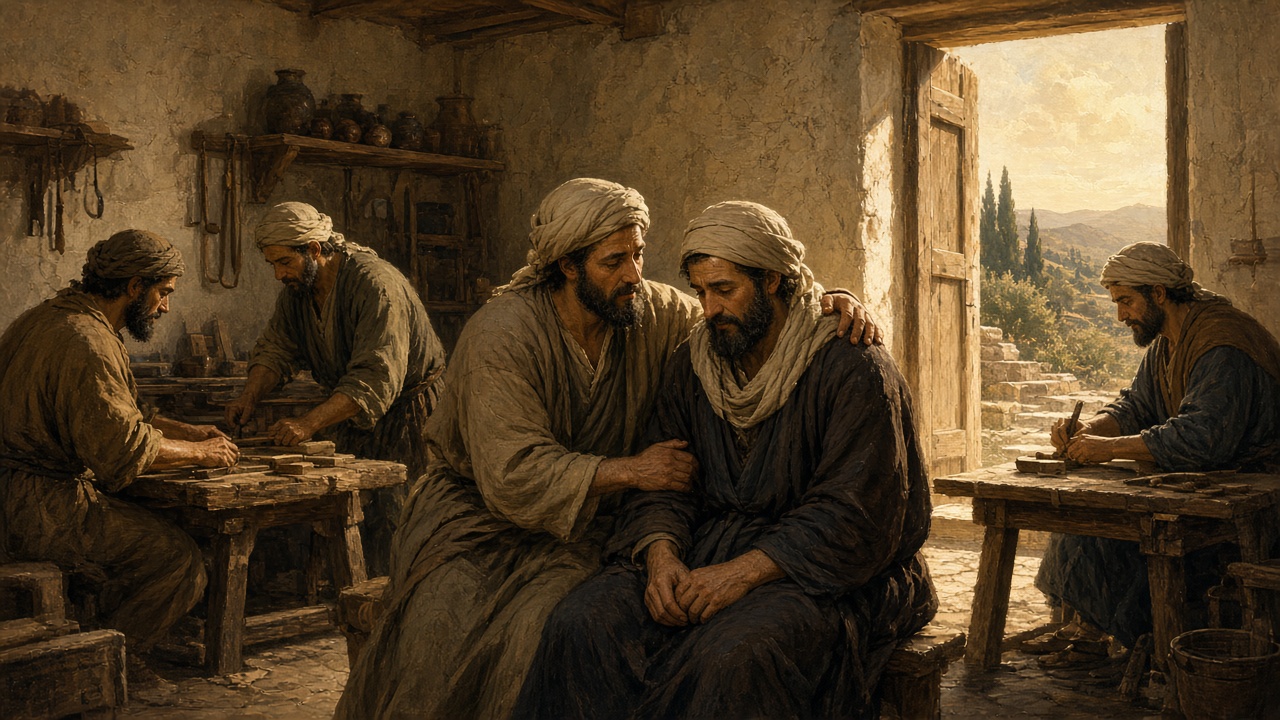
- The chapter speaks of the dead as people who sleep or have fallen asleep, and it asks the readers not to grieve like the rest, who have no hope. Because Jesus died and rose again, it says, God will bring with Jesus those who have fallen asleep in him; the dead in Christ will rise first, and then those still alive will be caught up with them in the clouds to meet the Lord in the air.Sources: the Bible text itself
- The readers are urged to aspire to a quiet life, to attend to their own matters, and to work with their own hands, as they had already been instructed. The chapter presents this as the way to behave properly toward outsiders and to avoid being dependent on anyone.Sources: the Bible text itself
Notes written with AI assistance from open sources (Theographic Bible Metadata, CC BY-SA 4.0; Easton’s Bible Dictionary, public domain) and reviewed before publishing.
Places in this chapter
- Macedonia · 41.600, 22.540 · verse 10
Only places identified with high confidence are shown (90% or more according to the scholarly sources compiled by OpenBible). Period map: DARE (Digital Atlas of the Roman Empire), CC BY 4.0; modern map: © OpenStreetMap contributors; places: OpenBible.info (CC BY 4.0).
Credits and license for this translation
Píívyéébé ihjyu: jetsocríjyodítyú cáátúnuháámɨ
New Testament in Bora (PE:boa:Bora)
copyright © 2008 Wycliffe Bible Translators, Inc.
Language: Bora
Translation by: Wycliffe Bible Translators, Inc.
Boara [boa], Peru
Copyright Information
© 2008, Wycliffe Bible Translators, Inc. All rights reserved.
This translation text is made available to you under the
terms of the Creative Commons License: Attribution-Noncommercial-No Derivative Works.
( http://creativecommons.org/licenses/by-nc-nd/3.0/ )
In addition, you have permission to port the text to different file formats, as long as you
do not change any of the text or punctuation of the Bible.
You may share, copy, distribute, transmit, and extract portions
or quotations from this work, provided that you include the above copyright
information:
You must give Attribution to the work.
You do not sell this work for a profit.
You do not make any derivative works that change any of the actual words or punctuation of the Scriptures.
Permissions beyond the scope of this license may be
available if you contact
us with your request.
The New Testament
in Bora
© 2008, Wycliffe Bible Translators, Inc. All rights reserved.
This translation is made available to you under the terms of the
Creative Commons Attribution-Noncommercial-No Derivatives license 4.0.
You may share and redistribute this Bible translation or extracts from it in any format, provided that:
You include the above copyright and source information.
You do not sell this work for a profit.
You do not change any of the words or punctuation of the Scriptures.
Pictures included with Scriptures and other documents on this site are licensed just for use with those Scriptures and documents.
For other uses, please contact the respective copyright owners.
2014-04-22
Source: http://ebible.org/boaNT/ · eBible.org