1 Peter 2
Píívyéébé ihjyu: jetsocríjyodítyú cáátúnuháámɨ · Tap a verse to see its cross-references.
1Ahdícyane óvíjyacóóné ímityúné ámuha meméénuhíjcyáne. Tsá múu állíuutúne. Tsá múu pánehjɨ́dú ɨ́mɨáámé íjcyatúne. Tsá múu nómíutáávatúne. Tsá múu ímityúné íhjyúvatú tsíjtyedítyu. 2Ɨ́mɨá uwááboríyé métsúúraméí éhne múúne tsɨ́ɨ́mene ñohñórí íjyácunúdu. Ááne tééné uwáábó ímíñeúvú méuráávyé ámuha mepájtyetéki. 3Aane óvíi ehdu méijcyá Jetsocríjtó ɨ́mɨáábé meke wájyune tsúúca mewáájacúme.
Críjto páñétúejpi
4Aame ihdyu ímíñeúvú meíjcyá dííbyema nééwayúdú néébe meke bohɨ́ɨ́vú ájcúúbema. Muuráhjáa dííbyeke mɨ́amúnaa éhdɨɨválléróóbeke Píívyéébe picyóó ávyeta ɨ́htsútuube páñétúejpi dibye iíjcyaki. 5Ahdu óvíi meke téhdure nééwayúdú menéémeke pícyoobe ihjyádú meíjcyaki. Téhdure óvíi meke llúúvájtedívú pícyoobe dibye ímillédú meíjcyame dííbyeke meɨ́ɨ́cuvémé ímí dííbyema meíjcya Jetsocríjtoj tééveri. 6Muurá dííbyé waajácúháámɨtu nééneé:
Tsióó cóómi múnáá pañévú ó pícyoó ávyeta wájyúmeííbyeke éhne ímichi tééutu jaa éjkeu nééwayúdú néébeke. Áábeke cáhcujtsómé tsá ɨ́ɨ́nerí báñúmeíityúne.
Ehdu nééne Píívyéébé waajácúháámɨtu.
7Aane dííbyeke cáhcujtsómé dííbyeke wajyúhi. Áánetu dííbyeke cáhcújtsotúmé tsá wájyutú Píívyéébé waajácuháámɨtu íllu tene néhdújuco:
Tsaúpe nééwayu jááháñé wákimyéi múnaa iñéhnílléne waagóórou pícyámeí ímichi tééutu jaa éjkéiu.
8Téhdure tsiiñe nééneé:
Diibye muurá éhne múúne nééwáyutu ávyé mecábóhcámeímyé maáákityéúdú néébeé.
Ahdújuco muurá dííbyé uwááboju ímí cáhcújtsotúmé mújtámeke tene pájtyene.
Píívyéébeéjte
9Árónáa ihdyu tsá ámuha ehdu menéétune. Muuráhjáa ihdyu Píívyéébere ámúhakye iújcúmeke picyóó llúúvájtedívú dííbyé wákiméí ámuha ɨ́mɨááméré meíjcyáne meméénu dííbyeke dúúrúvamére. Aane imílleebe mɨ́amúnáake ámuha meúúballéné muhdú dibye ámúhakye ímítyúnetu ɨ́mɨánejcúvú íjchívyetsóne. 10Muuráhjáa ɨ́hde ámuha ihdícyaméréi meíjcyame tsá dííbyé pɨáábójú pañe meíjcyatúne. Árónáa ícyooca tsúúca dííbyeéjté ámuha meíjcyame tééné pañe méijcyáhi.
Píívyéébekéré meɨ́ɨ́cúvéiyóne
11Ahdícyane tsá ííñújɨ́ejte ámuha meíjcyájúcootúne, ámuúha táñahbémuj. Muurá ihdyu Píívyéébé avyéjúejtéréjuco ámuúha. Áánéllii ámúhakye o néé meke tútávájtsóíyónéhjɨri ámuha meúmúúpívyétuki. 12Ɨ́mɨááméré meíjcyá Píívyéébeke wáájácutúmé ímityúné ámúhadítyú íhjyúvárónáa ímí ámuha meíjcyáné hallúvú dííbyeke ditye iávyéjújtso tsiiñe Jetsóó tsáácoóca.
13Téhdure múu avyéjuullé páñétúejpi méiiñújɨ́ avyéjúúbeke pahúlleváré dííbyé pɨ́áábo múnaa íjcyámemájuco. Muurá Píívyéébere diityéké picyóó ditye ímítyúmeke iúwááboki, áánetu ɨ́mɨáámeke ditye ɨpɨ́ááboki. 15Muurá imílleebe ɨ́mɨááméré meíjcyane ténejcu wáájácutúmé ɨ́mɨáájú meúráávyénetu ímityúné iíhjyúvátuki.
16Áánéllii ɨ́mɨááméré meíjcyá tsúúca ímityúnetu ámuha meíjchivyéme. Aame ihdyu ímityúné mémeenújúcohdí tsúúca Píívyéébé hójtsɨ́ pañéréjuco ámuha meíjcyame. 17Aame múu dííbyeke iíllíñe dibye ímillédú íjcyame pámévakéré avyéjuullé méiiñújɨ́ avyéjúúbemájuco. Téhdure múu pámeere Píívyéébeéjtema wajyújcatsíhi.
Muhdú ɨ́cúbáhraméí maáábucúne
18Áhdure múu tsaaté hójtsɨ́ pañe íjcyame diityéké iávyejúúlléne meenú ditye táuhbáne. Tsá múu ɨ́mɨáámemáyé ímí íjcyatúne. Ímityúmé íjcyárómema múu ɨ́mɨáámé ijcyáhi. 19Muurá ihdyu Píívyéébe ímillédú meíjcyáné hallútú meke ditye ɨ́cúbahráné maáábúcúhajchíí ímí meke ɨjtsúcunúúbe. Áánetu ímityúné meméénúné hallútú meke ditye ɨ́cúbahráné maáábúcúrónáa ¿aca meke ímí ɨjtsúcunúúbe? Tsáhaá. 21Muuráhjáa Píívyéébe meke ujcú Críjto mewájyuri ɨ́cúbáhrámeííbyé ɨ́mɨáábé íjcyadu meíjcyaki. 22Tsáháa muurá dibye múijyú ímityúné méénutúne. Áhdurée tsá muucá dibye állityúne. 23Muuráhjáa dííbyedítyú ímityúné íhjyúvárómeke tsá dibye pɨ́ámeíhíjcyatúne. Áhdurée dííbyeke ɨ́cúbáhrárómeke tsá dibye méénúllehíjcyatúne. Íllurée ɨ́hvéjtsámeííbyé Píívyéébedívú dibye teene diityémá iímíbájcho muhdú tene íjcyadújuco. 24Aabée muurá Críjto dsɨ́jɨvé páwachékevu mépée medsɨ́jɨ́véiyóné tsúúcajáa méimítyú déjuco dsɨ́jɨ́vemédú meíjcyarómé meímíbáávyeki. Ehdúu mewájyuri dibye ɨ́cúbáhrámeíñej tééveri méímíbaavyéhi. 25Muuráhjáa éíjyu ɨ́dátsó méícyahíjcyá Píívyéébeke wáájácutúmé éhne múúne obééjámú mújtame íjcyadu. Árónáa ícyooca tsúúca métehméébé Críjtoma méijcyáhi.
Did you know?
Living Stones and a Chosen People
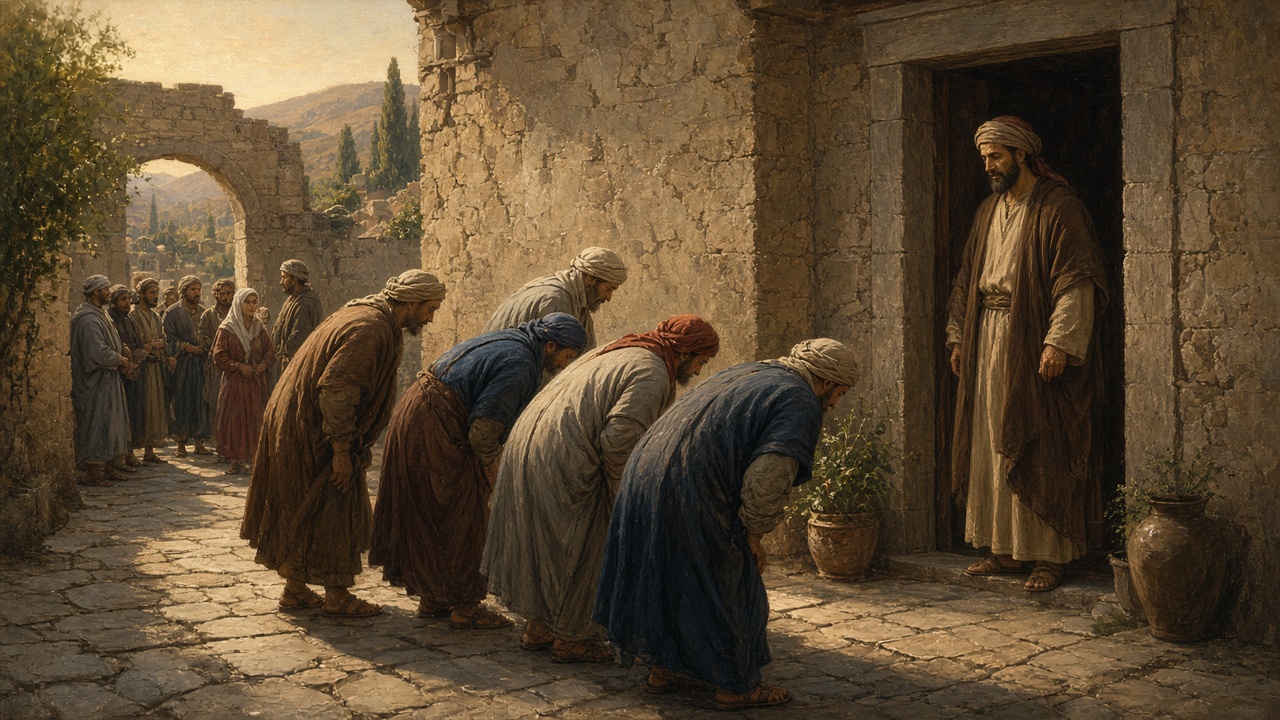
- This chapter quotes Scripture about a chosen and precious cornerstone laid in Zion: the one who believes in him will never be put to shame. Zion was the south-eastern hill of Jerusalem, one of the heights on which the city was built, surrounded on every side except the north by deep valleys.Sources: the Bible text itself · Zion
- David took Zion from the Jebusites, built a citadel and a palace there, and the hill became known as the city of David. The letter uses that place-name when it quotes Scripture about a cornerstone laid in Zion, and it pictures the readers as living stones being built into a spiritual house and a holy priesthood.Sources: Zion · the Bible text itself
- The chapter urges submission, for the Lord’s sake, to every human institution—to the king as supreme authority and to governors sent to punish wrong and praise what is right. It tells servants to respect even unreasonable masters, and it holds up Christ’s suffering, without sin, deceit, threats, or retaliation, as the pattern for enduring unjust pain.Sources: the Bible text itself
Notes written with AI assistance from open sources (Theographic Bible Metadata, CC BY-SA 4.0; Easton’s Bible Dictionary, public domain) and reviewed before publishing.
Places in this chapter
- Zion · Today: Jerusalem · 31.777, 35.234 · verse 6
Only places identified with high confidence are shown (90% or more according to the scholarly sources compiled by OpenBible). Period map: DARE (Digital Atlas of the Roman Empire), CC BY 4.0; modern map: © OpenStreetMap contributors; places: OpenBible.info (CC BY 4.0).
Credits and license for this translation
Píívyéébé ihjyu: jetsocríjyodítyú cáátúnuháámɨ
New Testament in Bora (PE:boa:Bora)
copyright © 2008 Wycliffe Bible Translators, Inc.
Language: Bora
Translation by: Wycliffe Bible Translators, Inc.
Boara [boa], Peru
Copyright Information
© 2008, Wycliffe Bible Translators, Inc. All rights reserved.
This translation text is made available to you under the
terms of the Creative Commons License: Attribution-Noncommercial-No Derivative Works.
( http://creativecommons.org/licenses/by-nc-nd/3.0/ )
In addition, you have permission to port the text to different file formats, as long as you
do not change any of the text or punctuation of the Bible.
You may share, copy, distribute, transmit, and extract portions
or quotations from this work, provided that you include the above copyright
information:
You must give Attribution to the work.
You do not sell this work for a profit.
You do not make any derivative works that change any of the actual words or punctuation of the Scriptures.
Permissions beyond the scope of this license may be
available if you contact
us with your request.
The New Testament
in Bora
© 2008, Wycliffe Bible Translators, Inc. All rights reserved.
This translation is made available to you under the terms of the
Creative Commons Attribution-Noncommercial-No Derivatives license 4.0.
You may share and redistribute this Bible translation or extracts from it in any format, provided that:
You include the above copyright and source information.
You do not sell this work for a profit.
You do not change any of the words or punctuation of the Scriptures.
Pictures included with Scriptures and other documents on this site are licensed just for use with those Scriptures and documents.
For other uses, please contact the respective copyright owners.
2014-04-22
Source: http://ebible.org/boaNT/ · eBible.org