Deuteronomy 9
A Nitana Vure · Tap a verse to see its cross-references.
E Huriki a Israel Ri Longotaro a Nitane BAKOVI DAGI
1E Moses i ta tabu i ta maea, “Mua o huriki a Israel mu longo. I tabukoi ngane mu gu tulu poloa a naru e Iordan, bara mu vano mu lili tala e huriki ri gao hateka ne mua, mu bolea a malala ne ria. Ri tahoka a maka tanga, ni tura halui na nure-kedo i padoi a bubu. 2Re huriki nga ri gao ri ola hateka, re huriki a Anak. Mu longo pali a velengane ria re huriki nga, i uka tara viri ge rangi ria ma na vabinga. 3Pali ngane mu lohoka kamumu maea, e BAKOVI DAGI a Vure ne hita, ge muga ne mua, ge manga a kanono i hube i kara hateka. Na tahuna mu laho lokovonga bara i ratapile a maka nitora ne ria. I mavonga bara mu vaubi turane ria, mu lili tala ria, mu ratapile ria malaviriri, i manga a ngava i ta muholi vona ge rata.
4“Muri ne BAKOVI DAGI a Vure ne hita i lili tala ria pali, ma mu gu taki mule mua, mu gu ta maea, ‘A BAKOVI DAGI i habia ne hita a malala iea, a vuhuna i matai hita, hita e huriki a bakovi a ngatavine malamala.’ Ra niluhoi maea i uka ma i muholi. E BAKOVI DAGI i matai re huriki a bakovi a ngatavine ra ri made vona ngane a malala iea, ri rata a maka naro hale hateka, ge lili tala ria. 5Naha ni luhoi mu kamumu mu lohoka ni rata a maka naro kamumu, lakea mu gu bolea a malala iea. E BAKOVI DAGI a Vure ne mua bara i lili tala ria, a vuhuna ria e huriki a bakovi hale hateka. Lakea tabu i ngaru ge bele muholi a nita muholi i kaba lakea ne huriki a gare hosi ne Abraham, ne Isak, ne Iakop. 6Muholi hateka ra malala iea i rike kamumu hateka vona a maki, pali e BAKOVI DAGI i uka ma i habia mua ge a mapana a naro kamumu ne mua. Ra mua, mua a bakovi a ngatavine na tagenga.
7“Naha ni longokaburungi, na tahuna mu made na malala golea mu ratea e BAKOVI DAGI a Vure ne mua i madihi a hatena. Na tahuna mu pe e Egipto i valai i harena mona, mu longotaro a nitane BAKOVI DAGI. 8Na lolo e Sinai mu ratea e BAKOVI DAGI i madihi a hatena, i tabukoi ge ratapile mua. 9Iau a sike na lolo ta ga bole a tabekena kedo i rua, e BAKOVI DAGI i here puru a maka nita muholi i rata turane mua. Iau a made vonga na parava i ravulu va, a rodo i ravulu va, i uka ma a kania tara maki, i uka ma a ninu. 10Lakea e BAKOVI DAGI i habi nau a tabekena kedo i rua, i here vona a ngava i habi mua na tahuna mu vapopo na dahana lolo, i made pololilo na kanono ia.
11“Muri na parava i ravulu va, a Vure i habi nau a tabekena kedo nga i rua, i here a ngava dagi vona. 12Lakea i taki iau i ta maea, ‘O pe a lolo o puru malaviriri kunana, a vuhuna e huriki a tara vomu, ra o bole ria o Egipto o taparaki valai ria koea, ri rata a naro hale. Ri malaviriri kunana ri ngalahere vona a maka vinara nau, ri ratea a vure ne ria na gol.’
13“Lakea e BAKOVI DAGI i taki tabu iau i ta maea, ‘Iau a lohoka pali ne huriki nga, ri tagege hateka. 14Ngane a ngaru ni ratapile lobo ria, i uka ma ni gi luhoi tabu. Naha ni hatekakari iau. Ga rata maea, muri ga rata mua a kabu dagi i gao hateka, i rangi e huriki nga.’
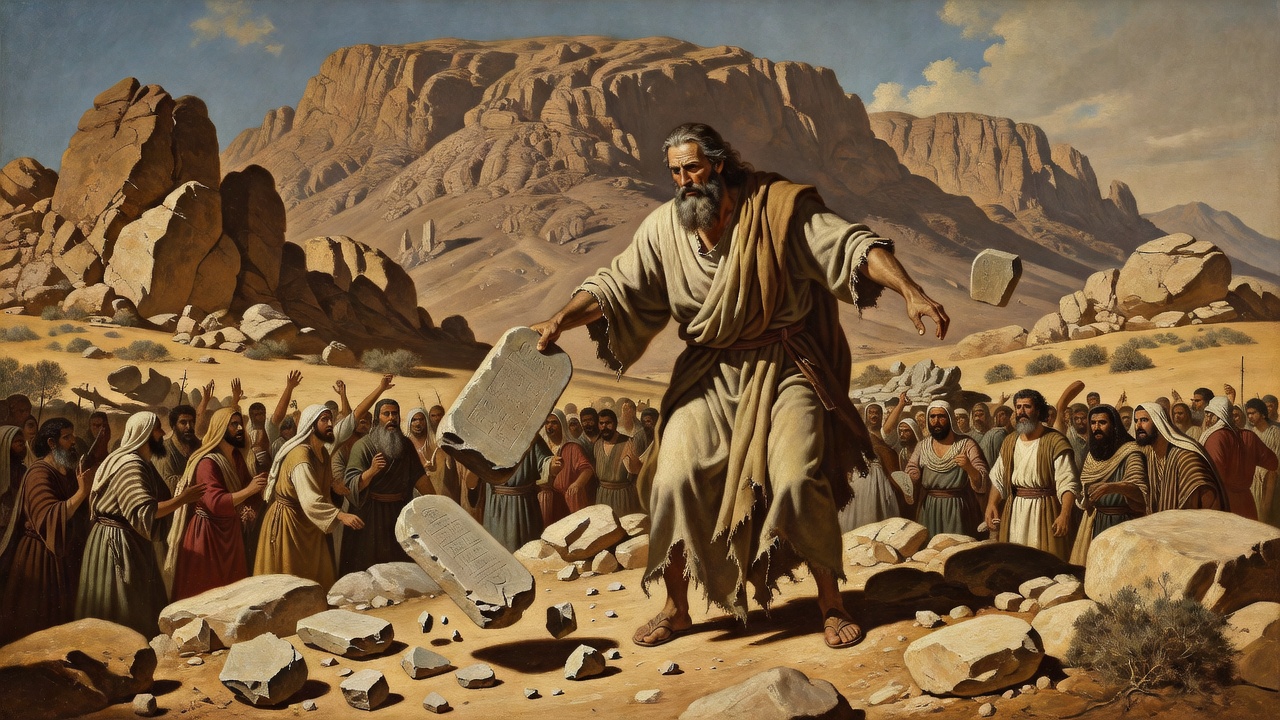
15“Lakea a bole a tabekena kedo nga i rua, a Vure i here puru vona a nita muholi, a pe a mapana lolo, a raga puru. Na tahuna iea a kanono dagi i hube na lolo, a niparana i parai rikea a hunu. 16Iau a puru valai pali, i muholi hateka, a matai mua mu ngalahere na maka vinara ne BAKOVI DAGI a Vure ne hita. Mu ratea a hanuna bulmakau na gol, ge a vure ne mua. Na naro iea kunana mu rata a naro hale na Vure. 17Na matane mua, a voro puru a tabekena kedo nga i rua, ru makeve liu.
18“Muri a hamule sike tabu ne BAKOVI DAGI a mahita ngalabarara puru na malala na haro, na rodo, i harena na parava i ravulu va. I uka ma a kani, i uka ma a ninu. A rata mavonga, a vuhuna mu rata a naro hale ne BAKOVI DAGI, mu ratea i madihi a hatena. 19E BAKOVI DAGI i madihi hateka a hatena, i luhoi ni vakalobo liu mua, lakea a mangenge hateka. Pali e BAKOVI DAGI i longo mai iau tabu. 20E BAKOVI DAGI i tahate hateka ne Aron, i ngaru ni ratapilea. Lakea a vasileki ga tuhoria e Aron, ga tuhori mua. 21A bulmakau mu ratea i vakabele a naro hale ne mua. Lakea a bolea a bulmakau, a voro rikea na kanono. Muri a ubimomoa i momo kesikesi i manga a habulo tavula, lakea a guru purua na naru i tua raga valai na lolo, i tua pasi vurokia.
22“Na tahuna mu made na tanga e Tabera, e Masa, e Kibrot-Hatava mu ratea e BAKOVI DAGI i madihi a hatena. 23Hosi mu made o Kades-Barnea i taki mua mu gu vano mu gu made vona a malala i ngaru ge habia ne mua. Pali mu longotaro a nitana, i uka ma mu luhoi tora ia, i uka ma mu ramai a nitana. 24Na tahuna a vakatubu ni leho turane mua i valai i harena mona, mu tagege hateka ne BAKOVI DAGI.
25“Na tahuna mu tababana mu made na dahana lolo, a sike na lolo a mahita ngalabarara puru na malala na matane BAKOVI DAGI, na haro na rodo i harena na parava i ravulu va. A rata mavonga, a vuhuna e BAKOVI DAGI i taki ge ratapile mua lobo. 26Lakea a vasileki maea, ‘O Bakovi Dagi, ioe a Vure, naha ni ratapile huriki a bakovi a ngatavine vomu. Ioe kunana o bole tala ria o Egipto na nitora dagi vomu, o taparaki valai ria koea. 27O luhoia e Abraham, e Isak, e Iakop tou a vora vomu, naha ni luhoi a maka tagenga, a maregoa, a naro hale ne huriki nga. 28E huriki a Egipto ma ri gi taki ioe, ‘I uka ma o kara ni taparaki lakea na malala o ta muholi vona ta go habia ne ria.’ Ma ri gi ta maea, ‘Ioe i uka ma o ngaru e huriki a tara vomu, i mavonga o bole lakea ria na malala golea o rabalaki ria.’ 29O BAKOVI DAGI, re huriki nga, o vulaki ria ge ria a tara vomu. Na nitora dagi vomu, o bole tala ria o Egipto, o taparaki valai ria koea.”
Did you know?
Not by Israel's Righteousness
- Moses warns Israel that their entry into Canaan is not earned through moral uprightness, directly calling them a stubborn or stiff-necked people. Instead, their conquest is attributed to the moral corruption of the resident nations and God's faithfulness to the covenant sworn to Abraham, Isaac, and Jacob.Sources: the Bible text itself · Abraham · Isaac · Jacob (Israel)
- The passage refers to the Anakim, descendants of Anak renowned for their great height and strength, who occupied heavily fortified cities in Canaan. Their reputation had previously intimidated the Israelites from attempting to enter the land.Sources: the Bible text itself · Anak
- To emphasize Israel's history of rebellion, Moses recounts the golden calf at Horeb where he shattered the two stone tablets and interceded for the people and Aaron. He also highlights repeated crises during the wilderness journey, including incidents at Taberah, Massah, and Kibroth-hattaavah.Sources: the Bible text itself · Horeb · Aaron · Taberah
Notes written with AI assistance from open sources (Theographic Bible Metadata, CC BY-SA 4.0; Easton’s Bible Dictionary, public domain) and reviewed before publishing.
Places in this chapter
- Jordan · Today: Jordan River · 31.761, 35.558 · verse 1
- Egypt · 30.129, 31.308 · verses 7, 12, 26, 29
- Mount Horeb · Today: Jebel Musa · 28.540, 33.973 · verse 8
Only places identified with high confidence are shown (90% or more according to the scholarly sources compiled by OpenBible). Period map: DARE (Digital Atlas of the Roman Empire), CC BY 4.0; modern map: © OpenStreetMap contributors; places: OpenBible.info (CC BY 4.0).
Credits and license for this translation
A Nitana Vure
Genesis, Exodus, Leviticus, Numbers, Deuteronomy, Joshua, Ruth, Jonah, and the New Testament in the Bola language of Papua New Guinea
Sampela hap Buk Baibel long tokples Bola long Niugini
copyright © 2011 Wycliffe Bible Translators, Inc.
Language: Bola
Translation by: Wycliffe Bible Translators
This translation is made available to you under the terms of the
Creative Commons Attribution-Noncommercial-No Derivatives license 4.0.
You may share and redistribute this Bible translation or extracts from it in any format, provided that:
You include the above copyright and source information.
You do not sell this work for a profit.
You do not change any of the words or punctuation of the Scriptures.
Pictures included with Scriptures and other documents on this site are licensed just for use with those Scriptures and documents.
For other uses, please contact the respective copyright owners.
2014-12-03
Source: http://png.bible/bnp/ · eBible.org