Hebrews 5
Hen alen Apudyus · Tap a verse to see its cross-references.
1Yag mepanggép hen anchichay kangatowanay pachi an chitaaw way Judio, wat an machutokan hen iha an chitaaw ah penaka-achar hen aminay ahentaguna an Apudyus. Ngém hiya, an yanggay ammag tagu way napele way manginchaton hen heno way michaton an Apudyus gapon fasor. 2Yag mafalin agé anohana amin hen cha mèfatan hen ahentaguna ya hen anchi achicha ma-awatan, te uray agé hiyaat gapoh kenatataguna, an agég nakapsot ya cha agé meh-aw. 3Yag gapo agén kenakapsotna ya hen chana meh-awan, wat faén yanggay ah kalengfan hen fasor hen tatagu hen manginchatonana hen ichatonna, te masapor wacha agé hen ichatonna ah kalengfan agé hen fasorna.
4Ya maid agé tatagu ah ammag manutok hen acharna way mansérfi hen anchi kachachayaw way sa-ad way kangatowanay pachi, te ah Apudyus yanggay hen mamele way kaman hen nekaman an Aaron way pés-éy chi pachi ad namenghan. 5Yag pachongna agé an Cristu, te faén hiya hen nangempachayaw hen acharna way mansérfi ah kangatowan way pachi, te ah Apudyus hen namele an hiya hen anchi nangimfag-ana way mangaliyén, “Ad uwan, hea hen anào te haén hen namfalin ah amam.” 6Yag wacha agé hen ihay nesosorat way ekat Apudyusén, “Kaman hen kenapachin Melkisedek ad namenghan way maid nangila ah péppégna, wat kaman agéhchi hen kenapachim way maid péppégna ah ing-inggana.”
7Hen anchi kawad-an Jesus hen antoy lota, magénén chana eparà way mankela hen chana manluwaruwan an Apudyus te hiya yanggay hen makaharà an hiya hen matéyana. Yag chengngar agé Apudyus hen luwaruna, te inyu-uyan Jesus hen hamhamàna hen heno way laychén Apudyus. 8Te uray no hiya hen anà paat Apudyusat penachasna hen kapàpàgangan hen omafurotan. 9Wat yachi hen nifisaran hen kenanongnongna way ad uwan, hiya hen po-on hen mannanayun way kahara-an hen aminay omafurot an hiya. 10Yag imfafaggan Apudyus agé way hiya hen kangatowanay pachi way hen kenapachinaat, kaman hen kenapachin Melkisedek.
Hen mitugun hen anchichay cha mangentagay hen afurotna
11Ammag chuar koma hen laychê way ifaga an chàyu mepanggép an cha nadchi, ngém naligat hen mangimfag-à te kaman paat ammag kenémnég hen hamhamàyu way achiyu ma-awatan. 12Te uray ammag nafayag hen chayu omafurotan way narégyu koma ad uwan way manudtuchu hen tapena, ammag chàyuwat agé peet hen makasapor ah kasen mangintudtuchu hen anchichay po-on hen alen Apudyus. Te kaman paat é-éttégyu way chan soso way achiayu makahétà hen orhe. 13Yag heno way tagu way soso hen chana iyatagu, wat étégna way utteutteng way maid unay innilana mepanggép hen ammay ya hen laweng. 14Waman hen anchi tatagu way makahétà hen orhe, kapeletan way homeén ya naham-an te ma-awatana hen anchi naunig mepanggép an Apudyus, yag enacharna way mangenlasin no heno hen usto ya hen faén.
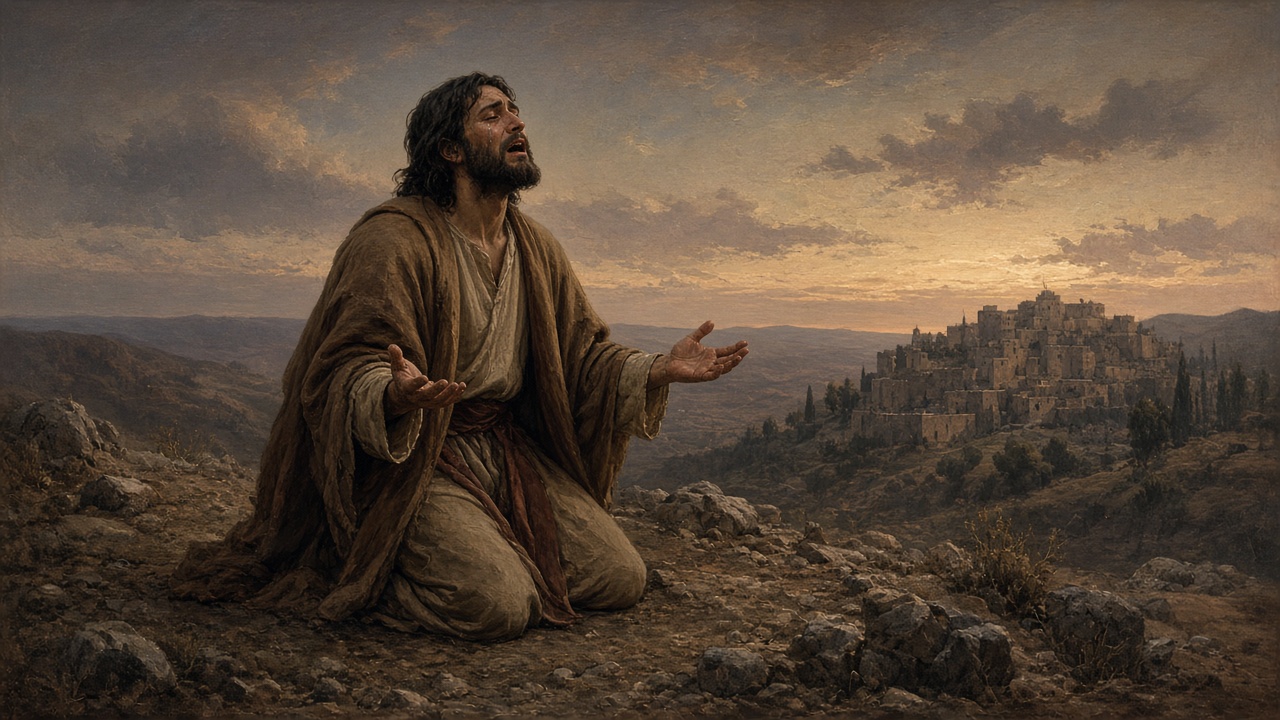
Did you know?
A High Priest Called by God
- Hebrews 5 presents Aaron as the pattern of a high priest who does not take the honor upon himself but is called by God. Aaron, eldest son of Amram and Jochebed, was born in Egypt three years before his brother Moses. When the time drew near for Israel’s deliverance from Egypt, God sent him to meet his long-absent brother so that they might work together toward the Exodus.Sources: the Bible text itself · Aaron
- Melchizedek, whose name Easton's Bible Dictionary (1897) explains as “king of righteousness,” was king of Salem. All that the Old Testament records of him is in Genesis 14:18–20, and he is mentioned only once more, in Psalm 110:4. Hebrews 5 applies to Christ the words “You are a priest forever in the order of Melchizedek,” and the same dictionary says that Hebrews 7 sets out the significance of his story in detail and presents his priesthood as superior to Aaron’s, noting that Abraham paid him tithes and that Melchizedek blessed Abraham.Sources: the Bible text itself · Melchisedec
Notes written with AI assistance from open sources (Theographic Bible Metadata, CC BY-SA 4.0; Easton’s Bible Dictionary, public domain) and reviewed before publishing.
Credits and license for this translation
Hen alen Apudyus
New Testament in Balangao
copyright © 1982 Wycliffe Bible Translators, Inc.
Language: Balangao
Translation by: Wycliffe Bible Translators, Inc.
Copyright Information
© 1982, Wycliffe Bible Translators, Inc. All rights reserved.
This translation text is made available to you under the
terms of the Creative Commons License: Attribution-Noncommercial-No Derivative Works.
( http://creativecommons.org/licenses/by-nc-nd/3.0/ )
In addition, you have permission to port the text to different file formats, as long as you
do not change any of the text or punctuation of the Bible.
You may share, copy, distribute, transmit, and extract portions
or quotations from this work, provided that you include the above copyright
information:
You must give Attribution to the work.
You do not sell this work for a profit.
You do not make any derivative works that change any of the actual words or punctuation of the Scriptures.
Permissions beyond the scope of this license may be
available if you contact
us with your request.
The New Testament
in Balangao
© 1982, Wycliffe Bible Translators, Inc. All rights reserved.
This translation is made available to you under the terms of the
Creative Commons Attribution-Noncommercial-No Derivatives license 4.0.
You may share and redistribute this Bible translation or extracts from it in any format, provided that:
You include the above copyright and source information.
You do not sell this work for a profit.
You do not change any of the words or punctuation of the Scriptures.
Pictures included with Scriptures and other documents on this site are licensed just for use with those Scriptures and documents.
For other uses, please contact the respective copyright owners.
2014-08-06
Source: http://ebible.org/blw/ · eBible.org