Mark 1
Naꞌ Markus · Tap a verse to see its cross-references.
About this book
About Mark
- Easton's Bible Dictionary (1897) identifies the evangelist as John, whose surname was Mark. Mark, or Marcus, was his Roman name and gradually replaced the Jewish name John. He was the son of Mary, a woman of some means and influence, was probably born in Jerusalem, where she lived, and was a cousin of Barnabas; of his father, the entry says, nothing is known.Sources: Easton: Mark
- Easton's Bible Dictionary (1897) does not give a date for the Gospel. It places Mark with Paul and Barnabas on their first journey about A.D. 47 as their attendant, called their minister; he turned back at Perga in Pamphylia, and about three years later Paul refused to take him, which caused a sharp contention with Barnabas. The entry says he was later reconciled, was with Paul during his first imprisonment in Rome, then with Peter in Babylon—at that time and for some centuries afterward one of the chief seats of Jewish learning—and with Timothy in Ephesus.Sources: Easton: Mark
- Under the Romans in the time of Christ, Judea was the southernmost of the three divisions of Palestine and part of the province of Syria, though the name was sometimes used for Palestine as a whole. Pontius Pilate, the sixth procurator of Judea (A.D. 26–36), had his headquarters at Caesarea but often went up to Jerusalem; his rule covered the ministries of John the Baptist and of Jesus.Sources: Judea · Pontius Pilate
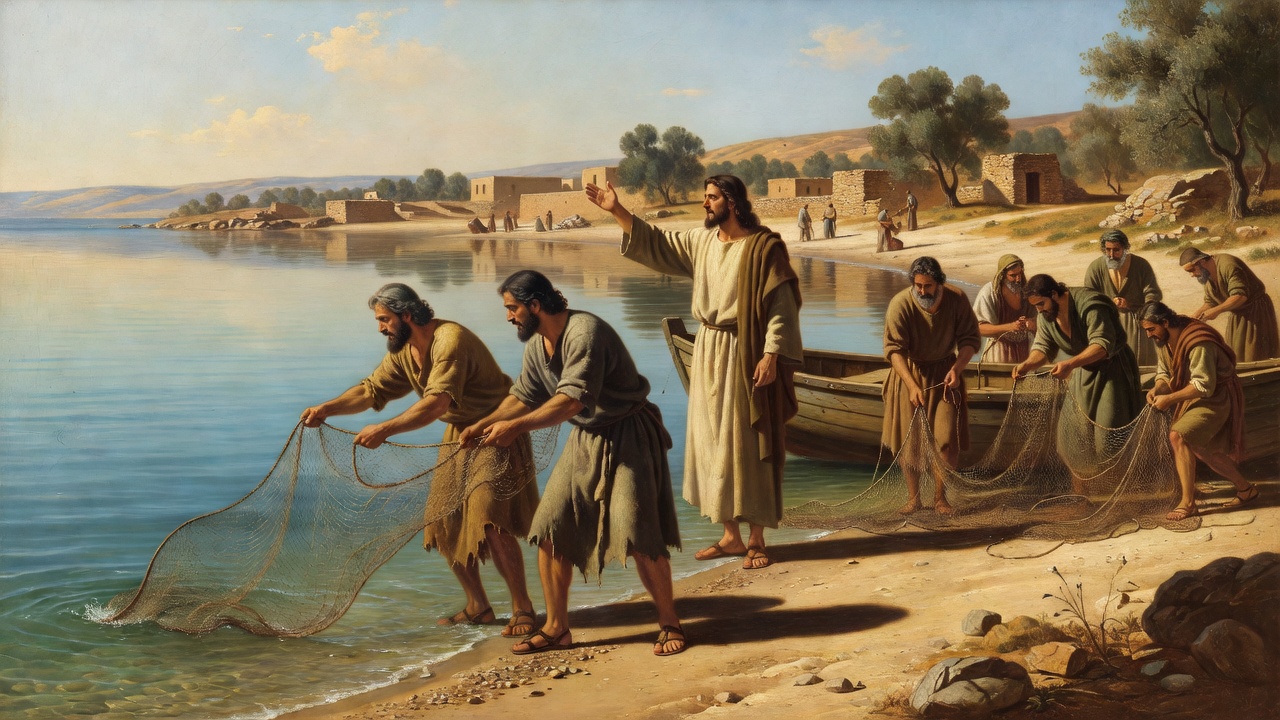
- The Jews called the region Galil; because its original inhabitants remained there a long time, it was also called Galilee of the Gentiles, and Upper Galilee was distinguished from Lower Galilee to the south. Simon Peter, of Bethsaida on the western coast of the Sea of Galilee, was trained as a fisher, and James and John, sons of Zebedee, also worked as fishermen on that lake.Sources: Galilee · Simon Peter · James (Son of Zebedee) · John the Apostle
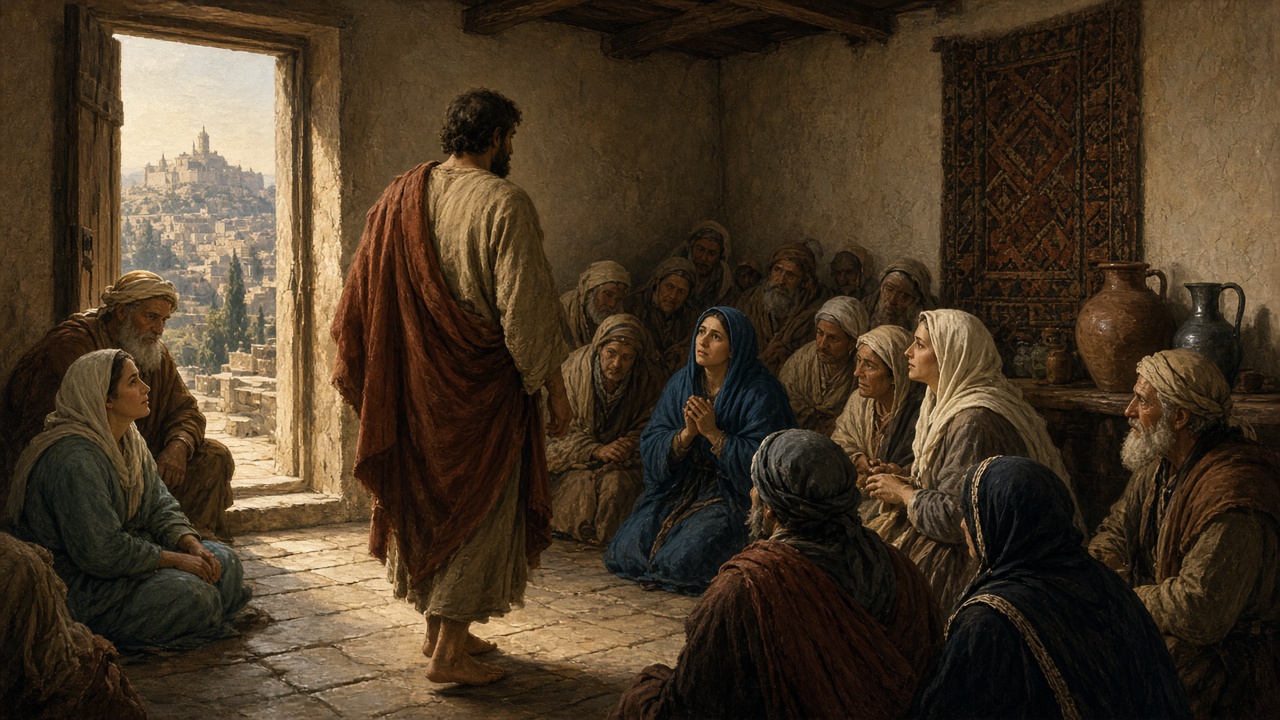
- Easton considers it probable that Mark was converted by Peter in his mother's house in Jerusalem, where Peter, released from prison, found many gathered in prayer, and notes that Peter calls him his son. The same entry also thinks it probable that the young man mentioned in Mark 14:51–52 was Mark himself.Sources: Easton: Mark
Notes written with AI assistance from open sources (Theographic Bible Metadata, CC BY-SA 4.0; Easton’s Bible Dictionary, public domain) and reviewed before publishing.
1Ije laes alekot. Ije Uisneno In Aan mone in aꞌmonin. In kaan aa, Jesus Kristus, es Uisneno nleek nani naꞌko un-unuꞌ. In lasi nane, nahuun nak on ii:
Naꞌ Joao Aslain Atoni, nalekoꞌ lalan neu Usif Jesus
2Jesus feꞌ ka nanaob In mepu, mes Uisneno nsonuꞌ nahuun In atoni meseꞌ, in kanan naꞌ Joao. Naꞌ Joao musti nnao nalekoꞌ lalan neu Jesus In amneman. Fun naꞌko un-unuꞌ, Uisneno anpaek nalail In mafefa kniun tuaf es, in kaan ee naꞌ Jesaya. In nluul nane, nak on ii:
“Mneen nai! Au ꞌleul Au ꞌhaef ma ꞌnimaf, henati nnao nalekoꞌ lalan neu Ko.
3Leꞌ atoni nane lof in annao mbi bael sonaꞌ es, he in nkoaꞌ mnak:
‘Hi ala ki ok-okeꞌ mfeen nai, he miloitan lalan, henati msium Usiꞌ In amneman!
Bifeel-atoni mmoeꞌ minesaꞌ lalan nai, he msenu.’ ”
4Atoni sin nteek naꞌ Joao nak ‘Aslain Atoni’. In natua mbi bael sonaꞌ. In bael abtais, nmoꞌe naꞌko bikaes ‘unta’ in nafun. Ma In paus-abaf, nmoꞌe naꞌko muꞌit in pasun. In amnahat, naꞌko keloꞌ ma oin oef. [Naꞌ Joao in aꞌmoin ii, namnees on leꞌ mafefa kniun naꞌi Elia afi unuꞌ.]
Olas nane, atoni namfau naꞌko koot Jerusalem, ma nok profinsia Judea in saaꞌ-saaꞌ ok-okeꞌ, neman naꞌeuk nok naꞌ Joao mbi in bale. Sin neem he nkiso ma nail Joao, ma he nneen in lasi ꞌnoinaꞌ. In natoon sin am nak, “Hi musti mmanako ma misaitan hi sanat ma penu sin ok-okeꞌ, henati Uisneno nnoes naen hi saant ini. Nalail hi musti mislain feꞌ, he on nfani takaf meseꞌ nak, hi mileko mfain mok Uisneno be.”
Anneen on nane te, sin nmanako sin sanat, ma in naslain sin mbi noel Jordan.
7In natoon sin am nak, “Anmuiꞌ tuaf es leꞌ nneis naꞌko kau, lof he neem. Masti ꞌjael on In ate msat, au leꞌ ije ka ꞌumnees ꞌok Ne fa. 8Au ala uslani ki ꞌeki oel, mes In lof nmoeꞌ nneis naꞌko kau. Fun In lof nahenu ki hi nekam neik Uisneno In Smana Kninoꞌ.”
Naꞌ Joao naslain Usif Jesus
9Mbi neno nane, Jesus neem naꞌko kuan Najaret mbi profinsia Galilea, ma he naꞌeuk nok naꞌ Joao. Ma naꞌ Joao naslain Ee mbi noel Jordan. 10Olas Jesus mpoi naꞌko oel, suk naskeek, napeen niit neno tunan natfeiꞌ. Nalali te, Uisneno In Smana Kninoꞌ nsaon neem neu Ne, namnees on leꞌ kol-pani. 11Ma on nane te, anneen Uisneno In hanan naꞌko neno tunan nak,
“Ho leꞌ ii, Au Aan Honiꞌ.
Ho es meki mhaliin Kau, Au nekak.”
Pah-tuaf in sin aꞌnakaf aꞌnaet nsuaꞌ Usif Jesus mbi bael sonaꞌ
12Okeꞌ te, Uisneno In Smana Kninoꞌ nheel neik Jesus nnao neu bael sonaꞌ. 13In natua mbi bale nane, naan neno boꞌ haaꞌ-fai boꞌ haaꞌ, In ntook nabua nok aleꞌ kanan muꞌit fuij. Mbi nane te, pah-tuaf in sin aꞌnakaf neem nsuaꞌ Jesus he natuin ee, mes ka nꞌai nane fa. Okeꞌ te, Uisneno nleul In ameput naꞌko neno tunan he neman nhae neu Ne.
Usif Jesus nnao mbi Galilea he nalekan lalan Uisneno
14Olas nane, sin nataam nalail Joao Aslain Atoni mbi paꞌan in nanan, ma Jesus nnao mbi profinsia Galilea, he natoon Uisneno In Laes Alekot mbi nae. 15In natoon mnak,
“Mneen nai! Uisneno In neno he nteel ee!
Neno ii, atoni ok-okeꞌ nahiin am nak, Uisneno naplenat.
On nane te, hi musti misnaas nai miꞌko hi sanat sin!
Okeꞌ te, mituin lalan Uisneno nai.”
Usif Jesus noꞌen atoni atifkai ikaꞌ he natuin Ee
16Mbi neno es, Jesus nnao natuin nifu ꞌnaek Galilea in ninen. In niit tuaf es, kanan naꞌ Simau, ma nok in olif, naꞌ Andreas. Sin nua sin ntifkain ikaꞌ. Nane, sin mepu neno-neno. 17Jesus noꞌen sin mnak, “Hoi, baeꞌ sin! Eim mituina Kau feꞌ! Nen-nenoꞌ hi maim ikaꞌ, mes neno ii, Au he ujalip ki he maim atoni meu Uisneno.” 18Nneen nalalin on nane te, sin nua sin nabelak naen tifkai nane, ma nnaon natuin Ee.
19Oke te, Jesus nnao nteni naan akleꞌo, In napeen niit ꞌnaef Jebedeus in aanh in. Tataf, kanan naꞌ Yakobus, ma nok in olif, naꞌ Joao. Sin nua sin naliatan redi mbi beroꞌ in nanan. 20Jesus noꞌen sin nua sin mnak, “Hoi, baeꞌ sin! Ati eim mituin Kau feꞌ.” Oke te, sin nua sin nnaon nasaitan sin amaf ma sin ameupt in mbi beor aa tuun. Ma sin nua sin nnaon natuin Ee.
Usif Jesus nliuꞌ napoin pah-tuaf naꞌko tuaf es mbi kuan Kapernaum
21Nalali te, Jesus nok tuaf haaꞌ, es natuin Ee, nnaon ntenuk kuan Kapernaum. Olas nane, pas neon neeꞌ, nateef nok atoni Jahudi sin neon onen. Ma Jesus ntaam neu uim onen he naꞌnoinaꞌ mbi nane. 22Nneen in aꞌnoinaꞌ, atoni ok-okeꞌ sin namkakan, fun In nahiin maneꞌo ꞌnoinaꞌ nane in nesan. Nane ka namnees fa nok atoni Jahudi sin kulu akama.
23Olas nane, nmuiꞌ tuaf es leꞌ pah-tuaf anhuku. In antaam mbi uim onen amsat, ma nalail pah-tuaf leꞌ mbi tuaf in nekan nane, nkoaꞌ 24mnak, “Hoi! Jesus, atoni Najaret! Ho munsaꞌan kai?! Ho oum he muleꞌun kai, ka? Hai mihiin Ko. Ho leꞌ ii, Atoni leꞌ unuꞌ Uisneno nsonuꞌ Ko he Ho oum. Ho leꞌ ii, Atoni leꞌ ka asanab Ko fa.”
25Mes Jesus naskeekn ee mnak, “Muꞌmekaꞌ! Mpoi muꞌko atoni ii!”
26Oke te, pah-tuaf nane nmoeꞌ atoni nane in aon naꞌtaꞌi nahel-heel on. Ma in mpoi naꞌko atoni nane, ma nkoa-muus naheel on. 27Nalali te, atoni ok-okeꞌ mbi uim onen in nanan, sin namkakan. Ma sin ok-okeꞌ naꞌuaban mnak, “Hoi, ii saꞌan? Ije ꞌnoinaꞌ feꞌu, ka? Amnasit ije in naꞌuab lo-esan, he! In nleul pah-tuaf he mpoin, ma sin natuin In aꞌlomin amsat.”
28Ma sin nmulai naꞌuaban naꞌko fefaꞌ nnao neu fefaꞌ, ma leꞌ hanaf ii manenaꞌ ntee kuan-kuan mbi profinsia Galilea.
Usif Jesus nalekoꞌ Pedru in beif, ma nok atoni bian
29Olas sin mpoi naꞌko uim onen nane, Jesus nnao mbi naꞌ Simau nok naꞌ Andreas sin ume. Naꞌ Yakobus nok naꞌ Joao nnaon nabuan nok sin. 30Naꞌ Simau in beif nmainiik-nabubuꞌ ma antuup mbi haal aa tuun. Olas Jesus sin ntaam mbi ume nane, nmuiꞌ amnemat neem natoon mnak, “Een tete nmainiik.”
31Nalali te, Jesus nnao nail en tete nane, ma ntoup nafeen ee. Ma in mainikit nane, naleok naan. Oke te, een tete mpoi ma nail sin.
32Olas maans aa nfaiꞌ, atoin in neem neik sin atoin ameent in, ma nok atoni leꞌ pah-tuaf anhuuk sin. Sin neik sin nnaon neu Jesus, he ntoit lasi mnaut. 33Ma toob ok-okeꞌ mbi kuan nane, neem nabuan mbi ume in nesun. 34Atoni leꞌ nane kin, sin menas humaꞌ-humaꞌ, mes Jesus nalekoꞌ naen sin ok-okeꞌ. Ma In nliuꞌ napoin pah-tuaf amaunut sin namfau. Mes In ka nfee fa sonaꞌ neu pah-tuaf he namoolk in, fun sin nahiin Ee.
Usif Jesus nnao napuun-nateef pah-pah, he natoon Uisneno In Laes Alekot
35Mbi nok-nokaꞌ, feꞌ ka nmeu nfiin, Jesus anfeen ma mpoi naꞌko ume nane. In nnao mbi bael sonaꞌ he nꞌonen, ma namolok nok Uisneno. 36Olas Simau sin nfenan, sin ka niit fa Jesus, ma sin nnao nami. 37Olas sin naꞌeuk nok Ne, sin naꞌuaban mnak, “Amaꞌ, atoni namfau leꞌ naim Ko.”
38Mes In natae mnak, “Nane alekot amsat. Mes naleko nneis, hit tnao teu kuan bute bian feꞌ, leꞌ mpaumaak naꞌko ii. Fun Au he ꞌutoon Laes Alekot neu sin amsat. Nane, Au mepu.”
39Oke te, In nnao nafuun profinsia Galilea, he neik Laes Alekot naꞌko Uisneno neu sin uim onen. Ma In nliuꞌ napoin pah-tuaf in naꞌko atoin in sin neek in.
Usif Jesus nalekoꞌ tuaf es leꞌ nameen bune
40Olas nane, tuaf es leꞌ nameen bune, neem neu Jesus. Ma in nleuꞌ-tuu he ntoit lasi mnaut neu Jesus nak, “Amaꞌ! Mumnau maan kau feꞌ! Au uhiin, au Amaꞌ nabeiꞌ nalekoꞌ kau, au menas ii, he atoni kaisa nmaiꞌnisin kau. Kalu Ho mloem on nane.”
41Nalali te, Jesus namnau atoni nane, ma In nnona In aꞌniman ma nlaab ee, ma nak, “Namneo, Au ꞌloem! Muleok nai!” 42Suk naskeek, atoni nane in menas namneuk. Oke te, in naleok nain. 43Ma Jesus nleul atoni nane he nnao nfain, ma Jesus ampaaꞌ ee mnak, 44“Mumnau lek-leok! Ho muleok ben, mes ho kaisa mutonan sikau-sikau, he! Ho musti mutuin naꞌi Moijes in plenat unuꞌ. On nane, mnao meu amepu kleij feꞌ, he npariska ho aom, he nail ho menas he namneik kuun, ai feꞌ kah. Oke te, ho musti mfee tuluꞌ he on nfani mtoit trima kasi, henati atoni ok-okeꞌ sin nahinan mnak, ho muleko mfini ee.”
45Mes atoni nane in mpoi, ma nnao natoon mbi mee-mee. Nalali te, atoni namfau naim he naꞌeuk nok Jesus, tal antee In ka nabeiꞌ fa he napoin on In human mbi kuan in nane. On nane te, In ntook mbi bael sonaꞌ leꞌ nakloꞌo naꞌko kuan. Mes atoni neem piut naꞌko bale-bale, he naꞌeuk nok Ne.
Did you know?
The gospel begins by the Jordan and in Galilee
- John, who appears in the wilderness preaching a baptism of repentance, was of priestly descent. His father Zacharias was a priest of the course of Abia, and his mother Elisabeth was of the daughters of Aaron; his birth is said to have taken place six months before that of Jesus. His mission is described as the subject of prophecy in Isaiah and Malachi.Sources: John the Baptist · the Bible text itself
- Simon and his brother Andrew were fishermen from Bethsaida, on the western coast of the Sea of Galilee. Andrew had been a disciple of John the Baptist and had already brought Simon to Jesus; the brothers kept working as fishermen until after John's imprisonment. James and John were sons of Zebedee, a Galilean fisherman of some position in Capernaum who had hired servants of his own; they left him in the boat with those men.Sources: Simon Peter · Andrew · Zebedee · the Bible text itself
- The Sea of Galilee, also called the Sea of Tiberias, is about twelve and a half miles long and from four to seven and a half miles wide, and its surface lies 682 feet below the Mediterranean. Jesus came to be baptized from Nazareth in Galilee, a town not mentioned in the Old Testament and the home of Joseph and Mary. Under the Romans, Judea was the southernmost of the three divisions of Palestine, and people went out to John from Jerusalem and the countryside of Judea.Sources: Sea of Galilee · Nazareth · Judea · the Bible text itself
Notes written with AI assistance from open sources (Theographic Bible Metadata, CC BY-SA 4.0; Easton’s Bible Dictionary, public domain) and reviewed before publishing.
Places in this chapter
- Jerusalem · 31.777, 35.234 · verse 5
- Jordan · Today: Jordan River · 31.761, 35.558 · verses 5, 9
- Judea · Today: Judea 1 · 31.777, 35.234 · verse 5
- Galilee · 32.760, 35.527 · verses 9, 14, 28, 39
- Nazareth · 32.702, 35.298 · verses 9, 24
- Sea of Galilee · 32.819, 35.590 · verse 16
Only places identified with high confidence are shown (90% or more according to the scholarly sources compiled by OpenBible). Period map: DARE (Digital Atlas of the Roman Empire), CC BY 4.0; modern map: © OpenStreetMap contributors; places: OpenBible.info (CC BY 4.0).
Credits and license for this translation
Naꞌ Markus
The Good News According to Mark in the Baikeno language of East Timor
O Evangelho segundo Marcos na língua Baikeno de Timor Leste
copyright © 2004 Unit Bahasa dan Budaya
Language: Baikeno
Translation by: Wycliffe Bible Translators
This translation is made available to you under the terms of the
Creative Commons Attribution-No Derivatives license 4.0.
You may share and redistribute this Bible translation or extracts from it in any format, provided that:
You include the above copyright and source information.
You do not make any derivative works that change any of the actual words or punctuation of the Scriptures.
Pictures included with Scriptures and other documents on this site are licensed just for use with those Scriptures and documents.
For other uses, please contact the respective copyright owners.
2022-03-11
Source: http://ebible.org/bkx/ · eBible.org