Matthew 11
Bekwel · Tap a verse to see its cross-references.
Bot ɛ Zaŋ Nduuel-bot nalwom ɔ
1Dáa Yezu nasilal ɛlyo bɛdjekel bɛ kam nɛ bɛbá ɛ, nyɛ eezɛdus tin, tɔ́ kɛlyo nɛ ɛkɛgoola Mbɛɛ Bhaadal pɛ eghaada kyee dik'enek.
2Zaŋ Nduuel-bot pɛ nyɛ nadi tɔ ndjaa membok ɛ, nyɛ naagwak menduk ɛ Mɛsia. Tin, nyɛ ɛ́ boolwom bɛdhiiti bɛdjekel bɛ 3bɛ kɛdji Yezu náá: «Ye ɛ́ wɔy ɛ́ di Mɛsia nabɛ náá, nyɛ ɛpezyɛ “ohoo”, nɛghu ye ɛ́ náá, ye baabwoodaa dhiiti di baazyɛ ɔ?» 4Yezu eezɛbɔɔza nɛ nɔɔ náá: «Kɛlɛɛka Zaŋ sa bi bee ɛ́ nɛ yii bi gwak nɛ mɛlɔ men ɛ. 5Bot ɛ edhim moo nyaa sok. Eboka e bot moo kɛ. Bot ɛ mɛbɛ́ mɛ zezam eezetsak. Bɛ na endiila e mɛlɔ moo gwak, bot ɛ nazegwyɛ ɔ, bɛ ɛ́ zegom. Mbɛɛ Bhaadal ɛpegoolel kɛkum pɛ daa bɛdjel ɛ bot. 6Mɛnyɔ nɛ mot aadi ààdis ɛbwaalel ɛ lɛ kɔ lam ɔ!»
7Bhii bɛdjekel ɛ Zaŋ nasik ɛ, Yezu moo tin elii nɛ zukamwaa nɛ mot nadi tin ɛ kɔ ɛsu ɛ Zaŋ. Nyɛy nɛ nɔɔ náá: «Bi nakɛbee yé pɛ tɔ kyee dik bɛsyɛ di ààbɛ nɛ mɛdii ɛ? Bi nakɛbee ɛ́ mɔɔ le ghwaazok edheegel nɛ pup é? 8“Ha” bi nakɛbee yé pɛ kyee dik bɛsyɛ di ààbɛ nɛ mɛdii ɛ? Bi nakɛbee ɛ́ mot ngɔt nɛ vaŋ mbi bhet é? Bi nɛ gu náá, bot ɛ dyeebabɔt evaŋ ekaad ɔ dyeebadi ɛ́ pɛ tɔ eboo mendjaa bɛmɛkoozi. 9Bi nakɛbee yé? Bi nakɛbee ɛ́ ngoolel-mɛkpa ɛ Zɛɛb é? Nɛ tsɛɛtsɛ, mɛ lɛɛ bin ɛ́ náá, nyɛ eedhaa-dhaŋak ngoolel-mɛkpa ɛ Zɛɛb. 10Etɛɛ náá, ye ɛ́ kɔ ɛsu ɛ Zaŋ ɛ ekwyala nalɛɛ náá:
“Ɛsok nɛ wɔ nɛ tɔ́, mɛ waalwom ngoola-ngoola yam,
nyɛ neekɛdii wɔ ze.”
11«Mɛ lɛɛ bin ɛ́ etɛp e tsɛɛtsɛ náá: pɛ tɔ bot djas Zɛɛb nasa ɔ, ye tok nɛ mot dhaa Zaŋ Nduuel-bot. Tin, mot di mɔɔ dhyeeb tɔ Ɛyoŋ ɛ di tɔ gwoo ɔ, ɛ́ boo boo-mot nɛ nɛ. 12Kɛkan membu mɛ Zaŋ Nduuel-bot nadi elyo bot tɔ mɛkpa ɛ Zɛɛb ɛ, kɛyaka nɛ ɛlu ɛ mos, ɛni ɛ tɔ Ɛyoŋ ɛ di tɔ gwoo ɛ nɛ lyel. Bot ɛ di nɛ mɛghaaz ɛ́ di nɛ ghwyil ɛdɛk yɛ. 13Kana nɛ bɛngoolel ɛ mɛkpa ɛ Zɛɛb djas, zɛnɔɔ etsi ɛ Moiiz, mɛkpa mɛ Zɛɛb naagoolel kɛkum membu mɛ ɛkwyil ɛ Zaŋ. 14Bi ɛ́ kwyɛl ɛtiibal ɛnyɔɛpe ɔɔ, ye ɛ́ Zaŋ ɛ́ di Eli, ngoolel-mɛkpa ɛ Zɛɛb nalookɛkaa náá, nyɛ waabula ɔ. 15Yɛ bɛ náá, bi ɛ́ nɛ mɛlɔ ɔɔ, gwakeka yɛ ɛnyɔɛpe!
16«Mɛ gek bot ɛ membu mak nɛ bɛzɛ? Bɛ ɛ́ dáa zɛɛga bɔɔ dhyeeb mendiindil kɔ ɛbɛsɛɛ ɛ bot djas di di ɛ, da bɛdhiiti ɛ́ gheetsim kɔ bɛsɔ bɔɔ náá: 17“Bis eebwom bin ngɔmbi, bi ààpabɔl. Bis eedjeeb bin mɛdjeeb mɛ ɛsyee, bi ààpadje!” 18Etɛɛ náá, Zaŋ eezyɛ, nyɛ nabɛ ɛ́, nyɛ eetsi edee nɛ mɛnyok. Deenek, bot kake ɛ́ náá: “Ye ɛ́ embee esisim ɛ di sa nyɛ deenek!” 19Sɛɛŋɛlɛ Mɔn Mot eezyɛ. Nyɛ ɛpedɛ yɛ edee nɛ mɛnyok me vin, bi kake ɛ́ náá: “Beeka nwyak é? Mɛsa mɛ ɛ́ ɛdɛ edee nɛ dɛ mɛnyok mɛ vin, nyɛ be mɛsɔ ɛ́ nɛ bɛnɔŋel ɛ epata e lapo dɔɔ nɛ bot ɛ di nɛ mbee tsik ɔ!” Tin, etsoŋ e Zɛɛb nadi enyen tɔ mɛsa mɛ.»
Eghaada di ebyen ɛdum ɛ koŋ nɛ Zɛɛb ɔ
20Tin, Yezu eezɛni nɛ mɛlyo mɛ ɛdul ɛ mɛlɔ mɛ bot ɛ eghaada ee nyɛ nasa bɛtɛ nɛ endem e mɛbwala ɔ, etɛɛ náá, bot ɛ eghaada tak nabɛ ɛ́ ààliig elyem bɔɔ. Nyɛ ɛ́ boozɛlɛɛ náá: 21«Haa kpaa-ghoŋ nɛ nɔ, dɛl ɛ Koodazin, kpaa-ghoŋ nɛ nɔ, dɛl ɛ Bhɛtsaida! Etɛɛ náá, bɛtɛ nɛ endem e mɛbwala nasael pɛ yebɔ ɔ, yɛ ɛpedi ɛ́ di náá, ye nasael ɛ́ pɛ eghaada Tiid nɛ Sidɔn ɔɔ, pe bot ɛ eghaada binɔk naaloobɔt kaad ɛpum, pe bɛ naazelɔɔba mɛsii, pe bɛ naaloozeliig elyem bɔɔ. 22Étɛp tak ɛ́ mɛ di elɛɛ nɛ nen náá, dwoo Zɛɛb aazɛpɛ́ɛ bot ɛ, yebɔ epɛ́ɛ ɛ́ waadhaa yii bot ɛ eghaada Tiid nɛ Sidɔn nɛ mɛlyel. 23Yɛ kabɛ wɔy ɔɔ, dɛl ɛ Kapɛlnaum, wɔ gek ɛ́ náá, wɔ ɛ́ nɛ ghwyil ɛ byet tɔ́ pɛ tɔ gwoo? Wɔ waasilaa kɛkum pɛ dɛl ɛ bot ɛ nazegwyɛ ɔ. Etɛɛ náá, endem e mɛbwala mɛ nasɛɛ penek ɛ, ye ɛpedi ɛ́ di náá, ye naasɛɛ ɛ́ pɛ dɛl ɛ Sodɔm ɔɔ, pe dɛl ɛlenek dinaa tak dɔɔ nɛ mos. 24Étɛp tak ɛ́ mɛ di elɛɛ bin náá, dwoo Zɛɛb aazɛpɛ́ɛ bot ɛ, epɛ́ɛ nyɛ aapɛ́ɛ bin ɛ, yɛ waadhaa yii bot ɛ ghaada Sodɔm nɛ mɛlyel.»
«Dhaka pɛ daa lam, mɛ needjɛ bin ɛwala!»
25É ghɛŋ tak, Yezu naazɛke náá: «Hyee Bhaaba, Ghɛŋ gwoo nɛ bɔs, mɛ ɛpeghaapɛɛ wɔ, etɛɛ náá, esesɛɛ wɔ nasyel bɛtsoŋ ɛ bot nɛ bot ɛ di etselal ɔ, wɔ eelyaal yɛ nɛ bɔɔ dhyeeb. 26Iyoo, Bhaaba, wɔ nakwyɛl ɛ́, ye sɛɛ deenek.
27«Saag'am naadjɛ mɛ esonok djas. Ye tok nɛ mot di egu Mɔn Zɛɛb, yɛ di ààbɛ Sɛɛg nyɛ ɛmet ɔ. Deenek, ye tok nɛ mot di egu Sɛɛg, yɛ di ààbɛ Mɔn nɛghu mot Mɔn aakwyɛl ɛlyaal ɔɔ.
28«Biyɔ, bot ɛ zewak étɛp ɛbɛp edil-dil mɛkɔm men ɔ, dhaka pɛ daa lam, mɛ needjɛ bin ɛwala. 29Bɛpka kɔm etɛp bam. Tin, betka náá, mɛ djɛ bin etsoŋ, etɛɛ náá, mam ɛ́ mot mɛsila nɛ ɛtela ɛ lyem. Tin, bi ɛ́ waabela di ɛwala biyɔ bɛ ɛmet. 30Kɔm mɛ di edjɛ bin ɛ́, yɛ ààdil, ɛbɛp ɛ lam mɛ di djóo bin náá, bi zɛbɛp ɛ, ye nɛ gwyaa.»
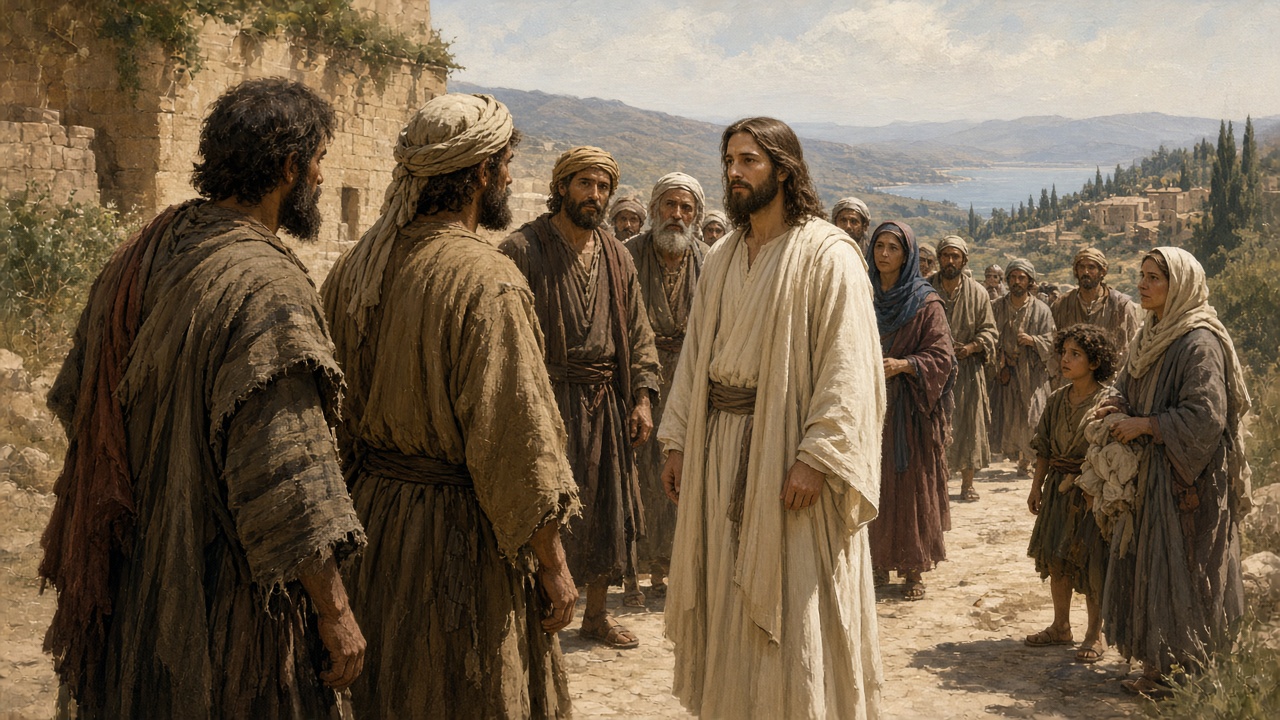
Did you know?
John's question and the cities that did not repent
- From prison, John sent his disciples to ask whether Jesus was the one who was to come. Jesus told the crowds that John was more than a prophet—the messenger sent ahead to prepare the way—and, if they were willing to accept it, the Elijah who was to come. A Bible dictionary calls John the forerunner and says his mission was already the subject of prophecy, citing Isaiah 40:3 and Malachi 3:1; it also introduces Elijah as the Elias of the New Testament.Sources: the Bible text itself · John the Baptist · Elijah
- Jesus then denounced Chorazin, Bethsaida, and Capernaum, where most of his miracles had been performed, because they did not repent. A dictionary identifies Chorazin with modern Kerazeh, about two and a half miles up the Wady Kerazeh from Capernaum, and says that Capernaum, absent from the Old Testament, became Jesus' own city after he left Nazareth. It places Bethsaida on the east side of the lake, two miles up the Jordan in Gaulonitis, enlarged by Philip the tetrarch and named Julias after the emperor's daughter, though some have supposed there was only one Bethsaida, near where the Jordan enters the lake.Sources: the Bible text itself · Chorazin · Capernaum · Bethsaida
- He set those cities against Tyre and Sidon, which he said would have repented long ago in sackcloth and ashes, and against Sodom, which he said would have remained to this day. Sidon, on the Mediterranean coast about twenty-five miles north of Tyre, was the oldest Phoenician city there and the mother city of Tyre. A dictionary says the commerce of the whole world was gathered into Tyre's warehouses, and that Sodom, in the vale of Siddim, was destroyed by fire from heaven so completely that no trace of it has been found.Sources: the Bible text itself · Sidon · Tyre · Sodom
Notes written with AI assistance from open sources (Theographic Bible Metadata, CC BY-SA 4.0; Easton’s Bible Dictionary, public domain) and reviewed before publishing.
Places in this chapter
- Galilee · 32.760, 35.527 · verse 1
- Sidon · Today: Sandikli archaeological site in Sidon · 33.561, 35.372 · verses 21, 22
- Tyre · 33.271, 35.196 · verses 21, 22
Only places identified with high confidence are shown (90% or more according to the scholarly sources compiled by OpenBible). Period map: DARE (Digital Atlas of the Roman Empire), CC BY 4.0; modern map: © OpenStreetMap contributors; places: OpenBible.info (CC BY 4.0).
Credits and license for this translation
Bekwel
Bekwel: Bekwel (New Testament)
copyright © 2024 Wycliffe Bible Translators, Inc.
Language: Bekwel
Contributor: Wycliffe USA
This translation is made available to you under the terms of the
Creative Commons Attribution Share-Alike license 4.0.
You have permission to share and redistribute this Bible translation in any format and to make reasonable revisions and adaptations of this translation, provided that:
You include the above copyright and source information.
If you make any changes to the text, you must indicate that you did so in a way that makes it clear that the original licensor is not necessarily endorsing your changes.
If you redistribute this text, you must distribute your contributions under the same license as the original.
Pictures included with Scriptures and other documents on this site are licensed just for use with those Scriptures and documents.
For other uses, please contact the respective copyright owners.
Note that in addition to the rules above, revising and adapting God's Word involves a great responsibility to be true to God's Word. See Revelation 22:18-19.
2025-04-26
Source: http://ebible.org/bkw/ · eBible.org