Luke 7
Bekwel · Tap a verse to see its cross-references.
Yezu eetsik mot-mɛsa mɛ boo kukuma esodja eLɔm
1Bhii Yezu nasilal ɛlii nɛ mɛdhuu mɛ bot ɛ nazemaala tin ɔ, nyɛ eezɛtɔ́ pɛ Kapɛlnaum. 2Tin, dhiiti boo kukuma tɔ lɔɔg esodja eLɔm nadi ɛ́, nɛ dhiiti mot-mɛsa mɛ ngɔt nyɛ nadi ekwyɛl ɛbuɛpe ɔ. Mot-mɛsa mɛ tak nadi ebɛ́ ɛkpaŋɛpe, é siila nɛ ɛsyee. 3Dáa boo kukuma esodja tak nagwak menduk ɛ Yezu ɛ, nyɛ ɛ́ boolwom bɛdhiiti bɛpaa ɛ eYuda, bɛ zɛdjóo Yezu étɛp nyɛ neezɛtsik nyɛ. 4Bɛ eezɛkum pɛ dáa Yezu. Bɛ moo tin edjaala nɛ nɛ ɛlyelɛpe. Bɔɔ náá: «Mot tak goka ɛ́ náá, wɔ kwyee nyɛ. 5Nyɛ nɛ kwyɛl bot ɛ mbyak'enaka. Yɛ nyɛy ɛ́ nasum ndjaa mendjaala mɛ eYuda yenaka.»
6Tin, Yezu eezɛghɛɛ nyel, tɔ́ bɛ nɛ bɛ nɔɔ. Bɛ dinaa ààpaakotseta nɛ ndjaa deenek e, kukuma esodja eezɛlwom bɛsɔ bɛ, bɛ lɛɛ nyɛ náá: «Ghɛŋ, nàdhek nyel'ɔ gwyes. Mam tok mbɛɛ mot étɛp wɔ neeni tɔ ndjaŋ'am. 7Étɛp tak ɛ́ mam nakuma nyel, di ààzyɛ zɛlii nɛ nɔ. Deenek, “iyeee!” Lóoa ɛkpa wat etɛɛ náá, mot-mɛsa mam neetsak. 8Di mɛ di'aak, mɛ ɛ́ nɛ ekukuma bam mɛ di gwak esesɛɛ mɛ aasa ɛ́ nɛ nɔ ɔ. Pɛ si mɛko mam, mɛ ɛ́ nɛ esodja. Mɛ ke nɛ ngɔt náá: “Tɔ́ak” ɔɔ, nyɛ ɛpetɔ́. Mɛ ke nɛ nwyak náá: “Bulak” ɔɔ, nyɛ ɛpebula. Tin, mɛ ke nɛ mot-mɛsa mam: “Sa dáak” ɔɔ, nyɛ ɛpesa.» 9Dáa Yezu nagwak ɛbɔɔza kukuma yenɔk ɛ, ye nabɛ ɛ́, nyɛ naadyeebakwyɛl nyɛ. Nyɛ ɛ́ boo liig mis, nyɛy nɛ ɛdhuu ɛ bot ɛ nadi egyee nɛ nɛ nɔɔ náá: «Mɛ lɛɛ náá, mɛ dinaa ààpaabee kwaambi yak ɛbwaalel nɛ Zɛɛb sok, ye nakoozobɛ kɔ dɛl ɛ Yisalaɛl.» 10Bot ɛ nalwomaa ɔ, eezɛsik yɔbɔ pɛ dáa kukuma esodja, bɛ kakɛbela mot-mɛsa nadi bɛ́ ɔ, nyɛ eezetsak.
Yezu eezɛgomal muu mɔn kus moma
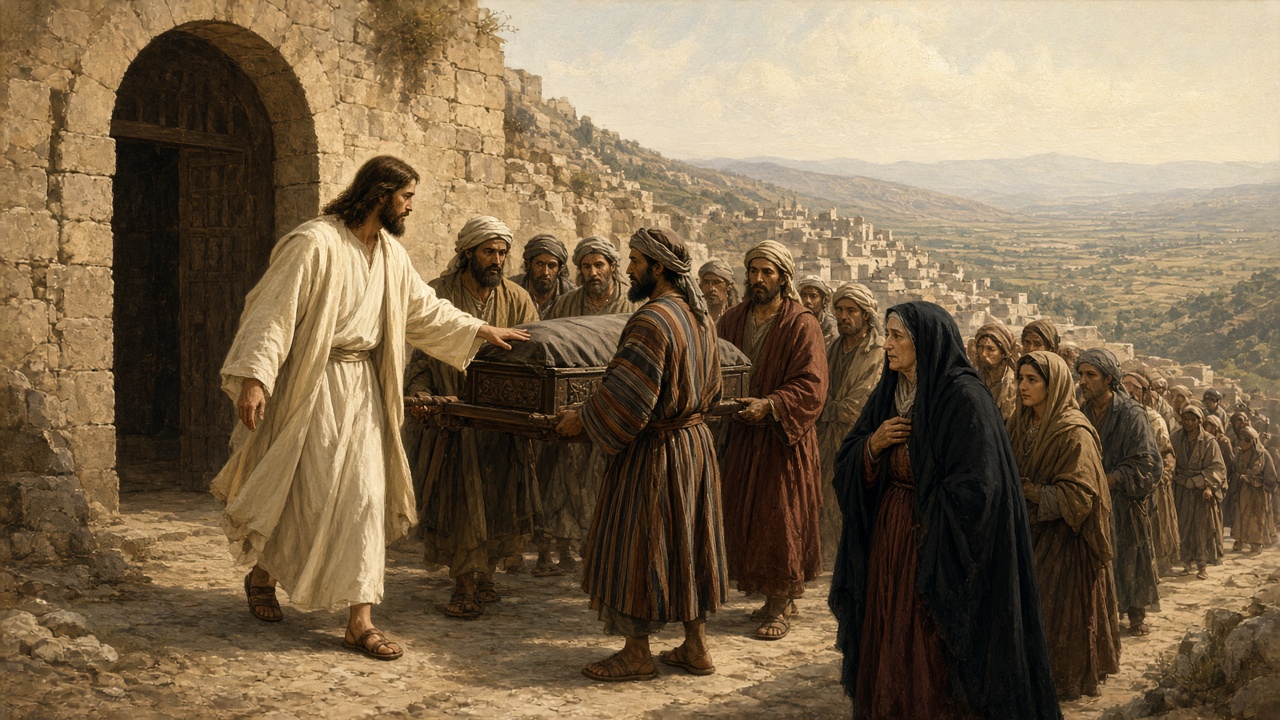
11Bhii tak, Yezu eezɛtɔ́ pɛ dɛl ɛ di djóoa Nayin ɛ, bɛdjekel bɛ nɛ mɛdhuu mɛ bot ɛ nadi egyee nɛ nɛ ɔ. 12Dáa nyɛ nadi, nyɛ moo é ngwoob ɛniel ɛ dɛl ɛ tak ɛ, bot ɛ dɛl nadi ezyɛ nɛ muu mot pɛ mɛvit étɛp ɛkɛdel nyɛ. Ye nabɛ ɛ́ ɛtsak ɛ mɔn dhiiti kus moma. Bot ɛ dɛl ɛ tak ɛbuɛpe nadi ɛ́, é ngwoob'ɛ. 13Dáa Ghɛŋ nabee kus moma yenɔk ɛ, ghoŋ naasa nyɛ ɛbuɛpe étɛp'ɛ. Nyɛ ɛ́ booke náá: «Nàdje!» 14Nyɛ eezɛtiila, wɔ gwaa nyɛ mɛt kɛs, bot ɛ nadi ebɛp kɛs ɔ, eezɛtyaa. Yezu zɛke náá: «Mɔɔ ngbaaz, mɛ lɛɛ náá: Wyɛla!» 15Mot nagwyɛ ɔ eezɛgom, di ndiindil, nyɛ moo tinaak elii. Yezu eezɛbulal nyɛ é mɛmbɔ mɛ nyɛɛg. 16Bot ɛ nadi tin ɔ, naadjoka ɛbuɛpe. Bɛ ɛ́ boozɛduwal Zɛɛb é ke náá: «Boo ngoolel-mɛkpa ɛ Zɛɛb eetuula pak'enaka. Deenek, Zɛɛb eezɛkwyee bot ɛ mbyak'ɛ!» 17Bot ɛ kyee dik Yude nɛ mɛl mɛ mengwoob nɛ mengwoob nabɛ ɛ́, bɛ naagwak menduk mɛ sa Yezu nasa ɛ. |alt="Jésus ramène à la vie un jeune homme à Naïn" src="WA03823b.tif" size="span" copy="Illustrations by Graham Wade, © United Bible Societies, 1989." ref="7.11-17"
Engoola-ngoola ee Zaŋ Nduuel-bot nalwom ɔ
18Bɛdjekel ɛ Zaŋ eezɛkaada Zaŋ etɛp binek djas. Zaŋ eezɛdjóo bɛdjekel ɛbá pak'ɔɔ. 19Nyɛ eezɛlwom bɛ pɛ dáa Yezu, étɛp ɛdji Ghɛŋ náá: «Ye ɛ́ wɔy ɛ di Mɛsia nabɛ náá, nyɛ ɛpezyɛ ɔ, “ohoo” nɛghu ye baabwoodaa dhiiti baadi ezyɛ ɔ?» 20Dáa bɛ nakum pɛ Yezu nadi ɛ, bɛ eezɛke nɛ nɛ náá: «Zaŋ Nduuel-bot lwom bis ɛ́, bis zɛdji wɔ náá: “Ye ɛ́ wɔy ɛ di Mɛsia nabɛ náá, nyɛ ɛpezyɛ é, ‘ohoo’ nɛghu ye baabwoodaa dhiiti baadi ezyɛ ɔ?”» 21É ɛwala ɛ tak wat, Yezu zokazɛtsik bɛtɛ nɛ membel, bot ɛ nadi nɛ edjam ɔ, nɛ bot ɛ embee esisim nadi edhedhek ɔ, dɔɔ nɛ ɛbɛ́ ɛ mis mɛ bot ɛ edhim. 22Bhii tak Yezu eezɛbɔɔza nɛ engoola-ngoola ɛ Zaŋ náá: «Kɛbaaŋaka nɛ Zaŋ esesɛɛ bi bee ɛ, nɛ yii bi gwak ɛ. Bot ɛ edhim moo nyaasok, bot ɛ di nɛ edjam ɔ moo kɛ ɛnyɔɛpe, bot ɛ nadi nɛ ɛbɛ́ ɛ zezam ɔ, bɛ eezetsak. Bɛ na endiila e mɛlɔ, moo gwak. Bot ɛ zegwyɛ ɔ, bɛ eezegom. Mbɛɛ Bhaadal ɛpegoolel, kɛkum pɛ daa bɛdjel ɛ bot. 23Mɛnyɔ nɛ mot aadi ààdis ɛbwaalel ɛ lɛ kɔ lam ɔ!»
24Bhis engoola-ngoola ɛ Zaŋ nasik ɛ, Yezu moo tin elii nɛ zukamwaa nɛ mot nadi tin ɔ kɔ ɛsu ɛ Zaŋ. Nyɛ nalɛɛ nɛ nɔɔ náá: «Bi nakɛbee yé pɛ tɔ bal? Mɔɔ le ghwaazok é dheegel nɛ pup é? Ààbɛ! 25Haa ɛyé bi naakɛbee tɔ bal? Mot ngɔt nɛ vaŋ mbi bhet é? Bi nɛ gu náá, bot ɛ dyeebabɔt evaŋ e ekaad ɔ, nɛ bot ɛ di edi tɔ ekum ɔ, dyeebadi ɛ́ tɔ eboo mendjaa mɛ bɛmɛkoozi. 26Ha bi nakɛbee yé? Bi nakɛbee ɛ́ ngoolel-mɛkpa ɛ Zɛɛb é? Nɛ tsɛɛtsɛ mɛ lɛɛ bin náá, yii bi nakɛbee ɛ, nyɛy eedhaa-dhaŋaak ngoolel-mɛkpa ɛ Zɛɛb. 27Etɛɛ náá, Zaŋ ɛ́ mot ekwyala nalɛɛ náá:
“Ɛsok nɛ wɔ nɛ tɔ́, mɛ waalwom ngoola-ngoola yam,
étɛp nyɛ neekɛkoobal wɔ mɛze.”»
28Yezu eebaabil náá: «Mɛ lɛɛ bin ɛ etsɛɛtsɛ náá: Pɛ tɔ bot ɛ di kɔ bɔs'ak ɔ djas, ye tok nɛ mot dhaa Zaŋ Nduuel-bot. Tin, ye guaa náá, tɔ bot djas di tɔ Ɛyoŋ ɛ Zɛɛb ɔ, mot di mɔɔ dhyeeb ɔ di boo-mot nɛ nɛ.
29«Bot ɛ mbyak Yisalaɛl djas nɛ bɛnɔŋel ɛ epata e lapo naagwak nyɛ, bɔɔ myaal náá, Zɛɛb ɛ́ mot epiki. Bhii tak, bɔɔ batazɛduwa Zɛɛb pɛ daa Zaŋ. 30Tin, eFalizyɛ nɛ bɛlyoel ɛ etsi ɛ Zɛɛb naabyen ɛkwosak ɛ Zɛɛb étɛp'ɔɔ, bɛ naapɛɛ náá, Zaŋ duu bɛ Zɛɛb.»
31Yezu eebaazɛke náá: «Mɛ gek bot ɛ mɛlu mak nɛ bɛzɛ? Bɛ baakɔa nɛ zɛ é? 32Bɛ ɛ́ dáa zɛɛga bɔɔ dhyeeb mendiindil kɔ ɛbɛsɛɛ ɛ bot djas di edi ɛ. Tin, ngɔt katsim ɛ́, lɛɛ nɛ bɔɔ bɛsɔ bɛ náá: “Bis eebwom bin ngɔmbi, bi ààpabɔl. Bis eedjeeb bin mɛdjeeb mɛ ɛsyee, bi ààpadje!” 33Etɛɛ náá, Zaŋ Nduuel-bot eezyɛ. Nyɛ nabɛ ààdɛ mapa, ààdɛ mɛnyok, bi kake ɛ náá: “Ye ɛ́ ɛlyeeb ɛ di esa nyɛ deenek!” 34Sɛɛŋɛlɛ Mɔn Mot eezyɛ. Nyɛ ɛpedɛ yɛ edee nɛ mɛnyok, bi kake ɛ náá: “Beeka nwyak é, mɛsa mɛ ɛ́, yɛ ɛ́ ɛdɛ edee nɛ mɛnyok. Nyɛ ɛ́ mɔɔ sɔ bɛnɔŋel ɛ epata e lapo, nɛ bot ɛ di nɛ mbee tsik ɔ!” 35Tin, bot djas di myaal etsoŋ e Zɛɛb ɔ, bɛ ɛpegu náá, ye ɛ́ epiki.»
Yezu tɔ ndjaŋ ɛ Simɔŋ, mot Falizyɛ
36Dhiiti mot Falizyɛ zokazɛdjóo Yezu, nyɛ zɛdɛ edee bɛ nɛ. Wɔ gwaa, Yezu zɛtɔ́ pɛ daa lɛ, nyɛ eezɛnɔɔ di kɔ mesa. 37Pɛ kɔ dɛl ɛ tak ye nabɛ ɛ́ nɛ dhiiti moma nadi nɛ mbee dék ɔ. Dáa nyɛ nagwak náá, Yezu nadi ɛ́, kɔ mesa pɛ daa mot Falizyɛ ɛ, nyɛ eezɛzyɛ nɛ bɛɛb nasael nɛ ɛkok ɛ albat ɛ «tɔɔɔ» nɛ mɛnanas. 38Nyɛ eezɛtyaa bhii koŋ ɛ Yezu, é dje si mɛko mɛ. Nyɛ moo tin ebel mɛko ɛ Yezu nɛ miŋal mɛ. Tin, nyɛ moo suŋal yɛ nɛ bhoo lo'ɛ, dɔɔ nɛ ɛboma nuub'ɛ é mɛko ɛ Yezu. Bhii tak nyɛ eezɛso mɛnanas kɔ mɛko mɛ tak.
39É ghɛŋ mot Falizyɛ nadjóo Yezu náá, nyɛ zɛdɛ pɛ daa lɛ ɛ, nabee deenek ɛ, nyɛ moo tin elii tɔ lyem'ɛ náá: «Mot tak ɛpedi ɛ́ ngoolel-mɛkpa ɛ Zɛɛb ɔɔ, pe nyɛ eegu mbi moma mɛt nyɛ'aak. Pe nyɛ eegu náá, nyɛ ɛ́ moma na mbee dék!» 40Yezu eezɛke nɛ mot Falizyɛ yenɔk náá: «Simɔŋ, mɛ ɛ́ nɛ sa wat mɛ di kwyɛl ɛlɛɛ wɔ.» Simɔŋ eezɛke nɛ nɛ náá: «Bela, liia lyoel.» 41Yezu eezɛke nɛ nɛ náá: «Mot ngɔt naakola bot ɛbá epata. Ngɔt nakola ɛ́, epata bɛmil ɛtɛn, dhiiti tak epata bɛmil mɛkam-mɛtɛn. 42Dáa bɔɔ djas nadi ààbɛ nɛ ghwyil ɛbulal epata tak ɛ, nakuma epata ɛ́ boopel kola bɔɔ djas bɛbá. Pɛ tɔ bot ɛbá binɔk ɛzɛ aakwyɛl mot'enɔk dhaa tyɛ?» 43Simɔŋ eezɛbɔɔza náá: «Yɛ bɛ mam ɔ, mɛ gek ɛ́ náá, yɛ aadi ɛ́, mot nakola epata ɛbuɛpe ɔ.» Yezu eezɛbɔɔza nɛ nɛ náá: «Simɔŋ, wɔ ɛ́ nɛ gham.»
44Bhii tak nyɛ eezɛliig mis, gwyák moma tak. Nyɛy nɛ Simɔŋ náá: «Wɔ eebee moma yak é? Mɛ eeni tɔ ndjaŋ'ɔ, wɔ ààpadjɛ mɛ mɛdii mɛ ɛgwyii ɛ mɛko. Gwyáka! Nyɛ eegwyii mɛ mɛko nɛ miŋal mɛ, bhii tak nyɛ eesuŋal yɛ nɛ bhoo'ɛ. 45Wɔ ààpaboma nuub'ɔ é mɛmuk mam. Yɛ kabɛ nyɛy ɔ, dáa mɛ looni wak mos ɛ, nyɛ ààpakat ɛboma nuub'ɛ é mɛko mam. 46Wɔ ààpalɔɔb mɛ mul kɔ lo. Yɛ kabɛ nyɛy ɔ, nyɛ eelɔɔb mɛ mɛnanas é mɛko! 47Étɛp tak ɛ́ mɛ di lɛɛ wɔ náá: Bɛtɛ nɛ mesyem mɛ eepelel! Étɛp tak ɛ́ nyɛ lyaal boo kwyɛl deenek. Mot pelaa ba bim ɔ, zobaalyaal ɛ́ ba bim kwyɛl.» 48Yezu ɛ́ boozɛke nɛ moma tak náá: «Mesyem mɔ, eepelel.»
49Bot ɛ bɛ nɛ bɛ nɔɔ nadi kɔ mesa ɔ moo tin elii pak'ɔɔ náá: «Nwyak ɛ́ nwyaa kwaambi mot di nɛ ghwyil ɛpel mesyem mɛ bot'aak?» 50Tin, Yezu eezɛke nɛ moma yenɔk náá: «Ɛmyaal ɛ lɔ eetsik wɔ. Tɔ́a tɔ egwyem.»
Did you know?
Faith, compassion, and a prophet's question
- Easton's Bible Dictionary (1897) describes Capernaum as a Galilean town not mentioned in the Old Testament, which became the city Jesus treated as his own after he was expelled from Nazareth and the scene of many episodes in his life. In this chapter he arrives there to find a centurion's highly valued servant near death, and Jewish elders plead that the officer loves their nation and has built their synagogue.Sources: Capernaum · the Bible text itself
- Easton's Bible Dictionary (1897) links the name Nain to a Hebrew word meaning green pastures or lovely, and identifies the town with the village of Nein on the northwestern slope of Jebel ed-Duhy, also called the hill Moreh or Little Hermon, about four miles from Tabor and twenty-five miles southwest of Capernaum, above the plain of Esdraelon. At the town gate Jesus met the funeral of a widow's only son, and awe spread through the crowd.Sources: Nain · the Bible text itself
- John the Baptist is described as the forerunner of the Lord and as a man of priestly descent: his father Zacharias was a priest of the course of Abia, and his mother Elisabeth was one of the daughters of Aaron. His mission is described as the subject of prophecy, and in this chapter Jesus tells the crowds that John is more than a prophet, the messenger sent ahead to prepare the way, while John's disciples ask whether Jesus is the one who was to come.Sources: John the Baptist · the Bible text itself
Notes written with AI assistance from open sources (Theographic Bible Metadata, CC BY-SA 4.0; Easton’s Bible Dictionary, public domain) and reviewed before publishing.
Places in this chapter
Only places identified with high confidence are shown (90% or more according to the scholarly sources compiled by OpenBible). Period map: DARE (Digital Atlas of the Roman Empire), CC BY 4.0; modern map: © OpenStreetMap contributors; places: OpenBible.info (CC BY 4.0).
Credits and license for this translation
Bekwel
Bekwel: Bekwel (New Testament)
copyright © 2024 Wycliffe Bible Translators, Inc.
Language: Bekwel
Contributor: Wycliffe USA
This translation is made available to you under the terms of the
Creative Commons Attribution Share-Alike license 4.0.
You have permission to share and redistribute this Bible translation in any format and to make reasonable revisions and adaptations of this translation, provided that:
You include the above copyright and source information.
If you make any changes to the text, you must indicate that you did so in a way that makes it clear that the original licensor is not necessarily endorsing your changes.
If you redistribute this text, you must distribute your contributions under the same license as the original.
Pictures included with Scriptures and other documents on this site are licensed just for use with those Scriptures and documents.
For other uses, please contact the respective copyright owners.
Note that in addition to the rules above, revising and adapting God's Word involves a great responsibility to be true to God's Word. See Revelation 22:18-19.
2025-04-26
Source: http://ebible.org/bkw/ · eBible.org